The Middle East Chokehold: Inside Trump’s Secret War Plan and the Battle for Hormuz
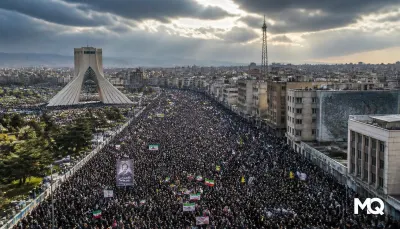
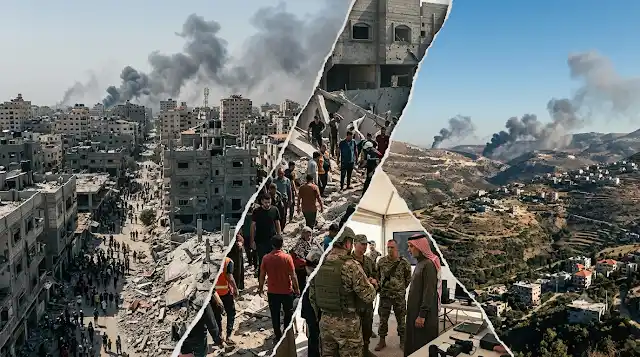
The Middle East is balanced on a knife’s edge right now. Millions have flooded the streets. They aren’t chanting for war. They are mourning. The procession for Ayatollah Ali Khamenei is huge. It snakes from Tehran all the way through Qom, Karbala, and Najaf. People are packed shoulder to shoulder. Khamenei was killed in a precision strike back on February 28th. His entire family was wiped out in that attack. For four months, the security situation was so bad that they couldn’t even hold the funeral. Now they are. It is absolutely electrifying the region. It looks like a moment of unity—a fortress of ideology. The optics of grief should fool nobody. The war rooms in Washington, Tel Aviv, and Tehran are on high alert.
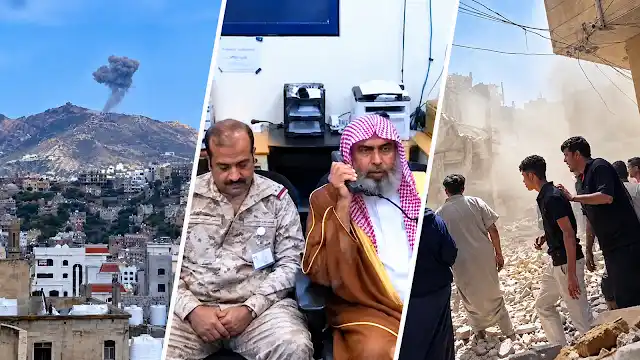
Behind closed doors, the public narrative is all about ceasefires and diplomacy. Qatari diplomats are working nonstop in Doha trying to broker a peace. That is what the press releases say. The intelligence leaks coming out of the West paint a completely different picture. The United States and Israel are not retreating. They are moving their chess pieces. Quietly. Methodically. They are shuffling military hardware into new positions. The diplomatic pause is a trick. It’s a logistics window. They need time to get their assets in range before the gloves come off.
Trump and the Pentagon’s Secret Briefings
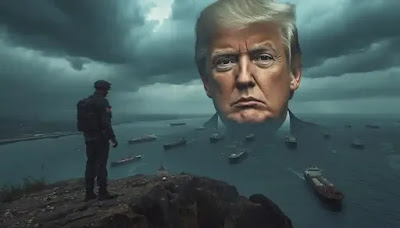
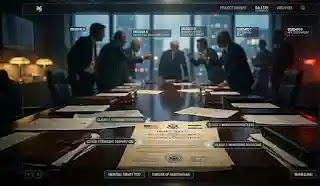
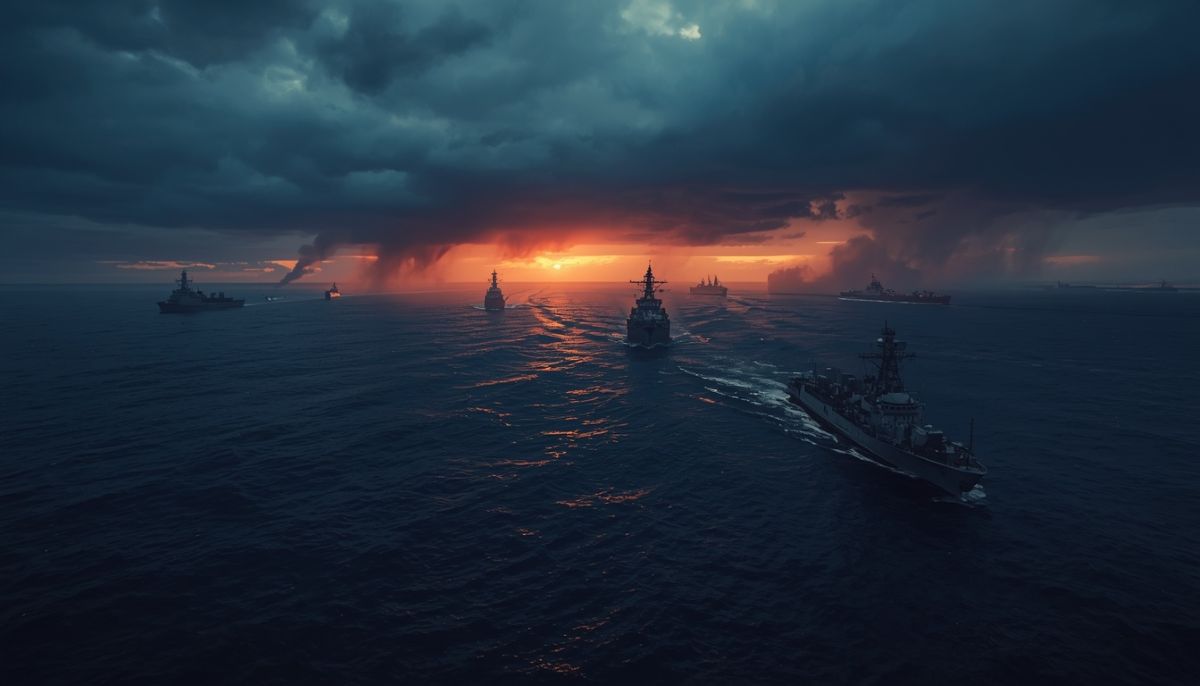
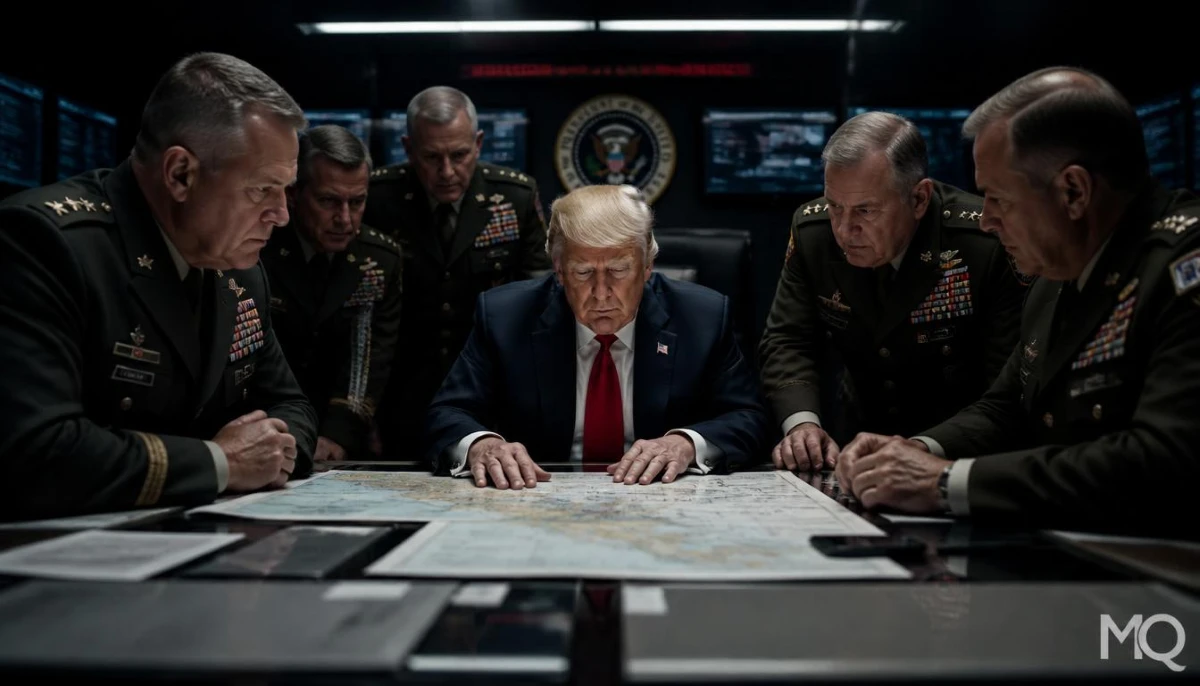
Trump and his generals have been locked in intense meetings. Recent briefings show they are looking at concrete strike options. Satellite imagery is being studied. Hardened targets are being marked. A full-scale military campaign is actively being evaluated by the Pentagon. The “peace framework” they are talking about in public is specifically designed to be temporary. It is a smokescreen. The Pentagon is using this lull to do the boring, logistical work of war. They are moving ammunition. They are consolidating troops. They are placing heavy naval vessels in optimal striking distance. They are waiting for authorization to move forward.
Take a look at Iran. They are in a logistical nightmare. They are trying to manage a massive state funeral while the security situation is totally volatile. The command structure is fragile. The leader is dead. The military is on edge. The public is emotional and raw. This is the most dangerous window of time you can imagine. One single miscalculation. One rogue fighter jet. One aggressive naval maneuver. It could cause a chain reaction that we cannot stop. It is a classic powder keg situation. Everyone has a hand grenade, and nobody trusts the other person not to pull the pin.
The Oil Reserve Strategy: JD Vance’s Slip of the Tongue
JD Vance walked right into it during a TV interview. It looked like an honest slip of the tongue. He accidentally exposed the real reason the White House was pushing for this temporary deal. It wasn’t peace. It was pure economic desperation. The United States is facing a massive domestic energy crisis. Their Strategic Petroleum Reserves are dangerously low. The administration needed a break in the fighting so they could go into the global market and buy a ton of crude oil. They wanted to fill their tanks back up. The strategy is incredibly cynical. They will use the truce to protect the U.S. economy from an energy shock. They will resume their aggressive military posturing the second the tanks are full. It is a bait and switch.
The Iranians know this. They aren’t stupid. Senior official Seyyed Mohammad Marandi fired back a warning instantly. He said Tehran has already restocked its strategic missiles. He specified that those missiles are aimed directly at disrupting the US economic infrastructure. It’s a direct threat. He told the White House that if they try to tear up the MoU once their oil is secure, they will be met with a scorched-earth financial retaliation. Mutual assured destruction. Fought in the stock market and the oil futures.
Ghalibaf’s Shocking Admission and Maritime Escalation
Here is a massive shift in rhetoric that everyone is missing. For years, Tehran’s state media insisted that Western sanctions were a joke. They told their citizens that the trade volume was unaffected. That propaganda just collapsed in on itself. Iranian Parliament Speaker Mohammad Bagher Ghalibaf just made a stunning admission. He confessed that the previous US economic blockades had completely crippled their energy sector. He admitted they had stopped the export of every single barrel of oil. Think about the devastation that causes. A major oil nation is unable to sell a drop. This admission shows how desperate the Iranian economy actually is. It explains exactly why they are clinging so violently to their last remaining piece of leverage.
Look at the Arabian Sea. The USS George H.W. Bush lost a helicopter. An MH-60S Sea Hawk had to make an emergency water landing. It went down hard. Central Command scrambled a rescue operation. They pulled three crew members out of the water. They were in stable condition. One sailor is still out there. The search area is huge, and the clock is ticking. The Pentagon is calling it a mechanical mishap. They are desperately trying to rule out hostile fire. The crews are exhausted. The ships are running red-hot. The constant deployment pressure means the margin for error is practically zero. That is why accidents happen.
The USS Boxer pulled into the hot zone. This isn’t a patrol boat. This is a massive amphibious assault ship carrying the 11th Marine Expeditionary Unit. Roughly 2,000 highly trained, heavily armed personnel. Military experts will tell you this is not a training exercise. You don’t send 2,000 Marines into a contested choke point for routine drills. This is a footprint. A physical marker on the map. A clear signal that Washington is preparing for immediate, rapid-response amphibious actions if the order comes down. They are ready to enforce their will with boots on the ground.
The Battle for the Strait of Hormuz
All of this tension is converging on one tiny strip of water. The Strait of Hormuz. It is the ultimate prize. The primary battleground for regional dominance. This is where the whole world’s economy stops or flows.
Qatari mediators watched as American diplomats laid down a take-it-or-leave-it proposal in Doha. It sounded incredible on paper. Washington said it would dismantle every single economic sanction it had ever placed on Iran. Full trade. Full banking access. Everything. There was one non-negotiable price. Tehran had to completely drop its heavy-handed toll system. They had to yield their absolute maritime control over the Strait of Hormuz. They were basically being asked to hand over the keys to the world’s most important waterway. An incredible offer. Iran looked at it and rejected it immediately. They aren’t stupid. They know that the Strait is their ultimate shield. It is their nuclear weapon without the radiation. It is the one thing that makes the world fear them.
Ghalibaf has been absolutely clear about this. He said the Strait is Iran’s single greatest instrument of strategic power. It allows an economically crippled nation to dictate terms to world superpowers. He signaled that the leadership will not back down. They will police these waters. They will control who passes. They will dictate the costs. They will starve the global economy if necessary to protect their own regime.
They are proving they mean business. The Iranian military broadcast footage of a massive commercial cargo ship. This ship had arrogantly ignored the routing commands of the Iranian coast monitors. As a direct punishment, the military forced the ship to run aground. It is stuck in the mud. Unable to move. It is a terrifying message. They are telling global shipping, “We own this water. Disobey us, and you pay the price.” The immediate fallout is hitting the global markets hard. Under normal circumstances, over 100 commercial vessels pass through the Strait daily. Today, because of the standoff and the threat of being grounded, traffic has crashed. It is down to just 30 to 34 passages per day. The supply chain is seizing up. Shipping insurance rates are skyrocketing. The price of crude oil is climbing fast.
Israeli military planners have officially put Mojtaba Khamenei—the new Iranian leader—on their active target lists. There is no ambiguity here. Israel is publicly threatening to decapitate the Iranian regime for a second time.
Iranian Foreign Minister Seyyed Abbas Araghchi threw down a huge ultimatum to the United States. He said if Washington does not immediately rein in its proxy forces operating out of Tel Aviv, Iran will not wait for the next diplomatic meeting. They will launch an immediate, devastating retaliation. Not a limited strike. A multi-front counter-attack across the entire Middle Eastern theatre. The mourners are walking. The generals are waiting. The oil is frozen in the water. Everyone is holding their breath. This is the closest we have come to the brink in a generation. Nobody is willing to blink. Nobody is willing to back down. The Strait is the trigger, and right now, everyone’s finger is on the trigger.
Frequently Asked Questions (FAQs)
Why was the funeral procession for the late Iranian Supreme Leader delayed for four months?
Following the precision air strike on February 28th that killed Ayatollah Ali Khamenei and his family, the security situation became completely volatile. Continuous threat alerts and regional instability made holding a large-scale public state event impossible. The multi-city transnational procession finally commenced in July 2026 once logistics could be secured.
What is it about the Strait of Hormuz that makes it central to this regional crisis?
The Strait of Hormuz serves as the definitive global heart for energy shipping. Iran leverages this vital waterway to dictate trade terms to world superpowers. During recent Doha negotiations, the Iranian team flatly rejected American offers to dismantle all economic sanctions, maintaining that giving up control over the channel means giving away their primary strategic shield.
What caused the recent US Navy helicopter mishap in the Arabian Sea?
An MH-60S Seahawk serving aboard the USS George H.W. Bush. The Bush (CVN 77) carrier group had to execute an emergency water landing due to severe operational dynamics during ongoing flight routines. Central Command confirmed that while three crew members were rescued in stable condition, search operations remain active for the fourth missing sailor. Official reviews have explicitly ruled out hostile enemy fire.
How did America’s domestic fuel security affect the timeline of the ceasefire talks?
A public interview with US Vice President JD Vance confirmed that the temporary diplomatic push was driven by internal energy desperation. Washington utilized the initial MoU framework to pause hostilities, specifically to buy time and restock its critically low Strategic Petroleum Reserves, protecting the US domestic economy from an energy shock before potentially resuming aggressive posturing.