
Middle East Crossroads: Inside the Massive Tehran Funeral, US Retreat, and the Reopened Oil Route
Things look incredibly chaotic across the Middle East today, to the point where the typical balance of power feels completely scrambled. We aren’t just looking at regular political tension here—this is a massive realignment of global power. Parde ke piche, things are moving differently from what big Western news networks want you to believe.
Let’s talk facts first. For the longest time, Washington tried to push a narrative that they hold all the cards. But check out what just happened. The military command quietly started shifting those massive B-52 strategic bombers away from the RAF Fairford base in the UK following their deployment near Iran. When you really think about it, it’s extraordinary. For a military superpower that claimed it wouldn’t budge an inch, pulling back these nuclear-capable beasts is a massive statement.
At the same time, the financial chokehold on Iran is cracking wide open. The US claimed it wouldn’t let a single dollar flow into Tehran, but look at the ground reality. Iran is currently in active talks with Japan to sell its crude oil. Japanese buyers are openly pushing for long-term sanction waivers because, at the end of the day, everyone needs energy. The global blockade is failing, and Iran is getting ready to open its oil taps to the world again.
The Sacred Farewell: 100 Nations Gather in Tehran
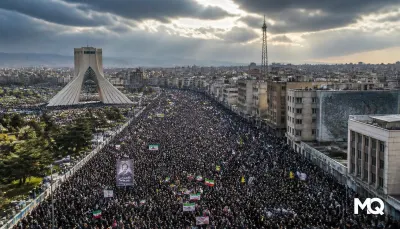
While all this military maneuvering is happening, the streets of Tehran have completely stood still. The official seven-day funeral procession for Ayatollah Ali Khamenei has turned into one of the biggest diplomatic gatherings the world has seen in years. Nearly 100 foreign delegations have descended onto the Iranian capital, and some of these arrivals are turning serious heads.
To be fair, nobody expected this level of unity. Pakistan’s Prime Minister Shehbaz Sharif and Army Chided in Tehran to a formal welcome by Iran’s new President Pezeshkian. But the real shocker? Qatar. Despite recent heavy friction over the US military bases on Qatari soil facing heat, Iran sent a formal invitation, and Qatar’s Parliament Speaker showed up with a full delegation to pay respects. Even the deeply private Khomenei family members from Iraq made a rare public appearance.
According to the official plans, this massive spiritual and political journey is crossing borders:
- Tehran: The epicenter for the main state ceremonies and public farewells.
- Qom: A major spiritual center where massive crowds are crowding the streets next.
- Najaf & Karbala: After entering Iraq, the procession is scheduled to pass through the sacred city of Karbala, marking one of the most significant points along its journey.
- Mashhad: The final spot. The late leader’s journey will eventually conclude back where he was born, settling down permanently at the holy Imam Reza Shrine.
Shadow Wars and Broken Routes
But don’t mistake this grief for weakness. The atmosphere in Iran is thick with pure retaliation. The high command at the IRGC didn’t mince words either, promising a direct and heavy strike against those responsible for the assassination.
On top of that, security forces in Jerusalem recently locked up a 21-year-old local guy, claiming he was secretly feeding tactical photos of crowded bus terminals and local malls straight to Iranian handlers for a fat stack of cash. The shadow war is active inside Israel’s own borders.
A quiet crisis is also brewing in the Strait of Hormuz. Iran’s military command recently issued a fierce warning to all global oil tankers. Out of 38 ships that passed through the strait in a 24-hour window, only 7 followed the official routes guided by Tehran—the rest panicked and took the Oman route. Iran is furious, basically telling the world: “Follow our guidelines, or don’t cry when things go sideways.”
While other Arab nations are struggling with trade logistics, Saudi Arabia has quickly adapted, rushing its crude exports back to pre-war speeds through the reopened strait. But look, if you are sitting in India hoping this means cheap fuel, don’t hold your breath. Prices aren’t dropping, and we are still paying full price for that heavy ethanol-blended petrol that makes everyone worry about their car engines—whether you drive a normal hatchback or a fancy German luxury ride!
The Nuclear Standoff and the Propaganda War
Online spaces are filled with talking heads claiming Iran’s defense systems are completely broken, its missile supply is depleted, and its atomic labs are basically ghost towns now. But honestly? The ground reality completely humiliates that narrative.
The chief of the IAEA (International Atomic Energy Agency) just confirmed that Iran’s enriched uranium hasn’t been moved or destroyed. Despite weeks of heavy coalition bombing runs, the core nuclear stock is completely untouched. Multi-layered imagery shows that the heavily fortified Isfahan nuclear facility has its blast doors completely sealed and buried under rock—meaning a ground invasion to steal or destroy that uranium is practically impossible. Iran didn’t run away; they just locked the vault.
To make things sweeter for Tehran, Iran’s foreign minister openly mocked the US Central Command (CENTCOM) after they held a grand security meeting with various Arab states. He basically spat on the optics, asking a very simple question: “Did CENTCOM actually bring a single shred of security to this region?” The message is loud and clear—the Middle East doesn’t need outsiders to police its backyard.
Even the digital battlefield is evolving, with Pakistan and Saudi Arabia signing a brand new Digital Defence Agreement to actively counter Western propaganda and coordinate media strategies in real-time.
Wounds That Never Healed
To understand why Iran is reacting with such raw aggression, you have to look at the history the West wants you to forget. Officials in Tehran are constantly reminding everyone about that horrible day back on July 12, 1988, when an ordinary civilian flight carrying nearly three hundred regular people, including dozens of young kids, was blown right out of the sky by an American naval vessel. To make matters worse, the US commander who ordered the attack was later given an official award.
That deep-seated historical hypocrisy is precisely why the regime refuses to talk compromise. They treat this whole situation as a fight for basic survival against a Western alliance that has spent generations trying to paint them as the ultimate enemy.
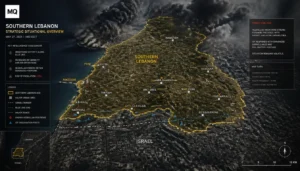
With the current wave of heavy bombing runs tearing through parts of Lebanon, everything out there is balanced on a knife’s edge. One single mistake inside the shipping lanes of Hormuz, or a single breach of the current interim deals, could easily set off a massive international conflict. The old rules are dead, and a new bloc is officially taking over.
Frequently Asked Questions (FAQs)
Q1. Why are so many foreign countries sending delegations to Tehran right now?
A lot of it boils down to complex regional shifts and defiance against Western sanctions. Having nearly a hundred international groups show up—especially from states like Saudi Arabia, Russia, and Qatar—proves that Tehran has plenty of diplomatic leverage left.
Q2. Did the US really withdraw its B-52 bombers from the UK?
Yes, they did. Right after the peak of their regional operations, the US military quietly packed up those strategic B-52 aircraft and flew them back across the Atlantic. It strongly signals a tactical move to dial down the immediate threat of a wider war.
Q3. Is Iran still selling oil despite all the international sanctions?
The Western economic wall has some massive cracks in it. Tehran is currently setting up a massive crude supply deal with Tokyo, and commercial energy buyers in Japan are aggressively lobbying for long-term legal waivers to keep the oil flowing.
Q4. What is the status of Iran’s nuclear facilities after the recent bombing runs?
Despite all the intense media reports claiming destruction, the atomic watchdogs at the IAEA confirmed the enriched core material is perfectly intact. The main labs at Isfahan are buried so deep under solid mountain stone that typical airstrikes can’t even scratch them.
Q5. Why is Iran furious about the shipping routes in the Strait of Hormuz?
Most of the commercial tankers passing through chose to ignore Tehran’s maritime navigation map, diverting toward Omani waters out of panic. Since Iran claims authority over those specific shipping lanes, it warned that any vessel ignoring its naval routes will have to face the consequences alone if an emergency hits.