Tag: 2026 Outlook.

  • Safe Haven Play: Gold, Silver, or Cash in 2026?

    Gold bars and Silver coins on a financial

    Safe Haven Play: Why Gold and Silver Are Stealing the Spotlight in 2026

    I was scrolling through some investor threads this morning, and the vibe is heavy—like, really heavy. People are posting screenshots of $10K Gold predictions and debating if Silver (SLV) is about to pull a massive breakout. And honestly? I get the anxiety. With the recent escalations in the Middle East and the ongoing uncertainty around international trade routes, the “Safe Haven” talk isn’t just noise anymore; it’s a survival strategy.
    If you’ve been following the markets lately, you know that 2026 hasn’t been the smooth ride many expected. Between geopolitical shocks and the constant hum of currency depreciation, the old-school metals are starting to look a lot more appealing than the volatile equity charts we’ve been staring at.

    The Fear Premium: Why Now?

    Let’s be real—markets hate surprises. And nothing is more surprising than a sudden shift in global stability. When tensions rise in major energy-producing regions, like what we’re seeing right now, investors don’t just calculate interest rates; they price in fear. This is what I call the “Uncertainty Tax.”
    In 2026, we aren’t just dealing with a simple dip. We are dealing with a world that’s trying to figure out where the next energy shock will come from. When that happens, capital doesn’t like to sit in “hopeful” growth stocks. It wants something it can touch, something that has survived every conflict in human history. That’s where the “Big Three” come in: Gold, Silver, and the cold, hard safety of Cash.

    (more…)

  • Alphabet Stock: Q4 Earnings & 2026 Price Outlook

     Here’s How Much Alphabet Stock Is Expected to Move After Earnings on Wednesday – 2026 Outlook, Analysis & Investor Strategies


    Alphabet Logo and symbol, meaning, history, PNG, brand


    Key Takeaways


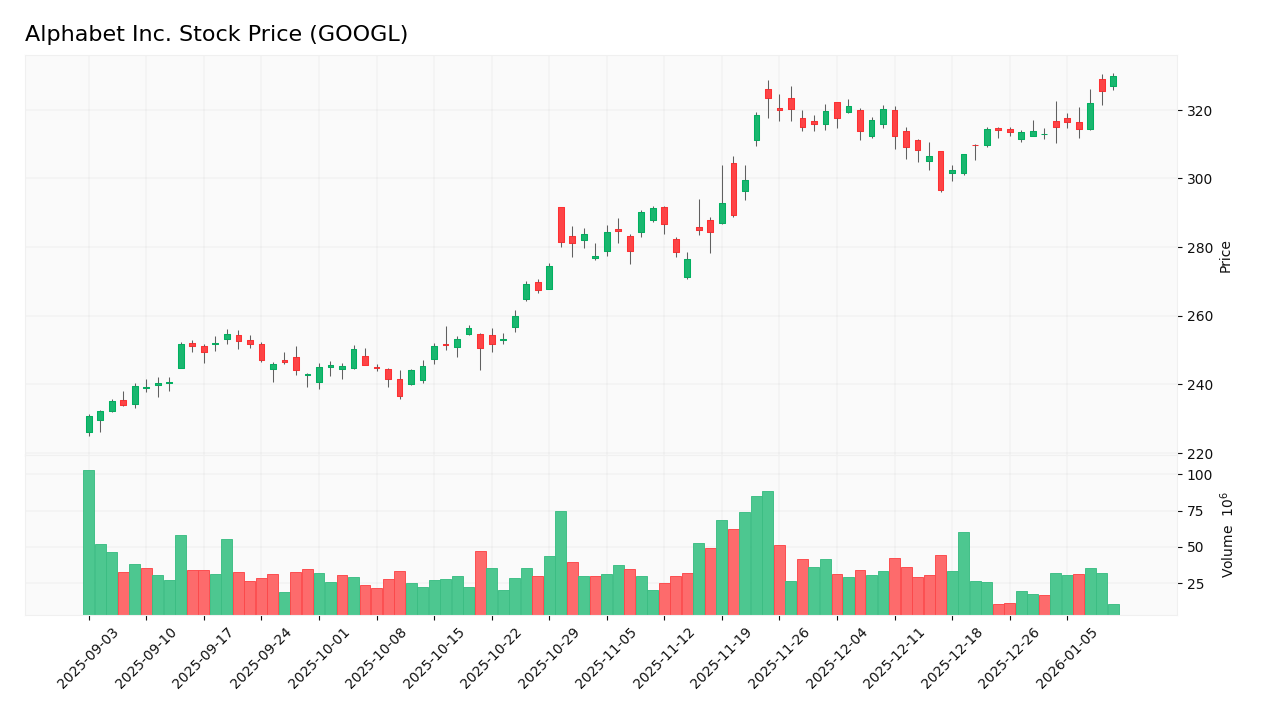
    • Options markets suggest Alphabet stock could move more than 5% after earnings, with a potential range of roughly $328 to $362 from a recent close near $344. This reflects typical big-tech volatility, though actual moves can be higher or lower.
    • Consensus forecasts show adjusted EPS around $3.09 (up over 20% year-on-year) and revenue near $111.4 billion (up 15%), supported by strong Google Cloud and ad growth.
    • The stock has risen about 25% since the last earnings beat, and analysts remain largely bullish with an average price target of $350 (some up to $400+).
    • The 2026 global economy looks steady, with the IMF projecting 3.3% growth, benefiting tech firms like Alphabet amid AI investments.
    • Key watchpoints include AI progress (Gemini), cloud capacity, 2026 capital spending, and any Apple partnership updates – a strong report could drive new highs, while high expectations carry risks of disappointment.


    Earnings Date and Overview

    Alphabet reports Q4 2025 results after US markets close on Wednesday, 4 February 2026, with the conference call at 4:30 PM ET.


    How the Expected Move Is Calculated

    The figure comes from options pricing (straddles), showing what traders expect for volatility by week’s end. Current data points to >5% from a close near $345, adjusting for recent levels around $344.


    What to Watch

    Focus on AI returns, Google Cloud growth, capex guidance, and Search/AI features. With solid estimates and positive sentiment, upside seems likely if guidance impresses.


    Alphabet, the company behind Google, YouTube, Android, and Google Cloud, is one of the biggest names in tech. On 4 February 2026, after the US markets close, it will release its Q4 2025 earnings. Investors around the world – including here in Mumbai – are asking the same question: how much could the stock move? Options markets are pricing in a notable swing, more than 5%, which could see shares jump or drop significantly from their recent level around $344.

    This is not unusual for a company like Alphabet. Earnings days often bring big reactions because the results can confirm or challenge high expectations. The stock has done well lately, climbing about 25% since the previous quarter’s report in October 2025, when it beat estimates and crossed $100 billion in quarterly revenue for the first time. That rally has continued even as other tech stocks faced pressure over AI spending costs.

    Why the focus now? Alphabet is firmly positioned at the heart of the AI surge. Tools like Gemini are improving Search, helping YouTube recommendations, and powering Google Cloud services. Investors want to know if these investments are paying off or if costs will weigh on profits. The broader economy supports optimism. Global growth is forecast at 3.3% in 2026, as per the IMF, with AI and technology investment helping anchor expansion in advanced economies. In the US, resilient consumer spending and business investment aid digital advertising and cloud demand.


    But high expectations mean risks. Even solid results can lead to a sell-off if forward guidance disappoints – for example, if 2026 capital spending looks too high without clear returns. This post explains the expected move, earnings forecasts, key themes, the 2026 outlook, potential impacts, and simple strategies. Written in clear language, it draws on reliable sources to help you understand without jargon.

    Let’s start with the numbers. Analysts expect revenue of about $111.4 billion, up 15% from last year. Adjusted earnings per share are forecast at $3.09, a rise of more than 20%. These figures reflect strength in advertising (Search and YouTube) and fast-growing Google Cloud, which benefits from AI demand. Google Cloud has seen revenue climb sharply in recent years, from around $33 billion in 2023 to over $43 billion in 2024, showing the shift to cloud services.

    The options market gives a clue to volatility. Traders use straddles – buying both calls and puts – to bet on movement without picking direction. Current pricing suggests more than 5% implied move from Monday’s close just under $345, meaning a range roughly $328 on the low side to $362 on the high. This could take the stock to new highs or test recent support.

    Alphabet Stock Approaches Record Highs Amid Valuation Concerns

    Historically, Alphabet often posts 5–8% moves after earnings, with bigger swings when results surprise. In recent quarters, beats on revenue and AI optimism drove gains, while concerns over costs led to dips.

    (more…)

  • Banks Kick Off Earnings Season: 3 Key Focus Areas

    Key Takeaways

    • Upcoming Reports: Big banks like JPMorgan Chase and Wells Fargo start sharing results on Tuesday, 13 January, followed by Bank of America and Citigroup on Wednesday, 14 January.
    • Capital Markets Focus: Investors seem keen on deal-making and strong trading revenues, but they’ll watch if this momentum holds up.
    • Interest Rates Matter: The speed of rate changes by the Federal Reserve could affect bank profits from loans, with research suggesting slower cuts might help margins.
    • Growth Outlook: Plans for buybacks, dividends, and 2026 strategies are under the spotlight, as banks look to build on last year’s gains while facing new challenges like AI and regulations.
    • Balanced View: While trends point to positive earnings growth, issues like rising expenses and loan risks add some uncertainty—evidence leans toward steady progress if economic conditions stay supportive.

    The banking world is buzzing as earnings season kicks off next week. If you’re an investor, this is a big moment to see how banks have navigated the end of 2025. Major players like JPMorgan Chase, Bank of America, Citigroup, Wells Fargo, Goldman Sachs, and Morgan Stanley will report their results starting on 13 January. These reports aren’t just numbers—they tell a story about the economy, from loans to deals. Investors are watching closely because banks often signal wider market trends. For instance, strong earnings could boost stock prices, while surprises might cause dips. Research suggests that in times like these, with Fed rate cuts ongoing, banks could see modest growth, but it’s not without risks like inflation or trade issues.

    In simple terms, banks make money from lending, investing, and fees. Last year, many saw double-digit earnings rises, with the bank index up 35% compared to the broader market’s 18%. But 2026 brings new factors, like potential deregulation and AI tech. It seems likely that positive outlooks will dominate, though we should acknowledge debates around loan quality and costs. To stay ahead, check reliable sources like the Federal Reserve for rate updates.

    Overall, these earnings could set the tone for the year. If you’re thinking of investing, consider the big picture—banks are resilient, but always diversify.


    As the new year unfolds, the financial sector is poised for its first major event: earnings reports from leading banks. Next week, starting 13 January 2026, giants such as JPMorgan Chase and Wells Fargo (reporting on Tuesday), Bank of America and Citigroup (on Wednesday), followed by Goldman Sachs and Morgan Stanley (on Thursday), will unveil their results.Q4 2025 results. This comes at a time when the US economy shows mixed signals—growth slowing slightly,y but with inflation cooling and unemployment stable. Investors are particularly attentive because these reports could influence stock markets, bond yields, and even broader economic policies.

    Picture this: you’re an everyday investor sipping your morning tea, scrolling through news on your phone. Suddenly, headlines flash about bank earnings. Why care? Banks are the backbone of the economy—they lend to businesses, manage savings, and facilitate deals. When they report strong numbers, it often means confidence is high, leading to rising stock prices and more investment. But if there’s weakness, like higher loan defaults, it could signal trouble ahead. In 2025, banks enjoyed a rebound in dealmaking and trading, pushing profits up. Now, with 2026 on the horizon, questions arise: Will this continue amid Fed rate cuts and global uncertainties?

    Let’s dive deeper. As of January 2026, the Federal Reserve has maintained a cautious stance at 3.50-3.75%, meaning banks might enjoy slightly better margins than previously feared. However, the Fed has signalled further rate reductions, potentially to 3.125% by year-end, which could ease borrowing costs but squeeze bank margins if not managed well. Meanwhile, the IMF warns of elevated risks from stretched asset values and nonbank lenders, which could spill over to traditional banks. The World Bank, in its global outlooks, echoes concerns about trade policies affecting growth, though specific banking stats are scarcer. Yet, optimism persists—Deloitte forecasts US GDP at 1.4% for 2026, with banks diversifying into fees and tech to offset challenges.

    (more…)