Tag: ​ Bank of England

  • GBP/USD Dips: US Holiday & UK CPI Impact 2026

     Why the Pound is Slumping While America Sleeps: A Proper Wake-Up Call
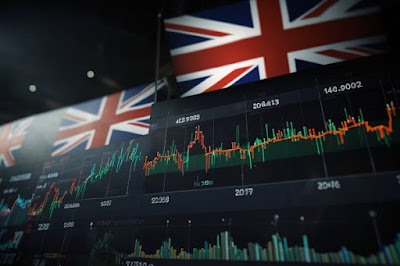

    British Union Jack flag with a downward-

    ​Listen, if you’ve been keeping a sneaky eye on the GBP/USD exchange rate lately, you’ve probably noticed it’s looking a bit pathetic. It’s drifting lower, and actually, it isn’t because of some massive economic disaster or a sudden government collapse. It’s because of something much more annoying and simple: everyone in America went on holiday. It sounds ridiculous, doesn’t it? The idea that your holiday savings or your business profits can take a hit just because traders in New York decided to have a lie-in. But that’s the reality of the world we’re living in in 2026.


    ​When the Big Players Leave, the Markets Get Moody

    ​Here’s the thing—currency markets never really shut their eyes, but they do get seriously moody when the US banks take a day off. We call this a “thin market,” and tell you what, it’s a nightmare for anyone trying to keep their finances stable. Think of it like a party where half the people have already gone home; even a small argument in the corner feels like a massive drama.

    ​Because the US was on a bank holiday, the “liquidity“—which is just a fancy way of saying “the amount of money flowing around”—was basically non-existent. There weren’t enough buyers to keep the Pound steady. The reality is, when there aren’t many people trading, even a tiny bit of selling pressure makes the exchange rate look like a financial train wreck. If you’re a business owner trying to pay for supplies in Dollars or a regular person saving for a trip to Florida, this kind of “quiet” volatility is a massive, expensive headache.

    ​The UK Inflation Ghost: Why Everyone is Twitchy

    ​But I’m not joking, the real reason everyone is so jumpy right now isn’t just the US holiday. It’s because we’re all holding our breath for the UK inflation numbers—the CPI—to drop. Honestly, this single number is the “Big Boss” of the week. It tells us exactly how much more expensive your loaf of bread, your tank of petrol, and your monthly Netflix subscription have become over the last month.

    ​The Office for National Statistics releases this, and it carries more weight than almost anything else. See, the Bank of England has this obsession with hitting a 2% inflation target. Simple in theory, right? But the reality is that we’ve been stuck way above that for ages. Even now, in early 2026, it’s lingering around that annoying 2.5% to 2.8% mark. It’s like a stubborn stain that won’t come out. Until that number settles down, the Pound is going to keep acting like a nervous wreck. ### Why Services are Keeping Prices High

    Tell you what, the real problem isn’t the price of “stuff” anymore; it’s the price of “doing stuff.” We’re talking about services—hotels, restaurants, barbers, and cafes. Wages in these sectors have stayed high because there’s a massive shortage of workers. This means when you go out for a meal, you’re paying for the cook’s higher salary, and that keeps inflation “sticky.”

    ​If the CPI numbers show that these prices are still rising, the Bank of England is going to feel forced to keep interest rates high. Now, normally, high interest rates are actually good for a currency because they attract investors who want a better return on their money. But in 2026, everyone is worried that if rates stay too high for too long, the whole UK economy might just stall. It’s a proper balancing act, and right now, the Pound is wobbling on the wire.

    ​The Great Atlantic Divide: UK vs US

    ​Actually, if we’re being 100% honest, the US is winning the economic battle right now. While we’re struggling with 1.1% growth, the Americans are cruising at over 2%. They’ve managed a “soft landing“—basically bringing inflation down without destroying their economy. Because the US economy looks so much “healthier” than ours, the Dollar is the place where all the smart money is going.

    ​When the US markets are closed for a holiday, the Pound loses its “anchor.” Without that massive volume of US Dollars being traded, the Pound is left to drift. And in a world where everyone is a bit scared of the future, a drifting currency usually drifts downwards. It’s not ideal, but that’s how the system works.

    ​How This Hits Your Daily Budget

    ​I’m not joking—even a small slide in the Pound makes your life more expensive. Think about it: we import so much of what we eat and use. If the Pound is weak against the Dollar, every iPhone, every bag of coffee beans, and every litre of imported fuel costs more for the shops to buy. And you know exactly what happens next—they pass those costs straight on to you.

    ​If you’re planning a holiday abroad, this volatility is a total bonfire for your budget. One day your Pounds buy $1.27, the next day it’s $1.25. Over a two-week trip, that’s the difference between a nice dinner out and eating a sad sandwich in your hotel room. The reality is that we’re living through a period when the British Pound is far less “stable” than it used to be.

    ​What Should You Actually Do?

    ​See, if you’re a business owner, you can’t just sit there and hope the rate gets better. Hope is not a financial strategy. You need to be looking at things like “limit orders“—basically telling your bank to buy Dollars only when the rate hits a certain level. And for heaven’s sake, don’t do your big currency conversions on a bank holiday. You’ll get absolutely rinsed on the “spread” (the difference between the buy and sell price) because the market is so thin.

    ​For regular savers, it’s about timing. If you see a decent rate and you know you’ve got a trip coming up, it might be worth locking some in now. Expecting a “miracle recovery” for the Pound in the middle of an inflation crisis is properly risky.

    Final Thoughts: All Roads Lead to CPI

    ​At the end of the day, the US holiday was just a side quest. The main mission is to collect inflation data. If it comes in high, the Pound might get a temporary boost because rates will stay high. If it comes in low, everyone will expect the Bank of England to cut rates, and the Pound could slide even further.

    ​Honestly, it’s a messy time to be looking at the markets. The best thing you can do is keep your head down, watch the data, and don’t make any massive moves based on a “feeling.” The numbers don’t have feelings, and right now, they’re telling us to be properly cautious.

    Your Money Survival Guide: Frequently Asked Questions (FAQs)


    1. Why did the Pound fall when there wasn’t even any news?

    Actually, it’s all about liquidity. On a US bank holiday, fewer people are buying and selling. When the market is “thin,” even a small amount of selling can drag the price down because there aren’t enough buyers to stop the slide.

    2. What is CPI, and why does it move my money?

    Seriously, CPI is just the Consumer Price Index. It represents how fast the cost of goods and services is rising. The Bank of England uses this number to decide interest rates. If inflation is high, they keep rates high, which usually (but not always) helps the Pound.

    3. Is the US Dollar just “better” than the Pound right now?

    The reality is that the US economy is growing much faster than the UK’s. Investors prefer to put their money where there is growth and stability, which is why the Dollar is currently the “big boss” of the currency world.

    ​4. Is now the right time to buy my travel money, or should I wait?

    Tell you what, with the inflation data coming out, the rate is going to be all over the place. If you see a rate that fits your budget, it’s probably safer to lock some in now rather than gambling on a jump that might not happen.

    5. How can my small business handle this volatility?

    Don’t try to time the market yourself. Use tools like forward contracts or limit orders to fix your costs. And honestly, avoid trading on bank holidays when the market is thin, and the costs are higher.

    ​6. Why is it so challenging to reduce service inflation?

    It’s mostly about wages. If waiters and nurses are getting paid more, the businesses have to charge more. Unlike the price of a TV, which can go down if parts get cheaper, people’s wages rarely go down, so that inflation stays “sticky.”

    7. Does a weak Pound mean higher energy bills?

    Properly simple: Yes. We buy a lot of our energy in Dollars. If the Pound is weak, we have to spend more of them to get the same amount of fuel, which eventually ends up on your monthly bill.

    8. What happens if the UK hits the 2% inflation target?

    If we actually hit it, the Bank of England would likely start cutting interest rates. This is good for people with mortgages, but it can actually make the Pound weaker as investors look for higher returns elsewhere.

    9. Why is the US economy growing so much faster?

    Actually, they have more consumer spending, and their tech sector is massive. The “soft landing” they’ve achieved has made them a safe haven for global investors in 2026.

    10. What is the one thing I should watch this week?

    One word: CPI. Forget the politics and the holiday news. That inflation number is the only thing that’s going to decide where the Pound goes next. Keep your eyes on the data.

    Note: This is for educational purposes only. Not financial advice. We are not SEBI-registered.

  • Bank of England’s Tough Call on November Rates


    Bank of England inters Reat

    That Day the Bank of England Had a Proper Headmare: The Nov 2025 Interest Rate Drama

    ​Honestly, I’ve always reckoned that the Bank of England is a bit like that one strict teacher we all had. You know the one. They mean well, I suppose. But they’re always hovering. Checking your work. Making sure you aren’t having too much fun. For the last few years, our “fun” has been spending. And the “ruler” they’ve been using? Interest rates. Proper painful, that.

    ​Looking back at that massive decision on 6 November 2025, everyone was asking the same thing. Was it finally time for a break? Or were we stuck in the doghouse for even longer?

    ​If you’ve been checking your banking app and wincing at your mortgage, you aren’t alone. Seriously. This isn’t just boring economics. It’s a proper tough call. It affects whether we can afford that extra takeaway or if we need to keep the heating off for another month. Straight up. No jokes.

    ​Why All the Fuss About a Tiny Percentage?

    ​Look, let’s talk straight. A 0.25% change sounds like nothing. It’s the kind of change you’d barely notice on a bag of crisps. But when the Bank of England moves the “Base Rate,” it’s like a massive ripple in a pond. Everything moves. Fast.

    ​Back in 2021, rates were at a tiny 0.1%. Then inflation turned up like an uninvited guest who won’t leave the party. It hit over 11%. To kick it out, the Bank hiked rates all the way to 5.25%. By late 2025, we were sitting at 4%.

    ​The big drama for November 2025 was the drop to 3.75%. Big names like Goldman Sachs were betting on a cut. But the Bank is famously cautious. They don’t like to move unless they’re 100% sure the inflation monster is dead and buried. Properly dead.

    ​The Inflation Headache

    ​Straight up, the Bank is hesitant because UK inflation has been “sticky.” That’s just fancy talk for prices not coming down as they should. In October 2025, it was hovering around 3.8%.

    ​The Bank’s “golden target” is 2%. So, being at nearly 4% is basically like failing an exam. Big time. If they cut rates too early, people spend more. Prices go up again. And we’re back to square one. It’s a high-stakes gamble. Hold at 4%, and you risk businesses folding. Cut, and you risk making life even more expensive. Total mess.

    ​The Budget Shadow

    ​To be fair, the Bank isn’t the only one pulling the strings here. We had the Autumn Budget too. Rachel Reeves and the Labour lot had a massive £22 billion hole to fill. When the government talks about tax hikes, the Bank gets nervous. Understandably so.

    ​If the government pulls money out of the economy, it might help lower inflation. But if they handle it wrong? It could do the opposite. It’s like two people trying to bake a cake by throwing random ingredients in the bowl. No wonder the decision was a nail-biter.

    ​What This Means for Your Pocket

    ​Let’s get to the bit that actually matters to you.

    1. The Mortgage Stress

    If you’re on a tracker or variable mortgage, a 0.25% cut is a godsend. We’re talking saving maybe £30 to £40 a month on a £200k loan. That’s a weekly shop. Or a tank of petrol. For folks remortgaging in 2025, that small drop felt like a massive win. A lifeline, really.

    2. The Saver’s Dilemma

    On the flip side, if you’ve actually managed to save some cash, you’ve been enjoying those 4% rates. A cut is bad news for you. Your returns start to shrink. It’s the classic tug-of-war. Savers vs. Borrowers.

    3. The Business Blues

    Small firms are really struggling. Higher taxes. Expensive loans. Many are just “zombie firms” barely staying afloat. A rate cut would give them the “oxygen” they need to hire more staff. Or just pay the bills.

    Bank of England effect your pocket

    ​Looking at the Global Stage

    ​Honestly, Britain doesn’t exist in a bubble. Over in the US, the Federal Reserve had already started cutting. When the Americans move, everyone watches. Like a hawk.

    ​The ECB had already dropped their rates to 3.25% by October. If the UK stays at 4% while everyone else cuts, the pound gets stronger. Good for your hols. Nightmare for British companies selling stuff abroad. A proper balancing act.

    ​The “John Deere” Lesson

    ​Remember the tractor giant John Deere? They’re a perfect example. When rates were high in 2023 and 2024, farmers couldn’t afford loans for a new kit. Deere’s sales tanked.

    ​The same thing happens here with companies like JCB. When borrowing is expensive, people stop buying big-ticket items. Whether it’s a tractor or a new sofa, high rates act like a handbrake on the country. A heavy one.

    ​The Human Side

    ​Properly speaking, we shouldn’t just talk about “basis points.” We should talk about people like Sarah. She’s a teacher I know remortgaging her flat in London. She told me, “Every time the Bank meets, I feel like my whole future is decided by nine people in a room I’ve never been to.”

    ​That’s the reality. It’s about whether a young couple can afford their first home. The Bank of England tries to be “data-dependent,” but that data is made of our lives. Not just spreadsheets.

    What Should You Do?

    ​If you’re reading this in early 2026, you know how it ended. But the lessons stay the same. Here’s the “friend-to-friend” advice:

    • Don’t wait for the “Perfect” Rate: If you find a fix under 4%, grab it. Waiting for an extra 0.25% could backfire if inflation spikes.
    • Ladder your savings: Don’t put all your eggs in one basket. Lock some in a fixed bond. Keep some in easy access.
    • Watch the Budget: The Bank reacts to the politicians. Keep an eye on those spending announcements.
    • Stay Calm: Rates have been high before. They’ve been low. The world keeps turning.

    Final Thoughts

    ​Look, the November 2025 rate call was a proper “fork in the road” moment. It showed us that getting back to “normal” is going to take a long time. Longer than we’d like.

    ​Whether the Bank held or cut, the takeaway is simple. Be smart with your own money. Don’t rely on the “invisible hand” to save you. Take control of your budget. Stay diversified. And keep an extra eye on the news—but don’t let it ruin your morning cuppa.

    ​Honestly, the best thing you can do is stay informed. If this helped, share it with someone worrying about their mortgage. We’re all in this together. Navigating the choppy waters of the UK economy.

    FAQ 

    Will the Bank of England actually cut rates in November 2025? 

    Honestly, it’s a total coin flip. While some big banks are betting on a drop to 3.75%, the official word is still very cautious. It all depends on whether inflation behaves itself.

    How does a 0.25% rate cut help my mortgage? 

    Look, it doesn’t sound like much, but it can shave about £30-£40 off your monthly bill for a typical £200k loan. Over a year, that’s a proper win for your budget.

    Why is inflation still a problem for the UK? 

    To be fair, prices are still “sticky,” especially in services. Even if energy stays flat, things like wages and shop prices are keeping the Bank of England on high alert.

    Should I fix my mortgage now or wait for a cut? Straight up, if you find a deal under 4%, it might be worth grabbing. Waiting for a tiny cut could backfire if the economy takes another weird turn.

    Note: This is for educational purposes only. Not financial advice. We are not SEBI-registered.

  • Future of Interest Rates: UK vs Canada

    UK and Canadian flags


    The Interest Rate Tug-of-War: Is a UK and Canada Recession Still on the Cards for 2026?


    ​If you’ve had a quick look at your bank balance lately, you’ve probably felt that “Interest Rate Fever.” It’s that nagging worry at the back of your mind every single time a news reporter mentions the Bank of England or the Bank of Canada. We have all been living through a proper financial rollercoaster since 2021, and as we hit the tail end of 2025, 

    everyone is asking the same big question:  When is the pain actually going to end? While some experts are shouting about a “Soft Landing” (where everything just chills out perfectly), others are waving red flags about a looming recession. In the UK, the base rate is stubbornly sitting at 4%, while Canada has been a bit more daring, dropping its rate to 2.5%. But these aren’t just dry numbers for suit-wearing bankers; they are the invisible forces that decide if you can afford that new car, a bigger house, or even just a decent holiday next summer. Let’s cut through the jargon and see where your money is actually heading.

    ​The UK Situation: Why is the Bank of England So Hesitant?

    ​To be fair, the UK is in a bit of a sticky spot. After a small cut in August, everyone expected the floodgates to open, but the Bank of England (BoE) has kept its grip tight at 4%. Why the hesitation? It’s because inflation in the UK is acting like a stubborn guest who just won’t leave the party.

    ​Service costs—like what you pay at a restaurant or for a haircut—are still rising, and wage growth is hovering around 5.1%. If the BoE cuts rates too fast, they fear that inflation will just roar back. This has left people like Sarah, a teacher in Manchester, in a proper fix. Her fixed-rate mortgage is ending soon, and at 4%, she’s looking at payments that could be 20% higher. It’s a “Bumpy Landing” for sure, and if growth doesn’t pick up from its current 0.1%, that recession talk is going to get a lot louder.

    ​Canada’s Bold Move: Are They Winning the Game?

    ​Now, look across the Atlantic at Canada. They’re not even playing the same game. The Bank of Canada (BoC) has already slashed its rate to 2.5%, making it one of the most “dovish” banks in the G7 right now. They’ve managed to dodge a full-blown recession so far, but it hasn’t been all sunshine and roses.

    ​Unemployment in Canada has crept up to 7.1%, which is the highest it’s been in four years. While homeowners are cheering the lower mortgage rates, savers like Mike in Vancouver are feeling the pinch. His retirement nest egg isn’t growing nearly as fast as it was last year. It’s a classic trade-off: Canada is choosing to support growth and jobs, even if it means a slightly weaker currency (the loonie) and lower returns for savers.

    ​The Global Ripple: What John Deere Tells Us About Rates

    ​You might be wondering what a massive US tractor company like John Deere (DE) has to do with your local interest rates. Well, it’s all connected. Back in 2022, when rates started hiking everywhere, Deere’s stock took a massive 40% hit. Why? Because farmers in places like the UK and Canada couldn’t afford the high interest on loans for new machinery.

    ​Fast forward to late 2025: because Canada is cutting rates, farmers there are starting to spend again, which is a big win for companies like Deere. But in the UK, where the 4% rate is still biting, agricultural investment is properly stalled. This shows that interest rates aren’t just about houses; they affect the food on your table and the health of global manufacturing. If the BoE doesn’t follow Canada’s lead soon, sectors like farming and construction could stay in the freezer for a lot longer.

    ​The Great Debate: Soft Landing vs. Hard Recession

    ​Straight up, economists are split right down the middle on this one.

    • The “Soft Landing” Camp: They believe inflation will hit the 2% target by early 2026, and we’ll all go back to normal without a crash. The IMF is currently backing Canada for this “win.”
    • The “Recession” Camp: They point to the UK’s flat growth and Canada’s rising unemployment. They argue that the damage from high rates hasn’t fully “hit” the system yet, and we could see a 30-40% chance of a slowdown in the UK by early 2026.

    Peering into 2026: What Should You Expect?

    ​If we look at the data for next year, the forecast is a bit of a mixed bag. In the UK, we might see one or two small cuts, potentially bringing the rate down to 3.5% by mid-2026. But don’t expect the “cheap money” days of 1% to come back—those are gone for good.

    ​In Canada, the “firehose” of cuts is likely to continue. Some experts think we could see rates hit 2% by the end of 2026. This would properly fuel the housing market, but it might also make imports more expensive. If you’re planning to travel to the US from Canada, your loonie might not go as far as you’d hope.

    ​Practical Tips: How to Handle the “Rate Fog”

    ​Whether we get a smooth landing or a proper crash, you need a plan. Here’s some real-world advice for your wallet:

    • For the Homeowners: If you’re in the UK, don’t just “wait and see.” If your fix is ending, talk to a broker now—some deals are coming in at 4.2% if you look hard enough. In Canada, if you’re on a variable rate, keep that extra cash you’re saving as a buffer in case inflation spikes again.
    • For the Savers: Those high-yield days of 5% on easy-access accounts are fading fast. If you can find a fixed-term bond or a GIC (in Canada) that still offers 4%, lock it in now before the next round of cuts hits.
    • For the Small Business Owners: Delay any massive borrowing until mid-2026. The rate path is still a bit foggy, and you don’t want to get stuck with a high-interest loan just before rates drop further. To be fair, sitting tight for a few months is a smart defensive move.

    ​Conclusion: Charting the Path Forward

    ​Wrapping it up, the future of interest rates in the UK and Canada is a tale of two very different strategies. The UK is being properly cautious, worried about inflation ghosts, while Canada is pushing for growth to avoid a jobs crisis. No magic button fixes everything, and global shocks—like new US tariffs or energy spikes—can flip the script in a heartbeat.

    ​The best thing you can do is stay informed and stay flexible. Review your mortgage, tweak your savings, and keep an eye on the jobs data. Whether it’s a soft landing or a bumpy ride, the ones who prepare today are the ones who will thrive tomorrow. What’s your take? Are you bracing for a recession or finally seeing some clear skies ahead? Drop a comment below and let’s navigate this economic fog together.

    ​Frequently Asked Questions (FAQs)

    Why is the UK economy growing more slowly than Canada’s right now?

    Honestly, it’s a mix of things. The UK is still feeling that “Brexit hangover” and has been hit much harder by the energy crisis in Europe. Canada, being a resource-rich nation, has a bit of a “cushion” when it comes to global shocks.

    Will interest rates ever go back to 1% or 0%?

    Straight up? Probably not. Economists believe we have entered a “New Normal” where 2% to 3.5% is the stable ground. Those super-low rates were a response to a global crisis, and central banks are keen to keep some “ammunition” for the future.

    How does the US Federal Reserve affect UK and Canadian rates?

    Properly, a lot. If the US Fed keeps its rates high, the BoE and BoC have to be careful. If they cut too much faster than the US, their currencies (the Pound and the Loonie) will lose value, making imports much more expensive and fueling inflation again.

    Is it better to fix my mortgage for 2 years or 5 years right now?

    In a falling-rate environment like Canada, many are opting for 2-year terms so they can switch to a lower rate sooner. In the UK, with the BoE being so cautious, a 5-year fix might give you more peace of mind if you’re worried about things getting “bumpy.”

    What happens to my savings if rates hit 2%?

    Your bank will likely lower the interest they pay you on your savings account almost immediately. This is why many people are moving their cash into “Fixed Term” accounts now to lock in today’s higher rates for the next year or two.

    Note: This is for educational purposes only. Not financial advice. We are not SEBI-registered.