Tag: ​Corporate Earnings

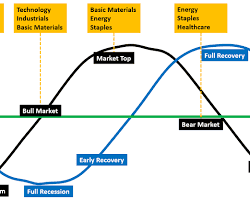
  • Market Rotation vs. Corporate Earnings

    Gear icon dikhega

    Honestly, look, everyone is talking about market rotations right now like it’s the only thing that matters. You see it everywhere—investors jumping from the big tech giants over to smaller, “value” stocks because they think the big players have peaked. But straight up, if you actually peek under the hood at the corporate earnings, a completely different story starts to emerge.

    ​It’s easy to get swept up in the hype of where the money is moving day-to-day. To be fair, prices move on vibes sometimes, but they always settle on profits in the end.

    ​The Noise of Rotation vs. The Silence of Earnings

    ​Market rotation happens when people get bored or scared of the current winners and start looking for the “next big thing.” Lately, we’ve seen a lot of folks ditching the famous tech stocks to put their cash into companies that haven’t moved in years.

    ​But here’s the thing: rotation is often just a guess. People are betting that the underdogs will finally start winning. Corporate earnings, however, aren’t a guess—they are a cold, hard fact. While the headlines say everyone is leaving tech, the earnings reports show those same tech companies are still printing money faster than anyone else. Look, if a company is making billions and its rivals are barely breaking even, which one would you actually want to own?

    ​Why Interest Rates Aren’t the Full Story

    ​A lot of this rotation is based on what people think will happen with interest rates. They say, “When rates go down, small companies do better.” Sure, that sounds good on paper. But properly speaking, a small company with a lot of debt is still a risky bet, even if rates drop a little bit.

    ​Big corporations have spent years building up massive piles of cash. They don’t need to borrow money like the smaller guys do. In fact, many of them actually make money when interest rates are high because of the interest they earn on their own savings. So, while the market rotates based on a “feeling” about the economy, the earnings show that the big players are already safe and sound.

    ​AI: Is it Just Hype or Actual Cash?

    ​There’s a lot of talk that the AI trend is over and the bubble is popping. Honestly, that’s just talk. If you read the actual earnings files, you’ll see that AI is starting to make real money.

    • The Giants: They are using AI to make their work faster and cheaper. This means their profit margins are actually going up.
    • The Tools: The companies making the chips and the software are seeing record orders.

    The market might rotate away from these stocks because they look “expensive,” but as long as the earnings keep growing, they aren’t actually as expensive as they look. To be fair, I’d rather buy a “dear” stock that makes money than a “cheap” stock that’s losing it.

    ​The Problem with the “Underdogs”

    ​The main goal of market rotation is to find “value” in smaller companies. But straight up, many of these companies are struggling. They don’t have “pricing power.” That’s a fancy way of saying they can’t raise their prices when their own costs go up because their customers will just walk away.

    ​The big brands we all know can raise prices whenever they want, and we still pay. Earnings reports are showing this gap getting wider. The small guys are getting squeezed, while the big ones stay comfy.

    ​Cash is King (And the Giants have it all)

    ​One thing people forget during these rotations is the balance sheet. When things get shaky in the world—whether it’s politics or the economy—you want to be with the company that has the most cash in the bank.

    ​Corporate earnings show that the big firms are using their extra cash to buy back their own shares and pay out dividends. This acts like a safety net for investors. Most of the companies people are rotating into don’t have that safety net. If things go wrong, they don’t have the cash to survive a rainy day.

    ​Don’t Follow the Crowd

    ​It’s tempting to follow the herd. When you see a sector jumping 5% in a week, you want a piece of the action. But look, that’s trading, not investing.

    ​Properly speaking, you should be looking at the YoY (Year over Year) growth. If a company’s profits are growing by 20% every year, but the stock price is flat because of a “rotation,” that’s actually amazing news for you. It means you can buy a great business at a fair price while everyone else is distracted by the shiny new toy.

    ​The Real Takeaway

    • Ignore the Hype: Rotation is about where people think the wind is blowing. Earnings are about where the money actually is.
    • Quality over Price: Just because a stock is “cheap” doesn’t mean it’s a good deal. Check the profit margins first.
    • Watch the Margins: If a company is making more profit on every pound they spend, they are winning.
    • Be Patient: The market can stay irrational for a while, but eventually, the stock price has to follow the earnings.

    Honestly, market rotations will come and go. Today it’s small-caps, tomorrow it’ll be something else. But if you keep your eyes on the corporate earnings, you’ll always know the real story. Don’t let the noise of the trading floor drown out the truth of the balance sheet.

    Frequently Asked Questions

    What exactly is a market rotation?
    Look, it’s basically just a fancy way of saying investors are moving their money from one sector to another. For example, they might sell their “Big Tech” stocks and buy “Small-Cap” or “Value” stocks because they think the smaller guys are due for a win. It’s like a trend in fashion—everyone starts wearing the same thing at once.

    Why do corporate earnings tell a different story?
    Straight up, because the market moves on “vibes” and “guesses,” but earnings are cold, hard facts. While people might be selling tech stocks because they feel like the growth is over, the earnings reports often show these companies are actually making more profit than ever. The “story” in the news is about the move, but the “truth” in the bank is the profit.

    Is market rotation a bad sign for the economy?
    To be fair, not necessarily. It usually just means investors are looking for better deals or are worried about things like interest rates. It can actually be a sign of a healthy market because it shows people are willing to put money into different areas, not just the top five companies.

    Should I follow the rotation and sell my big stocks?
    Honestly, that’s a personal choice, but properly speaking, you should check the earnings first. If a company is still growing its profits and has a massive moat, selling just because “everyone else is” might not be the smartest move. Don’t let the noise of the crowd drown out the logic of the balance sheet.

    What is “Pricing Power” and why does it matter?
    This is a big one. It’s the ability of a company to raise its prices without losing all its customers. Big, successful companies have it; struggling ones don’t. During a rotation, people often buy “cheap” stocks that have zero pricing power, which means their earnings will eventually get crushed by inflation.

    Note: This is for educational purposes only. Not financial advice. We are not SEBI-registered.

  • Apollo Warns: S&P 500’s K-Shaped Divide Deepens

    Big Tech vs. Everyone Else: The K-Shaped Reality of Today’s Stock Market


    K-shaped divide in the S&P 500

    ok look, to be fair, if you’ve been looking at your investment portfolio lately and wondering why the overall stock market looks amazing while your actual shares are barely moving, you aren’t alone. It’s a proper head-scratcher. As November 2025 approaches, the S&P 500 — Wall Street’s most influential index — is showing a deep fracture that investors can no longer ignore. It’s what the smart minds at Apollo Global Management are calling a corporate K-shaped economy, and honestly, the warning signs are flashing red for real.

    Picture the letter ‘K’ for a second. The top arm represents the elite winners flying straight into the clouds, powered by artificial intelligence and infinite cash. The bottom arm? That’s the rest of corporate America, traditional industries, and everyday businesses getting absolutely crushed by inflation, sticky interest rates, and consumer pullback. Apollo’s chief economist, Torsten Sløk, has been waving a massive red flag about this. He’s telling us that while seven tech giants—the magnificent seven—are raking in record profits, the other 493 companies in the index are scrambling just to keep their heads above water. Let’s dive into the raw truth of who is winning, who is losing, and how you can protect your cash before the bubble pops for real.

    ​The economics of the split: profit margins tell the tale

    ​Let’s get into it properly—this isn’t just a minor glitch or a temporary market mood swing. This is structural. If you look at the charts Apollo released, profit margins have been diverging like crazy since the start of 2025. The magnificent seven (Apple, Amazon, Google, Meta, Microsoft, Nvidia, and Tesla) now make up over 30% of the entire S&P 500’s weight. When they sparkle, the whole index looks like it’s having a party. But the reality under the hood is a proper nightmare.

    ​The thing is, tech is incredibly scalable. NVIDIA sells an AI chip at a 70% profit margin, and Microsoft pushes a software update globally without spending extra on factories or raw materials. But what about the rest of the market? The S&P 493 are facing a brutal mix of declining earnings projections, supply chain bottlenecks, and tariff risks that could carve billions out of U.S. GDP. sløk calls it a “k-shaped economy for firms,” where the corporate rich get richer, and everyone else fights for absolute scraps. It’s a tale of two very different worlds for real.

    ​The losers’ lane: why traditional giants are sinking

    ​To be fair, you can’t understand the bottom arm of the K without looking at a company like John Deere. This iconic tractor maker has been the backbone of American farming for over 180 years, but 2025 has been a savage rollercoaster for them. They had to slash their profit outlook twice this year because revenue dropped 9% year-over-year to $12.02 billion.

    ​Why is Deere struggling while Nvidia flies? because farmers are flat-out cash-strapped. Fuel is up, fertiliser is pricier, and crop yields have been hit by droughts. A basic new tractor can cost an extra $250,000 compared to a few years ago, and with credit card debt at a mind-blowing $1.23 trillion globally, people are stopping big purchases. It’s K-shaped action in the flesh: big tech sells digital dreams, while Deere sells iron that rusts if nobody has the cash to buy it. When traditional industrials lag behind like this, it’s a sign that the real economy is feeling the pinch for real.

    ​Are Investors Ignoring the Lessons of the Dot-Com Crash?

    ​Straight up, Apollo’s sløk isn’t just drawing lines on a graph; he’s warning of a massive asset bubble. He openly compares today’s intense AI hype to the infamous 1999 dot-com crash. When you see tech startups with zero profits getting valued at $14 billion, and tech executives getting $100 million signing bonuses, it screams excess.

    ​The thing is, if the top arm of the K falters—if Nvidia misses an earnings target by even a fraction or if companies realize their massive AI investments aren’t generating real revenue yet—the entire index will tank. Because the S&P 500 is so top-heavy right now, the elite seven are carrying the weight of the entire financial world on their backs. If they trip, everyone goes down with them. Honestly, chasing the top arm blindly right now is like playing musical chairs on an active volcano for real.

    ​Portfolio Survival: How to Navigate the K-Shape. 

    The thing is, you don’t have to panic, but you do need to act smart. In a market this uneven, your old investment strategy isn’t going to cut it.


    • Stop chasing the hype: Nvidia is great, but at a 70x p/e ratio, you are buying at absolute peak excitement. To be fair, caution is your best mate here.
    • Look for undervalued value: companies like Deere or big energy firms are taking a beating right now, but their fundamentals are solid for the long run. In a correction, capital usually leaves risky growth names and moves toward undervalued companies with stable cash flow.
    • diversify properly: instead of going all-in on tech-heavy indices, look at equal-weighted ETFs or broad-market funds that give you a proper safety buffer against a big tech correction.

    ​At the end of the day, today’s stock market is an optical illusion. The index looks high, but the foundation is thin. Stay informed, watch the cash flow, and remember that market seasons can turn faster than the weather in London for real.

    faq – burning questions about the s&p 500’s k-shaped divide


    1. What exactly is the K-shaped divide in the S&P 500?

    The thing is, it’s a massive split in the stock market where a handful of mega-cap tech giants (the magnificent seven) are driving all the index gains, while the other 493 companies are lagging behind or losing money. Apollo’s Torsten Sløk points out that while tech earnings forecasts are soaring, traditional businesses are watching their profit margins crumble for real.

    2. Why are companies like John Deere in the ‘losers’ lane’ right now?

    To be fair, it’s all about the real economy. Deere is dealing with cash-strapped farmers who are delaying big tractor purchases because of high input costs and weak crop yields. While tech companies can sell software updates globally with zero extra cost, industrials like Deere are getting hammered by sticky inflation and high steel prices for real.

    3. Is the current AI boom a stock market bubble?

    Honestly, Apollo is waving a massive red flag here. They are openly comparing today’s AI frenzy to the 1999 dot-com crash. When you see companies with no real profits getting multi-billion dollar valuations and insane executive bonuses, it screams excess. If the top arm of the K trips, the whole index could tank for real.

    4. How can everyday investors protect their cash in a K-shaped market?

    Straight up, stop chasing the peak hype. If you buy Nvidia at a 70x p/e ratio, you are taking a massive risk. The pro-move here is to diversify properly. Look at equal-weighted ETFs or solid value stocks like energy and industrials that are currently beaten down but have real, physical assets to back them up.

    5. Will the K-shaped economy trigger a major recession?

    The thing is, the numbers are flashing mixed signals. While consumer credit card debt has hit a staggering $1.23 trillion and youth unemployment is high, overall GDP has stayed afloat because of the top-heavy tech wealth. It’s a tale of two economies, and staying nimble with your portfolio is your best defense for real.

    This is for educational purposes only. We are not financial advisors. Results may vary based on your individual debt situation