Earning More but in Worse Shape: The Hardship Overwhelming Many American Families
Unraveling the Economic Struggles of American Households in 2025
Description: In a paradoxical twist, many American families are earning more than ever before, yet finding themselves in worse financial shape. This post explores the reasons behind this phenomenon, backed by recent data and real-life stories, offering insights and actionable steps for those facing similar challenges. Whether you’re a student, a professional, or someone navigating financial difficulties, this post provides a clear, accessible, and comprehensive look at the issue.
Introduction
Imagine a family where both parents work full-time, earning above the poverty line, yet they struggle to put food on the table, pay their mortgage, and afford basic necessities. This is the reality for millions of American families today. Despite earning more, they are in worse shape financially than ever before.
This post delves into the economic struggles of American families in 2025, exploring the paradox of earning more but feeling poorer. We’ll examine the role of inflation, policy changes, and rising costs, supported by the latest statistics and real-life examples. We’ll also connect these issues to relatable stories from India, where similar challenges are faced by families across different cultures and economies. By the end, you’ll have a clear understanding of the problem and actionable steps to navigate these challenges.
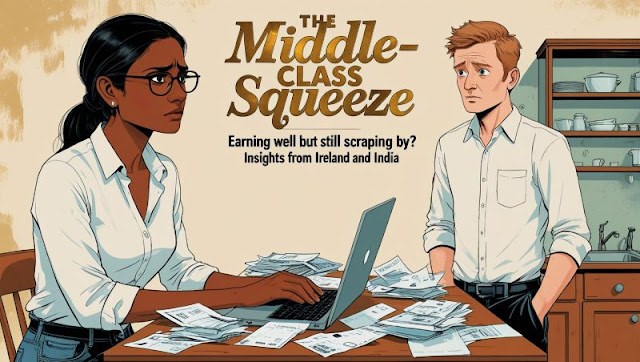
Visual: Infographic summarizing the economic paradox and its impact on American families.
The Paradox of Earning More but Feeling Poorer
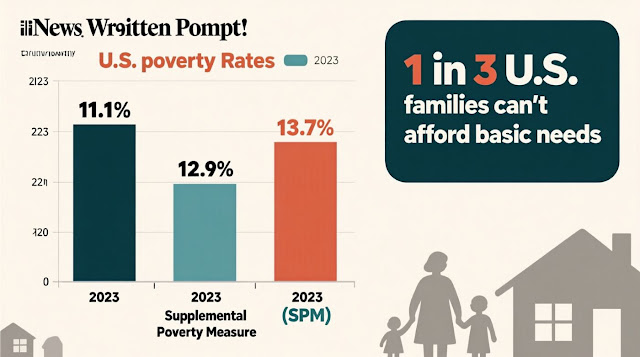
The data paints a clear picture: while nominal wages have increased, the real spending power of American families has decreased. From 2001 to 2023, real spending power fell by 4%, meaning that even though people are earning more in dollars, their money doesn’t go as far as it used to. This decline in purchasing power is a significant contributor to the financial hardship many families are experiencing.
For example, Lisa Meazler, a single mother earning $37,500 annually, owns a home but struggles with maxed-out credit cards and reliance on food assistance. Her story reflects a broader trend: nearly half of U.S. children live in households below the middle-class income threshold of $75,000 for a family of four, including benefits.
- Key Statistic: Real spending power decreased by 4% from 2001 to 2023 (CNBC).
Visual: Infographic showing the decline in purchasing power over the years.