Tag: Energy Sector

  • Shell Q4 Earnings: Can the Oil Giant Beat Again?

     Shell Under Pressure: Can the Oil Giant Beat Earnings Expectations Once Again?


    Shell announces the completion of the transaction to separate ...


    Key Points


    • Shell has a proven track record, beating earnings estimates in five of the last eight quarters, including a standout Q3 2025 result of $5.4 billion that topped even the most optimistic forecasts.
    • Despite Brent crude dropping nearly 19% in 2025 and briefly falling below $60 a barrel, Shell’s operational improvements under CEO Wael Sawan provide resilience.
    • The company continues aggressive share buybacks ($3.5 billion in recent quarters, marking 16 consecutive quarters of $3 billion or more), setting it apart from peers like BP and Chevron that have scaled back.
    • Earnings for full-year 2025 are likely down about a fifth year-on-year, with Q4 expected to be 10% lower, but upstream production gains could offset weaknesses in trading, chemicals, and downstream.
    • Shell’s Q4 and full-year 2025 results are due on 5 February 2026 – a key moment for investors watching shareholder returns and forward guidance.


    Why This Matters Now


    With oil prices under pressure and the energy sector facing uncertainty, Shell’s ability to deliver is being closely watched. The
    CNBC UK Exchange newsletter highlights the stakes: Shell has consistently outperformed, but weaker trading and lower commodity prices make another beat far from guaranteed. Investors are looking for signs that Shell can maintain its shareholder-friendly approach.

    What to Watch on Earnings Day


    Focus on upstream production (guided at 1.84-1.94 million boe/day),
    LNG volumes, share buyback commitments, and any 2026 outlook. Beating consensus estimates (around $1.21 EPS) could boost confidence in the stock.
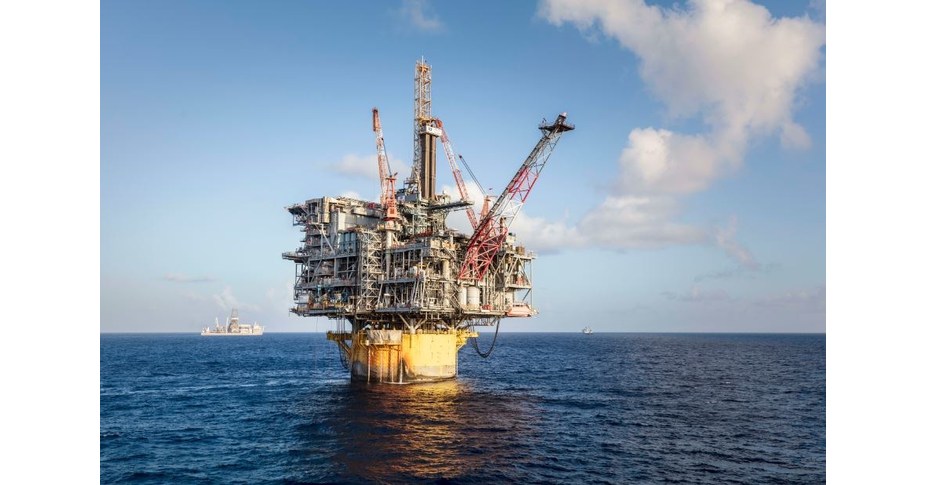
    Shell celebrates 40 years of deep-water innovation


    The Pressure’s on Shell: A Deep Dive into Earnings Expectations, Operational Strength, and What It Means for Investors


    Shell, one of the world’s leading energy companies, is once again in the spotlight. The recent CNBC UK Exchange newsletter captured the mood perfectly: “The pressure’s on Shell to beat once again.” As the company prepares to release its fourth-quarter and full-year 2025 results on 5 February 2026, investors are asking whether Shell can continue its impressive run of outperforming expectations.

    The energy sector has had a tough year. Brent crude oil prices fell nearly 19% in 2025, dipping below $60 a barrel for the first time in almost five years. This has hit earnings across the industry, with weaker trading, losses in chemicals, and lower downstream results adding to the challenges. Yet Shell stands out for its discipline. Under CEO Wael Sawan, who took the helm three years ago, the company has sharpened its operations, cut costs, and returned cash to shareholders aggressively.


    Shell’s Track Record of Beating Expectations


    Shell has beaten analyst forecasts in five of the last eight quarters. The highlight was Q3 2025, when adjusted earnings hit $5.4 billion – well above the $5.1 billion even the most bullish analysts predicted. This wasn’t luck; it reflects better expectations management and real improvements in how the business is run.

    For Q4 2025, consensus estimates point to adjusted earnings of around $1.21 per share, with revenues expected to be near $65-68 billion. While headline earnings for the full year are projected to drop about 20% from 2024 levels, and Q4 is down 10% year-on-year, the upstream segment offers hope. Production is guided at 1.84-1.94 million barrels of oil equivalent per day (higher than Q3’s 1.832 million), and LNG volumes are slightly ahead.
    (more…)

  • ONEOK’s Q2 2025 Earnings Surge on Energy Sector Tailwinds

    ONEOK’s segment-wise performance


    The Energy Giant Everyone’s Missing: Why ONEOK’s Q2 2025 Numbers Are a Massive Deal


    ​Look, I get it. Reading through an energy company’s earnings report sounds about as exciting as watching paint dry. But honestly, if you’re trying to grow your money in 2026, you can’t afford to ignore what ONEOK just did. While most people are chasing the latest AI hype, this Tulsa-based giant is quietly making a killing by moving the fuel that actually keeps the world running.

    ​Straight up, their Q2 2025 results weren’t just “good”—they were a proper statement of intent. We’re talking about a net income of $853 million and a profit jump of 22%. But beyond the spreadsheets, there’s a massive story here about global demand, smart shopping, and why even a student or a young pro should be looking at “boring” pipeline stocks.

    ​ Who is ONEOK and Why Should You Care?

    ​To be fair, ONEOK isn’t a name you’ll see on a petrol station sign like Shell or BP. They are “midstream” players. Think of them as the logistics managers of the energy world. They own over 60,000 miles of pipes. If drillers are the farmers and refineries are the supermarkets, ONEOK is the fleet of trucks that makes sure the goods actually get delivered.

    ​Whether it’s the natural gas heating a flat in London or the NGLs used to make the phone you’re holding, ONEOK is likely the one moving it. They sit right in the middle of the supply chain, and in Q2, they proved that being the “middleman” is a very profitable place to be.

    ​ The Essential Numbers You Should Know

    ​On 4th August 2025, ONEOK dropped its earnings, and the investors were buzzing. Here’s the real talk:

    • The Cash: Their adjusted EBITDA (that’s the money left over after the bills are paid) hit $1.98 billion. That is a massive 22% leap from last year.
    • The Dividend: They’re paying out $1.03 every quarter. That’s a 5% yield. In a world where savings accounts give you peanuts, getting 5% just for holding a stock is pretty decent.
    • The Efficiency: They managed to pay down nearly $600 million in debt. They aren’t just making money; they’re cleaning up their house.

     Why the Profits Surged (The “Shopping” Effect)

    ​You might wonder how a pipeline company suddenly grows by 22% in a year. Honestly, it’s because they’ve been shopping. In May 2025, they secured complete ownership of Delaware G&P in the Permian Basin. For those who don’t know, the Permian is the “holy grail” of American oil and gas.

    ​By owning the whole thing, they added $89 million to their profits in just a few months. It was a chess move while everyone else was playing checkers. They also grabbed a bigger slice of the BridgeTex pipeline, which moves crude oil straight to the Gulf Coast for export. It’s all about scale—the bigger the network, the more “tolls” they collect.

    ​ The “India Factor” and Global Demand

    ​Here’s something most people miss: what happens in Mumbai affects what happens in Oklahoma. India’s energy demand is set to skyrocket by 60% by 2030. They need gas for factories, cooking, and power.

    ​ONEOK is perfectly positioned for this because of its export terminals on the Gulf Coast. When India buys more gas, it flows through ONEOK’s pipes. For an investor, this means you aren’t just betting on the US economy; you’re betting on the growth of 1.4 billion people on the other side of the planet.

    ​ Is Energy Still “Green” Enough?

    ​Look, we all want a cleaner planet. Some people think pipeline companies are dinosaurs, but ONEOK is actually leading the way on the “ESG” front. They’ve got an AAA rating from MSCI. That’s top-tier stuff.

    ​They aren’t just blowing smoke; they’re using drones to find leaks and building plants that can handle carbon capture. They’re proving that you can be an oil and gas powerhouse while still playing by the new rules of the 21st century. For younger investors who care about the planet but still want to make a profit, this is the “Goldilocks” zone.

    ​ A Closer Look at the Business Segments

    ​To properly understand the growth, you’ve got to see where the money comes from. ONEOK isn’t a one-trick pony:

    • Natural Gas Liquids (NGL): This is their bread and butter. It brought in $673 million. These are the liquids used for plastics and heating.
    • Refined Products: This segment surged because of the new acquisitions. They moved more petrol and diesel during the summer driving season than ever before.
    • Gathering and Processing: This was the star of the show, growing by 46% year-over-year.

     What About the Risks?

    ​It wouldn’t be fair to tell you it’s all sunshine and rainbows. Energy prices can be volatile, and governments love to change the rules on pipelines. If there’s a massive global recession, demand for gas drops.

    ​However, ONEOK has a “fortress” balance sheet. 90% of their contracts are “fee-based,” which means they get paid for the volume of gas moved, not the price of the gas itself. Even if gas prices tank, as long as people are still using it, ONEOK gets its cut.

    ​ The Investor Playbook: What Should You Do?

    ​If you’re looking at these Q2 2025 numbers and wondering if you should jump in, here is a bit of friendly advice:

    1. Don’t Chase the Hype: ONEOK is a “slow and steady” winner. It’s perfect for a “buy and hold” strategy.
    2. Reinvest the Dividends: Use the $1.03 payouts to buy more shares. In 10 years, you’ll thank yourself.
    3. Watch the Global Trends: If you see India or China signing more gas deals, know that it’s good news for ONEOK.

     Looking Forward to the Rest of 2025 and 2026

    ​The company hasn’t changed its targets for the year, which shows they are confident. They’re expecting to finish 2025 with around $8 billion in total profit. With new projects like the Elk Creek pipeline coming online soon, the growth isn’t stopping anytime soon.

     The Bottom Line

    ​Honestly, ONEOK’s Q2 2025 report is a roadmap for how energy companies can survive and thrive. They’ve got the assets, they’ve got the cash, and they’ve got the global links. Whether you’re a seasoned pro or just starting out, this is a company that deserves a spot in the conversation.

    FAQs for the Savvy Investor


    Were the Q2 earnings a beat? 
    Yeah, they hit $1.34 per share, beating what the “experts” predicted.
    Why did the stock price dip slightly after? 
    Sometimes the market “sells the news,” but the long-term fundamentals are still rock solid.
    How does India’s growth help? 
    More exports mean more volume through ONEOK’s Gulf Coast pipes. Higher volume = higher “tolls.”

    Note: This is for educational purposes only. Not financial advice. We are not SEBI-registered.

  • Exxon Q2 2025: Making Billions in Oil

     Exxon’s Q2 2025 Results: How They Made Billions While Oil Prices Dropped


    Exxon Mobil headquarters building with rising stock

     Let’s be real for a second. When oil prices go down? Most energy companies start crying. They talk about “tough quarters” and “market headwinds.” But honestly? Exxon is built differently. I was checking their latest August 2025 numbers. Even though oil was cheaper? These guys actually smashed what the experts were expecting. It’s like that one student in your class. The one insisting they didn’t prepare. But then? They topped the exam. Believe me. Whether you’re an investor or just curious about how global giants work? There’s a proper lesson here. How to stay winning when the market is shaky.

     The Numbers: Smashed It (No Boring Stuff)

    ​Straight up. Exxon made $7.1 billion in just three months. To be fair? That’s less than last year. But mind you. Oil prices fell by 10 percent.

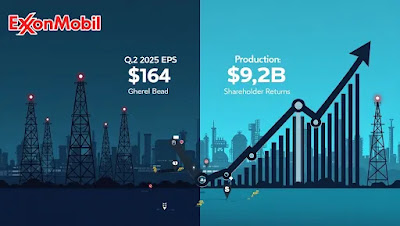
    ​Earnings per Share – They hit $1.64. The “experts” thought they’d only reach $1.54. Properly smashed it.

    ​Production Records – They are pumping 4.6 million barrels a day. Highest since they merged with Mobil. Decades ago.

    ​Cash for Shareholders – They gave away $9.2 billion. Dividends. Share buybacks. That’s quite a hefty sum of “pocket money” from an investor’s perspective.

     How Did They Actually Do It? (The Secret Sauce)

    ​Honestly? It wasn’t magic. Or luck. Just smart planning.

    The Permian Power – They pumped a record 1.6 million barrels from the Permian Basin. This is a huge oil field in the US. It’s their cash cow right now. Pumping oil there is cheaper. And faster.

    ​Refining Win – Here’s the clever part. Selling raw oil was less profitable. But their refineries? Where do they turn oil into petrol and diesel? They earned 44 percent more. When does one side go down? The other goes up. Properly balanced.

    ​Cutting the Fluff – They are obsessed with saving money. Since 2019? They’ve cut $13.5 billion in costs. They don’t just spend. They optimize. Every dollar matters.

     Why This Matters to You in India

    ​You might think. “Bhai, Exxon is a US company. Why should I care?” But look at the bigger picture. It hits home.

    ​Energy Security – When a giant like Exxon pumps more oil? Global supply stays steady. This means petrol prices at your local pump in India? They don’t go totally crazy. It keeps things predictable.

    ​A Lesson for Business – Look at Priya. She runs a small textile brand in Bengaluru. When raw material prices went up? She didn’t just raise her prices. She cut her internal waste by 20 percent. Exactly like Exxon. Now? She’s more profitable than ever. It’s about being efficient.

    ​Investment Vibe – Indian investors are looking at US stocks more than ever. Exxon is like that “Safe Bet.” With a 3.8 percent dividend? It’s like getting a steady rental income. From a house you don’t even have to manage.

     The Real Struggle: Navigating the 2025 Market

    ​Let’s talk about the reality. 2025 hasn’t been easy for the energy sector. Geopolitical tensions. Trade wars. It’s a mess.

    ​Exxon’s CEO said they focus on “things they can control.” They can’t control the price of oil. But they can control how much it costs to dig it up. That is the mindset we need. In our careers. In our businesses.

    ​If you’re a professional in India? Think about your “operational costs.” Are you spending too much time on things that don’t pay off? Exxon cut $1.4 billion just this year. What can you cut to be more productive?

     What Should Investors Do Now? (Actionable Advice)

    ​Look. Don’t just jump in blindly. Keep these things in mind.

    ​Watch the Oil Taps – Keep an eye on OPEC Plus. If they decide to cut production again? Oil prices might jump. And Exxon? They will make even more money.

    ​Focus on the Long Game – They want to cut another $4.5 billion in costs by 2030. They are playing for the next decade. Not just the next month. Patience is key.

    ​Diversify Properly – Honestly? It’s wise not to concentrate everything on oil. Combine a steady giant like Exxon with some tech or green energy stocks. Keep your portfolio safe.

     The “Green” Question: Is Oil Finally Dying?

    ​Exxon is starting projects like renewable diesel in Canada. And carbon capture. But let’s be real. Their heart? And their money? It is still very much in oil and gas for now.

    ​They are betting that the world will still need oil for a long time, even with EVs. They are investing $27 billion to $29 billion this year alone. That’s a huge bet on the future of energy.

     Conclusion: A Proper Energy Beast

    ​Exxon’s Q2 2025 report shows one thing. They know how to navigate a storm. By cutting costs. Pumping more than ever. They’ve proven they aren’t going anywhere. For us in India? It’s a reminder. Staying efficient is essential for survival. Especially when the world gets volatile.

    Call to Action:

    Are you investing in energy stocks? Or do you think the future is all about EVs and Solar? Drop a comment below. Let’s discuss if oil giants like Exxon are still a good bet in late 2025!

    FAQ: Quick Doubts Cleared


    Q: How did Exxon beat earnings estimates in Q2 2025 despite lower oil prices?

    ​Honestly, it was a mix of record-breaking production in the Permian Basin and massive cost-cutting. While crude oil prices dropped, Exxon’s refining business (where it makes petrol and diesel) earned 44% more. This properly balanced their total profits and kept them ahead of the game.

    Q: What was Exxon’s total production in the second quarter of 2025?

    ​Exxon reported a massive production level of 4.6 million oil-equivalent barrels per day. Mind you, this is the highest production level since the Exxon-Mobil merger decades ago. Most of this growth came from their big projects in Guyana and the Permian Basin.

    Q: How much money did Exxon return to shareholders in Q2 2025?

    ​They distributed a total of $9.2 billion to their shareholders this quarter. This included $4 billion in dividends and $5 billion in share repurchases. They are properly on track to hit their $20 billion annual target for buybacks.

    Q: Is ExxonMobil shifting its focus to renewable energy in 2025?

    ​To be fair, they are starting projects like renewable diesel and carbon capture. But let’s be real—their main focus and the majority of their $27-$29 billion spending for 2025 is still properly dedicated to oil and gas production. They are betting that the world will need oil for a long time.

    Note: This is for educational purposes only. Not financial advice. We are not SEBI-registered.