Tag: Financial Analysis

  • The 4.8x Housing Lie: Why Markets are Broken

    The 4.8x Housing Illusion: A Deep Dive into Market Divergence


    4.8x" label family trying to push a giant golden house uphill.

    Looking at the latest macro data can be a bit like reading a map upside down. On paper, the numbers are telling us that the US housing market is cooling off. The latest metrics show that the median home price has dropped to 4.8 times the median household income, down significantly from the 6x peak we saw in late 2022.

    ​But if you look closer at the actual transaction data, you’ll find a massive gap between what the charts say and what people are actually paying. Properly speaking, this “4.8x” figure is more of a statistical shadow than a reality for the middle class. As a financial analyst, it is my job to look past the headline numbers and see where the actual capital is flowing.

    The Statistical Trap: Why ‘Median’ is Misleading

    ​Listen, the biggest issue with using a national median is that it flattens out the most important details. In the current economic climate, we are seeing what we call a “K-shaped” housing market. In rural areas or declining industrial zones where demand has cratered, prices are falling sharply. That downward pressure is what’s dragging the national average towards that 4.8x mark.

    ​However, in core metropolitan hubs—the places where the high-paying jobs and modern infrastructure actually exist—prices have remained stubbornly high. To be fair, you cannot buy a house based on a national average. If the affordable housing inventory is located in a region with zero economic growth or job prospects, it does nothing to help the professional worker in a high-growth city. We are seeing a dangerous divergence where the data says “affordable,” but the actual available inventory in desirable zip codes is anything but.

    The Mortgage Rate Wall

    ​Here is the part that often gets buried in the fine print of these economic reports: the total cost of borrowing. A house isn’t just its sticker price; it’s the total cost of the capital used to carry that asset over thirty years.

    ​Even though the price-to-income ratio has dipped, interest rates have moved aggressively in the opposite direction. Properly speaking, a 7% mortgage on a $400,000 home is significantly more painful than a 3% mortgage on a $500,000 home. When you run the numbers on the monthly debt service, the “affordability” has actually decreased for the average buyer. The chart shows a healthy correction, but the average family’s bank statement shows a liquidity crisis. We are trading lower purchase prices for much higher long-term interest obligations.

    Institutional Encroachment and the Supply Gap

    ​One of the most concerning trends in our current research is the structural shift in ownership patterns. We are seeing a massive influx of institutional capital—pension funds and private equity—into the residential sector. These large-scale firms are not targeting “Luxury” assets; they are aggressively bidding on the “Starter Home” segment.

    For Sale" sign in house in the background

    These firms often come to the table with all-cash offers, completely bypassing the traditional mortgage hurdles that slow down a regular family. This creates an artificial floor for prices. Even if demand from regular families drops due to high rates, these corporations step in to sweep up the remaining inventory, turning potential family equity into permanent rental income for their shareholders. This isn’t just a temporary market cycle; it’s a fundamental shift in how residential wealth is being consolidated.

    The Missing Middle and Regulatory Friction

    ​To be fair, we also have to address the chronic supply-side failure. For decades, the “Missing Middle” has been systematically ignored by developers. Due to restrictive zoning laws, high land costs, and expensive building codes, developers are incentivized to build either high-end luxury estates or high-density, low-income rental units.

    ​The 1,500-square-foot family home—the very backbone of middle-class wealth building—is simply not being constructed at the scale required to meet demand. When you have a massive shortage of the specific product the majority of the population wants, the price will remain elevated regardless of what the “median” chart suggests. We are essentially oversupplied in mansions and undersupplied in modest, functional homes.

    The Hidden Cost of Insurance and Taxes

    ​Properly speaking, we cannot discuss affordability without mentioning the “hidden” carry costs. In 2026, we are seeing property insurance premiums skyrocket in major markets due to climate risks and rising replacement costs. In some states, insurance costs have doubled in just twenty-four months.

    ​When you add these rising insurance premiums and property tax adjustments to the high interest rates, the “4.8x” price-to-income ratio starts to look completely irrelevant. The total cost of carry—the money leaving your pocket every month—is at an all-time high. A first-time buyer today isn’t just fighting the purchase price; they are fighting an entire ecosystem of rising secondary costs that the national charts simply ignore.

    The Verdict for 2026

    ​As we move further into the year, investors and families must remain skeptical of top-level macro data. The 4.8x ratio is a distraction from the structural issues that truly define this market: high interest rates, institutional competition, and a chronic lack of mid-range supply.

    ​Properly speaking, the market isn’t “fixing itself”—it’s becoming more exclusive and more difficult to navigate for anyone who doesn’t have a massive cash reserve. Until we see a significant pivot in interest rate policy or a genuine legislative push to increase mid-market construction, that “correction” on the chart will remain a mathematical illusion. My advice is to ignore the national noise. Focus strictly on localized cash flow, specific neighborhood inventory, and your actual monthly carry capacity. The math has to work for your personal balance sheet, not just on a trend line in a government report.

    FAQ Text for Your Blog


    Q: Why does the chart say housing is more affordable if my rent is still going up?

    To be fair, the chart tracks the “purchase price” of homes across the entire country. It doesn’t track the cost of renting or the cost of living in high-demand cities. While prices might be flat or falling in some areas, the demand for rentals in major cities remains high, keeping rents elevated even if the buying market looks “cheaper” on paper.

    Q: Is 2026 a good time to buy a home if the ratio is at 4.8x?

    Properly speaking, the ratio alone shouldn’t be your guide. You have to look at the interest rates and your total monthly payment. If your mortgage interest is high, the “lower” price doesn’t actually save you money. You should only buy if you plan to hold the property for at least 7-10 years and the monthly payment is well within your budget.

    Q: Will the “Missing Middle” homes ever be built?

    Listen, it depends on local government policy. Until zoning laws are changed to allow for more mid-sized homes and duplexes, developers will continue to focus on high-profit luxury projects. We are starting to see some changes in certain states, but it will take years for that new supply to actually hit the market.

    Note: This is for educational purposes only. Not financial advice. We are not SEBI-registered.
  • Market Rotation vs. Corporate Earnings

    Gear icon dikhega

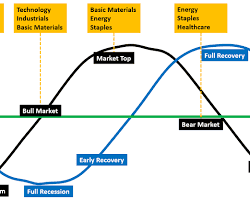
    Honestly, look, everyone is talking about market rotations right now like it’s the only thing that matters. You see it everywhere—investors jumping from the big tech giants over to smaller, “value” stocks because they think the big players have peaked. But straight up, if you actually peek under the hood at the corporate earnings, a completely different story starts to emerge.

    ​It’s easy to get swept up in the hype of where the money is moving day-to-day. To be fair, prices move on vibes sometimes, but they always settle on profits in the end.

    ​The Noise of Rotation vs. The Silence of Earnings

    ​Market rotation happens when people get bored or scared of the current winners and start looking for the “next big thing.” Lately, we’ve seen a lot of folks ditching the famous tech stocks to put their cash into companies that haven’t moved in years.

    ​But here’s the thing: rotation is often just a guess. People are betting that the underdogs will finally start winning. Corporate earnings, however, aren’t a guess—they are a cold, hard fact. While the headlines say everyone is leaving tech, the earnings reports show those same tech companies are still printing money faster than anyone else. Look, if a company is making billions and its rivals are barely breaking even, which one would you actually want to own?

    ​Why Interest Rates Aren’t the Full Story

    ​A lot of this rotation is based on what people think will happen with interest rates. They say, “When rates go down, small companies do better.” Sure, that sounds good on paper. But properly speaking, a small company with a lot of debt is still a risky bet, even if rates drop a little bit.

    ​Big corporations have spent years building up massive piles of cash. They don’t need to borrow money like the smaller guys do. In fact, many of them actually make money when interest rates are high because of the interest they earn on their own savings. So, while the market rotates based on a “feeling” about the economy, the earnings show that the big players are already safe and sound.

    ​AI: Is it Just Hype or Actual Cash?

    ​There’s a lot of talk that the AI trend is over and the bubble is popping. Honestly, that’s just talk. If you read the actual earnings files, you’ll see that AI is starting to make real money.

    • The Giants: They are using AI to make their work faster and cheaper. This means their profit margins are actually going up.
    • The Tools: The companies making the chips and the software are seeing record orders.

    The market might rotate away from these stocks because they look “expensive,” but as long as the earnings keep growing, they aren’t actually as expensive as they look. To be fair, I’d rather buy a “dear” stock that makes money than a “cheap” stock that’s losing it.

    ​The Problem with the “Underdogs”

    ​The main goal of market rotation is to find “value” in smaller companies. But straight up, many of these companies are struggling. They don’t have “pricing power.” That’s a fancy way of saying they can’t raise their prices when their own costs go up because their customers will just walk away.

    ​The big brands we all know can raise prices whenever they want, and we still pay. Earnings reports are showing this gap getting wider. The small guys are getting squeezed, while the big ones stay comfy.

    ​Cash is King (And the Giants have it all)

    ​One thing people forget during these rotations is the balance sheet. When things get shaky in the world—whether it’s politics or the economy—you want to be with the company that has the most cash in the bank.

    ​Corporate earnings show that the big firms are using their extra cash to buy back their own shares and pay out dividends. This acts like a safety net for investors. Most of the companies people are rotating into don’t have that safety net. If things go wrong, they don’t have the cash to survive a rainy day.

    ​Don’t Follow the Crowd

    ​It’s tempting to follow the herd. When you see a sector jumping 5% in a week, you want a piece of the action. But look, that’s trading, not investing.

    ​Properly speaking, you should be looking at the YoY (Year over Year) growth. If a company’s profits are growing by 20% every year, but the stock price is flat because of a “rotation,” that’s actually amazing news for you. It means you can buy a great business at a fair price while everyone else is distracted by the shiny new toy.

    ​The Real Takeaway

    • Ignore the Hype: Rotation is about where people think the wind is blowing. Earnings are about where the money actually is.
    • Quality over Price: Just because a stock is “cheap” doesn’t mean it’s a good deal. Check the profit margins first.
    • Watch the Margins: If a company is making more profit on every pound they spend, they are winning.
    • Be Patient: The market can stay irrational for a while, but eventually, the stock price has to follow the earnings.

    Honestly, market rotations will come and go. Today it’s small-caps, tomorrow it’ll be something else. But if you keep your eyes on the corporate earnings, you’ll always know the real story. Don’t let the noise of the trading floor drown out the truth of the balance sheet.

    Frequently Asked Questions

    What exactly is a market rotation?
    Look, it’s basically just a fancy way of saying investors are moving their money from one sector to another. For example, they might sell their “Big Tech” stocks and buy “Small-Cap” or “Value” stocks because they think the smaller guys are due for a win. It’s like a trend in fashion—everyone starts wearing the same thing at once.

    Why do corporate earnings tell a different story?
    Straight up, because the market moves on “vibes” and “guesses,” but earnings are cold, hard facts. While people might be selling tech stocks because they feel like the growth is over, the earnings reports often show these companies are actually making more profit than ever. The “story” in the news is about the move, but the “truth” in the bank is the profit.

    Is market rotation a bad sign for the economy?
    To be fair, not necessarily. It usually just means investors are looking for better deals or are worried about things like interest rates. It can actually be a sign of a healthy market because it shows people are willing to put money into different areas, not just the top five companies.

    Should I follow the rotation and sell my big stocks?
    Honestly, that’s a personal choice, but properly speaking, you should check the earnings first. If a company is still growing its profits and has a massive moat, selling just because “everyone else is” might not be the smartest move. Don’t let the noise of the crowd drown out the logic of the balance sheet.

    What is “Pricing Power” and why does it matter?
    This is a big one. It’s the ability of a company to raise its prices without losing all its customers. Big, successful companies have it; struggling ones don’t. During a rotation, people often buy “cheap” stocks that have zero pricing power, which means their earnings will eventually get crushed by inflation.

    Note: This is for educational purposes only. Not financial advice. We are not SEBI-registered.

  • Oracle’s Q2 2025: Expectations vs Reality

     What Wall Street Analysts Expected from Oracle’s Q2 2025 Earnings – And Why Reality Bit Back

    ultra-detailed financial newsroom
    • Analysts eyed strong AI-driven cloud growth, but a revenue miss and $15B CapEx hike led to an 11% stock plunge.
    • EPS beat expectations at $2.26 vs. $1.64 forecast, though boosted by a one-time $2.7B gain.
    • Remaining Performance Obligations (RPO) soared 438% to $523B, signalling big future deals with OpenAI and Meta.
    • Debt and spending concerns overshadowed positives, raising questions about the sustainability of Oracle’s AI strategy.
    • Guidance for Q3 disappointed, with revenue growth at 16-18% below the 19% Wall Street hoped for.

    Imagine this: It’s a crisp autumn evening in Silicon Valley, and the tech world is buzzing. Oracle, the quiet giant behind so much of the software that powers our daily lives – from banking apps to hospital records – is about to drop its latest earnings report. Wall Street analysts have been poring over spreadsheets, whispering about artificial intelligence (AI) deals that could reshape the cloud computing landscape. Deals with heavyweights like OpenAI, xAI, and Meta have everyone talking. Could Oracle finally step out of the shadows of Amazon and Microsoft, grabbing a bigger slice of the $500 billion AI cloud pie?

    But here’s the hook that keeps investors up at night: In the race for AI supremacy, is Oracle sprinting too fast? Its stock has rocketed over 30% in 2025 alone, fuelled by promises of explosive growth in Oracle Cloud Infrastructure (OCI). Yet, whispers of mounting debt – now topping $99 billion – and eye-watering capital expenditures (CapEx) have turned optimism into caution. As the clock ticks towards the after-market close on Wednesday, December 10, 2025, analysts are united on one thing: This earnings call isn’t just about numbers. It’s a litmus test for whether Oracle’s AI bet is a goldmine or a black hole.

    Let’s rewind a bit. Oracle isn’t new to the game. Founded in 1977, it’s the daddy of relational databases, the tech that lets companies store and sift through mountains of data without breaking a sweat. But in 2025, the story has shifted. AI isn’t just a buzzword; it’s the engine driving everything from chatbots to self-driving cars. Oracle’s pivot to cloud services, especially OCI, positions it smack in the middle of this frenzy. Partnerships announced earlier this year – think a multi-billion-dollar tie-up with OpenAI to host ChatGPT’s backend – sent shares soaring. Analysts at Wells Fargo even predicted OCI’s market share could balloon from 5% to 16% by 2029. That’s huge, considering giants like AWS and Azure dominate 60% of the market.

    Yet, as we edge closer to the report, tension builds. Traders are pricing in a whopping 10.5% swing in the stock price post-earnings – the biggest move expected this season. Why? Because Oracle’s not just reporting quarterly figures; it’s laying out its war chest for AI. Will we see proof of broad-based demand, or more red flags on how it’ll fund the $35 billion (or more?) in data centre builds? Over the past few months, the stock has wobbled. A September peak gave way to a 33% drop by early December, as investors fretted over debt piles and unclear timelines for AI returns.

    (more…)

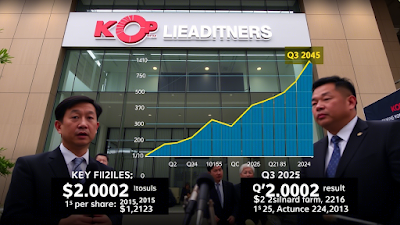
  • KOP Limited’s Q3 2025 Earnings

      KOP Limited: Tough Times or a Hidden Chance?


    KOP Limited Singapore

    Think of it like this. You bet on a runner, and then he trips on his own shoes. That’s KOP Limited right now. Their Q3 2025 numbers just came out, and let’s be real – they don’t look great. Losses went up. Revenue fell hard. If you’ve put money in this or you just follow the Singapore market, stay with me. There’s more to it than just the bad news.
    A lot of people see the numbers and panic. Look closer, and you might spot something different.
    A chance. A turnaround story. Not every company that struggles is dying. Some are just going through a bad phase. And KOP looks like one of those.

    So, Who Is KOP?

    First, let’s understand who these guys are. You can’t just look at a spreadsheet and judge a company. KOP isn’t some boring normal business. They build fancy stuff – high-end resorts, luxury apartments, top-class entertainment spots. They sell the good life.
    Think about the nicest hotel you’ve ever seen. Or that apartment building that looks way too expensive for regular people. That’s what KOP does. They create places where rich people want to spend their money. And for a while, that worked really well.
    But here’s the problem. Selling the good life gets hard when everyone is feeling broke. People watch their spending. Luxury travel is the first thing they cut. So KOP isn’t just fighting their own numbers. They’re fighting the whole mood of the world.
    When the economy goes down, rich people still have money. But even they get careful. They don’t book the most expensive suite. They don’t buy that extra condo. And that hits KOP right in the pocket.

    Let’s Look at the Damage

    The Q3 2025 numbers say this. Net loss was S$0.002 per share. That sounds like small change, right? But last year at the same time, it was only S$0.001. So it doubled. That’s why people are worried.
    Doubling your losses in one year is never a good sign. It means things are getting worse, not better. For a small investor, that can be scary. You start asking yourself – should I get out now? Or should I wait?
    And revenue? It fell 75% to S$4.90 million. That’s a big drop. No other way to say it. Imagine a big movie that everyone thought would be a hit, but almost nobody came to watch. The hospitality and real estate sectors are moving really slowly right now.
    Seventy-five percent is huge. If you used to make twenty dollars, now you’re making only five. That hurts any business. And KOP is feeling that pain.
    The sectors they rely on – hotels, resorts, luxury homes – are basically stuck in slow motion. People aren’t traveling like before. They aren’t buying second homes. And that means KOP’s cash flow is drying up.

    Why Is Money Leaking Out?

    Running a luxury business in 2026 isn’t easy. Costs stay high even when the money coming in is low. Here’s why.
    First, good hotel staff is expensive. With everything getting costlier, KOP has to pay more just to keep its people. If you don’t pay well, good workers leave. And in the luxury business, bad service kills you. So they have no choice.
    Second, the supply chain is a headache. Imported marble, fancy furniture, electricity for AC – everything costs more than two years back. Even simple things like bedsheets and towels cost more now. It adds up fast.
    Third, interest rates. Property companies take loans. When central banks raise rates to fight inflation, those loans get heavier to carry. Every month, more money goes to the bank instead of to growing the business.
    And there’s a fourth reason no one talks about much. The competition. Other luxury brands are also struggling. So they’re all fighting for the same few customers. That means price cuts. And price cuts mean lower profits.
    So yeah, money is leaking from many holes. Plugging one doesn’t fix the others. That’s why KOP’s losses doubled.

    The Strange Part – Market Reaction

    You’d think bad news would make investors run away. But no. The stock price actually went up about 42% in the week after the report. Weird, right?
    Here’s the thing. The stock market always looks ahead, like six months into the future. Investors don’t like the loss today. But they like the company’s plan to cut costs. KOP is going on a diet. Cutting useless spending. Getting back to basics. The market thinks a leaner KOP will win by 2026.
    Think of it like this. A fat company spends money everywhere. A lean company spends only on what matters. Investors are betting that KOP will come out of this tough time stronger, not weaker.
    That 42% jump tells you something. It tells you that people with money believe in the recovery. They’re not just guessing. They’ve seen this pattern before. A company hits bottom, cuts costs, and then slowly climbs back up.

    The Road to 2026 – Can They Fix It?

    Management isn’t giving up. They have a clear target – breakeven by 2026. That’s a big ask. But here’s their plan.
    Cutting the fluff. Every expense gets checked. If it doesn’t help the company grow or save money, it’s gone. No more fancy office parties. No more unnecessary travel. Just the basics.
    Smart pivoting. They’re looking for new ways to make money that don’t just depend on rich people buying condos. Maybe new partnerships. Or tech-based hospitality ideas. For example, running a hotel for remote workers. Or building smaller luxury spots in cheaper locations.
    Better logistics. They want to move products and manage projects faster so they stop losing money to delays. If a project finishes late, costs go up. So they’re fixing that.
    The big question is – can they do it? Plans look good on paper. But doing it in real life is harder. Still, they have assets. They have land. They have buildings. They’re not starting from zero.

    What Should a Normal Investor Do?

    If you’re checking your portfolio and wondering about KOP, here’s some friendly advice.
    Be patient. This won’t get fixed in one day. If you want quick profits, look somewhere else. This is a long game. Think years, not weeks.
    Use DCA. That means dollar-cost averaging. Buy small amounts over time instead of putting in a big chunk all at once. It helps with the ups and downs. When the price drops, you buy a little. When it goes up, you still buy a little. It evens out.
    Keep watching. Don’t just follow KOP news. Look at the global travel industry. If luxury travel picks up again in Asia, KOP will likely be one of the first to benefit. Watch for news about rich tourists coming back to Singapore. That’s your early signal.
    And one more thing. Don’t put all your money in one place. Even if you like KOP, keep other investments too. Spread your risk.

    Quick Look at the Numbers

    Here’s a simple table to help you see how things changed from last year to this year.
    Feature                         Q3 2024                         Q3 2025                    What It Means
    Net Loss S                    $0.001 S                          $0.002                  Doubled in one year
    Revenue About S          $19.6M S                       $4.90M                75% drop – ouch!
    Share Price                   Stable Up and down       (+42%)              Investors betting on 2026
    Main Focus:                 Growing big,               cutting costs,          ts Survival mode now
    The table tells the whole story in one place. Losses up. Revenue down. But investors still have hope. That hope is the only reason the stock didn’t crash.

    FAQ: Your Top Questions Answered

    Is KOP Limited in real trouble?
    Yes, they are in a tough spot. Doubling your losses while revenue drops by 75% is never a good day at work. But they still have big assets like property and a clear plan to cut costs. So they are still in the fight. Not dead yet.
    Why did the stock price go up if they lost money?
    It sounds backwards, I know. But investors often buy the “recovery story” instead of looking at today’s numbers. The market liked that management was open about cutting costs and aiming to break even by 2026. That gave people hope.
    What’s the biggest risk right now?
    The global economy. If interest rates stay high and people keep cutting back on luxury spending, KOP’s road to recovery will be much slower and harder. That’s the real danger.
    How does this compare to other companies?
    It’s mixed. Big players in the hospitality world stay stable because they are huge. Smaller, niche companies like KOP feel every bump in the road much more. They go up and down faster.
    Should I jump in and buy now?
    That depends on you. Do you like turnaround stories? Can you handle the price swinging around? Then it’s an interesting pick. But if you prefer steady, boring profits, wait until they actually show a paper profit. No shame in waiting.
    At the end of the day, KOP is a company that’s changing. They’ve had a rough time. The losses are real. But their future plan is starting to take shape. The big question is – can they really make the comeback by 2026?
    Nobody knows for sure. But if you like turnaround stories, and you can handle some ups and downs, KOP might be worth a small bet. Just don’t go all in. Watch, wait, and buy a little at a time.
    That’s the smart way to play this game.

    Note: This is for educational purposes only. Not financial advice. We are not SEBI-registered.