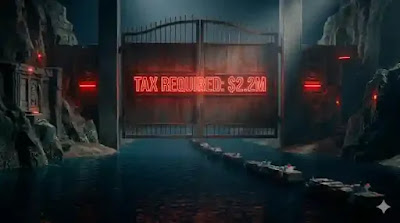
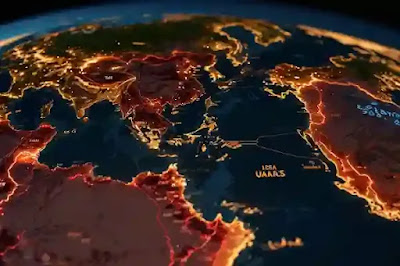
The Middle East Power Play: Why Established Businesses are Being Uprooted in the UAE
Ok, so look, honestly, most of us think if you have lived in a place for thirty years, built a solid business from scratch, even taken citizenship, you are basically safe. Like part of the furniture. But bro, the reality of 2026 global politics is hitting different. Likewise,e no travel brochure is gonna tell you this. What is happening in the UAE right now is not some boring policy thing discussed in boardrooms. It is a massive financial shock to families who have spent their entire lives building from zero.
I’m gonna say it straight up. We are seeing established businessmen – people who ran local grocery shops and trade hubs for decades – suddenly watching their whole world flip upside down. It’s hitting certain communities really badly, especially those who called the Gulf home for generations but now find themselves on the wrong side of some diplomatic line. This isn’t a glitch. This is a full shift changing the DNA of how business works in the Middle East.
The Diplomatic Tightrope: MBS and the New Gulf Reality
Look, if you check recent reports from Arab News and stuff, you can feel the pressure. MBS is working double shifts, trying to handle the fallout from that conflict that started Feb 28. SaudiArabia is pushing hard for a diplomatic fix to keep the region stable, but the tension level is so high that it’s creating a messy ripple effect, hitting neighbours like the UAE.
Here’s the thing. Whenever big regional powers shift their weight, small business owners on the ground feel the heat first. It’s not about trade balances or GDP anymore. It’s about blind political loyalty now. If a state decides some community’s background is a “security risk” because of the ongoing war with Iran, they don’t have to wait for court dates. They take the most drastic measures. This security-first vibe is making the Gulf look less like a business hub and more like a fortress every single day, honestly.
The Forced Exit: Uprooting established lives and legacy
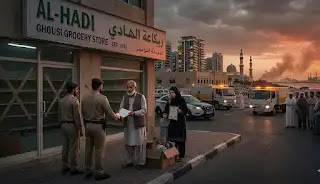
This part is actually heartbreaking, asking bro. And honestly, it should scare anyone who has assets in a foreign country. We are not talking about temporary guest workers who can pack one bag and leave. We are talking about businessmen who had UAE nationality, owned established shops, and were part of the local fabric forever. Like, imagine running a successful grocery store for 30 years. You know every customer by name. Your kids grew up in those aisles. And then one day,y they tell you your citizenship is gone and your bank accounts are seized.
To be fair, the UAE worked super hard for years to be seen as a “global business haven”. A place where your money is always safe. But this current move tells a completely different and darker story. If a long-term businessman can be uprooted just because of his identity or where his family originally came from, that creates a wave of fear for every international investor. Once the rule of law starts feeling unpredictable and based on who you are instead of what you do, the economic damage can last ten years. Why would a tech giant invest billions if rules can flip overnight because of a regional war?
The Economic Disaster for Pakistan’s Financial Pillars
Straight up, this is a double blow that many people haven’t fully crunched numbers on yet. Pakistan relies on these established Gulf businessmen as a major,r rock-solid financial pillar. These guys don’t just send small change back home. They are the actual backbone of Pakistan’s overseas economic strength. They invest in local property, they seed new businesses, and they keep foreign exchange moving when the economy at home is struggling.
The ripple effect is massive. When those shops in Dubai or Abu Dhabi close down, the flow of foreign exchange to Pakistan takes a direct, painful hit. Inflation is already at record high levels. Losing these entrepreneurs? Genuine disaster. Honestly,y when governments start targeting individual shop owners over regional wars, the local currency is always the first thing to suffer. It makes everyday life – buying bread or putting petrol in the car – even more expensive for the average person who was already at breaking point.
The Global Shadow and the Shift to Safe Havens
Alright, ht l, loo,k we have to talk about the bigger, uglier game playing out here. The geopolitical friction between Saudi Arabia, Iran, and Israel has turned the whole Gulf into a volatile zone. Any smart investor who is actually watching their portfolio will see this as a massive flashing red signal to look for safe havens before things get worse.
Safe havens? In times like these,e smart money moves out of local real estate in conflict zones and goes straight into Gold. Bro gold does not care about your sect, your nationality, or which side of a war you are standing on. It stays valuable even when regional politics are figuratively on fire.
Risk factor? Expect markets to stay properly shaky for a long time. We are entering a new era where your identity or your place of birth could literally become a financial liability. That makes the global market feel way more unpredictable and dangerous than it was just a few years ago.
Final Thoughts
Look, the game of thrones in the Middle East has entered a very dark and very personal phase. From MBS’s diplomatic struggles to the UAE cracking down on its own business community, the stakes have never been higher for the average person. Stay properly alert. What happens to a local grocery store owner in Dubai today will decide the stability of your investments tomorrow. Honestly, the old rules of the Gulf are being rewritten in real time, and most people are not even close to being ready for what is coming next.
FAQ
Q1: What is happening to established businessmen in the UAE right now?
A: According to reports, established businessmen – including some who have lived in the UAE for thirty years, built businesses from scratch, and even acquired citizenship – are suddenly facing revocation of nationality and seizure of bank accounts. This is happening particularly to those communities that are seen as a security risk due to the ongoing war with Iran and regional political tensions.
Q2: Why are businesses being uprooted in the UAE if it is supposed to be a global business haven?
A: The UAE worked hard for years to build an image as a safe place for money and investment. But the current geopolitical friction involving Saudi Arabia, Iran, and Israel has created a security-first environment. Now, political loyalty and identity seem to matter more than the rule of law. If a long-term businessman can be uprooted based on his background, then no one is truly safe.
Q3: How does this situation in the UAE affect Pakistan’s economy?
A: Pakistan relies heavily on its established businessmen in the Gulf. These people invest in local property, start new businesses, and keep foreign exchange flowing. When their shops and assets in Dubai or Abu Dhabi are shut down or seized, the flow of remittances and forex to Pakistan takes a direct hit. With inflation already at record high levels, losing these entrepreneurs makes everyday life even more expensive for ordinary people.
Q4: What is the connection between MBS and the UAE business crackdown?
A: Crown Prince Mohammed bin Salman (MBS) has been working hard to manage the fallout from the conflict that started on February 28. While Saudi Arabia is pushing for a diplomatic solution, the high level of regional tension has created a ripple effect, hitting neighbouring countries like the UAE. As big regional powers shift their weight, small business owners become the first to feel the heat.
Q5: Where should investors move their money during Gulf instability?
A: Smart money moves out of local real estate in conflict zones and goes straight into Gold. Gold does not care about your sect, your nationality, or which side of a war you are on. It stays valuable even when regional politics are on fire. Other safe havens include stable currencies and assets outside the Gulf region.
Q6: Is UAE citizenship really being revoked for long-term residents?
A: According to the claims being discussed, yes. Businessmen who held UAE nationality for years, owned established shops, and were part of the local fabric are being told their citizenship is revoked, and their bank accounts are seized. Official UAE sources have not confirmed mass revocations, but reports suggest this is happening to specific communities deemed a security risk.
Note: This is for educational purposes only. Not financial advice. We are not SEBI-registered.