Tag: Financial Survival

  • 2026 Power Shift & Your Savings

    33 Ships vs America: Is the Global Economy About to Snap?
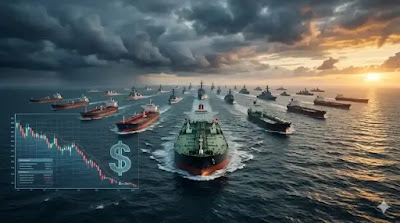

    33 ships breaking US blockade 2026 economic crisis.
    Honestly? Most of us are properly sick of the same old headlines. You flick on the news, and it’s the same record on repeat: “Oil might go up.” Or “Inflation’s still hanging around.” But if you actually scratch the surface? There’s some properly messy stuff happening in the background. Yeah, 2024 was a ride. But 2026? That might be the year that genuinely turns things upside down for people like you and me.
    I’ve been digging through a few reports that haven’t really made it to the mainstream yet. And I’m not gonna lie — what I found actually made me stop what I was doing and just think for a minute. We’re talking secret backroom deals, superpowers fumbling, and a huge shake-up in who’s really pulling the strings on the world’s money.

    That 14-Point Thing: Real Deal or Just Stalling?

    So first up — there’s a quiet rumor floating around. Word is, they’re trying to hammer out some kind of 14-point deal between Washington and Tehran. The gist? Iran backs off the high-level uranium stuff for 12 years. In return, the U.S. eases up on those heavy sanctions that have been choking its economy.
    But here’s the thing — it feels a lot like they’re just killing time. Even while they’re smiling and talking ‘peace,’ the White House is still swinging a big stick. One minute, it’s “hey, maybe we’ve got a deal.” The next? More threats of strikes. That kind of back-and-forth creates this huge fog. Nobody knows what’s coming next. And when the market gets confused? It panics. And guess what takes the hit first? Your retirement pot. Your savings. Yeah, all of it.

    33 Ships vs. The Big Bad Navy

    Okay, this part is genuinely nuts. For months, they’ve been telling us the U.S. blockade is rock solid — nothing goes through the Strait of Hormuz without permission. Well, reality just punched a massive hole in that story. Reports are coming out that 33 huge tankers just blew right through.
    Thirteen of those ships were Iranian. Pause and let that hit for a moment. A country under all that pressure just sailed straight through a superpower’s front gate. So what does that actually tell you? It tells me the U.S. grip on global shipping routes isn’t nearly as tight as they want us to believe. When blockades start feeling more like polite suggestions than actual rules, the global economy slides into a kind of “Wild West” situation.
    Why should you care? Because nearly everything you own — your phone, your jeans, your morning coffee — travels through those waters. If the so-called “ocean police” can’t stop 33 ships today, what happens next month when a major route gets completely blocked? Shipping prices go through the roof. And you’re the one paying at the checkout. Call me crazy, but I really think “cheap” is going to be a word our kids barely understand.

    China’s Not Just Sitting in the Corner Anymore

    China’s not just hanging out in the background anymore, quietly watching. That’s over. Now they’re telling Arab nations straight up: “Stop leaning on the U.S. for everything. Start looking after yourselves.” That’s enormous. Because if the Middle East actually starts turning East instead of West, the U.S. dollar is going to take a real beating.
    That’s a direct slap in the face to the old world order. If the petrodollar dies? The money sitting in your bank account could lose value faster than you’d ever imagine. This is a total power shift — and regular people like us are standing right in the middle of the earthquake.

    Reality Check: Empty Shelves or Just Nervous Wallets?

    Hey, remember 2020? The empty grocery aisles. The panic over toilet paper. That weird feeling like the world was closing in. Well, some experts are quietly whispering that 2026 could be the real full-length movie — and 2020 was just the trailer. When countries stop making toasters and start making drone parts, everyday stuff starts vanishing.
    This “great power struggle” isn’t only about troops and tanks. It’s about supply chains. We’re already seeing major airlines warn about breakdowns and shipping companies throwing in the towel. If diesel keeps climbing because of all these tanker attacks, every single household will feel the ripple. We’re not just talking pricey gas anymore. We’re talking eggs and milk doubling in a month.

    How to Play “Boring Defense”

    So what do we actually do? Just sit around and wait for everything to crash? Look — you can’t control the Middle East. You can’t control U.S. debt. But you can control your own front door.
    Right now, it’s time for what I call “boring defense.” This isn’t the moment to chase some hype stock or a new crypto coin that promises the moon. This is when you play it boring and smart:
    · Get rid of high-interest debt – Got any? Kill it now. When the economy shakes, debt is the anchor that pulls you under.
    · Keep some physical cash – Stash real money somewhere safe. If digital systems glitch, you’ll want something you can actually hold in your hand.
    · Build an emergency fund – Shoot for 6 to 8 months of survival money. Not vacation money. “Keep the lights on,” money.
    · Stay in the loop – Don’t just skim headlines. Watch for power shifts like the ones we talked about here.

    Final Thoughts

    The world’s changing. The old rules about “safe investments” are getting rewritten as we speak. Whether that 14-point deal falls apart or more ships keep running blockades, the message is pretty clear: this system is fragile.
    Look after your money like your future actually depends on it — because the people at the top are too busy playing chess to care about our bank accounts. So, do you reckon we can actually patch this broken system up? Or are we all just sitting ducks waiting for the next big reset? Drop your thoughts below. Let’s figure it out together.

    FAQs – Quick and Straight

    1. Wait, does Iran vs. the US really affect my grocery bill?
    Yeah, honestly. Most of our everyday stuff travels through shipping lanes like the Strait of Hormuz. When tankers get attacked or blocked, shipping and insurance costs shoot up. That ripple effect hits everything — from bread to electronics — right at your local store.
    2. What’s this “14-point deal” everyone’s whispering about?
    It’s a rumored backroom roadmap between Washington and Tehran. Basically, Iran stops high-level uranium work for 12 years, and the U.S. lifts sanctions. But with all the threats and tension? Nobody really knows if it’s real peace or just buying time.
    3. Why is China suddenly backing Iran’s nuclear rights? 
    China is changing its play. By backing Iran, Beijing is taking a swing at the old Western-led order. They’re telling Middle Eastern countries to handle their own security instead of leaning on the U.S. That’s a loud signal that global power is shifting East.
    4. What does “boring defense” mean for my money?
    It means play safe when things get shaky. Stop chasing risky “get rich quick” stuff or hype stocks. Focus on three things: killing high-interest debt, keeping some physical cash, and building a 6–8 month emergency fund.
    5. Could the U.S. dollar really tank in 2026?
    If the petrodollar system (where oil is traded in dollars) starts to crack — because countries like China and Iran start dealing in other currencies — then demand for the dollar drops. That would hit the value of the money in your bank account. That’s exactly why staying informed on these power shifts matters.

    Note: This is for educational purposes only. Not financial advice. We are not SEBI-registered.

  • survive-2026-economic-crisis

    Your Bank Account in 2026 – Yeah, It’s in Trouble


    WORLD ECONOMY 2026: THE DEBT WAR"
    Honestly? I can’t watch the news for more than five minutes without wanting to throw my remote at the TV. All this Iran-US nonsense? Everybody acts like it’s happening in some other universe. But here’s the thing, people don’t get. Those missiles? Those tankers are getting chased around the ocean? That stuff hits your wallet. Direct hit. Savings, groceries, rent money. All of it.
    We’re already living through what’s gonna be called the “Great Debt War” of 2026. Except nobody’s shooting at us. They’re shooting at our bank balances. And I swear, it feels like the whole system was designed to drain normal people dry.

    Oil prices are a nightmare. Here’s why.

    You see those Iranian tankers sneaking through blockades? $220 million worth of oil just floating there, playing chicken with warships. Looks dramatic. But the real joke? The whole world still needs oil. Like, desperately. The second a major shipping route gets blocked, fuel prices lose their minds.
    And no — it’s not just about your car. Think about everything you buy. Your cereal. Your sneakers. The charger you just ordered. All of it rides on trucks, ships, and planes. Fuel goes up, delivery costs explode. That’s inflation crawling right into your kitchen. Less stuff moving around, but everybody still wants the same things. So prices climb. And climb. Until you’re standing in the grocery store, wondering why a loaf of bread costs a small fortune.
    US Dollar bundles shaped like a skyscraper,

    America’s debt is genuinely terrifying.

    This one actually made me sit down. The US national debt is now bigger than the whole US economy. I’m not making that up. Hasn’t happened since World War Two. So the richest country on earth is basically surviving on a credit card that’s been maxed out for years.
    Here’s the scary part. Most of our savings, our pensions, our stocks — all tied to the. That dollar even twitches, and everything you’ve got starts hanging by a thread. The global market right now?Glasshouse. One wrong move, one more missile, and smash. Gone.

    Europe and the UK? Also a mess.

    It’s not just America. Over in the UK, experts reckon this Iran thing could cost them £35 billion. Thirty-five billion. With a B. When big economies like that start whispering “recession”, you know it’s bad.
    When they stop spending, the rest of us feel it. Jobs vanish. Pay rises? What pay rises? And your savings account interest? Ha. That’ll eat your money alive — slower than termites but just as sure. Honestly feels like we’re all on a sinking ship and the lifeboats left yesterday.

    Shortages. Remember COVID? Yeah, worse.

    I saw a CNN report saying we’re not ready for a “Great Power War”. War isn’t just fighting anymore. It’s empty shelves. Because factories stop making normal stuff — like chairs and toasters — and start making drone parts and tank bits. Then shops run dry.
    Remember panic-buying toilet paper in 2020? That was a trailer. 2026 might be the full movie. Less stuff to go around means prices go up again. Double hit. Double pain.
    supermarket with completely empty shelves

    So is your money actually safe?

    With all this chaos, what are you supposed to do? Look, I’m not gonna tell you to buy gold or Bitcoin or whatever. Honestly? Now is not the time to be a hero in the stock market. Not the time for “get rich quick” crap. This is the time to play defense. Boring defense.
    People are losing faith in paper money. They want stuff they can hold. Because when the system starts shaking, you only want things that are real.

    How to survive this mess (from one normal person to another)

    I don’t wear a suit. I don’t talk Wall Street. But here’s what makes sense to me right now.
    First, cash is still king. Keep real physical money somewhere safe. Don’t touch your emergency fund. You need six to eight months of living costs, which you can grab fast.
    Second, do NOT take on new debt. Worst possible time for a loan or another credit card. Interest rates are already nuts, and they could jump higher tomorrow.
    Third, clean up your investments. Got money in some hype-driven garbage? Get out. Now. Stick to boring stuff. Solid stuff.
    Fourth, don’t panic, but don’t fall asleep either. Closing your eyes won’t help. Watch the news. Try to understand what’s happening. Be ready to move fast if things get worse.

    Bottom line

    The world is changing under our feet. 2026 is going to teach us some hard lessons. War in the Middle East. Massive debt in the US. The old rules don’t work anymore. You have to be smarter with every pound or dollar you’ve got.
    Look after your money like your future depends on it — because nobody else will. The person who stays calm, doesn’t make stupid bets, and keeps their head down? That’s the one who walks out of this storm still standing.
    What do you think? Is this war gonna set us back ten years, or do we somehow fix this broken system? I’d actually love to hear your take. Drop a thought. Let’s figure it out together.

    FAQ Text (based on article content)

    1. What is the “War Economy of 2026”?
    It’s the current economic situation where geopolitical conflicts – particularly between Iran and the US – are driving up oil prices, supply chain costs, and inflation. The article calls it the “Great Debt War” because it’s fueled by massive national debt, not just military action.
    2. Why does the Iran-US conflict affect my personal finances?
    Because the world runs on oil. When shipping routes get blocked, fuel prices spike. That makes everything you buy – food, clothes, tech – more expensive due to higher delivery costs. It directly hits your grocery bill, savings, and bank account.
    3. What’s the problem with the S national debt?
    The US debt is now larger than its entire economy – something not seen since WWII. Most global stocks and savings are tied to the US dollar. If the dollar weakens, your investments could lose value fast.
    4. How could the war cost the UK £35 billion?
    Experts predict that the economic ripple effects – including trade disruptions, energy price hikes, and reduced spending – could cost the UK economy £35 billion, potentially triggering a recession.
    5. Are shortages going to happen like during COVID?
    Worse, according to the article. If factories switch from making everyday goods to military supplies, shops will run dry. Less supply and steady demand mean prices climb even more.
    6. Is my money safe right now?
    Not entirely if it’s in high-risk investments or purely digital. The advice is to play defense: keep 6–8 months of cash emergency fund, avoid new debt, and get out of “hype” investments.
    7. What should I do to protect my finances in 2026?
    Keep physical cash ready. Don’t take new loans or credit cards. Move money out of risky, speculative assets. Stay informed, but don’t panic. Focus on owning things with real, tangible value.
    8. Is this war going to set the world back ten years?
    That’s the open question. The article suggests we may see a decade of setbacks unless the global financial system finds a new way to stabilize. For now, survival means being smarter with every dollar or pound.

    Note: This is for educational purposes only. Not financial advice. We are not SEBI-registered.