Tag: Inflation 2026

  • 30-Day Oil & Internet Crisis

    The 30-Day Countdown: How a Failed Peace Deal and Undersea Cables are Threatening Your Wallet


    GLOBAL OIL SUPPLY: 30 DAYS REMAINING.


    ​Honestly, look, most of us just assume the world keeps spinning while we’re busy scrolling TikTok or stressing over our bank balance. But to be fair, if you think a massive standoff in the Middle East won’t hit your home, you’re missing the actual picture. We are literally talking about a situation that could turn your daily contactless payments into “declined” messages. It’s the kind of mess that makes a standard heating bill look more like a mortgage payment.

    ​Straight up, we’re looking at a world on a 30-day timer. Between a failed peace deal and a threat to the literal internet, things are getting properly tense. Let’s break it down properly.

    The Peace Deal That Just… Died: 14 Points of Pure Chaos

    Look, everyone was pinning their hopes on this 14-point peace proposal America threw on the table. The idea was to stop the US-Israel-Iran escalation before it burned the whole global house down. But honestly? Iran’s reaction was like chucking a bucket of petrol on a bonfire.

    ​The biggest issue? The US demanded Iran permanently scrap its nuclear sites. Iran’s response was blunt: “Don’t be under any illusions.” They flat-out refused. Instead of shaking hands, they handed over a list of their own demands. They said they’d move enriched uranium to another country, but only if every single sanction is lifted and the blockades in the Strait of Hormuz are gone so they can sell oil freely.

    ​To be fair, it’s a total deadlock. Because that deal fell apart, the tension didn’t just stay high—it exploded. When diplomacy fails this hard, the markets start to panic. And look, that’s exactly where we are standing right now.

    The 30-Day Oil Clock: Why the Whole System is Shaking

    Here is the reality check. Look, our modern life is built on a “just-in-time” delivery system. Whether it’s the fuel for cargo ships bringing your tech or the gas used to heat warehouses for your clothes, it all depends on steady, cheap oil.

    ​If that supply dries up for even a week, we aren’t just talking about a price hike. We are talking about a massive “Out of Stock” sign on the entire global economy. Your Uber fares, your utility bills, even the data centers running your favorite apps—everything gets hit by the same hammer. It’s a domino effect that leaves the average person footing the bill for a fight they never wanted. Honestly, when reserves hit a one-month low, the countdown to a massive inflation spike has already started.

    The Invisible Battle: Undersea Internet Cables

    Now, this is the bit most people aren’t even mentioning. We talk about the internet like it’s some wireless cloud in the air, but it’s really connected by fiber-optic cables buried deep under the oceans. Iran has properly noticed this. They’ve realized they are sitting on a digital goldmine.

    ​Because they are being squeezed for cash, Iran is now floating the idea of charging “rent” for cables passing through their territory. We are talking about the lines Google, Meta, and Amazon rely on. Straight up, this is digital extortion. If companies don’t pay, or if those cables get caught in the crossfire, the global digital economy could grind to a halt. Imagine a day when international banking just… stops. It’s a terrifying financial prospect.

    What Should You Do With Your Cash?

    Honestly, look, I’m not some corporate suit giving formal advice, but as a friend, you’ve got to be smart. When the world gets this volatile, the stock market becomes a total rollercoaster.

    ​Straight up, this is why people are piling into Gold. Historically, when oil is scarce and currencies feel shaky, Gold is the “safe haven.” It’s the one thing that holds value when everything else is figuratively on fire. If you’ve got any investments, now is the time to look at diversification. Don’t keep all your eggs in one basket—especially if that basket is tied to trade routes currently under threat.

    Final Thoughts

    Look, the high-level meetings between leaders like Netanyahu and Donald Trump suggest the time for talking might be over. We are entering a properly unpredictable phase of 2026. Whether it’s the cost of keeping your lights on or the stability of your WiFi, the next 30 days are going to be a massive test.

    Frequently Asked Questions (FAQs)


    1. Is the oil crisis actually going to happen in 30 days?

    Honestly, look, the “30-day” figure comes from the emergency reserve levels of major economies. It’s not a countdown to the end of the world, but it’s a massive warning sign. If the supply routes in the Middle East don’t clear up within a month, governments will have to start dipping into reserves that are meant for extreme emergencies. That’s when you’ll properly see prices at the pump go crazy.

    2. Why should I care about undersea cables?

    To be fair, most of us think everything is wireless now. But straight up, 99% of international data travels through those physical cables on the ocean floor. If Iran starts charging “rent” or if they get damaged, it’s not just about slow Netflix. We are talking about global banking, stock markets, and even GPS systems taking a massive hit. It serves as the main backbone of today’s digital economy.

    3. Is Gold really the only safe investment right now?

    Look, I’m not a formal finance expert, but historically, Gold has been the “panic button” for investors. When paper money feels shaky because of war or inflation, people want something they can actually hold. It’s not the only option—some people look at commodities or silver—but Gold is the most trusted “safe haven” when things go south.

    4. How does a failed peace deal affect my local grocery bill?

    It sounds crazy, right? But look, it’s all about the domino effect. No peace deal means more tension, which means higher oil prices and higher shipping insurance. Everything in your local shop was likely moved by a truck or a ship. When their fuel costs double, they don’t just eat that cost—they pass it on to you. That’s how a standoff in the Middle East ends up making your bread and milk more expensive.

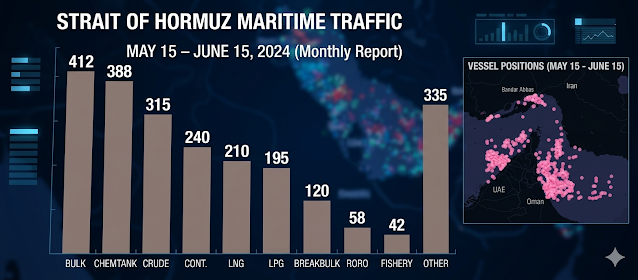
    5. What is the Strait of Hormuz, and why is it so important?

    Properly speaking, it’s a tiny, narrow stretch of water that a huge chunk of the world’s oil has to pass through. It’s the ultimate “choke point.” If that gets blocked or becomes a war zone, the global energy market basically has a heart attack. That’s why the failed 14-point deal is such a big deal—it was supposed to keep that water safe.

    Note: This is for educational purposes only. Not financial advice. We are not SEBI-registered.
  • The 2026 Global Squeeze: War, Taxes, and Your Cash

    The Global Domino Effect: Why 2026 is Reshaping Your Portfolio


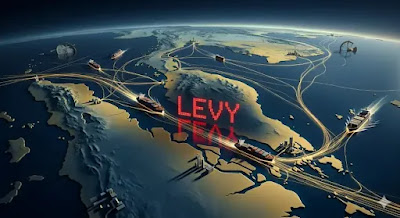
    Malacca Strait shipping levy global trade impact 2026

    Actually, if you’ve been looking at the geopolitical headlines from late April 2026, you’d realize we aren’t just looking at “news” anymore. We are looking at a fundamental shift in how global wealth and trade are going to function for the next decade. From the shipping lanes of Indonesia to the oil tankers in Chabahar, the financial map is being redrawn right in front of our eyes.

    In fairness, most people see a “war” or a “blockade” and think it’s just about politics. But as a financer, I see it as a massive supply-chain tax that is about to hit every single consumer.

    The Malacca Levy: A New Tax on Global Trade

    Essentially, the biggest shock this week didn’t come from a battlefield, but from the finance ministry of Indonesia. Suggesting a levy on ships transiting the Malacca Strait is a game-changer. Basically, the Malacca Strait is the jugular vein of global trade. Over 25% of the world’s traded goods pass through that narrow stretch of water.

    ​If Indonesia moves forward with this, every smartphone from Taiwan, every barrel of oil from the Middle East heading to East Asia, and every car part moving toward Europe just got an “entry ticket” price hike. In fairness, this isn’t just a small fee; it’s a ripple effect that will manifest as inflation on your local store shelves within months. When the cost of transport goes up, the consumer always pays the bill.

    The Weapon Drain: Defense Stocks and the Six-Year Gap

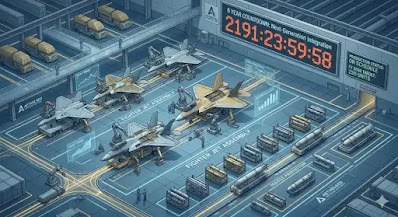
    Look, the New York Times recently dropped a report that should have every defense investor sitting up straight. The US weapon stockpiles are being depleted so fast by the Iran conflict that replacing them could take up to six years. Actually, this has created a massive strategic “gap” in defending other regions like Taiwan.

    ​From an investment perspective, this is a “Higher for Longer” scenario for the defense sector. Basically, companies like Lockheed Martin, Raytheon, and Boeing aren’t just looking at a good quarter—they are looking at a guaranteed, taxpayer-funded order book that stretches into the 2030s. If the US needs six years to refill its shelves, that is a decade of sustained demand. In fairness, while the rest of the market might be volatile due to war fears, the defense sector has become the ultimate “safe haven” with a government-backed guarantee.

    Iran oil tankers bypassing US blockade to China data 2026

    The Failed Blockade: Oil, China, and the Iran Leak

    Actually, the most fascinating data point this week is the failure of the US oil blockade. Despite the “maximum pressure” and naval patrols, Iran has managed to ship over 10 million barrels of oil to China since the blockade began. Essentially, the “Tanker Tracker” data shows that ships like the HERO2 and DIONA are simply exfiltrating the blockade lines and returning to Chabahar like it’s business as usual.

    What does this mean for your money? Basically, it proves that the era of Western-led economic sanctions is losing its teeth. If a country can ignore a superpower’s blockade and still move 10 million barrels of its primary export, the global oil price is no longer being controlled by Washington. In fairness, this makes energy prices incredibly unpredictable. We are likely to see a “floor” on oil prices that stays much higher than analysts predicted, simply because the demand from China is acting as a permanent safety net for sanctioned oil.

    The Squeeze on the Average Voter

    Essentially, the Financial Times was right to warn that the “Iran war will squeeze US voters long after the conflict ends.” But this isn’t just a US problem—it’s a global one. The massive spending on military intervention, combined with the rising cost of energy and the new shipping levies in the Malacca Strait, is creating a perfect storm for “Stagflation” (stagnant growth + high inflation).

    Actually, your bank account is being attacked from three sides:

    1. Import Inflation: Thanks to the Malacca levy.
    2. Energy Inflation: Thanks to the failing blockade and Middle East instability.
    3. Debt Inflation: As governments print more money to fund a six-year weapon replenishment cycle.

    Actionable Financial Advice: How to Position Your Capital

    Basically, you cannot afford to be passive in this market. If you’re sitting entirely in cash, inflation is going to eat your purchasing power for breakfast. In fairness, you need a strategy that benefits from this chaos rather than being a victim of it.

    US military weapon stockpile depletion and defense stocks 2026

    1. The Infrastructure and Defense Play:

    As long as the “Six-Year Replacement” cycle is active, defense contractors are high-conviction holds. They are essentially protected from the broader economic slowdown because their revenue is a matter of national security.

    2. Commodities and Energy Divergence:

    With the Iran-China oil corridor wide open, traditional energy stocks might see volatility, but companies involved in shipping and maritime logistics are in a strong position. Actually, the tankers that can navigate these high-risk zones are charging a “risk premium” that is pure profit.

    3. The “Make in India” Hedge:

    India is currently a neutral ground. With the Malacca Strait becoming a high-tax zone, Indian ports like Chabahar (which Iran is already using) and the domestic manufacturing push are becoming vital alternatives. Basically, India is the “exit ramp” for companies looking to avoid the chaos of the South China Sea and the Middle East.

    The Final Verdict for 2026

    Essentially, the world is moving away from a “Free Trade” model to a “Secured Trade” model. Trade is no longer about who is cheapest; it’s about who can actually get the goods through the blockades and the tax zones.

    Actually, the 4.8x housing illusion or the Nvidia stock dips we discussed earlier are all connected to this. When the world is at war and shipping lanes are being taxed, the “cost of living” becomes the primary driver of all asset prices. In fairness, 2026 is the year when “Macro” (big world events) matters way more than “Micro” (company earnings). Keep your eyes on the straits and your portfolio in the “essentials.”

    FAQ 


    Q: Will Indonesia’s Malacca levy really affect my daily expenses?

    Actually, yes. If a ship carrying 10,000 containers has to pay a new levy to pass through the strait, that cost is divided and added to the price of every item in those containers. From your next laptop to your groceries, the cost of transport is a “hidden tax” you can’t avoid.

    Q: Is it too late to invest in defense stocks?

    Basically, no. Since the US government itself admits it will take six years to replace what has been fired, we are at the very beginning of a long-term production cycle. In fairness, wait for a market dip to enter, but the long-term fundamentals are very solid.

    Q: Why is the Iranian oil blockade failing?

    Essentially, it’s about “Shadow Fleets” and the demand from China. When a buyer as big as China refuses to follow the blockade, it becomes nearly impossible to stop the flow of oil without a direct naval war, which most countries are trying to avoid.

    Note: This is for educational purposes only. Not financial advice. We are not SEBI-registered.

  • US Market Crash: Why Your Stocks & Rent are Rising

    US Market are red,

    The Global Bloodbath: Why US Tech Giants Are Bleeding Red

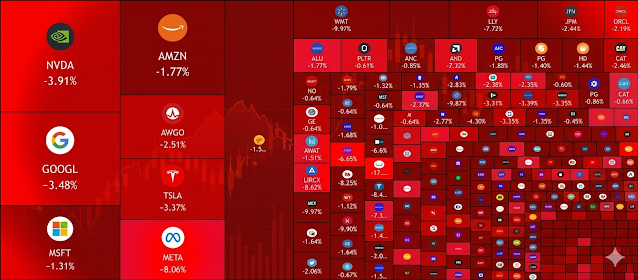
    ​ looking at the market right now is like watching a financial disaster movie in real-time. That image of the heat map you’ve seen isn’t just a random glitch or a bad day at the office; it’s the cold, hard reality of Wall Street in 2026. We are seeing a proper sea of red, and if you’ve got even a penny in US stocks, it’s a tough pill to swallow. From Nvidia to Meta, the heavy hitters are getting absolutely hammered, and it’s not just a random dip—it’s a direct reaction to the chaos unfolding between Israel, Iran, and the United States.

    ​Look, the connection here is simple but deadly for your portfolio. When major powers in the Middle East start trading threats and missiles, the stock market doesn’t just “react”—it panics. Above everything else, investors try to avoid uncertainty. When the world feels like it’s on the brink of a much larger conflict, the “smart money” starts running for the exits, and that’s exactly what we are seeing on the screen right now.

    ​The Real-World Impact: Why Life is Getting Expensive

    ​Straight up, this isn’t just about numbers on a screen or rich people losing money on Wall Street. The tension between Israel and Iran is hitting the pockets of regular people in America and across the globe right now. When the Middle East gets shaky, the first thing that moves is the price of energy, and that starts a chain reaction that hits every part of your life. It’s a domino effect that most people don’t see coming until it’s too late.

    ​1. The Petrol and Diesel Nightmare

    ​We’ve already seen gas prices at the pump jump by 15% to 20% in many states over the last few weeks. This happens because Iran sits near some of the most important oil shipping lanes in the world, like the Strait of Hormuz. If that supply is even slightly threatened, or if investors think it might be threatened, the global price of crude oil shoots up instantly. To be fair, for a regular person driving to work, this means spending an extra $50 to $100 a month just on fuel. It’s a massive drain on the monthly budget that leaves less money for everything else.

    ​2. The Grocery Store Squeeze

    ​It’s a simple but painful chain reaction. Every single item in your local grocery store—from the bread to the fresh fruit—gets there on a truck. When diesel for those trucks gets expensive, the shipping companies pass that cost on to the supermarkets, who then pass it on to you. Honestly, families are already seeing an extra 10% to 15% added to their grocery bills for absolute basics like milk, eggs, and meat. It’s getting to the point where people are having to choose between filling their car and filling their fridge. This “food inflation” is what really scares the average voter in America.

    ​3. Rent and the Housing Crisis

    ​Inflation is the hidden monster here. Because of the war tension and high oil prices, inflation isn’t coming down like the government promised it would. This means the Federal Reserve is forced to keep interest rates high, which makes mortgages and business loans incredibly expensive. In big cities, rent has already climbed by nearly 10% because landlords are facing higher maintenance and tax costs themselves. If you’re trying to find a new place to live right now, it’s a proper nightmare because your salary just isn’t keeping up with the rising cost of a roof over your head.

    strait of Hormuz

    The Tech Titan Tumble: Meta and Nvidia Under Pressure

    ​If you examine the heat map of the stock market, the biggest squares are the darkest red. These are the “Magnificent Seven” companies that everyone thought were “untouchable” just a few months ago.

    • Meta (-8.06%): Seeing a company the size of Meta drop over 8% in such a short window is staggering. We are talking about billions of dollars in market value just vanishing in a single trading session. It shows that even social media giants are vulnerable when investors decide to pull cash out of “risky” assets and move it into gold or cash for safety.
    • NVIDIA (-3.91%): The king of the AI revolution is finally feeling the heat. While AI is clearly the future, the “present” is dominated by fear. Investors who made massive profits on Nvidia over the last year are now “cashing out” to protect their gains before the market drops even further. When the AI leader falls, it scares the whole tech sector.
    • Google (Alphabet) & Microsoft: Both are sliding down significantly. When the core pillars of the S&P 500 start crumbling like this, it sends a signal to everyone else that nobody is safe. If the giants are bleeding, the small companies don’t stand a chance.

    Why the Rest of the Market is Following Suit

    ​It’s not just tech, though. Look at the industrial and retail sectors on that map. Walmart (WMT) taking a nearly 10% hit is almost unheard of for such a stable “safe haven” stock. This tells us that this isn’t just a “tech correction”—it’s a full-blown market panic.

    ​Properly speaking, this is what experts call a “liquidity crunch.” When big hedge funds lose money on their tech bets, they are often forced to sell their “safe” stocks—like Walmart, JPMorgan, or Home Depot—just to balance their books and pay off their debts. This creates a domino effect where selling leads to more selling. The image you shared perfectly captures this moment of total surrender by the buyers. The red isn’t just a colour; it’s the sound of billions of dollars being wiped out.

    The Connection Between the U.S. Dollar and Interest Rates

    Straight up, the US economy was already in a weird spot before this conflict even started. Inflation hasn’t gone away as fast as everyone hoped. Now, with the threat of war, the US Dollar is getting stronger because people see it as a “safe haven” during global chaos.

    ​While a strong dollar sounds like a good thing, it actually hurts big US companies that sell products globally. It makes iPhones, software, and American cars much more expensive for people in Europe, India, or Asia to buy. This leads to lower sales and lower profits, which makes the stock price drop even further. To be fair, the Federal Reserve is stuck between a rock and a hard place. They want to lower interest rates to help the economy, but they can’t do that if a war in the Middle East is pushing energy prices up and keeping inflation high. It’s a trap that is very hard to escape.

    ​The Psychological Breakdown of Investors

    ​Honestly, the stock market is 10% maths and 90% psychology. When you see a map that red, it triggers a “fight or flight” response in the human brain. Most people choose a flight. They see their retirement accounts or their savings shrinking by 5% or 10% in a single week, and they panic-sell at the worst possible time.

    ​The big institutions use high-frequency trading algorithms that are programmed to sell the moment certain “risk triggers” are hit. When a drone strike is reported, or a new set of sanctions is announced, these computers sell millions of shares in the blink of an eye. This is why the drops happen so fast and so deep. Regular investors are often left wondering what happened before they’ve even finished their morning tea. By the time you read the news, the damage is already done.

    ​Is There Any Way Out of This?

    ​Properly speaking, the market needs a massive “reset” button. That reset button is usually a diplomatic breakthrough. If we see news that the US has successfully brokered a ceasefire or that Iran and Israel are moving back to a “cold” standoff rather than an active conflict, the market could bounce back just as fast as it fell. We call this a “V-shaped recovery.”

    ​However, until that happens, we have to expect more volatility. The “Magnificent Seven” stocks that led the market up for the last two years are now the ones leading it down. This is a classic “mean reversion”—where things that went up too fast have to come back down to earth eventually. It’s a painful process, but it’s how the market clears out the “froth” and gets ready for the next move.

    ​Final Reality Check

    ​Looking at the data, we are in a period of extremely high risk. The link between the Israel-Iran conflict and the US stock market is direct and painful. Every headline about a missile, a drone, or a diplomatic failure is another drop of red ink on the market map.

    ​Straight up, if you are looking at your screen and seeing Meta, Nvidia, and Tesla all bleeding, just know that this is a global event. It isn’t about one company doing a bad job; it’s about the world becoming a more dangerous and expensive place for everyone. To be fair, markets have survived world wars, pandemics, and depressions. They will survive this, too, but for now, the “Red Sea” is here to stay until the smoke clears in the Middle East.

    ​Don’t let the numbers make you do something irrational. The market is a test of nerves, and right now, the world is testing everyone’s limits. Keep a very close eye on the oil prices and the headlines from Washington—those are the real indicators of when this sea of red will finally turn green again. It might take time, so patience is the only thing you can afford right now.

    conclusion

    Honestly, it’s a proper mess out there, but every storm eventually runs out of rain. To be fair, seeing your portfolio in the red and your grocery bill going up at the same time is a double blow that no one wants. But look, we’ve been through these cycles before—from the 2008 crash to the pandemic chaos—and the world always finds a way to steady itself.
    Straight up, the best thing you can do right now is stay calm. Don’t let the panic on the news or the red on your screen make you do something you’ll regret later. Markets are jumpy, and life is getting a bit more expensive, but these are the moments that test what kind of investor you really are. Keep your head down, watch the headlines from Washington and the Middle East, and remember that patience is usually the only thing that pays off in the long run.
    Properly speaking, we just need to wait for the smoke to clear. Until then, take a breather, stay informed, and don’t let the numbers get into your head too much. We’ll get through this “Red Sea” just like we’ve done every other time.

    Frequently Asked Questions (FAQ)


    1. Why is the US stock market crashing today?

    Honestly, it’s a mix of fear and reality. The direct conflict between Israel and Iran has made investors terrified of a global war. When people are scared, they sell risky stocks like Meta and Nvidia and move their money into “safe” assets like gold or cash.
    2. How does the Middle East conflict affect my grocery bill?

    It’s all about the fuel, properly speaking. Food supply chains depend heavily on trucks. If the conflict pushes oil prices up, diesel gets expensive. That extra cost gets passed directly to you at the supermarket checkout.
    3. Will Nvidia and Meta stocks go back up?

    To be fair, these are massive companies with huge profits, so they usually bounce back. However, as long as there is a threat of a major war, these “high-growth” stocks will stay under a lot of pressure and could drop further.
    4. Why is rent increasing if the stock market is falling?

    Straight up, it’s because of inflation. When oil and energy prices rise, everything else follows. The Federal Reserve keeps interest rates high to fight this inflation, which makes it more expensive for landlords to manage properties, and they pass those costs on to tenants.
    5. Is it a good time to buy the dip?

    Look, that’s the million-dollar question. If you believe a diplomatic solution is coming soon, prices right now look like a bargain. But if the conflict escalates, we haven’t seen the bottom yet. It’s a proper gamble right now.

    Note: This is for educational purposes only. Not financial advice. We are not SEBI-registered.

  • global oil crisis 2026 trump iran conflict

    S&P 500 stock index

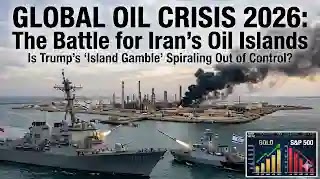
    Global Oil Crisis 2026: Is Trump’s “Oil Island” Gamble Spiraling Out of Control?

    ​Honestly, if I had a pound for every single time some “expert” predicted the total collapse of the global economy, I’d probably be retired on a private estate by now. But look, as of March 26, 2026, the tension between the USA, Israel, and Iran has moved from scary headlines to empty pockets. If you haven’t felt the pinch at the gas station yet, you’re probably not driving enough.

    ​The conflict has properly rattled the cage of the global economy. From the London Stock Exchange to Wall Street, everyone is looking at the same thing: the price of a barrel and the safety of the world’s most critical sea routes. Straight up, we are witnessing a high-stakes gamble that could either secure Western energy for a decade or lead us into World War 3.

    ​1. The Strategy: The Clash Over Iran’s Oil Export Lifelines

    ​The biggest “Breaking News” right now isn’t just about missiles; it’s about boots on the ground. There are strong reports from the Gulf that the US military is positioning itself to capture or neutralize Iran’s key energy hubs, specifically their Oil Islands like Kharg Island.


    ​To be fair, if the USA and its allies capture these islands, they control the “Tap” of the world’s oil.

    • The Military Move: There’s talk of US special forces targeting these strategic hubs to break Iran’s economic backbone.
    • The Iranian Threat: Iran has already warned that if even one Western soldier steps on their islands, they will shut down the Strait of Hormuz permanently.

    Properly speaking, if this happens, we aren’t just looking at expensive gas—we are looking at a total global energy blackout.

    ​2. The Media Narrative: Is Trump Losing Control?

    ​Look, the major newspapers in London and Washington—like The Guardian and The New York Times—are painting a very grim picture. They are claiming that Donald Trump has “lost his grip” on the situation and that the war has spiraled beyond his control.

    • Perception vs. Reality: Honestly, the media loves a “Cornered Leader” story. While they claim he’s trapped, others suggest this is a calculated move to capture Iran’s assets and back the US Dollar with the world’s oil supply.
    • Market Panic: When the headlines say “Trump has lost control,” investors panic. This is exactly why we are seeing a massive Flight to Safety right now. People don’t trust politicians or paper money during a war; they trust physical assets.

    ​3. Wall Street and the Surge of “Safe Havens.”

    ​Straight up, the stock markets in the US and Europe are in “Panic Mode.”

    • The S&P 500 and FTSE 100: These indices have seen a massive sell-off as investors dump tech and retail stocks.
    • Gold is King: Gold has smashed through the $2,500 per ounce barrier this March. In a world where the media says leaders have lost control, Gold is the only thing people properly trust.
    • The Bitcoin Debate: Interestingly, Bitcoin is behaving like a wild animal. It’s “Digital Gold” one minute and a “Risk Asset” the next. To be fair, only the bravest investors are staying in the crypto market while missiles are in the air.

    4. Europe’s Cold Reality and the LNG Crisis

    ​While America talks about military strategy, Europe is feeling the economic cold. The supply of LNG (Liquefied Natural Gas) from the Gulf has become increasingly unstable.

    • The UK and Germany: Energy prices have jumped by nearly 25% in the last week. Talks around “Emergency Energy Measures” for summer are already underway among governments.
    • At the Pump: In France and Italy, the price of premium fuel has hit record highs. People are switching to public transport across London and Paris, not by choice, but because they can’t afford the commute.
    • Shipping Insurance: With the Persian Gulf becoming a “no-go zone,” the cost of insuring a tanker has gone through the roof. This means even if the oil is there, getting it to a port in Rotterdam or Liverpool is costing a fortune in extra fees.

    5. Inflation: The Ghost in the Supermarket

    ​When fuel prices go up, everything else follows. In the US, the CPI (Consumer Price Index) is showing a sharp, painful spike.

    • Logistics Costs: It costs a lot more to move a truck from California to New York today than it did last month. This means your groceries, your electronics, and even your clothes are getting more expensive by the hour.
    • The European Squeeze: In the EU, food inflation is hitting double digits again. The “Cost of Living Crisis” that we thought was over is back with a vengeance.

    6. A Personal Perspective: Sarah from Ohio

    ​Think about Sarah, a nurse in Ohio. She has a 45-minute commute to the hospital every day. Last year, she spent $40 a week on gas. Today, she is spending nearly $90. To be fair, this isn’t just a “market trend” for Sarah; it’s the difference between saving for her kids’ college and just surviving. This underscores the human dimension of the “Oil Island” gamble.

    ​  Frequently Asked Questions (FAQ)

    1. Is the USA actually planning to capture Iran’s Oil Islands?

    Properly speaking, major geopolitical reports are suggesting that the US military strategy involves neutralizing hubs like Kharg Island to cut off Iran’s economic lifeline. This has caused extreme volatility in the 2026 energy markets.

    2. Why is the media saying Trump has lost control?

    Honestly, it’s a mix of genuine concern over military escalation and the usual media narrative against his policies. However, in finance, this “loss of control” narrative is what drives people to sell stocks and buy Gold.

    3. What happens if the Strait of Hormuz is closed?

    To be fair, it would be an economic disaster. Approximately one-fifth of global oil flows through that passage. Closure would likely push crude oil prices toward $200 per barrel, leading to global rationing and a deep depression.

    The Bottom Line:

    ​The 2026 Energy Shock is a masterclass in how interconnected our world is. A conflict over a few islands in the Gulf can raise the price of bread in New York and stop a truck in London. Whether Trump is “in control” or “cornered” remains to be seen, but for now, the “Smart Money” is hedging against chaos.

    I’m curious—do you think the West should stay out of the Gulf entirely, or is capturing the “Oil Heart” the only way to lower prices? Let’s talk in the comments!

    Note: This is for educational purposes only. Not financial advice. We are not SEBI-registered.

  • Are You Still Earning a Living Wage in 2026?

    Person calculating monthly bills,

    Are You Still Earning a Living Wage? A Deep Dive into 2026 Finances

    ​Have you ever sat down on a Sunday evening, looked at your banking app, and felt a sudden knot in your stomach? You aren’t alone. In 2026, across the United Kingdom, Europe, and the United States, millions of hardworking people are asking themselves the exact same thing: I work forty hours a week, so why do I feel like I’m struggling to keep my head above water?


    ​The truth is, the economy has changed rapidly. What we used to call a good salary five years ago just doesn’t buy the same life today. We need to talk about the Living Wage. It’s not just a buzzword used by politicians; it is the difference between actually living your life and simply surviving from one Monday to the next.

    ​What Does Living Wage Actually Mean?

    ​Let’s keep it simple. A living wage is the minimum income you need to pay for your basic needs without falling into debt or relying on credit cards for groceries. It is different from the Minimum Wage, which is the lowest amount an employer is legally allowed to pay you.

    ​Often, the legal minimum wage is way lower than what it actually costs to live in a city like London, Manchester, New York, or Berlin. A true living wage should cover:

    • Housing: Rent or mortgage that doesn’t eat your whole paycheck.
    • Nutrition: Healthy food for you and your family.
    • Healthcare: Insurance premiums and medicine.
    • Utilities: Heating, water, and high-speed internet (which is a necessity now!).
    • Transport: Fuel for your car or a monthly train pass.
    • The Safety Net: A small amount of money left over for emergencies.

    ​If you can’t tick all those boxes, you might not be earning a living wage, even if your salary sounds high on paper.

    Why 2026 Feels So Expensive: The Crisis Factors

    ​You might be wondering, I got a small pay rise last year, so why do I feel poorer? There are a few big reasons why the cost of living in the West has spiked recently.

    1. The Global Conflict Factor (Iran, Israel, and the US)

    As of today, we cannot ignore what is happening on the global stage. The ongoing conflict involving Iran, Israel, and the US has created massive uncertainty in the energy markets. When there is tension in the Middle East, oil and gas prices shoot up instantly.

    ​For you, this means it costs more to fill up your car in Birmingham or Chicago, and it costs more to heat your home in Paris or Berlin. This Geopolitical Tax is something none of us asked for, but we are all paying for it at the checkout counter. When energy costs go up, everything else—from the price of bread to the cost of shipping a package—goes up too.

    2. The Rent Crisis

    In major cities across the US and Europe, housing prices have gone through the roof. It used to be a rule of thumb that you should spend 30% of your income on rent. In 2026, many people are spending 45% or even 50%. When half your money goes to a landlord, there isn’t much left for anything else.

    3. Stealth Inflation

    We all see the price of milk or coffee go up by small amounts. It doesn’t seem like much at the time, but when you add up groceries, electricity bills, and car insurance, it adds up to thousands of pounds or dollars a year. This stealth inflation is the silent killer of the middle-class dream.

    ​How to Calculate Your Own Status

    ​I want you to try a simple exercise. It’s called the 50/30/20 Rule. It’s a great way to see if your wage is actually living or just existing.

    • 50% for Your Needs: This is the Must-Pay list. Rent, groceries, taxes, and bills.
    • 30% for Your Wants: This is the Fun list. Dining out, cinema, hobbies, or that new jacket you liked.
    • 20% for Your Future: This is your savings, investments, or paying off old debt.

    The Test: If your Needs are taking up 70% of your income because of rising fuel and food prices, you are in a financially dangerous position. In 2026, if you aren’t saving at least 10-15%, one bad medical bill or a car breakdown could ruin your month.

    ​The Warning Signs You Shouldn’t Ignore

    ​Sometimes we tell ourselves it’s fine when it really isn’t. Here are the red flags that your wage is no longer a living wage:

    • The Credit Card Cycle: You pay off your card, but then you have to use it again for groceries by the 20th of the month.
    • Zero Savings: Your savings account has stayed at the same balance (or gone down) for six months.
    • Social Guilt: You start saying no to seeing friends because you’re worried about the price of a coffee or a pint.
    • The One Big Bill Fear: You stay awake at night, wondering what would happen if the boiler broke or the car failed its MOT.

    Strategies to Fight Back in an Uncertain World

    ​If you’ve realised your income isn’t enough, don’t panic. You have options. In 2026, the world of work is different, and you can use that to your advantage.

    1. Focus on Energy-Independent Skills

    The world is shifting. Jobs in green energy, AI, and Digital Finance are often more future-proof against global oil crises. If your current industry is struggling because of high energy costs, it might be time to look at a sector that is growing.

    2. Use the Remote Work Revolution

    If you work for a company in a big city like London or San Francisco, see if you can go fully remote. Moving even an hour away to a smaller town can save you 30% on rent instantly. This is the fastest way to increase your disposable income without getting a new job.

    3. Negotiate with Real Data

    Don’t just ask for a raise because you need it. Show your boss the inflation data for 2026 and mention how the current global conflicts have impacted the cost of living. Employers in the US and Europe are starting to realize that if they don’t pay a living wage, they lose their best staff to competitors who will.

    The Final Word

    No one should see a living wage as a luxury—it is a right. It is about having the peace of mind to enjoy your life after the work is done. In 2026, the global economy is fast and sometimes unpredictable due to conflicts and inflation, but by staying informed and checking your numbers, you can take control of your financial future.

    ​Remember, the goal isn’t just to work. The goal is to live.

    Frequently Asked Questions (FAQ)

    Q1: How does the Iran-Israel conflict affect my daily budget in the West?

    Mainly through energy costs. The Middle East is a massive producer of oil. Any conflict there makes the global market nervous, causing petrol, diesel, and heating oil prices to rise. This eventually makes everything in the supermarket more expensive because of shipping costs.

    Q2: What is the recommended living wage in the UK for 2026?

    The Real Living Wage is reviewed and updated annually. In 2026, due to the high cost of energy and housing, there has been a significant jump. You should check the official Living Wage Foundation website for the exact figures in your specific region.

    Q3: Can I survive on a minimum wage in a major US city?

    It is extremely difficult. In cities like New York, San Francisco, or LA, the minimum wage rarely covers a safe apartment and healthy food. Most people have to share housing or take on a side hustle to bridge the gap.

    Q4: Should I stop saving during times of high inflation?

    No, actually, having a buffer is more important now than ever. Even if you can only save a small amount, having an emergency fund protects you if prices suddenly spike again due to global events.

    Q5: Is it better to move to a different country for a better living wage?

    Some European countries offer better social safety nets and lower healthcare costs, but you have to calculate the cost of the move and the higher taxes. Always do your research on the Purchasing Power of the local currency before making a big move.

    Note: This is for educational purposes only. Not financial advice. We are not SEBI-registered.
  • 2026 Inflation: Why Investors Don’t Trust Data

     Why Retail Investors Are Losing Faith in Official Inflation Figures in 2026


    stressed retail investor looking

    In 2026, official inflation numbers paint a picture of stability, but many everyday investors feel the pinch in their wallets doesn’t match up. Research suggests the US headline inflation rate hovered around 2.7% at the end of 2025, with projections for a slight rise or fall depending on tariffs and policy shifts. However, alternative measures like Truflation show real-time rates as low as 1.6%, fuelling doubts. It seems likely that discrepancies between reported data and real costs are driving this mistrust, though experts caution against overreacting without more evidence.

    • Official vs Real Inflation Gap: Evidence leans toward a mismatch, with official CPI at 2.7% but real-time trackers showing lower rates, highlighting potential underreporting of everyday cost pressures.
    • Rising Scepticism Among Investors: Retail investors appear increasingly wary, as lived experiences with higher living costs clash with government figures, amid debates on data accuracy.
    • Tariffs and Policy Impacts: Research indicates tariffs could push inflation up by 1% or more, adding to controversy over whether official numbers fully capture these effects.
    • Economic Outlook Uncertainty: While some forecasts predict cooling, others warn of sticky inflation around 3%, keeping debates alive on trust in the data.

    Understanding the Disconnect

    Many people are scratching their heads over why their shopping bills keep climbing while the news says inflation is under control. It’s a fair question. Official numbers from bodies like the US Bureau of Labour Statistics come from broad surveys, but they might lag behind what’s happening on the ground. For instance, housing and food costs – big chunks of most budgets – often rise faster than averages suggest. This gap breeds doubt, especially when alternative tools show different stories.

    Factors Fuelling Doubt

    Tariffs are a hot topic. They’re expected to add pressure, potentially lifting prices by up to 1% in some sectors. Then there’s fiscal spending – more government cash flowing could heat things up. Labour markets staying tight might also keep wages and prices edging higher. All this while some predict deflation risks if demand drops off.

    What Investors Can Do

    Keep an eye on multiple sources. Track your own spending to see if it aligns with headlines. Diversify investments to hedge against surprises – think bonds or commodities that perform well in uncertain times.


    Here’s a comparison table of key inflation measures in early 2026:

    Measure            Rate        (%) Source Notes
    Official CPI 2.7 BLS Year-over-year, December 2025.
    Core CPI 2.6 BLS Excludes food/energy; seen as stickier.
    Truflation 1.6 Truflation Real-time often leads official data.
    PCE (Fed Preferred) 2.8 BEA Broader; expected to stay elevated.
    Shadowstats ~5-6 Shadowstats The alternate methodology claims a higher underlying rate.

    This table shows why trust varies – different lenses yield different views.

    (more…)

  • US Tariffs 2025: Global Trade & Supply Chain Shift

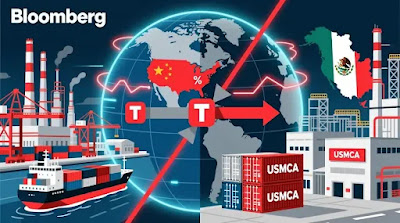
    shifting supply chains toward Mexico

    The Great Trade Pivot: Why May 2025 Changed Your Wallet Forever


    ​The global economy just had its “GPS recalculated” moment, and let me tell you, the new route is anything but simple. If you’ve been watching the news since May 2025, you know the vibe has shifted from “free trade” to “protected borders” almost overnight. It’s no longer just about who can make a product for the lowest price; it’s about who is making it closest to home and who has the safest supply chain.

    ​October 2025 is here, and the dust is finally starting to settle on the most aggressive trade policy shift we’ve seen in decades. Average US import duties have spiked to over 18%, and while the headlines are full of doom and gloom, the real story is about how smart businesses are turning this “tariff tempest” into a competitive edge. From the cornfields of Iowa to the high-tech hubs in Texas, everyone is rewriting their playbook to survive a world where the old rules simply don’t apply anymore.

    ​The May Shockwave: From Global to Local

    ​Let’s be real—the old way of doing business is officially on life support. Pre-May 2025, most companies had a very simple strategy: find a factory in China, ship it across the ocean, and keep costs low. But when those tariffs hit 145% on certain electronics and 30% on general machinery, that math stopped working overnight. It wasn’t just a small price hike; it was a total structural collapse of the “cheap import” model.

    What’s happening on the ground right now?

    • The Mexico Boom: Mexico has officially become the world’s favorite “Plan B.” Manufacturing output there jumped 8% in just the first half of 2025. Industrial parks in Monterrey and Juarez are properly packed with firms fleeing Asian duties.
    • Nearshoring is King: Companies are cutting their shipping times by nearly 70%. Instead of waiting 30 to 40 days for a massive container ship to cross the Pacific, they’re waiting 3 days for a truck to cross the border from Tijuana.
    • The Real Cost: For the average American family, this shift isn’t free. Experts suggest tariffs are responsible for about $1,300 in extra costs per household this year alone. Whether it’s your new iPhone or your morning coffee, the “Tariff Tax” is everywhere.

    The Supply Chain Squeeze: Why “Just-in-Time” is Officially Dead

    ​The “Just-in-Time” model that we all loved during the 90s and 2000s—where parts arrived exactly when needed to save on storage—has been replaced by “Just-in-Case.” Companies are hoarding inventory like it’s 2020 all over again, simply because they don’t know if the next tariff tweet or policy change will double their costs tomorrow.

    ​If you’re a business owner, the advice from the experts is simple but tough: Diversify or Ache. If 100% of your parts come from one single country, you aren’t running a business—you’re running a gamble. Smart firms are now split-sourcing: 60% from their traditional partners and 40% from nearshore or domestic suppliers to hedge their bets against geopolitical swings. It’s expensive to maintain two supply chains, but in 2025, it’s the only way to sleep at night.

    ​Case Study: The John Deere Struggle in the Heartland

    ​To see how this hits the ground, you only need to look at John Deere. This isn’t just a corporate problem for a big green logo; it’s a “dinner table” problem for thousands of families. Deere is looking at a staggering $600 million loss in 2025 purely because of these trade shifts.

    1. Steel Costs: Chinese steel duties are sitting at 25%, making every tractor frame and harvester thousands of dollars more expensive to build right here in the US.
    2. The Export Wall: Because the US raised tariffs, countries like Brazil and China retaliated. Now, it’s significantly harder for Deere to sell American-made tractors abroad, leading to massive inventory piles.
    3. The Farmer’s Pinch: Real farm income is down roughly 15%. When the equipment costs more to buy, but the crops (like soybeans) sell for less because export markets are closed, the entire heartland feels the burn.

    The Silver Lining: A Manufacturing Renaissance in the US?

    ​Honestly, it’s not all bad news. If you look at the factory floors in Ohio, Pennsylvania, or Texas, something properly interesting is happening. Domestic manufacturing output is up about 3-4%, the highest growth we’ve seen in years.

    • New Jobs: Protected sectors like steel and textiles are finally hiring again because they don’t have to compete with ultra-cheap, subsidized imports.
    • AI Innovation: We’re seeing a massive rush into AI-driven logistics to solve the supply chain puzzle. If you can’t make a product cheaper, you have to make the way you move it smarter.
    • Government Support: The government is handing out “Green Bonuses” and massive tax credits for firms that build their high-tech components—like EV batteries and semiconductors—right here on US soil.

    Global Trade Resilience: Bending but Not Breaking

    ​While everyone predicted a total collapse of global trade, the WTO (World Trade Organization) has a different story. They expect global trade growth to hold steady at 2.7% for 2025. It’s a slowdown, not a stop. The world is still trading; it’s just trading differently.

    ​Instead of one giant “Global Factory,” we are seeing the rise of Regional Hubs. Europe is leaning more on intra-regional trade, as North America becomes a more unified trading bloc under USMCA. This “Regionalization” is making the world more expensive, but also much more resilient to shocks happening on the other side of the planet.

    ​Practical Peer Guide: How to Navigate the 2026 Outlook

    ​As we look toward 2026, the complexity is only going to increase. If you want to stay ahead of the curve, here is the “Helpful Peer” guide to surviving the tariff era:

    • Audit Your Tiers: Don’t just know your primary supplier; know their supplier. If your partner in Mexico gets their raw steel from China, the “Tariff Man” will still find you at the border.
    • Nearshore Pilot Programs: Don’t try to move your whole factory at once. Start with one small product line in a low-tariff zone like Mexico or Vietnam to test the waters.
    • Lead with Technology: Use predictive analytics. Companies that are using AI to track supply chain delays and tariff changes are cutting their “surprise costs” by nearly 40%.

    Summary Table: Trade Impact Snapshot (Oct 2025)

    Metric

    Current Status

    The “Real” Impact on You

    Avg. US Import Duty


    18.2%


     Up from just 2.5% in the pre-2025 era.

    Annual Household Cost

       +$1,300

    Added expense for tech, cars, and even food.

    Mexico Mfg Output


    +8% Growth

        Driven by firms fleeing Asian tariff zones.

    US Mfg Growth


       +3.5%

                 Local


    FAQs: The Straight Talk (No Jargon)


    Are tariffs making my iPhone and laptop more expensive?

    To be fair, yes. While companies like Apple have massive cash reserves, the 10.9% tariff-related inflation is hitting the electronics sector hard. You’re likely seeing a $100-$150 “premium” on high-end gadgets compared to what you paid two years ago.

    Is nearshoring just a temporary trend?

    Properly speaking, no. With over $500 billion in new US-Mexico trade deals currently on the table, this is a long-term structural shift. Shorter supply chains are faster, more resilient, and actually greener because they require less fuel for transport.

    Can small businesses survive these supply chain shifts?

    Straight up, it’s much harder for the little guys. SMEs (Small and Medium Enterprises) that can’t afford to move production are feeling a serious margin squeeze. The winners are those who are banding together in co-ops to negotiate better shipping rates and material costs.

    Will inflation keep rising in 2026?

    It’s a tough call, but most experts think the “Tariff Shock” has already peaked. While prices won’t go back down to 2023 levels, the rate of increase should stabilize as companies finish moving their factories to lower-tariff regions.

    Conclusion: Bending, Not Breaking

    ​In summary, the US tariffs after May 2025 have changed the rules of the international game forever. We’ve traded “maximum efficiency” for “maximum security.” While the transition is properly painful—especially for giants like John Deere and the average American consumer—the resulting move toward nearshoring and domestic innovation is building a much more resilient economy for 2026 and beyond.

    What do you reckon? Is the higher cost of living a fair price to pay for bringing manufacturing back home? Or are we just making life harder for the average person? Share your thoughts below, and let’s get into it!

    Note: This is for educational purposes only. Not financial advice. We are not SEBI-registered.
  • Crude Oil Prices 2025: Supply Surplus vs Demand Fears

    new energy imbalance Crude Oil Supply


    From Boom to Uncertainty: Why 2025 Is a Game-Changer for Oil and the Global Economy

    ​Imagine you’re out for a drive on a quiet Saturday morning in October 2025. You pull into the petrol station and notice the price has actually dropped—again. It feels like a small win for your pocket, right? But behind that lower price is a massive, complicated struggle happening in the global economy. We’re talking about a world where there’s simply too much oil being pumped out and not enough people wanting to buy it.

    ​Honestly, the global economy’s crude oil price challenge is the talk of every boardroom from New York to Mumbai right now. While supply is charging ahead like a bull in a china shop, demand is acting like a timid guest peeking through the door. According to the IEA, oil demand growth is limping along at just 700 kb/d for 2025—that’s basically half of what it was before the pandemic. Let’s break down what’s actually happening and why 2026 might see prices drop even further to $52 a barrel.

    ​The China Factor: A Giant Taking a Nap

    ​For decades, China was the world’s “thirst-quencher” for oil. If China were building, the world was pumping. But in late 2025, China is looking a bit parched. Their imports dropped by 8% recently because their GDP growth has cooled down to around 4.6%, which is below their usual 5% target.

    ​To be fair, the property sector collapse has basically idled construction sites across the country. When cranes aren’t moving and factories are slowing down, diesel use drops by a staggering 15% in some areas. While India is still guzzling oil (around 5.5 million barrels a day) to fuel its massive urban boom, it’s simply not enough to make up for the hole China has left in the global market.

    ​The Green Wall: EVs and Efficiency

    ​It’s not just a slow economy; it’s also about the cars we drive. In 2025 alone, global EV sales hit 18 million units. That’s a 25% jump from last year! Every new electric car on the road is nibbling away at oil demand. In Europe, the “REPowerEU” plan is forcing transport to move toward 30% renewables by 2030.

    ​Straight up, we are becoming better at doing more with less oil. Even the aviation industry, which was supposed to be the “last stand” for oil, is now looking at biofuels. IATA sees record passenger numbers, but efficiency gains are capping how much extra fuel they actually need. It’s a “Green Wall” that oil producers are finding hard to climb over.

    ​Economic Ripples: Who Wins and Who Loses?

    ​When oil prices fall, it creates a massive ripple effect through our wallets, our factories, and even our government budgets.

    • The Winners: Lower prices have helped trim global inflation by about 0.4 points. In the UK, the Bank of England has even been able to pause rate hikes, saving billions in debt service. For a regular household, cheaper fuel can mean an extra $1,200 a year in your pocket. That’s a lot of extra grocery or holiday money!
    • The Losers: For exporters like Saudi Arabia or Nigeria, it’s a tough time. If prices stay around $60, Saudi Arabia’s budget deficit starts to widen. In Russia, the rouble has already taken a 10% hit because its economy is so tied to “Black Gold.” Even Norway’s massive sovereign fund has felt a 5% dip.

    Agriculture: The Sad Tale of the Green Giant (John Deere)

    ​You might wonder what oil has to do with farming. Well, honestly, everything. Oil fuels the tractors, creates the fertilisers, and moves the food from the farm to your dinner plate.

    ​Take John Deere (DE), the legendary green tractor brand. Their story in 2025 is a perfect example of this oil challenge. Even though oil prices are falling (which should make farming cheaper), Deere’s stock has dropped 15% this year. Why? Because the overall economy is weak.

    ​Farmers are facing lower prices for crops like corn, which has dropped 20% due to oversupply. Even if diesel is cheaper, if a farmer’s income is down 25%, they aren’t going to go out and buy a new $500,000 autonomous tractor. Deere’s revenue plunged 9% recently, proving that even the biggest “conductors” of the economy can get tripped up when the global rhythm is off. Precision ag tech is the future, but right now, farmers are just trying to survive the present.

    ​Thriving Amid the Uncertainty: A Toolkit for You

    ​Look, whether you’re running a business or just managing your house, you need a plan for this volatility. If you’re just hoping for a good outcome, you’re already behind.

    For Businesses:

    • Hedge Your Fuel: If you run a fleet of trucks, use futures to lock in prices for 6-12 months. It can save you 10% when things get wild.
    • Efficiency Audit: Swapping to LED lights or EV delivery vans can cut your energy bills by 15%. To be fair, it’s just smart business in 2025.
    • Diversify Supply Chains: If you rely on plastics (which are derived from oil), consider recycled or bio-based alternatives to protect yourself from future spikes.

    For Investors:

    • Don’t Catch a Falling Knife: Oil majors like Exxon and Shell might look cheap, but with a $52 forecast for 2026, there could be more pain ahead.
    • The Deere Play: If you like John Deere, keep a very close eye on it. If the stock dips below $340, it might be a proper bargain for the long term, as their tech is expected to lead to a massive rebound by 2027.
    • Green Bonds: Balance your energy portfolio with 10% renewables to hedge against the long-term decline of fossil fuels.

    Looking Ahead: What’s Next for 2026?

    ​The “crystal ball” is a bit foggy, but the data points to one thing: More Surplus. The EIA is forecasting Brent crude to hit $52 a barrel in 2026.

    ​Why? Because producers in the US, Brazil, and Guyana are still pumping like crazy, even as demand dawdles. Unless there’s a massive geopolitical flare-up in the Middle East—specifically something involving Iran—we are looking at a “Buyer’s Market” for the foreseeable future. This is great for keeping inflation down, but it might stall the transition to green energy if oil becomes too cheap to ignore.

    Conclusion: A Mixed Bag

    ​Wrapping it up, the global economy’s crude oil price challenge is a bit of a mixed bag. It’s a win for consumers at the pump but a proper woe for energy producers and equipment manufacturers like John Deere. Supplies are surging, China is stumbling, and EVs are slowly but surely taking over the road. It’s a world that demands agility and smart planning.

    ​So, what’s your take? Do you think a shortage will sneak back up on us, or is the “Oil Glut” here to stay for the rest of the decade? Honestly, the pump is friendly right now, but in the world of oil, tomorrow is always another day. Stay savvy, keep a proper eye on the Fed rate cuts, and don’t get too comfortable—the conductor can change the tune of the global economy at any moment.

    Frequently Asked Questions (FAQs)


    Why are oil prices falling in late 2025?
    Fundamentally, this is just supply and demand at work. Countries like the US and Brazil are pumping record amounts of oil, while demand in China—the world’s biggest buyer—has slowed down significantly due to the property market crisis.
    How do lower oil prices help the average household?
    Cheaper oil means cheaper petrol, lower heating bills, and even cheaper groceries (because it costs less to transport food). Analysts say the average household could save around $1,200 a year if prices stay low.
    Is John Deere a good investment right now?
    To be fair, it’s a bit of a gamble. While the stock is down, their high-tech “precision ag” technology is the future of farming. If you can buy the dip and wait until 2027, many experts see a big rebound coming.
    Will EVs really replace oil-based transport?
    In 2025, EVs displaced about 300,000 barrels of petrol per day. While it’s not the end of oil yet, the “Green Wall” is growing. By 2030, analysts expect oil demand to hit a permanent peak.
    What is the biggest risk to lower oil prices?
    Geopolitics is the wild card. If there is a major conflict in the Middle East, specifically involving Iran, we could see a sudden $20 spike in prices. But without a war, the surplus will likely keep prices under $60.

    Note: This is for educational purposes only. Not financial advice. We are not SEBI-registered.