Tag: ​Investing Strategy

  • Market Rotation vs. Corporate Earnings

    Gear icon dikhega

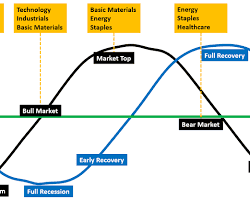
    Honestly, look, everyone is talking about market rotations right now like it’s the only thing that matters. You see it everywhere—investors jumping from the big tech giants over to smaller, “value” stocks because they think the big players have peaked. But straight up, if you actually peek under the hood at the corporate earnings, a completely different story starts to emerge.

    ​It’s easy to get swept up in the hype of where the money is moving day-to-day. To be fair, prices move on vibes sometimes, but they always settle on profits in the end.

    ​The Noise of Rotation vs. The Silence of Earnings

    ​Market rotation happens when people get bored or scared of the current winners and start looking for the “next big thing.” Lately, we’ve seen a lot of folks ditching the famous tech stocks to put their cash into companies that haven’t moved in years.

    ​But here’s the thing: rotation is often just a guess. People are betting that the underdogs will finally start winning. Corporate earnings, however, aren’t a guess—they are a cold, hard fact. While the headlines say everyone is leaving tech, the earnings reports show those same tech companies are still printing money faster than anyone else. Look, if a company is making billions and its rivals are barely breaking even, which one would you actually want to own?

    ​Why Interest Rates Aren’t the Full Story

    ​A lot of this rotation is based on what people think will happen with interest rates. They say, “When rates go down, small companies do better.” Sure, that sounds good on paper. But properly speaking, a small company with a lot of debt is still a risky bet, even if rates drop a little bit.

    ​Big corporations have spent years building up massive piles of cash. They don’t need to borrow money like the smaller guys do. In fact, many of them actually make money when interest rates are high because of the interest they earn on their own savings. So, while the market rotates based on a “feeling” about the economy, the earnings show that the big players are already safe and sound.

    ​AI: Is it Just Hype or Actual Cash?

    ​There’s a lot of talk that the AI trend is over and the bubble is popping. Honestly, that’s just talk. If you read the actual earnings files, you’ll see that AI is starting to make real money.

    • The Giants: They are using AI to make their work faster and cheaper. This means their profit margins are actually going up.
    • The Tools: The companies making the chips and the software are seeing record orders.

    The market might rotate away from these stocks because they look “expensive,” but as long as the earnings keep growing, they aren’t actually as expensive as they look. To be fair, I’d rather buy a “dear” stock that makes money than a “cheap” stock that’s losing it.

    ​The Problem with the “Underdogs”

    ​The main goal of market rotation is to find “value” in smaller companies. But straight up, many of these companies are struggling. They don’t have “pricing power.” That’s a fancy way of saying they can’t raise their prices when their own costs go up because their customers will just walk away.

    ​The big brands we all know can raise prices whenever they want, and we still pay. Earnings reports are showing this gap getting wider. The small guys are getting squeezed, while the big ones stay comfy.

    ​Cash is King (And the Giants have it all)

    ​One thing people forget during these rotations is the balance sheet. When things get shaky in the world—whether it’s politics or the economy—you want to be with the company that has the most cash in the bank.

    ​Corporate earnings show that the big firms are using their extra cash to buy back their own shares and pay out dividends. This acts like a safety net for investors. Most of the companies people are rotating into don’t have that safety net. If things go wrong, they don’t have the cash to survive a rainy day.

    ​Don’t Follow the Crowd

    ​It’s tempting to follow the herd. When you see a sector jumping 5% in a week, you want a piece of the action. But look, that’s trading, not investing.

    ​Properly speaking, you should be looking at the YoY (Year over Year) growth. If a company’s profits are growing by 20% every year, but the stock price is flat because of a “rotation,” that’s actually amazing news for you. It means you can buy a great business at a fair price while everyone else is distracted by the shiny new toy.

    ​The Real Takeaway

    • Ignore the Hype: Rotation is about where people think the wind is blowing. Earnings are about where the money actually is.
    • Quality over Price: Just because a stock is “cheap” doesn’t mean it’s a good deal. Check the profit margins first.
    • Watch the Margins: If a company is making more profit on every pound they spend, they are winning.
    • Be Patient: The market can stay irrational for a while, but eventually, the stock price has to follow the earnings.

    Honestly, market rotations will come and go. Today it’s small-caps, tomorrow it’ll be something else. But if you keep your eyes on the corporate earnings, you’ll always know the real story. Don’t let the noise of the trading floor drown out the truth of the balance sheet.

    Frequently Asked Questions

    What exactly is a market rotation?
    Look, it’s basically just a fancy way of saying investors are moving their money from one sector to another. For example, they might sell their “Big Tech” stocks and buy “Small-Cap” or “Value” stocks because they think the smaller guys are due for a win. It’s like a trend in fashion—everyone starts wearing the same thing at once.

    Why do corporate earnings tell a different story?
    Straight up, because the market moves on “vibes” and “guesses,” but earnings are cold, hard facts. While people might be selling tech stocks because they feel like the growth is over, the earnings reports often show these companies are actually making more profit than ever. The “story” in the news is about the move, but the “truth” in the bank is the profit.

    Is market rotation a bad sign for the economy?
    To be fair, not necessarily. It usually just means investors are looking for better deals or are worried about things like interest rates. It can actually be a sign of a healthy market because it shows people are willing to put money into different areas, not just the top five companies.

    Should I follow the rotation and sell my big stocks?
    Honestly, that’s a personal choice, but properly speaking, you should check the earnings first. If a company is still growing its profits and has a massive moat, selling just because “everyone else is” might not be the smartest move. Don’t let the noise of the crowd drown out the logic of the balance sheet.

    What is “Pricing Power” and why does it matter?
    This is a big one. It’s the ability of a company to raise its prices without losing all its customers. Big, successful companies have it; struggling ones don’t. During a rotation, people often buy “cheap” stocks that have zero pricing power, which means their earnings will eventually get crushed by inflation.

    Note: This is for educational purposes only. Not financial advice. We are not SEBI-registered.
  • Safe Haven Play: Gold, Silver, or Cash in 2026?

    Gold bars and Silver coins on a financial

    Safe Haven Play: Why Gold and Silver Are Stealing the Spotlight in 2026

    I was scrolling through some investor threads this morning, and the vibe is heavy—like, really heavy. People are posting screenshots of $10K Gold predictions and debating if Silver (SLV) is about to pull a massive breakout. And honestly? I get the anxiety. With the recent escalations in the Middle East and the ongoing uncertainty around international trade routes, the “Safe Haven” talk isn’t just noise anymore; it’s a survival strategy.
    If you’ve been following the markets lately, you know that 2026 hasn’t been the smooth ride many expected. Between geopolitical shocks and the constant hum of currency depreciation, the old-school metals are starting to look a lot more appealing than the volatile equity charts we’ve been staring at.

    The Fear Premium: Why Now?

    Let’s be real—markets hate surprises. And nothing is more surprising than a sudden shift in global stability. When tensions rise in major energy-producing regions, like what we’re seeing right now, investors don’t just calculate interest rates; they price in fear. This is what I call the “Uncertainty Tax.”
    In 2026, we aren’t just dealing with a simple dip. We are dealing with a world that’s trying to figure out where the next energy shock will come from. When that happens, capital doesn’t like to sit in “hopeful” growth stocks. It wants something it can touch, something that has survived every conflict in human history. That’s where the “Big Three” come in: Gold, Silver, and the cold, hard safety of Cash.

    (more…)

  • Geopolitical Dips: Why 14 Months to Recover

    stock market chart


    Geopolitical Dips: Why 14 Months to Recover


    ​I saw that screenshot floating around the other day, and honestly, the guy nailed it. He pointed out how major geopolitical shifts—like the global uncertainty that kicked off in early 2022—can drag on for up to 14 months before markets fully claw their way back. Not days, not weeks, not even a couple of quarters. Fourteen freaking months. 

    That stuck with me because I’ve watched enough cycles to know he’s not exaggerating. It’s the kind of observation that separates people who just watch charts from those who actually feel the pain in their portfolio and learn from it.


    The Core Logic: Not All Market Drops are Equal

    ​Let me break this down the way I see it after years of staring at screens and trying to keep my cool when global headlines get intense. Market sell-offs differ in cause and consequence. Some are clean, almost surgical—driven by interest rates and fundamentals. Others are messy, emotional, and sticky because they come wrapped in a thick layer of risk premium. The difference in recovery time isn’t random. It’s baked into how humans and capital react when the future stops looking predictable.

    (more…)

  • Hormuz Crisis: Top Stocks to Watch in 2026

     The Strait of Hormuz Crisis: Top Stocks and Sectors to Watch in 2026


    multiple transparent glass

    ​The global energy market is currently navigating a Regime Shift that has many institutional investors moving capital into defensive and strategic assets. The focal point of this shift is the Strait of Hormuz, a narrow waterway through which roughly 20% of the world’s total oil consumption passes every single day.

    ​When tensions rise in this region, the immediate market reaction is a speculative pop in crude prices toward the $100 per barrel mark. However, for the sophisticated investor, the goal isn’t just to watch the price of oil, but to identify the specific companies and sectors that provide a structural hedge against geopolitical volatility. In 2026, the playbook for trading a Hormuz crisis has evolved beyond simple oil futures. It is now a war of physical resources, maritime security, and accelerated technological pivots.

     The Domestic Energy Powerhouses (The Safe Haven Producers)

    ​The most direct beneficiaries of a Middle Eastern supply disruption are companies that produce oil far away from the conflict. As international supply lines face threats, the Energy Shield provided by the US Permian Basin becomes the ultimate safe haven for capital.

    ExxonMobil ($XOM) and Chevron ($CVX): These supermajors have spent 2024 and 2025 aggressively acquiring domestic shale assets. Their massive footprint in the US ensures they can continue production and distribution regardless of what happens in the Strait. When global prices hit $100, their margins on domestic crude expand significantly without the logistical risk of overseas tankers.

    Occidental Petroleum ($OXY): Frequently cited as a favorite of value investors like Warren Buffett, OXY is a pure-play bet on American energy independence. Their focus on the Permian Basin and their growing expertise in Carbon Capture make them a dual-threat asset: a hedge against oil spikes today and a leader in energy transition tomorrow.

    (more…)

  • Stock Picking or Gambling? Best UK Strategy 2026

     Stock Picking or Gambling? 2026 Investment Trend: Why Broad Index Funds Are Winning Over UK and European Investors

    smartphone displays a volatile, red-and-green


    Focus Keyword: Index Funds vs Stock Picking 2026

    ​The 2026 Investment Dilemma: Vibes vs. Fundamentals

    ​Imagine you just started investing a few weeks ago. You see brands you use every day—Reddit, Nvidia, Netflix, or Rivian—and you decide to put your hard-earned money into them because you feel they have value. But then, the market dips, and that gut feeling suddenly turns into a pit of anxiety in your stomach.

    ​If this sounds familiar, you aren’t alone. In early 2026, a massive wave of retail investors across the UK and Europe is facing the same spooky reality: stock picking based on vibes is often just disguised gambling. With the UK private school VAT crisis and shifting interest rates in the Eurozone, the margin for error has never been thinner.

    (more…)

  • Super Bowl LX & Market Moves: What to Watch

    stock market graph

    • Super Bowl LX at Levi’s Stadium could boost the Bay Area economy by up to $630 million, with 30-second ad spots reaching a record-breaking $8 million to $10 million, highlighting strong consumer spending trends.
    • Coinbase’s Q4 2025 earnings, due on 12 February, may show revenue at $1.85 billion amid crypto volatility, with institutional adoption growing but stock predictions mixed.
    • US jobs data for January, delayed to 11 February, forecasts 80,000 new jobs and a steady 4.4% unemployment rate, influencing Fed rate decisions.
    • January CPI, released on 13 February, is expected to reflect sticky inflation around 2.7%, with forecasts leaning towards 3% in early 2026 before easing.
    • Overall, these events suggest a resilient US economy with risks from inflation and policy shifts, offering opportunities in retail stocks and crypto hedges.


    Introduction


    Imagine the roar of the crowd at Levi’s Stadium in Santa Clara, California, as the New England Patriots face off against the Seattle Seahawks in Super Bowl LX on 8 February 2026. It’s not just a game—it’s a massive economic engine, pumping hundreds of millions into local businesses, advertising, and betting. But that’s just the start. February 2026 is packed with key events that could shape markets, from Coinbase’s earnings report revealing crypto trends to fresh US jobs data and CPI figures that might sway the Federal Reserve’s next moves. These aren’t isolated happenings; they’re interconnected threads in the fabric of the US economy, influencing everything from consumer spending to interest rates.

    In a year where inflation lingers above the Fed’s 2% target and AI-driven growth battles trade tensions, understanding these milestones is crucial. We’ll dive into the economic ripple effects of Super Bowl LX, including ad costs soaring to $8 million for a 30-second spot and betting expected to hit a record $1.76 billion. Then, we’ll explore Coinbase’s Q4 2025 results, set for release on 12 February, amid Bitcoin hovering around $68,000 and growing institutional interest in crypto. Next, the delayed January jobs report on 11 February could show 80,000 new jobs, with unemployment steady at 4.4%, linking wage growth to inflation pressures. Finally, if CPI sticks at 3%, the Fed might delay rate cuts, making February a make-or-break month for investors.”


    This article breaks it all down in simple terms, with facts from reliable sources like the Federal Reserve and real-world examples. Whether you’re a business owner eyeing retail stocks or an investor pondering how to hedge against inflation, these insights will help you navigate February’s economic landscape. Let’s get started.

    (more…)

  • LITE & TTMI: Top Quant Stock Picks for February 2026

     Quant Signals Split Ahead of Earnings: LITE and TTMI Shine as Strong Buys While FRMI and ELF Lag in Early 2026


    FRMI, LITE, and TTMI. symbolize growth


    Key Points


    • Seeking Alpha Quant ratings place LITE at 4.99 and TTMI at 4.97, both Strong Buy, highlighting strong momentum and growth potential ahead of their February 2026 earnings.
    • FRMI (Fermi Inc.) and ELF (e.l.f. Beauty) sit at the bottom with weaker quant signals, suggesting caution due to lower scores in profitability or value factors.
    • Earnings reports for LITE (reported 3 February 2026, beat estimates), TTMI and ELF (around 4 February 2026), and FRMI (mid-February estimate) can drive short-term price moves.
    • The 2026 market outlook remains cautiously positive, supported by stable global growth projections, but investors should use quant signals for balanced strategies.
    • No major controversy exists, but quant ratings are data-driven tools, not guarantees; combine them with fundamental analysis for the best results.


    Understanding Quant Signals
    Quant signals are computer-based scores that analyse stocks using many factors like value, growth, profitability, momentum, and earnings revisions. They help investors spot opportunities quickly.

    The Stocks in Focus
    LITE (Lumentum Holdings) and TTMI (TTM Technologies) show top quant scores. FRMI (Fermi Inc.) and ELF (e.l.f. Beauty) have lower ratings, reflecting different industry pressures.

    Earnings and Market Context
    With earnings in early February 2026, these signals guide strategies. LITE already beat expectations, boosting confidence in strong quant picks.


    This long survey note explores the recent split in quant signals for four stocks—Lumentum Holdings (LITE), TTM Technologies (TTMI), Fermi Inc. (FRMI), and e.l.f. Beauty (ELF)—ahead of their earnings reports in early February 2026. It examines what these signals mean, how they fit into the broader 2026 market outlook, earnings analysis, potential report impact, and practical stock strategies for everyday investors.

    Introduction

    Imagine you are planning a long drive. You check the weather app, road conditions, and your car’s health before starting. In the stock market, quant signals act like that dashboard. They give a quick, data-driven view of a stock’s health using many factors. Right now, in February 2026, quant signals are sending mixed messages for a group of stocks reporting earnings soon.


    On 1 February 2026, Seeking Alpha highlighted a split in quant ratings. LITE and TTMI lead with very high scores—4.99 and 4.97 out of 5—earning “Strong Buy” labels. In contrast, FRMI and ELF sit at the bottom, with weaker ratings. This split is important because earnings reports can cause big price swings. Investors use these signals to decide whether to buy, hold, or sell.


    Why does this matter in 2026? Global markets are recovering from past challenges. The International Monetary Fund (IMF) projects steady world growth of around 3.2% for 2026, with advanced economies seeing stable inflation and rate cuts from central banks like the Federal Reserve. Lower interest rates often help stocks, especially in technology and consumer sectors where these companies operate. But not all stocks benefit equally. Quant signals help spot winners and avoid laggards.

    LITE, a leader in optical components for data centres and telecom, benefits from AI demand. TTMI makes printed circuit boards, vital for electronics. FRMI (Fermi Inc.) appears linked to advanced computing or energy tech, while ELF sells affordable cosmetics and has seen fast growth, but perhaps faces competition. Earnings can confirm or challenge these signals.

    This post dives deep. We explain quant signals, analyse each stock, look at 2026 market trends, and share tips for your portfolio. By the end, you will understand why LITE and TTMI stand out and how to use this information wisely.

    What Are Quant Signals and How Do They Work?

    Quant signals come from algorithms that score stocks on multiple factors. Seeking Alpha’s Quant Rating, for example, looks at over 100 metrics. It grades Value (is the stock cheap?), Growth (future potential), Profitability (earnings quality), Momentum (price trend), and EPS Revisions (analyst updates).

    A score near 5 means Strong Buy. Lower scores suggest Hold or Sell. These ratings are useful ahead of earnings because new reports can change scores quickly.

    For instance, strong momentum and positive EPS revisions often predict good earnings surprises. In February 2026, the split shows confidence in some stocks but caution in others.

    (more…)

  • 2026 Market Outlook: Venezuela & Jobs Report Key

     
    financial news illustration

    Key Takeaways from This Week’s Market Outlook

    Post-Intervention Market Shift: Following the U.S. military strikes on January 3rd and the subsequent capture of Nicolás Maduro, investors are pivoting from ‘uncertainty’ to ‘transition.’ While crude prices spiked initially, the focus has shifted to how U.S. oversight of Venezuela’s oil reserves will impact long-term energy supply and defense sector rallies.

    Jobs Report Anticipation: The U.S. employment situation report on January 9 may signal labor market strength or weakness, influencing Federal Reserve rate decisions and stock valuations amid forecasts of modest job growth.

    Economic Data Releases: Key indicators like the Philadelphia Fed manufacturing survey and Treasury auctions this week could provide insights into inflation and growth, with global forecasts suggesting steady but moderated expansion.

    Earnings Season Kickoff: Reports from companies across sectors, including tech and finance, may highlight corporate health, with market sentiment leaning positive despite geopolitical risks.

    Overall market sentiment remains mixed. While oil and defense stocks may see gains, broader indices such as the S&P 500 could trade unevenly, with experts warning of risks tied to tariffs and future interest-rate paths.

    Navigating Geopolitical Uncertainties

    With Maduro now in U.S. custody, facing charges in New York, the ‘regime change’ premium is being priced into the markets. Trump’s announcement that the U.S. will assist in ‘running’ the transition suggests a massive opening for U.S. oil majors. While short-term volatility remains high, the long-term outlook for energy ETFs has shifted from ‘risky’ to ‘opportunistic’ as the world’s largest oil reserves move toward Western-aligned management.

    Labor Market Insights and Fed Implications

    The evidence leans toward a stable but cooling U.S. jobs market, with the January 9 report expected to show modest growth. This could prompt the Fed to hold or cut rates further in 2026, boosting bonds if weakness appears. Keep an eye on unemployment trends, as they often signal broader economic shifts.

    Broader Economic Indicators

    Other data points, such as manufacturing surveys and bond auctions, may indicate resilience in the U.S. economy. Global outlooks from institutions like the IMF point to 3.1% growth in 2026, though risks from trade tensions persist. This balanced view suggests opportunities in value stocks over high-growth tech.

    Corporate Earnings Spotlight

    Earnings from firms like those in the Nasdaq could reveal how companies are weathering inflation and geopolitics. Historical patterns show positive surprises often lift sectors, so reviewing calendars for key reports is a practical tip for portfolio adjustments.

    For more on past market reactions, check our internal guides: How Geopolitics Shaped 2025 Markets and Decoding Jobs Reports for Investors. Externally, the Federal Reserve’s site offers reliable data: Fed Economic Projections.

    (more…)

  • Private Equity’s Smart Exit Recalibration 2025

    gold coins flowing slowly

    Selling Slower, Earning Smarter: Why Private Equity is Hitting the Pause Button


    ​Honestly, if you think of Private Equity (PE), you probably imagine guys in sharp suits trying to flip companies faster than a pancake on a Sunday morning. For years, the game was simple: buy a business, tweak it for three years, and sell it for a massive profit. But look, the world has changed. In 2025, the “quick flip” is dead, and the “long game” is the only way to win.

    ​Straight up, PE firms are now holding onto companies for six or seven years—sometimes even longer. And while it sounds like they’re just being slow, it’s actually a brilliant move. They are selling slower but earning way smarter. Let’s dive into why this “recalibration” is the biggest story in finance right now.

    ​ The Farmer’s Mindset: Why Waiting is Winning

    ​Imagine you’re a farmer in the Midwest. You’ve got a field of golden wheat. Now, you could harvest it early and sell it at a discount just to get some cash in your pocket. Or, you could wait for the perfect weather, let the grain get top-quality, and wait for that one buyer who’s willing to pay a premium for the best soil in the state.

    ​That is exactly what’s happening in PE. Instead of rushing to an exit (that’s finance-speak for selling the company), firms are hitting the pause button. To be fair, they don’t have much choice. With interest rates being a bit of a rollercoaster and the stock market acting jumpy, a rushed sale in 2025 usually means leaving money on the table. By waiting, firms saw exit values jump by 40% in Q3 2025. Patience, it turns out, is literally worth billions.

    ​ The 30,000-Company Backlog

    ​Here’s a bit of “insider” info: there’s currently a massive backlog of over 30,000 companies waiting to be sold. It’s like a massive traffic jam on the M1. Everyone wants to exit, but nobody wants to be the one selling at a low price.

    ​If a PE firm forces a sale right now, they risk looking desperate. And in this market, “desperate” means “cheap.” So, the smart players are recalibrating. They are looking at their portfolio and saying, “Look, if we hold this for another two years and sprinkle some AI magic on it, we can sell it for double.”

    ​ Continuation Funds: The New “Secret Weapon.”

    At this point, you might ask, “Don’t the original investors want their capital returned?

    ​Honestly, yes. Pension funds and big investors (we call them LPs) are always itching for their cash. This is where “Continuation Funds” become relevant. These are now making up about 35% of all deals.

    ​Think of it like a relay race. Instead of finishing the race and going home, the PE firm starts a new race with the same company. They move the business from an old fund to a new one. This lets the old investors cash out if they want, while the PE firm gets another 3-5 years to build even more value. It’s a hybrid exit that’s redefining the whole industry.

    ​ Value Creation: More Than Just Cutting Costs

    ​In the old days, “improving” a company usually just meant laying people off and cutting the coffee budget. To be fair, that doesn’t work anymore. Buyers in 2025 are way savvier. They want to see real growth.

    ​This is why PE firms are becoming tech experts. They are embedding AI into boring old manufacturing companies to make them 20% more efficient. They are fixing the ESG (Environmental, Social, and Governance) scores because “green” companies now sell for a 5-10% premium. They aren’t just holding the company; they are evolving it.

    Feature

    The Old Way (Pre-2023)

    The Recalibrated Way (2025)

    Typical Hold Period


              3 – 4 Years

                6+ Years

    Primary Goal


      Fast IRR (Percentage)

    High DPI (Actual Cash Back)

    Main Strategy

    Cost Cutting & Financial Engineering.

       AI Integration & ESG Value

    Exit Vehicle


    Trade Sale or Quick IPO

    Continuation Funds (35% of deals)

    Market Result


     Rushed Sales (Lower Value)

    40% Higher Exit Values in Q3 2025

    ​ The John Deere Lesson: A Public Market Hint

    ​Even though John Deere (that massive tractor company) isn’t a private equity project, it’s a perfect example of what PE is trying to do. Deere didn’t just stay a “tractor company.” They spent years (and billions) turning into a “tech company” with self-driving tractors and AI sensors.

    ​Because they didn’t rush and stayed focused on long-term tech, their stock has outperformed the S&P 500 by 50% over the last five years. PE firms are looking at that and saying, “We want that kind of exit.” They want to sell a “tech-enabled giant,” not just a “rust-belt factory.”

    ​ The Shift from IRR to DPI

    ​Okay, let’s get a bit technical, but keep it simple. For years, PE firms bragged about their IRR (Internal Rate of Return). It’s a flashy percentage that looks great on a PowerPoint slide.

    ​But look, you can’t pay pensions with percentages. Investors now care about DPI (Distributed to Paid-In capital). What they really care about is: “How much cash did you actually return to me?” By selling slower and waiting for the right price, firms are delivering better DPI, which makes their investors way happier in the long run.

    ​ Challenges in the “Slow Lane.”

    ​Is it all sunshine and rainbows? Straight up, no. Holding a company for 7 years instead of 4 is risky. Technology changes fast. If a firm holds onto a tech company for too long without updating it, that company could become a “dinosaur” before it can sell it.

    ​There’s also the “people” problem. Keeping a management team motivated for seven years is much harder than doing it for three. It requires a different kind of leadership—one that focuses on culture, not just the exit date.

    ​ What Does This Mean for You?

    ​If you’re a student or a pro looking at the market, the lesson is clear:

    Quality is the new Quantity.  For Job Seekers: Look for PE-backed companies that are in “growth mode,” not just “cost-cutting mode.

    For Investors: Focus on firms with a “value creation” playbook, not just a “financial engineering” one.

     The 2026 Outlook

    ​As we move through 2026, expect to see more of these “bespoke” exits. We’ll see fewer IPOs but much larger, more strategic sales to big corporations. The exit “drought” of 2023 is over, but it has been replaced by a market that rewards patience over speed.

    ​ The Bottom Line

    ​Honestly, Private Equity’s recalibration is a good thing. It forces firms to actually make companies better rather than just move money around. By selling slower and earning smarter, the industry is becoming more sustainable and, ultimately, more profitable.

    ​Slow and steady might not sound exciting, but in the world of 2025 finance, it’s the fastest way to a fortune.

    FAQ: Your Quick PE Exit Guide

    Why is PE selling so slowly right now? 

    Mostly because they want to wait for higher valuations and avoid selling at discounted prices in a jumpy market.
    What is a continuation fund? 
    It’s when a PE firm moves an asset to a new fund to keep it longer, allowing some investors to cash out while keeping the growth going.

    Does AI really help the sale? Properly! Companies with embedded AI can see their valuation multiples jump by 2-4x because they are seen as “future-ready.”
    Is the exit market improving? Yes, values are up 40% year-over-year, but buyers are being much more selective about what they buy.

    What’s your take? Would you rather have a quick 15% return or wait three extra years for a 30% return? Let’s chat in the comments!

    Note: This is for educational purposes only. Not financial advice. We are not SEBI-registered.
  • Microsoft Q1 2026: 18% Revenue Surge on AI Boom

     
    Microsoft’s modern campus

    Microsoft’s Big Earnings: Is the AI King Finally Taking the Full Crown?

    ​Honestly, if you’ve been following the tech world lately, Microsoft’s latest earnings report (Q1 FY2025) feels like watching a seasoned pro show everyone else how it’s done. While other companies are still trying to figure out what “AI” actually means for their bank accounts, Microsoft is out here turning it into a proper money-making machine.

    ​Look, the numbers are massive—we’re talking about an 18% jump in revenue, hitting over $77.7 billion. But straight up, it’s not all sunshine and rainbows. Behind those big headlines from late 2024, there are a few “shadows” that investors are a bit twitchy about. From gaming slumps to massive spending on data centers, let’s break down what’s actually happening behind the scenes.

    ​The Cloud is the Real MVP: Azure’s 40% Sprint.

    ​Straight up, the biggest hero in this story is Azure. If you aren’t a tech geek, just think of Azure as the massive digital engine that runs everything from your banking app to your favorite online games. It’s what the modern internet is built on.

    • Growing a Giant: To be fair, growing a business that is already worth billions by 40% is nearly impossible. But Microsoft did it in this Q1 report. Why? Because every company on earth—from tiny startups to massive banks—is now desperate to build its own Artificial Intelligence.
    • The AI “Tax”: Think of Azure like a digital landlord. Every time a company wants to run a chatbot or analyze data with AI, they have to pay “rent” to Microsoft. This isn’t just a one-time thing; it’s a recurring revenue machine.
    • The AI Workload: Microsoft mentioned that a huge chunk of this growth is coming directly from AI workloads. It’s not just “storage” anymore; it’s about pure intelligence.

    Copilot Everywhere: The Office Revolution

    ​You’ve probably seen that little colorful “Copilot” icon popping up in your Word, Excel, or PowerPoint. Honestly, at first, people thought it was just a gimmick—like a fancy version of the old “Clippie” from the 90s. But now, the numbers tell a different story.

    ​Copilot interactions have been hitting massive numbers—over 1 billion a month. People aren’t just playing with it; they are using it to write 50-page reports, summarize two-hour meetings they missed, and crunch massive spreadsheets in seconds. To be fair, if you’re a business owner, paying a few extra pounds a month to save your staff hours of work is a total no-brainer. This “AI upselling” is helping Microsoft squeeze more profit out of every single user in the Office 365 ecosystem.

    ​The Cybersecurity Shield: Microsoft’s Hidden Fortress

    ​One thing people often forget is that Microsoft is now one of the biggest security companies in the world. Look, in a world where hackers are everywhere, Microsoft is using AI to stop them.

    ​Their security business is now a massive part of their revenue. Companies aren’t just buying Windows anymore; they are buying the “shield” that keeps their data safe. From banks using Copilot for fraud detection to factories using Azure IoT to monitor for digital intruders, the real-world impact is already here. This isn’t just hype—it’s a vital service that companies literally can’t live without. It’s a silent giant in their earnings report.

    ​The Gaming Headache: What’s Going on with Xbox?

    ​Look, we have to talk about the elephant in the room: Xbox. While the rest of the company is flying, the gaming side looks like it’s tripped over its own feet.

    • Hardware Slump: Xbox hardware sales (the actual consoles) were down by a massive 29%. Why? Well, to be fair, we are deep into the console cycle, and Sony’s PS5 has properly dominated the market.
    • The Pivot to Software: Microsoft is playing a risky game here. They are moving away from just selling boxes. They want you to use Game Pass on your PC, your phone, or even your rival’s console.
    • The Call of Duty Strategy: Putting big games like Call of Duty on the PlayStation was a massive move. It brings in immediate cash, but it makes you wonder: do we even need an Xbox console anymore? It’s a bold pivot, but it’s making the “hardcore” fans a bit nervous.

    The OpenAI “Sting” and the $80 Billion Gamble

    ​Here’s where it gets a bit messy and technical. Microsoft has a massive stake in OpenAI (the people behind ChatGPT). Because of how accounting rules work, Microsoft had to report a $3.1 billion loss on that investment this quarter. Last year, that loss was only $523 million.

    ​Investors hate seeing the word “loss,” but honestly, you have to look at the bigger picture. This investment is what gives Microsoft its “AI edge.” Without OpenAI, Microsoft would just be a company that makes boring software. OpenAI is the leader of the future.

    ​However, they are also spending billions on “Capex”, which is basically building data centres and buying chips from NVIDIA. That’s a massive financial figure. It’s like betting the entire house on a single horse race. If AI demand stays high, they win big. If it slows down? Properly expect a massive reality check.

    ​The Azure “Hiccup” of October

    ​We also can’t forget the massive Azure outage that happened back in October. It hit over 10,000 users and was one of the worst they’ve had in years. Look, when you’re the “Cloud King,” you can’t have the lights go out. It made some big businesses a bit nervous about putting all their data in one place. Management says they’ve added “redundancies” to stop it happening again, but the market is watching them like a hawk now. It’s easy to break confidence, but tough to rebuild it.

    ​Investor Tips: Navigating the Drama

    ​The market loves drama, and after these results, Microsoft’s stock actually wobbled and dropped a bit. Why? Because the market is “impatient.” They see the massive spending and the OpenAI loss, and they get jitters.

    Avoid being distracted by short-term volatility. Smart money isn’t looking at a 3% dip this week; they’re looking at the fact that Microsoft is now the “operating system” for the AI era.

    • Buy the Dip? If you believe that AI is the future of humanity, then Microsoft at 35x P/E is still a very solid shout for a long-term hold.
    • Watch the Guidance: The most important number for the next quarter is Azure growth. If it stays in the mid-30s, the stock will likely recover quickly.

    Frequently Asked Questions (The Real Scoop)

    1. Did Microsoft actually beat its earnings expectations?

    Yes! They topped revenue targets by over $2.2 billion, and earnings-per-share (EPS) hit $4.13. On paper, it was a massive win across almost every department.

    2. Why did the stock drop if they beat the numbers?

    Straight up, it was the “spending fear.” Spending so much on AI factories makes investors nervous about their profit margins. Plus, the loss from the OpenAI stake and the memory of the October outage didn’t help.

    3. Is Xbox going to disappear?

    Probably not as a brand, but the “box” itself might become less important. Microsoft is focusing on “content and services.” They want to be the “Netflix of Gaming” where you play their titles on any device you own.

    4. How much did Azure actually grow?

    It grew by a staggering 40% year-over-year. This was the main reason the Intelligent Cloud division brought in so much cash. AI workloads are now the biggest driver of this growth.

    5. What is the “OpenAI Sting”?

    Microsoft owns a big chunk of OpenAI. Because OpenAI is spending billions to build the next version of ChatGPT, Microsoft has to show its share of those losses on its own balance sheet. It looks bad on paper, but it’s the price they pay for having the best AI tech in the world.

    ​Conclusion: A Giant in Transition

    ​Wrapping it up: Microsoft is still the king of the mountain, but the mountain is getting more expensive to climb. With $77.7 billion in revenue and Azure sprinting at 40%, they are clearly winning the AI race.

    ​Yes, gaming is a bit of a headache, and yes, they are spending money like it’s going out of fashion. But in this era, if you aren’t at the front of the pack, you’re basically invisible. For patient investors, Microsoft remains one of the safest and most exciting bets in the tech world.

    What’s your take? Is the massive spending a smart move or an AI bubble waiting to burst? I’d love to hear your take—comment below!

    Note: This is for educational purposes only. Not financial advice. We are not SEBI-registered.