Tag: ​Investing Tips

  • War Economy 2026

    War Economy 2026: Why Your Food, Fuel, and Savings are Under Attack
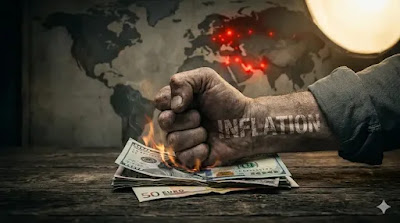
    US Dollar and Euro banknotes on a wooden table.

    Look. Let’s get real for a second. Most of us just scroll past the news. We see drones over Eastern Europe or some tanker stuck in the Middle East, and we shrug. We think, “That’s a world away.” But honestly? That is a massive mistake. Every single time a missile slams into a Russian oil depot or Iran threatens to choke the Strait of Hormuz, an invisible hand reaches right into your bank account. We are living in a full-blown “War Economy” here in 2026. Whether you are a student in London, a professional in New York, or a shop owner in Berlin, the price of your morning coffee and your car’s fuel is being decided in war rooms you’ll never see. Believe me, it is all connected.

    ​ The Energy Nightmare: Is $150 Oil the New Normal?

    ​Straight up, the biggest punch to your gut comes from the energy market. In early 2026, Brent crude surged past $120. It even flirted with $150 per barrel. This isn’t just some boring number on a ticker. It’s the reason your cost of living is absolutely skyrocketing.

    • The Russian Supply Chain: Ukraine has been hitting Russian oil storage and refineries with brutal precision. When one of the biggest exporters on the planet loses its infrastructure, global supply just vanishes. Even giants like Shell and BP are hiking prices because the “Risk Premium” is simply through the roof.
    • The Hormuz Chokehold: This is the “nuclear option” of trade. About 20% of the world’s oil and liquefied natural gas (LNG) moves through the Strait of Hormuz. With US-Iran tensions peaking, this route is effectively a ticking time bomb.
    • The Global Fallout: When 20 million barrels of oil a day are at risk, prices don’t just “rise”—they explode. For anyone in the West, this means heating bills and gas prices jumping by 30% in a single month. It is properly painful.

    ​ 

    Agricultural Economics: Your Grocery Bill is a Battlefield

    ​You might wonder what a drone strike in Russia has to do with the price of a loaf of bread in New Jersey. Or a supermarket in France. Honestly? Everything.

    • The Breadbasket is Burning: Russia and Ukraine are essentially the world’s supermarket for wheat and corn. With the conflict intensifying this year, grain is being used as a geopolitical weapon. Russia is basically weaponizing the harvest. They are controlling who gets to eat and who pays double.
    • The Fertilizer Crisis: Making fertilizer takes a massive amount of natural gas. Since gas prices are hitting record highs due to the Middle East blockade, fertilizer has become insanely expensive.
    • The Brutal Result: When a farmer in Iowa or the UK has to pay double for fertilizer and fuel for their tractor, they pay for it at the checkout counter. Every gallon of milk and every box of cereal goes up. This is “Agricultural Economics” at its most heartless.

    farmer's weathered hands holding a handful

     Military Finance: Who is Footing the Bill?

    ​This is the part politicians love to gloss over. Military Finance. War isn’t just about guts and glory. It’s about massive amounts of cold, hard cash moving through the system.

    • The $105 Billion Tab: The European Union recently cleared a staggering $105 billion aid package for Ukraine. Mind you, this isn’t “found” money. It comes directly from taxpayer funds. Or massive government debt.
    • The Debt Trap: When governments dump billions into missiles and defense systems from companies like Lockheed Martin, they have less to spend on your roads. Your healthcare. Fixing inflation.
    • The “Invisible Tax”: This level of spending triggers “Imported Inflation.” Governments are borrowing more. This devalues your currency. Your $100 bill or €100 note simply buys less than it did last year. It’s a hidden tax on your savings.

    ​ 

    The Hormuz Factor: The US-Iran Standoff

    ​US-Iran tension? It’s basically the biggest wildcard we’ve got for 2026. No one knows which way it’ll flip. With the US Navy trying to keep shipping lanes open and Iran using the Strait as a strategic shield, we’re looking at a potential maritime disaster.

    • The War on Trade: If shipping insurance rates jump by 400% because of the risk of mines or seizures, every single thing you buy gets a price hike. From iPhones to car parts.
    • Supply Chain Collapse: It’s not just about oil. The electronics and chemicals moving between Asia and Europe rely on these waters. A chokehold on Hormuz means your next tech upgrade could be delayed by six months. And cost you a fortune.

    Strait of Hormuz digital counter

     The Impact on the Western Professional

    ​If you’re working a 9-to-5 in a Western city, you’re likely feeling “Stagflation.” That nasty mix where the economy slows down but prices keep climbing.

    • The Real-World Pay Cut: Even if you got a 3% raise, if inflation is at 8% because of energy costs, you actually took a 5% pay cut this year. Properly frustrating, isn’t it?
    • The Small Business Squeeze: Small firms are getting crushed. If a local logistics company in Chicago or London has to pay 40% more for fuel, they either pass that cost to you or they close their doors. There is no middle ground.

    ​ 

    Actionable Advice: Protect Your Money Properly

    ​You can’t stop a global conflict. But you can stop your finances from sinking.

    1. Hedge for Real: Historically, gold and commodities win during wars. Consider diversifying your portfolio with energy-sector ETFs that actually profit from these rising prices.
    2. Cut the Cord on Oil: This is the best time to invest in home insulation or heat pumps. Getting off the fossil fuel rollercoaster is the only way to beat geopolitical volatility long-term.
    3. The “Volatility Buffer”: Assume your utilities and groceries will stay 20% higher than last year. Build a cash buffer specifically for these price spikes. Don’t get caught off guard.
    4. Increase Your Earning Power: In a war economy, digital skills are your best defense. High inflation means you need to be able to demand a higher salary. Or freelance for a stronger currency.

    FAQ: Your Burning Questions

    Q: Will prices drop if they sign a ceasefire tomorrow?

    A: Honestly, no. Supply chains take years to rebuild. The “Risk Premium” that traders put on prices will stay high for a long time. Don’t expect a quick fix.

    Q: Should I move my savings into a different currency?

    A: To be fair, most major currencies (USD, EUR, GBP) are in the same boat because they’re all tied to global energy. Diversifying into physical assets like gold is usually a safer bet in 2026.

    Q: Why does the US care if it has its own oil?

    A: Because oil is a global commodity. Even if the US pumps its own oil, the price is set by global events. If Hormuz closes, everyone pays more. Period.

    Conclusion: Stay Informed, Stay Ready

    ​The OPEC+ production boost is a tiny band-aid on a deep wound. As long as the Strait of Hormuz is under threat and the war in Europe rages on, this “War Economy” is our reality. We are in a period of low growth and high costs. The only way to survive is to stay informed, adapt fast, and manage your money with an eagle eye.

    Call to Action:

    Are you feeling the heat at the grocery store or the gas station? Have you found a clever way to cut costs during this crisis? Drop a comment below—let’s share some real strategies to survive this 2026 economic storm together!

    Note: This is for educational purposes only. Not financial advice. We are not SEBI-registered.

  • Market Weekend Traps: Why Monday Openings Are a Grift?

    Why the Market Goes Mental on Weekends

    Why Does the Market Always Go Mental on Weekends?

    ​I was having a proper quiet coffee yesterday morning, just staring out the window and watching the rain, when I started thinking about how much of a nightmare the last few weekends have been for my portfolio. It’s funny, isn’t it? You spend all week watching the charts like a hawk, and then the moment you try to relax on a Sunday afternoon, some massive news drops. Suddenly, your quiet weekend is ruined, and you know Monday morning is going to be a total car crash.

    ​Honestly, it feels like the big players—the massive banks and hedge funds—just wait for us to go to sleep before they start moving the furniture around. Let’s have a proper chat about why the weekend is actually a giant trap for normal people like us, and how the “big boys” use the quiet hours to their advantage.

    The “Back Door” is Always Open

    ​Look, we’re told by everyone that the market closes on Friday evening and opens again on Monday morning. That’s a lie. Well, it’s a lie for the big institutions anyway. While the front door is locked tight for retail traders like you and me, the back door—what they call the “Futures” and “After-hours” markets—is wide open.

    ​Think of it like a massive nightclub. We’re all kicked out at 10 PM, but the VIPs are still inside making deals until the sun comes up. Because there aren’t many people trading on a Saturday or Sunday, the market is what we call “thin.” This is a bit of a technical way of saying there isn’t much cash flowing.

    ​Straight up, the big boys use this to their advantage. Since there are fewer people at the table, a tiny bit of money can move the price a massive amount. If a hedge fund wants to push the price of oil up or gold down, the weekend is the perfect time to do it. By the time you wake up on Monday and check your app, the price has already “gapped.” You’re left chasing a ghost while they’ve already banked their profit.

    The “Sunday Night Jump Scare”

    ​Have you ever seen a price chart where the line just… stops? It’s sitting at £100 on Friday afternoon, and then magically, it starts at £92 on Monday morning. There’s no line connecting the two points. It’s like the price just teleported. We call that a gap, but to me, it feels more like a jump scare in a dodgy horror movie. You’re not prepared for it, and it hits you right in the gut.

    ​This happens because all the bad news from the weekend gets piled up like a mountain of rubbish. Take those $2.6M tanker fees everyone was whispering about, or the fresh tensions in the Middle East. While you were out for a walk, the world was still turning.

    ​When the bell rings on Monday, every single sell order hits the system at the exact same second. It’s a proper stampede. If you had a safety net—a stop-loss—at £95, the market completely skips it. It doesn’t matter that you had a plan. You’re sold out at £92 before you’ve even had your first sip of tea. It’s proper gut-wrenching, and it’s how normal traders lose their shirts.

    Why Gold Isn’t the Hero Anymore

    ​To be fair, we used to think Gold was the ultimate hero. Whenever things got scary on a Sunday, everyone would say, “Buy Gold!” But lately, Gold has been acting a bit weird. It’s not jumping up like it used to when trouble breaks out.

    ​The reason is simple: cash is king again. When things look dodgy, the big fund managers don’t run to Gold; they run to US Dollars. Why? Because right now, the interest rates are so high that you actually get paid a decent amount just to sit on your cash.

    ​Why hold Gold, which pays you £0 in interest, when you can put your money in government bonds and get a guaranteed 5% return? This “Flight to Cash” is why the market bleeds on a Monday morning. It’s not about logic anymore; it’s just about who’s paying the most interest at that specific moment.

    ​The Weekend “Grift” and the Psychology of Fear

    ​Let’s be real for a second and talk about the “Grift.” A lot of the drama we see on a Sunday evening is just noise designed to make you emotional. The big institutions know exactly what they’re doing. They know that we spend our Sundays scrolling through the news, getting more and more worried.

    ​They want you to be scared. An emotional trader is a predictable trader. If they can make the charts look scary enough on Sunday night using the “thin” market, they know you’ll probably panic-sell the moment the market opens on Monday.

    ​And guess who’s standing there, ready to buy your shares for a massive discount? Yep, the same people who made the chart look scary in the first place. They set the narrative, wait for us to freak out, and then they take the opposite side of the trade. It’s a cycle that’s been happening for decades, and we fall for it every single time because we’re human.

    The “Hidden” Costs of Global Tension

    ​While we’re talking about the grift, let’s look at things like those $2.6M tanker fees again. When news like that comes out on a Saturday, the headlines focus on the oil price. But the real story is the hidden cost. These massive fees eat into the margins of big companies, but the “big boys” have already priced that in while we were sleeping.

    ​By the time you read about it in a blog or see it on the news, the move has already happened. The market isn’t reacting to the news on Monday; it’s reacting to the trades the insiders made on Saturday night. It’s a proper stitch-up, and it’s why trading based on weekend headlines is a losing game for most people.

    How to Stay Sane (and Keep Your Money)

    ​So, what’s the plan? How do we stop being the “prey” in this weekend’s safari? Honestly, the best move is to stop being a “Weekend Warrior.” It’s hard to do, but it’s the only way to survive.

    • Ignore Sunday Night Prices: Straight up, those Sunday night prices are often fake-outs. The real direction of the market usually doesn’t show up until Tuesday afternoon when the big institutions have finished their games.
    • Turn Off the News: If a company is actually good and you bought it for the long term, a headline about oil tankers shouldn’t change your plan. If you’re checking the news every ten minutes on a Sunday, you’ve already lost.
    • Trade Small: If you’re sitting there on a Sunday night worrying about a “gap” wiping you out, it means you’re trading way too big. Scale it back so you can actually sleep.

    The Bottom Line

    ​The market doesn’t move on the weekend because it’s smart. It moves because it’s empty. It’s the time when the shadows are longest, and the big players can manipulate things without being seen.

    ​Don’t let the Sunday night dread get to you. Close the laptop, go for a walk, and let the “experts” fight it out. Most of the time, the best thing you can do for your money is absolutely nothing at all. Let the dust settle on Monday, have your tea, and only then decide what to do.

    Frequently Asked Questions (FAQs)


    1. Is it actually safe to trade on a Sunday night? Honestly? 

    Not really. Sunday night is when the “Futures” market opens, and the big banks start moving things around. Because there aren’t many people trading, the prices can jump all over the place. It’s a bit of a dodgy time to put your money down, to be fair. Most people are better off waiting until Tuesday when things have settled a bit.
    2. Why does the price of Oil change so much over the weekend? 

    Look, the world doesn’t stop turning just because the London Stock Exchange is closed. If something happens in the Middle East on a Saturday—like a tanker getting stuck or a new fee being announced—the big hedge funds react instantly. By the time Monday morning comes, the price has already “gapped” to a new level.
    3. Will Gold always save my portfolio during a crisis? 

    Not always, no. People used to think Gold was the only safe place, but these days, cash is a massive competitor. If the US government is paying high interest on cash, big investors might prefer that over Gold. It’s all about where the “big boys” can get the best return for the least risk.
    4. What is a “Market Gap” and why should I care? 
    Imagine the price of a stock closes at £100 on Friday and then magically starts at £92 on Monday morning. There’s no trading in between; it just teleports. That’s a gap. It’s dangerous because it can skip right over your “safety net” (stop-loss), meaning you lose more money than you planned.
    5. How can I protect my money from weekend volatility? The best way is to keep your trades small. If a 5% jump on Monday morning is going to ruin your week, you’re trading too big. Also, straight up—just stop checking the charts on a Sunday night. Most of that noise is just there to scare you into making a mistake.

    Note: This is for educational purposes only. Not financial advice. We are not SEBI-registered.

  • On Holding Stock Slumps 14% on 2026 Outlook

    Swiss Sneaker Giant On Holding Plunges 14% — Is the Running Boom Finally Slowing Down?


    a sleek Swiss-designed running

    Key Takeaways

    • The Swiss sneaker brand warned of slower revenue growth, disappointing Wall Street analysts.
    • Despite strong brand momentum, investor sentiment has shifted cautiously in the global footwear sector.
    • The wider shoe industry faces headwind,s including rising costs, currency pressures, and soft consumer spending.ng
    • Long-term growth potential remains, but short-term volatility is likely for On Running stock.


    Introduction: When a Hot Brand Hits a Cold Wall


    Imagine you have just discovered a new favourite restaurant. The food is brilliant, the queues are long, and everyone is talking about it. Then, one morning, the owner steps outside and says, “We expect fewer customers next year.” Suddenly, people start to worry. Is something not right? Has the magic run out?

    That is more or less what happened to On Holding AG, the Swiss company behind the wildly popular On Running trainers, in early 2025. The company — known for its cloud-shaped soles and sleek Swiss design — saw its share price crash by nearly 14% in a single trading session after it warned investors that growth in 2026 would be slower than previously hoped.

    For a brand that had been one of the most exciting stories in global sport and fashion, this was a significant moment. But does one bad day on the stock market mean the company is in real trouble? Or is this simply a bump on a very long road?


    What Happened to On Holding Stock (ONON)?


    The Forward Guidance That Raised Red Flags

    In the world of stock markets, a company’s guidance — its own forecast for future sales and profits — is often more important than its current results. When a company tells investors, “We expect things to slow down,” markets tend to react quickly and often harshly.

    That is precisely what happened with the ONON stock. On Holding reported solid recent performance, but its forward-looking statements for 2026 fell short of analysts’ expectations. The company signalled that revenue growth would be more modest than the rapid pace seen in previous years.

    The result? A swift market drop. Shares dropped by nearly 14%, wiping out a substantial chunk of market value in just one day.

    To put that in perspective — a 14% single-day drop for a major brand is the stock market equivalent of a professional sprinter pulling a hamstring mid-race. It quickly turns heads.

    Why Did Growth Slow?

    Several factors appear to be weighing on On Holding’s outlook:

    • Currency headwinds: The Swiss franc is a strong currency. When On Holding sells trainers in the US or Europe, the revenue converts back to francs at less favourable rates, squeezing profits.
    • Slowing consumer spending: According to the International Monetary Fund (IMF), global consumer confidence has been under pressure due to sticky inflation and higher interest rates in key markets like the US and Europe.
    • Increased competition: Nike, Adidas, New Balance, and newer brands like Hoka are all fighting fiercely for the same customer — the fitness-conscious, style-aware shopper willing to spend £150 or more on a pair of trainers.
    • Post-pandemic normalisation: The explosive growth in running and outdoor fitness gear during 2020–2023 was partly driven by pandemic-era lifestyle changes. That tailwind has eased.


    The Bigger Picture: What’s Happening in the Footwear Market in 2026?


    A Market Under Pressure

    The global footwear market is worth over $400 billion, and premium sports footwear is one of its fastest-growing segments. But 2026 is shaping up to be a more challenging year than many brands had hoped.

    The World Bank has flagged that growth in advanced economies is expected to remain subdued, hovering around 1.5%–1.8% in 2026. When household budgets feel squeezed, discretionary items like £180 running shoes are often the first things people delay buying.

    Investor sentiment across the shoe industry has shifted as a result. Even brands with strong fundamentals are being viewed more cautiously.

    Metric                               Current Value (March 2026)                     Analysis

    Current Stock Price         $42.44 – $42.89                      Stabilizing after the 14% crash

    Single-Day Drop –             14%                           Reacting to conservative 2026 guidance

    52-Week High                   $61.29                     Trading at a ~30% discount from its peak

    2026 Revenue Guidance ~23% Growth, Lower than previous high-double-digit trends

    EPS (Earnings Per Share)   $0.31                     Beats estimates, showing strong profitability

    (more…)

  • Lloyds to £1 by Christmas? Buy Now?

     Lloyds share price: will it actually hit £1 by Christmas?

    Lloyds Share Price Near £1: Christmas 2025 Rally?


    ​To be fair, if you’ve been holding Lloyds shares since last year, you’re probably feeling like a bit of a genius right now. I’m telling you, this stock has been on a proper tear. Since November 2024, the price has surged over 65%. We are sitting at around 93p, and the big question in every London pub and New York trading floor is: “Can it smash through the £1 barrier before Santa arrives?”

    ​The thing is, Lloyds isn’t just any bank. It’s the biggest retail lender in the UK with over 30 million customers. When the UK economy breathes, Lloyds feels it. And right now, the lungs of the British economy are looking surprisingly strong. Let’s get into the raw details of why this rally is happening and whether it’s a smart move to jump in now or just watch from the sidelines.

    ​The secret sauce behind the 2025 surge

    ​Let’s get into it—the interest rate environment in 2025 has been a total gift for banks. The Bank of England has been cutting rates, moving from 5.25% down toward 4.25%. Now, usually, you’d think lower rates hurt banks, but I’m telling you, it’s actually the opposite for a mortgage giant like Lloyds. Lower rates mean more people are finally feeling brave enough to buy homes again.

    ​Their mortgage book is a monster—over £300 billion. When the housing market moves, Lloyds makes a killing on fees and new loans. Even though their Q3 pre-tax profit dipped slightly to £1.17 billion due to one-off costs, their underlying income is actually up 5%. The thing is, the engine is humming perfectly. ceo charlie nunn is calling it “positive momentum,” and for once, the city actually believes him.

    ​Analyst whispers: Is £1 a pipe dream or a reality?

    ​To be fair, analysts are usually a cautious bunch, but right now, they are sounding pretty bullish. The investment bank Jefferies has set a bold 105p price target for the stock. I’m telling you, that’s not just a guess—it’s based on a rock-solid balance sheet and the fact that Lloyds is buying back its own shares like crazy.

    ​The thing is, Lloyds is munching up about 1% of its own shares every single month. It’s a classic value play that reduces supply and pushes the price up. If we keep going at the current pace of 2% growth per week, hitting £1 by Christmas is totally doable. But I’m telling you, it won’t be a straight line. There are always a few “Grinches” in the market that could spoil the party.

    ​The dividend gift: a win for income hunters

    ​If you’re looking for passive income, Lloyds is looking like a proper festive treat. The forecast yield for 2025 is sitting at 3.99%, and it’s expected to hit 4.6% in 2026. In a world where savings accounts are starting to pay less as rates drop, a 4% yield is hard to ignore.

    ​The thing is, Lloyds has a massive £7 billion capital return plan. They are practically throwing cash at their shareholders through dividends and buybacks. Compared to a company like John Deere in the US, which has been a bit up and down lately, Lloyds offers that steady, boring British reliability that many investors crave during uncertain times. I’m telling you, reinvesting those dividends could be the best gift you give your future self this Christmas.

    ​The risks: what could kill the holiday vibe?

    ​To be fair, it’s not all mince pies and mistletoe. There are real risks here. The UK economy is still a bit shaky, with growth forecasts at a modest 1.1%. And then there’s the motor finance scandal. Lloyds has already set aside £700 million for potential payouts, but if that number balloons to a billion, it’s going to hurt.

    ​I’m telling you, the market hates surprises. If we get another regulatory hit or if the Bank of England decides to stop cutting rates because inflation gets sticky again, that £1 target will vanish faster than a Christmas turkey. The thing is, you have to be diversified. Putting all your eggs in the Lloyds basket is a risky game, no matter how shiny the bird looks right now.

    Lloyds vs the world: how it stacks up

    ​When you look at other banks like NatWest or Barclays, Lloyds is actually leading the pack in 2025. Investors have been piling into Lloyds Banking Group because of its strong margins, attractive valuation, and expectations for solid future growth, helping it outperform NatWest Group. Because Lloyds is “pure” UK retail. It doesn’t have the messy global exposure that hsb or Barclays have to deal with.

    ​The thing is, in a world of geopolitical trade wars and global uncertainty, being the “bank of the British high street” is actually a safe place to be. Analysts are seeing the value in that domestic stability. Even when you compare it to a US giant like JPMorgan, Lloyds wins on the dividend yield. I’m telling you, for a value investor, this is looking like one of the best plays of the year.

    ​faq – stuff you actually want to know (no fluff)

    q: Will Lloyds actually hit £1 by Christmas 2025?

    The thing is, it’s a “maybe” with a lean toward “yes.” At 93p, it only needs a 7-8% push. If holiday spending is strong and the Bank of England sounds dovish in December, I’m telling you, £1 is a very realistic target. But to be fair, don’t bet your house on it.

    q: Why is the share price rising when profits dipped?

    I’m telling you, the dip was mostly because of one-off provisions and old scandals. The core business—mortgages and credit cards—is actually making more money. Investors care more about future growth than past headaches. The thing is, the “underlying” strength is what’s driving the price.

    q: Is Lloyds better than NatWest for dividends?

    To be fair, both are strong, but Lloyds currently has a more aggressive buyback programme. I’m telling you, if you want a mix of price growth and steady income, Lloyds has a slight edge right now. tThe3.99% forecast yield is properly juicy for 2025.

    q: What should I do if I want to buy now?

    The thing is, don’t just jump in at the peak. Look for a small dip to around 91p or 92p. I’m telling you, dollar-cost averaging is your best friend. Buy a little now, and if it drops, buy a little more. Make sure you’re using a Stocks & Shares ISA so those gains stay in your pocket, not the taxman’s.

    q: What’s the biggest danger to the stock right now?

    I’m telling you, it’s the UK economy. If people stop spending because of the budget or if unemployment ticks up, loans go bad. The thing is, Lloyds is the pulse of the UK, so if the country catches a cold, Lloyds gets the flu. Keep a close eye on the Bank of England’s December meeting.

    the final verdict

    ​At the end of the day, Lloyds Banking Group is looking like the comeback kid of 2025. The surge is real, the buybacks are working, and the dividends are delicious. Whether it hits £1 on December 24th or January 5th doesn’t really matter—the long-term trend is looking up.

    ​What’s your move? Are you holding on for that magic £1 mark, or are you taking your 65% profit and running? Let’s talk in the comments—the market never sleeps, and neither should your strategy.

    Note: This is for educational purposes only. Not financial advice. We are not SEBI-registered.

  • Quantum Stocks Q3 2025: Earnings Preview & Outlook

     
    Quantum Stocks Earnings

    Quantum Computing Stocks: Is the Q3 2025 Earnings Season a “Gold Mine” or a Bubble?

    if you had told me five years ago that we’d be talking about computers that use “atoms” to think, I’d have said you’ve been watching too much Marvel. But here we are in late 2025, and Quantum Computing is no longer just science fiction—it’s a proper stock market obsession. As we head into the November earnings season, investors are buzzing. We’re seeing stocks like D-Wave surge over 300% this year. But let’s be real for a second: Is this the start of a legendary tech boom, or are we just riding a massive hype bubble that’s about to pop?

    ​If you’re new to this, think of it this way: Today’s fastest supercomputers are like a librarian looking through books one by one. A Quantum computer? It’s like a librarian who can read every book in the building at the exact same time. It’s scary fast. We’re talking about technology that could solve problems in seconds that would take today’s machines millions of years. For investors, that sounds like a money-making machine. But as we look at the Q3 2025 results, we need to separate the “Magic” from the “Math.”

    ​The Heavy Hitters: IBM, Google, and the Big Tech Edge

    ​To be fair, the safest way to play the quantum game has always been through the giants. On October 22, IBM dropped its Q3 numbers, reporting a solid $16.3 billion in revenue. Tucked away in their report was a breakthrough in “error correction”—basically making their quantum machines more reliable. IBM isn’t just building a cool toy; they are weaving quantum into their cloud business, which is projected to bring in $27 billion by 2026.

    ​Then you have Alphabet (Google). They just had their first-ever $100 billion quarter! Their “Sycamore” processor is already doing things like climate modelling that was impossible before. When CEO Sundar Pichai talks about “AI-Quantum synergies,” he’s not just using buzzwords. He’s talking about a future where Google’s AI gets a massive “Quantum Brain” to make it even smarter. If you want stability, these big guys are the way to go, even if quantum is only a small slice of their massive pie.

    ​The Pure-Plays: High Reward, Higher Risk

    ​Now, if you’re a “savvy” investor looking for those 10x gains, you’re probably looking at the “Pure-Plays”—companies like IonQRigetti, and D-Wave. These guys live and breathe quantum.

    • IonQ: They are reporting on November 5, and analysts are expecting their revenue to jump by 130%. They’ve got a massive $95 million backlog of orders. But—and it’s a big “but”—they are still losing money. About $0.44 per share, to be exact. It’s a classic tech startup story: massive growth, but burning through cash like there’s no tomorrow.
    • D-Wave: These guys have been the absolute darlings of 2025, with their stock up over 340%. They’ve partnered with Nvidia, which is like getting a stamp of approval from the king of tech. They are focusing on “optimisation”—basically helping companies like Ford figure out the fastest way to deliver goods. But with a valuation that’s 200 times their sales, you have to wonder if the price has gotten a bit too ahead of reality.

    Why Q3 2025 is a “Reality Check”

    ​This earnings season is a proper litmus test. For the last two years, we’ve heard all about the “Potential” of quantum. Now, Wall Street wants to see the “Receipts.”

    ​The US government’s CHIPS Act has pumped $1.2 billion into this sector, and we are seeing partnerships bloom with big banks like JPMorgan for fraud detection. But the “Cash Burn” is still real. Startups are losing between $100 million and $200 million every quarter. As an investor, you have to ask: “Does this company have enough runway to reach the finish line?”

    ​To be fair, the quantum market could hit $30 billion by 2030. But between now and then, there’s going to be a lot of volatility. It’s not a straight line up; it’s more like a rollercoaster with a few loops.

    ​The “AI + Quantum” Power Couple

    ​Here’s the secret sauce: Quantum and AI are best friends. NVIDIA’s CEO Jensen Huang recently called it the “next industrial revolution.” When you combine the learning power of AI with the processing speed of Quantum, you get a “Power Couple” that could unlock $500 billion in value over the next decade.

    ​If you’re looking at your portfolio, don’t think of quantum as a separate thing. Look for the companies that are using quantum to make their AI better. That’s where the real, sustainable growth is going to happen.

    Practical Tips for Your Quantum Portfolio

    ​Straight up, you shouldn’t put your life savings into one quantum stock. Here’s a “helpful friend” strategy for late 2025:

    1. The 60/40 Rule: Keep 60% of your quantum exposure in “Blue Chips” like Microsoft or IBM. They have the cash to survive if things get bumpy. Put the other 40% into “Pure-Plays” like IonQ if you want to chase those moonshots.
    2. Watch the “Fidelity” numbers: In quantum, “Qubits” are important, but “Fidelity” (how accurate they are) is what really matters. If a company reports higher qubit counts but lower accuracy, it’s a red flag.
    3. Buy the Dips: These stocks tend to drop 10-15% right after earnings because of “Profit Taking.” If you believe in the tech long-term, those dips are your best entry points.
    4. ​This takes time, not shortcuts—stay patient. We are at the very beginning. Think of it like investing in the internet in 1995. You have to be willing to hold for 3-5 years to see the real payoff.

    Conclusion: Buckle Up for the Quantum Quake

    ​Wrapping it up, the Q3 2025 earnings for quantum stocks are a mixed bag of “Mind-Blowing Tech” and “Serious Financial Risk.” We are seeing surging revenues and breakthroughs in error correction, but we are also seeing massive losses and stretched valuations.

    ​My take? The “Quantum Quake” is real. It’s going to redefine how we think about computing and investing. But you need to stay savvy. Don’t chase the hype; look at the partnerships and the cash runways. What’s your move? Are you betting on the nimble startups or the tech giants? Drop a comment below and let’s chat about the future of your portfolio!

    Frequently Asked Questions (FAQs)


    What is the “CHIPS Act” and why does it help quantum stocks?

    Honestly, it’s a huge boost. The US government is worried about losing the tech race to China, so they are pumping billions into R&D. This money helps companies like Rigetti and IonQ build their labs without having to rely entirely on risky private investors.

    Is D-Wave’s 341% growth sustainable?

    To be fair, that’s a massive jump. While their tech is solid and their Nvidia partnership is huge, a 200x sales valuation is “Properly High.” Expect a correction soon, but if you’re a long-term believer, it might just be a bump in the road.

    Why are quantum companies still losing so much money?

    It’s because the technology is incredibly expensive to build. You need “Super-Fridges” that are colder than outer space just to keep the processors running. Right now, these companies are spending 80% of their money on research, not on marketing or sales.

    Should I buy a Quantum ETF instead of individual stocks?

    If you don’t want the stress of watching one stock drop 20% in a day, then yes! ETFs like QTUM give you a mix of big tech and startups. It’s a much “safer” way to play a very “unsafe” market.

    When will we see “Quantum Advantage” where these computers actually do something useful for us?

    We are already seeing small “pilots” in finance and logistics. But most experts think we are 2 to 3 years away (around 2028) from quantum computers being used for everyday commercial tasks.

    Note: This is for educational purposes only. Not financial advice. We are not SEBI-registered.

  • Meta Earnings Wednesday: Time & How to Watch

    logo Facebook, Instagram,

    Meta’s Big Earnings Day: What Time and How You Can Listen In Properly


    ​Honestly, have you ever wondered why the stock market goes absolutely mental on certain days? Usually, it’s because tech giants like Meta (the folks behind Facebook, Instagram, and WhatsApp) are dropping their quarterly “report card.” These earnings reports tell us exactly how much cash they’ve raked in, what’s gone wrong in the background, and what Mark Zuckerberg is planning next for our digital lives. If you’re into tech, investing, or just a bit curious about the giants that run our social world, tuning into Meta’s earnings call is a proper must. Even if you’ve missed the initial buzz this Wednesday, knowing how to catch up and analyze the data is what separates the pros from the amateurs.

    ​Meta changed its name from Facebook back in 2021 to focus on the “Metaverse,” but let’s be fair—it’s still the powerhouse behind the apps that billions of us scroll through every single day. An earnings report is essentially a company’s big quarterly exam. It shows the juicy profits, the painful losses, and those bold future plans that usually spark a lot of debate. For Meta, this means fresh updates on ad revenue, whether people are still hooked on Reels, and how many billions they are currently sinking into AI and virtual reality projects.

    ​Why Does This Matter to You?

    ​Look, these reports don’t just stay hidden on some boring spreadsheet; they move markets in a heartbeat. Remember back in 2022 when Meta’s stock dropped over 25% in a single day? That wiped out billions in value overnight—properly scary stuff! On the flip side, good news can send shares soaring. In this guide, we’re going to dive deep into exactly how Meta reported this Wednesday, how you can still tune into the replays for free, and why it properly matters for your own pocket. Whether you’re a total beginner or a seasoned pro, I’ve got some practical tips for you to chew on.

    ​The Basics: What is Earnings Season?

    ​Earnings season happens four times a year. It’s when companies listed on exchanges like the NASDAQ (where Meta trades under the ticker META) have to come clean about their finances to the public. For this Wednesday’s report, the world was watching for signs of growth in ad sales. Even with competition from TikTok getting tougher and the global economy being a bit shaky, Meta has shown it can still pull rabbits out of hats.

    ​If you’re in the UK, time zones are your biggest enemy. US events are always scheduled in Eastern Time (ET), so you’ve always got to adjust your watch. Meta’s CEO, Mark Zuckerberg, usually hops on these calls to explain his latest AI strategies. Tuning in live or catching the replay lets you hear the news straight from the horse’s mouth before the news headlines spin it their own way.

    ​The Timing: When the Magic Happens

    ​In the world of big finance, timing is literally everything. Meta follows a very strict schedule, year after year. They release their results after the US stock market closes for the day. This is done to avoid wild, chaotic trading while the market is still open, giving everyone—from big banks to regular folks—a chance to digest the news properly.

    ​For this Wednesday, the report dropped around 4:05 PM Eastern Time (ET).

    • UK Time: That was 9:05 PM.
    • India Time: It was a late one—about 1:35 AM on Thursday morning.

    But the real action—the Earnings Call—happened at 5:00 PM ET. This is where the executives actually speak and take questions. If you’re trading, these after-hours moves can be absolutely massive. Back in July 2023, Meta’s shares jumped 7% in after-hours trading simply because the report was so much stronger than expected. Replays of these calls matter just as much as the live event, because the Q&A is where a company’s real confidence tends to show.


    ​Historical Patterns: The Wednesday Routine

    ​Looking back at the data, Meta is definitely a creature of habit. They almost always stick to Wednesdays during the reporting months of January, April, July, and October. Out of the last 10 reports, 8 of them were on a Wednesday. This makes it quite easy for regular investors to plan their week ahead. Compared to other firms like Apple (which loves its Thursdays) or Google (which usually prefers Tuesdays), Meta’s schedule is very predictable, which we appreciate.

    ​Straight up, back in the early “Facebook” days, things were a bit more chaotic. But now, with strict rules from the SEC, they have to be spot on with their scheduling and transparency.

    ​How to Catch Up (For Free!)

    ​Honestly, you don’t need a fancy subscription to hear what went down.

    1. Meta’s Investor Relations Site: Head over to investor.fb.com. They host the live webcast and the replay right there.
    2. YouTube: Many financial news channels stream the call and provide instant analysis.
    3. The Earnings Release PDF: Meta posts the actual document just minutes before the call starts. Reading the raw numbers while listening to the CFO, Susan Li, explain them is honestly the best way to understand the “vibe” of the company.

    Deep Dive: Ads, AI, and the Metaverse

    ​We have to talk about where the money is going. Meta’s ad business still makes up about 80% of their total revenue. It’s the engine that keeps the lights on. But people are always watching Reality Labsthe part of the company making those VR headsets. Last year, that segment lost a staggering $16 billion. Investors are desperate to see if those losses are finally narrowing.

    ​Zuckerberg is also sinking nearly $40 billion into AI infrastructure this year alone. They are betting that AI will make ads more effective and keep us scrolling for longer. To be fair, if their AI can predict what you want to buy before you even know it, that revenue is going to skyrocket.

    ​The “John Deere” Comparison

    ​Earnings aren’t just for tech geeks. They show the health of the entire global economy. Take John Deere (DE) for example. They reported a while back and beat everyone’s expectations with a $2.9 billion profit, despite a major slowdown in farming. It showed that even in tough industries, strong companies can find a way to win.

    ​Meta is the same. If they beat expectations, it signals that companies are still spending money on ads, which means the economy isn’t as weak as people fear. Meta’s revenue hit $134 billion in 2023, and with over 3.9 billion monthly active users, they are simply too big to ignore.

    Conclusion: Your Roadmap for Meta

    ​Wrapping it all up, Meta’s earnings report this Wednesday was another milestone. Whether you caught it live at 5:00 PM ET or you’re reading the transcripts now, the lessons are clear. Meta is pivoting hard toward an AI-driven future, and the ad market is holding up better than expected.

    ​Stay informed and don’t let the biased headlines do all the thinking for you. What’s your take? Do you think the AI bet will pay off, or are you still worried about those Metaverse losses? Comment below and let’s chat!

    Frequently Asked Questions (FAQs)


    What time exactly does Meta report earnings on Wednesday? 

    Honestly, timing is everything in finance. Meta usually drops the official PDF report around 4:05 PM ET (right after the NASDAQ bell rings). If you’re in the UK, that’s 9:05 PM, so it’s a perfect late-evening update. The live conference call where Mark Zuckerberg actually speaks starts a bit later at 5:00 PM ET (10:00 PM UK time).

    How can I listen to the Meta earnings call for free? 

    Look, you don’t need any fancy subscriptions. Just head over to investor.fb.com on the day of the report. They stream the audio live for everyone. You can also find live streams on YouTube or financial apps like Yahoo Finance. It’s properly easy to access.

    Will Meta’s earnings affect the stock price immediately? 

    Properly! Meta is famously volatile during earnings season. We’ve seen the stock swing by 20% to 25% in a single day before. Usually, it also drags other tech stocks like Snap or Pinterest along for the ride, so the whole market feels the ripple.

    Does Meta pay a dividend to its shareholders now? 

    Yes, they actually started paying a dividend in early 2024 at $0.50 per share. A strong earnings report this Wednesday could mean they might look at increasing that payout in the future, which is great news for long-term investors.

    What is the ‘John Deere’ comparison all about? 

    To be fair, it’s about seeing how the whole economy is doing. Just like John Deere showed resilience in the farming sector with its $2.9 billion profit, Meta’s ad revenue shows that businesses are still spending money. If Meta beats expectations, it’s a good sign for the broader global economy.

    Note: This is for educational purposes only. Not financial advice. We are not SEBI-registered.

  • Trump’s Asia Charm Push Sends Nikkei to Record Highs

     
    dynamic, and globally significant

    Trump’s Charm Offensive in Asia: Propelling the Nikkei 225 to Unprecedented Record Heights

    ​ October morning in 2025, switching on your phone, and seeing headlines screaming about stock markets hitting the roof—not just any roof, but the highest they’ve ever touched in history. That’s exactly what happened this week when US President Donald Trump’s whirlwind tour through Asia turned into a proper masterclass in diplomatic deal-making. Picture this: golden gifts exchanged over lavish state dinners, handshakes that feel like they could move mountains (or at least stock tickers), and announcements of investments so massive they make your head spin. At the centre of it all? The Nikkei 225, Japan’s flagship index, blasted past 51,000 points for the first time ever. It’s not just boring numbers on a screen; it’s a story of charm, commerce, and a dash of geopolitical chess that’s got investors from Tokyo to London buzzing properly.

    ​Let’s rewind a bit to see how we got here. Trump, back in the White House for his second term, kicked off this Asia trip with a massive bang. Arriving in Japan first, he didn’t just sip tea and chat about the weather—he rolled out the red carpet for big business. Over dinners with Japanese leaders and tycoons, he charmed them with talk of “fair deals” and “strong alliances.” The payoff? A whopping $490 billion in investment commitments is now flowing back to the US. Look, that’s not pocket change; it’s enough to build entire new industries from scratch. And the markets? Straight up, they loved it. The Nikkei jumped 2.4% in a single session, closing at 51,410.40. Traders were practically popping champagne as shares in tech giants and exporters soared.

    ​Why This Matters for Your Wallet

    ​But why does this matter to you, whether you’re a casual investor dipping your toes into global stocks or a pro watching every tick? Because in today’s interconnected world, a president’s smile in Tokyo can fatten your portfolio back in the UK or India. Trump’s approach—blunt, bold, and business-first—recalls his first term’s trade wars, but this time it feels more like a carrot than a stick. He’s framing the US as Asia’s best buddy, not its bully. And the results are showing properly: not just in Japan’s records, but across the entire region. South Korea’s Kospi hit its own peak too, up 1.8% after Trump met their president, hinting at a $350 billion trade breakthrough. Even Shanghai’s Composite edged up, with all eyes on a potential Trump-Xi huddle that could finally dial down the tariff drama.

    This isn’t merely hype; it’s the making of market history. Back in 2017, Trump’s first Asia jaunt sparked a similar buzz, but fast-forward to 2025, and the stakes are much higher. With the world moving fast into the AI era, these moves could reshape global supply chains for decades. Think about semiconductors from Taiwan or high-tech cars from Japan—the stuff that powers your phone and drives your commute every day. Trump’s charm isn’t just a show; it’s a strategy, blending tough talk on China with honeyed words for allies.

    US and Japan, with dollar signs and tech icons like AI chips

    ​Breaking Down the $490 Billion Mega-Deal

    ​Let’s get into the nitty-gritty of that eye-watering $490 billion figure. It’s not just pulled from thin air; it builds on previous pledges but adds some serious teeth. SoftBank has committed $100 billion specifically for AI and data centres in the US. Then you’ve got Westinghouse pledging billions for nuclear tech and Toshiba jumping in with manufacturing boosts. To be fair, this is a “Game-Changer.” Commerce Secretary Howard Lutnick even quipped during a Tokyo gala that these deals are so big, they’ll need their own zip code.

    ​Why Japan? It’s simple economics. The US has always had a bit of a trade deficit with Japan, but Trump is flipping the script properly. He’s inviting investments that create American jobs while keeping supply lines tight. For Japanese firms, it’s a clever hedge against future US tariffs. The result? Confidence has soared. Exporters like Toyota and Sony saw their shares spike by 3-5%, dragging the entire Nikkei index higher with them.

    ​Hitting South Korea: Trade Talks and Kospi Cheers

    ​From the neon lights of Tokyo to the bustling streets of Seoul, Trump kept the momentum going without missing a beat. Meeting President Yoon Suk Yeol, he pushed for a revised trade pact that actually works for both sides. While no full deal is signed yet, the whispers of $350 billion in Korean investments to dodge tariffs had the markets cheering. Samsung and Hyundai are leading the charge here, eyeing new US chip plants and EV factories.

    ​The Kospi responded with a 1.8% leap to 4,058.37—another all-time high. Why the excitement? Look, Trump’s charm has eased the fears of a repeat of the 2018 tariff spats that previously shaved 10% off Korean stocks. Now, with the US elections behind us and the Fed looking to cut rates, the sentiment is incredibly bullish.

    ​The “John Deere” Connection

    ​To keep things real, let’s look at our old friend John Deere (DE). Back in 2018, Trump’s steel tariffs hiked their costs and tanked their shares by 15%. But contrast that with what’s happening now. Agri-tech ties with Korean and Japanese firms could actually boost Deere by 20% if these new deals stick. It’s a reminder that when diplomacy works, even the traditional industrial giants get a massive lift.

    ​The Nikkei 225: A Trip Down Memory Lane

    ​The Nikkei 225 isn’t just an index; it’s Japan’s economic heartbeat. It’s been around since 1950, tracking 225 blue-chip companies. Historically, it hit a famous peak in 1989 during the “bubble” years, then spent decades trying to get back to those levels. But this recent surge is different. It’s driven by a weak yen, AI hype, and this “Trump Mojo.” Turnover hit a massive ¥5 trillion on the day of the surge—the highest we’ve seen in years.

    another all-time high. Why the excitement

    ​What Should You Do? (Helpful Friend Advice)

    ​If you’re looking at your portfolio and wondering how to ride this wave, here’s my take:

    1. Monitor Currencies: A weak yen is a gift for Japanese exporters, so keep an eye on the USD/JPY pair.
    2. Focus on Tech and Autos: These sectors are getting the lion’s share of the investment deals.
    3. Stay Diversified: All-time highs are exciting, but they can be volatile. Don’t go “all-in” on one region. Mix your Nikkei exposure with some US tech to stay safe.
    4. Watch the Fed: If the US Federal Reserve cuts rates in November, this rally could easily extend into 2026.

    Wrapping It Up: Ride the Wave Wisely

    ​Trump’s charm offensive has properly lit a fire under Asia’s markets. From the $490 billion Japan deal to the record-breaking heights of the Nikkei, it’s a clear reminder that diplomacy drives dollars. We’ve looked at the history, the deals, and the data—now it’s your move.

    ​Whether you’re looking at Toyota, Samsung, or even John Deere, the opportunities are there if you know where to look. Share your thoughts in the comments—are you betting on a long-term Asia rally, or do you think this is just a temporary “Trump bump”? Subscribe for more market magic, and let’s keep navigating these record highs together. Your future self will properly thank you for staying informed!

    Frequently Asked Questions (FAQs)


    What exactly is the Nikkei 225? 

    Look, it’s Japan’s main stock index, tracking 225 of its biggest companies. Think of it as the Japanese version of the Dow Jones. It just hit a record 51,410 because of massive new investment deals with the US.

    Is the $490 billion Japan deal real or just hype? 

    To be fair, it’s a mix of both, but the commitments from giants like SoftBank ($100B) and Westinghouse are very real. These are long-term projects that will build data centres and nuclear tech over the next few years.

    Should I invest in Japanese stocks right now? 

    Straight up, if you’re thinking long-term, it’s a great time. But remember, the market is at an all-time high, so use “dollar-cost averaging” (investing a little bit every month) to stay safe from any sudden dips.

    How does this affect US companies like John Deere? 

    Properly! Better trade relations with Asia mean fewer tariffs on steel and parts, which helps companies like Deere keep their costs down. Plus, new tech partnerships in Asia are a huge win for them.

    Note: This is for educational purposes only. Not financial advice. We are not SEBI-registered.

  • European Markets Soar on Fed Cut and Trump-Xi Optimism

    Trump European stock traders

    European Markets Hit Record Highs: The Power of a Fed Cut and a Global Handshake

    At the start of 2025, when we’d see the FTSE 100 smashing records by October, I might have told you to dream on. It felt like a never-ending stream of bad news and expensive living. But here we are, and it’s a proper sight to behold. Imagine waking up on October 29, 2025, switching on your phone, and seeing your trading app glowing green across the board. It wasn’t just a “good day” at the office; it was a full-blown celebration across European trading floors. The UK’s FTSE 100 didn’t just edge higher—it charged through a record high of 9,785.54. It felt like the market finally found its second wind after a long, breathless year of uncertainty.

    ​So, what exactly lit this fire under the market? Look, it wasn’t just one lucky break. It was a “Perfect Storm” of two massive global events that happened almost at the same time. We had the US Federal Reserve finally deciding to cut interest rates again, and then, across the globe, a high-stakes meeting between Donald Trump and Xi Jinping in Busan, South Korea. For months, everyone—from big institutional investors to regular folks—had been biting their nails, worrying about trade wars and high borrowing costs. But on this specific Tuesday, the pressure valve finally released. Let’s cut through the corporate jargon and see how this “Double Whammy” of good news has basically reshaped your portfolio overnight.

    ​The Fed’s Rate Cut: More Than Just a Number

    ​Look, whenever the US Federal Reserve moves, the whole world feels the vibration. It’s just how the financial game works. On October 29, the market was betting big—99% certainty, to be fair, that Jerome Powell and his team would cut rates by another 25 basis points. And when the news finally dropped, moving the range to 3.75%-4.00%, it felt like a massive weight was lifted off the shoulders of the global economy.

    ​You might ask, why does a cut in Washington matter so much in London, Paris, or Frankfurt? To be fair, it’s all about the US Dollar. When US rates drop, the dollar often loses its “muscle” and gets a bit weaker. Now, for us over here in Europe, a weaker dollar is basically like a “Discount Coupon” for exporters.

    ​If you’re a German carmaker like Mercedes or a French luxury giant like LVMH, selling your goods to Americans, your products suddenly become much more affordable for them. Not only that, but your profits—when you convert those dollars back into Euros or Pounds—look properly fat on the balance sheet. This rate cut wasn’t just a one-off event; it was the second of the year, and it signaled that the “High Interest Era” is finally cooling down. For the Stoxx 600, which represents the top 600 companies in Europe, this news was pure, high-octane rocket fuel.

    ​The Trump-Xi Summit: Handshakes over Headlines

    ​While the Fed was handling the money side of things, Presidents Trump and Xi were busy handling the “Geopolitical Chessboard” in South Korea. Straight up, the trade war between the US and China has been the biggest “Handbrake” on the global economy for years. It’s been a constant source of anxiety, with tariffs flying back and forth like verbal grenades.

    ​But on October 29, 2025, the whole narrative shifted. Instead of “Tariffs,” the world started talking about “Talks.” There were whispers of a “Preliminary Consensus,” which is basically a posh way of saying a truce.

    • The Soybean Surge: China agreed to buy massive amounts of US soybeans, which is huge news for ag-tech and global shipping.
    • The Tariff Pause: The US agreed to pause those scary 100% tariffs that were supposed to hit everything from electronics to toys in November.

    For Europe, this trade “thaw” means one thing: Stability. Our massive mining companies, like Glencore, saw their shares jump over 6% in a single session. Why? Because they know that if the US and China are actually talking, the demand for copper, iron ore, and nickel is going to skyrocket. When the big two stop fighting, the rest of the world can finally stop holding its breath and start growing again.

    Winners and Losers: Who Stole the Show?

    ​In a rally this big, honestly, not everyone wins at the same level. On October 29, we saw some proper “Standout” performers that carried the rest of the market on their backs.

    The Champions of the Day:

    • Mining & Resources: Glencore (+6.2%) and Rio Tinto led the sector. With copper hitting record highs on the London Metal Exchange, these companies are basically sitting on a gold mine (literally and figuratively).
    • ​Retail & Consumer Goods: Shares of Next plc rose 7.3% after it lifted its profit forecast.

       It turns out that even with the cost-of-living squeeze, people are still finding a bit of extra cash to spend on quality.

    • Healthcare: Big Pharma wasn’t left behind either. GSK (+3.7%) rode the wave of optimism as its specialty medicine sales hit new peaks for the quarter.

    The Laggards:

    • Telecom & Defence: When investor confidence increases, funds often rotate from defensive sectors into growth-oriented assets. These sectors lagged behind the rest, simply because people were feeling brave enough to chase higher returns elsewhere. It’s a classic swing in investor mindset.

    The “John Deere” Connection: A Lesson in Global Trade

    ​Think back to how John Deere performed in early 2024. When trade talks between the U.S. and China fell apart, Deere & Company stock plunged—what’s the reason? Because farmers couldn’t export their crops, they stopped buying expensive tractors. Simple as that.

    ​But on October 29, 2025, we saw the exact opposite happen. Because of the “Soybean Deal” rumors coming out of the Busan summit, every agriculture-linked stock across Europe started to glow bright green. It’s a classic, “Human-First” reminder: a simple handshake in South Korea can literally change the life of a farmer in France or an investor sitting in a London coffee shop. Everything in this global market is connected by invisible threads.

    From Defensive to Aggressive: How to Ride the Risk-On Wave

    ​If you’re looking at these record highs and wondering if you’ve properly missed the boat, here’s some “helpful friend” advice to keep you grounded while you navigate these choppy waters:

    1. Don’t Chase the Peak: The FTSE is at a record high, which is exciting, sure. But remember the old market saying: “Buy the rumor, sell the fact.” Once the summit details are officially signed and sealed, some big investors might take their profits and run. Don’t be the person buying at the absolute top.
    2. Focus on Cyclicals: If trade relations continue to improve, sectors like Mining, Industrials, and Luxury Goods are where the real growth is hidden. These are the companies that thrive when the global economy is actually moving, and people are trading again.
    3. Watch Jerome Powell Like a Hawk: The Fed cut was great news, but his press conference hints about December are even more important. If he sounds “Dovish” (meaning he thinks more cuts are coming), this rally could easily last through the Christmas holidays.
    4. Hedge Your Bets: To be fair, don’t dump all your gold just yet. While it dipped below $4,000 on the day, geopolitics is a fickle beast. One bad tweet or a leaked memo can flip the market back into “Fear Mode” in a matter of seconds. Stay diversified.

    ​Conclusion: A Breath of Fresh Air

    ​Wrapping it all up, October 29, 2025, wasn’t just a good day for the FTSE 100; it was a clear signal that the global “Gloom” is finally lifting. Between the Fed’s cheaper money and the Trump-Xi trade truce, the path for European markets looks clearer than it has in years. We are finally moving away from a world of “What if everything goes wrong?” to asking, “What if things turn out better than expected?

    ​What’s your take on all this? Are you loading up on mining stocks while the iron is hot, or are you waiting for the official summit signatures before making a move? Drop a comment below and let’s navigate these record-breaking waters together. Stay savvy—the bulls are definitely back in town, and it’s a proper sight to see.

    FAQ

    Why did the FTSE 100 hit a record high on October 29, 2025?
    Honestly, it was a “Perfect Storm” of two things: the US Federal Reserve cutting interest rates (which helps global liquidity) and a massive de-escalation in US-China trade tensions following the Trump-Xi summit in Busan.
    How does a US Fed rate cut help European companies?
    Look, when US rates drop, the US dollar usually weakens. This makes European exports much cheaper and more competitive in the global market. Plus, lower rates globally make stocks look much more attractive compared to boring bonds.
    What was the “Preliminary Consensus” in the Trump-Xi summit?
    Early reports suggested that China agreed to buy massive amounts of US agricultural products (like soybeans), while the US agreed to pause those scary new tariffs. This “thaw” in trade wars was huge for European mining and manufacturing sectors.
    Which sectors should I watch after this market rally?
    Miners and industrial companies are the big winners when trade tensions ease. Healthcare and retail (like Next and GSK) are also performing well due to their strong internal earnings.
    Is it safe to invest when the market is at an all-time high?
    To be fair, while record highs are a sign of strength, “savvy” investors are always a bit cautious. It’s often better to look for quality companies that haven’t fully “popped” yet or wait for a small dip before putting all your cash in.

    Note: This is for educational purposes only. Not financial advice. We are not SEBI-registered.

  • Crude Oil Prices 2025: Supply Surplus vs Demand Fears

    new energy imbalance Crude Oil Supply


    From Boom to Uncertainty: Why 2025 Is a Game-Changer for Oil and the Global Economy

    ​Imagine you’re out for a drive on a quiet Saturday morning in October 2025. You pull into the petrol station and notice the price has actually dropped—again. It feels like a small win for your pocket, right? But behind that lower price is a massive, complicated struggle happening in the global economy. We’re talking about a world where there’s simply too much oil being pumped out and not enough people wanting to buy it.

    ​Honestly, the global economy’s crude oil price challenge is the talk of every boardroom from New York to Mumbai right now. While supply is charging ahead like a bull in a china shop, demand is acting like a timid guest peeking through the door. According to the IEA, oil demand growth is limping along at just 700 kb/d for 2025—that’s basically half of what it was before the pandemic. Let’s break down what’s actually happening and why 2026 might see prices drop even further to $52 a barrel.

    ​The China Factor: A Giant Taking a Nap

    ​For decades, China was the world’s “thirst-quencher” for oil. If China were building, the world was pumping. But in late 2025, China is looking a bit parched. Their imports dropped by 8% recently because their GDP growth has cooled down to around 4.6%, which is below their usual 5% target.

    ​To be fair, the property sector collapse has basically idled construction sites across the country. When cranes aren’t moving and factories are slowing down, diesel use drops by a staggering 15% in some areas. While India is still guzzling oil (around 5.5 million barrels a day) to fuel its massive urban boom, it’s simply not enough to make up for the hole China has left in the global market.

    ​The Green Wall: EVs and Efficiency

    ​It’s not just a slow economy; it’s also about the cars we drive. In 2025 alone, global EV sales hit 18 million units. That’s a 25% jump from last year! Every new electric car on the road is nibbling away at oil demand. In Europe, the “REPowerEU” plan is forcing transport to move toward 30% renewables by 2030.

    ​Straight up, we are becoming better at doing more with less oil. Even the aviation industry, which was supposed to be the “last stand” for oil, is now looking at biofuels. IATA sees record passenger numbers, but efficiency gains are capping how much extra fuel they actually need. It’s a “Green Wall” that oil producers are finding hard to climb over.

    ​Economic Ripples: Who Wins and Who Loses?

    ​When oil prices fall, it creates a massive ripple effect through our wallets, our factories, and even our government budgets.

    • The Winners: Lower prices have helped trim global inflation by about 0.4 points. In the UK, the Bank of England has even been able to pause rate hikes, saving billions in debt service. For a regular household, cheaper fuel can mean an extra $1,200 a year in your pocket. That’s a lot of extra grocery or holiday money!
    • The Losers: For exporters like Saudi Arabia or Nigeria, it’s a tough time. If prices stay around $60, Saudi Arabia’s budget deficit starts to widen. In Russia, the rouble has already taken a 10% hit because its economy is so tied to “Black Gold.” Even Norway’s massive sovereign fund has felt a 5% dip.

    Agriculture: The Sad Tale of the Green Giant (John Deere)

    ​You might wonder what oil has to do with farming. Well, honestly, everything. Oil fuels the tractors, creates the fertilisers, and moves the food from the farm to your dinner plate.

    ​Take John Deere (DE), the legendary green tractor brand. Their story in 2025 is a perfect example of this oil challenge. Even though oil prices are falling (which should make farming cheaper), Deere’s stock has dropped 15% this year. Why? Because the overall economy is weak.

    ​Farmers are facing lower prices for crops like corn, which has dropped 20% due to oversupply. Even if diesel is cheaper, if a farmer’s income is down 25%, they aren’t going to go out and buy a new $500,000 autonomous tractor. Deere’s revenue plunged 9% recently, proving that even the biggest “conductors” of the economy can get tripped up when the global rhythm is off. Precision ag tech is the future, but right now, farmers are just trying to survive the present.

    ​Thriving Amid the Uncertainty: A Toolkit for You

    ​Look, whether you’re running a business or just managing your house, you need a plan for this volatility. If you’re just hoping for a good outcome, you’re already behind.

    For Businesses:

    • Hedge Your Fuel: If you run a fleet of trucks, use futures to lock in prices for 6-12 months. It can save you 10% when things get wild.
    • Efficiency Audit: Swapping to LED lights or EV delivery vans can cut your energy bills by 15%. To be fair, it’s just smart business in 2025.
    • Diversify Supply Chains: If you rely on plastics (which are derived from oil), consider recycled or bio-based alternatives to protect yourself from future spikes.

    For Investors:

    • Don’t Catch a Falling Knife: Oil majors like Exxon and Shell might look cheap, but with a $52 forecast for 2026, there could be more pain ahead.
    • The Deere Play: If you like John Deere, keep a very close eye on it. If the stock dips below $340, it might be a proper bargain for the long term, as their tech is expected to lead to a massive rebound by 2027.
    • Green Bonds: Balance your energy portfolio with 10% renewables to hedge against the long-term decline of fossil fuels.

    Looking Ahead: What’s Next for 2026?

    ​The “crystal ball” is a bit foggy, but the data points to one thing: More Surplus. The EIA is forecasting Brent crude to hit $52 a barrel in 2026.

    ​Why? Because producers in the US, Brazil, and Guyana are still pumping like crazy, even as demand dawdles. Unless there’s a massive geopolitical flare-up in the Middle East—specifically something involving Iran—we are looking at a “Buyer’s Market” for the foreseeable future. This is great for keeping inflation down, but it might stall the transition to green energy if oil becomes too cheap to ignore.

    Conclusion: A Mixed Bag

    ​Wrapping it up, the global economy’s crude oil price challenge is a bit of a mixed bag. It’s a win for consumers at the pump but a proper woe for energy producers and equipment manufacturers like John Deere. Supplies are surging, China is stumbling, and EVs are slowly but surely taking over the road. It’s a world that demands agility and smart planning.

    ​So, what’s your take? Do you think a shortage will sneak back up on us, or is the “Oil Glut” here to stay for the rest of the decade? Honestly, the pump is friendly right now, but in the world of oil, tomorrow is always another day. Stay savvy, keep a proper eye on the Fed rate cuts, and don’t get too comfortable—the conductor can change the tune of the global economy at any moment.

    Frequently Asked Questions (FAQs)


    Why are oil prices falling in late 2025?
    Fundamentally, this is just supply and demand at work. Countries like the US and Brazil are pumping record amounts of oil, while demand in China—the world’s biggest buyer—has slowed down significantly due to the property market crisis.
    How do lower oil prices help the average household?
    Cheaper oil means cheaper petrol, lower heating bills, and even cheaper groceries (because it costs less to transport food). Analysts say the average household could save around $1,200 a year if prices stay low.
    Is John Deere a good investment right now?
    To be fair, it’s a bit of a gamble. While the stock is down, their high-tech “precision ag” technology is the future of farming. If you can buy the dip and wait until 2027, many experts see a big rebound coming.
    Will EVs really replace oil-based transport?
    In 2025, EVs displaced about 300,000 barrels of petrol per day. While it’s not the end of oil yet, the “Green Wall” is growing. By 2030, analysts expect oil demand to hit a permanent peak.
    What is the biggest risk to lower oil prices?
    Geopolitics is the wild card. If there is a major conflict in the Middle East, specifically involving Iran, we could see a sudden $20 spike in prices. But without a war, the surplus will likely keep prices under $60.

    Note: This is for educational purposes only. Not financial advice. We are not SEBI-registered.

  • Blankfein Warns: Private Credit Crisis Looming?

    Lloyd Blankfein Sounds the Alarm: Could the Private Credit Market Spark the Next Big Financial Crisis?

    loyd Blankfein warning about

    Lloyd Blankfein ki Warning: Kya Private Credit Agla Financial Crisis Layega? (Deep Dive)

    ​Imagine kijiye aap ek game khel rahe hain jahan tower mein blocks add hote ja rahe hain. Tower dikhne mein toh bada impressive hai, lekin ek galat move aur sab dher! Lloyd Blankfein, jo Goldman Sachs ke purane boss reh chuke hain, unka private credit market ko lekar kuch aisa hi kehna hai. Unhone warn kiya hai ki finance ka ye tezi se badhta sector agle bade economic jhatke ka kaaran ban sakta hai.

    Ab sawal ye hai ki kya ye sirf ek darr hai, ya waqayi hum 2008 jaisa ek aur crisis dekhne wale hain? Is post mein hum iska poora post-mortem karenge.

    1. Private Credit Kya Hai aur Ye Itna Booming Kyun Hai?

    ​Simple words mein kahein toh, Private Credit ka matlab hai loans dena, lekin banks ke zariye nahi. Ismein special funds, hedge funds ya private equity firms un businesses ko loan deti hain jinhe banks se jaldi paisa nahi milta ya jinhe banks “risky” maante hain.

    Ye Market Itna Bada Kaise Hua?

    2008 ke financial crisis ke baad banks par strict rules lag gaye (jaise Basel III). Is wajah se banks ne chhote aur medium businesses ko loan dena kam kar diya. Isi “gap” ko bharne ke liye private credit funds aaye.

    • Growth ki Raftaar: 2020 mein ye market $1 trillion tha, jo early 2024 tak $1.5 trillion aur ab lagbhag $1.7 trillion pahunch gaya hai.
    • ​Expert Forecast: Morgan Stanley aur VanEck jaise experts ka maanna hai ki 2028-2029 tak ye $2.6 trillion se $2.8 trillion tak pahunch sakta hai.
    • ​Investors ka Attraction: Jab interest rates low hote hain, toh investors ko bank savings mein kuch nahi milta. Private credit unhe “Higher Yields” (zyada return) offer karta hai, isliye trillions of dollars yahan flow ho rahe hain.

    (more…)