Tag: ​Investment Tips

  • Market Rotation vs. Corporate Earnings

    Gear icon dikhega

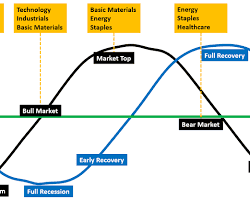
    Honestly, look, everyone is talking about market rotations right now like it’s the only thing that matters. You see it everywhere—investors jumping from the big tech giants over to smaller, “value” stocks because they think the big players have peaked. But straight up, if you actually peek under the hood at the corporate earnings, a completely different story starts to emerge.

    ​It’s easy to get swept up in the hype of where the money is moving day-to-day. To be fair, prices move on vibes sometimes, but they always settle on profits in the end.

    ​The Noise of Rotation vs. The Silence of Earnings

    ​Market rotation happens when people get bored or scared of the current winners and start looking for the “next big thing.” Lately, we’ve seen a lot of folks ditching the famous tech stocks to put their cash into companies that haven’t moved in years.

    ​But here’s the thing: rotation is often just a guess. People are betting that the underdogs will finally start winning. Corporate earnings, however, aren’t a guess—they are a cold, hard fact. While the headlines say everyone is leaving tech, the earnings reports show those same tech companies are still printing money faster than anyone else. Look, if a company is making billions and its rivals are barely breaking even, which one would you actually want to own?

    ​Why Interest Rates Aren’t the Full Story

    ​A lot of this rotation is based on what people think will happen with interest rates. They say, “When rates go down, small companies do better.” Sure, that sounds good on paper. But properly speaking, a small company with a lot of debt is still a risky bet, even if rates drop a little bit.

    ​Big corporations have spent years building up massive piles of cash. They don’t need to borrow money like the smaller guys do. In fact, many of them actually make money when interest rates are high because of the interest they earn on their own savings. So, while the market rotates based on a “feeling” about the economy, the earnings show that the big players are already safe and sound.

    ​AI: Is it Just Hype or Actual Cash?

    ​There’s a lot of talk that the AI trend is over and the bubble is popping. Honestly, that’s just talk. If you read the actual earnings files, you’ll see that AI is starting to make real money.

    • The Giants: They are using AI to make their work faster and cheaper. This means their profit margins are actually going up.
    • The Tools: The companies making the chips and the software are seeing record orders.

    The market might rotate away from these stocks because they look “expensive,” but as long as the earnings keep growing, they aren’t actually as expensive as they look. To be fair, I’d rather buy a “dear” stock that makes money than a “cheap” stock that’s losing it.

    ​The Problem with the “Underdogs”

    ​The main goal of market rotation is to find “value” in smaller companies. But straight up, many of these companies are struggling. They don’t have “pricing power.” That’s a fancy way of saying they can’t raise their prices when their own costs go up because their customers will just walk away.

    ​The big brands we all know can raise prices whenever they want, and we still pay. Earnings reports are showing this gap getting wider. The small guys are getting squeezed, while the big ones stay comfy.

    ​Cash is King (And the Giants have it all)

    ​One thing people forget during these rotations is the balance sheet. When things get shaky in the world—whether it’s politics or the economy—you want to be with the company that has the most cash in the bank.

    ​Corporate earnings show that the big firms are using their extra cash to buy back their own shares and pay out dividends. This acts like a safety net for investors. Most of the companies people are rotating into don’t have that safety net. If things go wrong, they don’t have the cash to survive a rainy day.

    ​Don’t Follow the Crowd

    ​It’s tempting to follow the herd. When you see a sector jumping 5% in a week, you want a piece of the action. But look, that’s trading, not investing.

    ​Properly speaking, you should be looking at the YoY (Year over Year) growth. If a company’s profits are growing by 20% every year, but the stock price is flat because of a “rotation,” that’s actually amazing news for you. It means you can buy a great business at a fair price while everyone else is distracted by the shiny new toy.

    ​The Real Takeaway

    • Ignore the Hype: Rotation is about where people think the wind is blowing. Earnings are about where the money actually is.
    • Quality over Price: Just because a stock is “cheap” doesn’t mean it’s a good deal. Check the profit margins first.
    • Watch the Margins: If a company is making more profit on every pound they spend, they are winning.
    • Be Patient: The market can stay irrational for a while, but eventually, the stock price has to follow the earnings.

    Honestly, market rotations will come and go. Today it’s small-caps, tomorrow it’ll be something else. But if you keep your eyes on the corporate earnings, you’ll always know the real story. Don’t let the noise of the trading floor drown out the truth of the balance sheet.

    Frequently Asked Questions

    What exactly is a market rotation?
    Look, it’s basically just a fancy way of saying investors are moving their money from one sector to another. For example, they might sell their “Big Tech” stocks and buy “Small-Cap” or “Value” stocks because they think the smaller guys are due for a win. It’s like a trend in fashion—everyone starts wearing the same thing at once.

    Why do corporate earnings tell a different story?
    Straight up, because the market moves on “vibes” and “guesses,” but earnings are cold, hard facts. While people might be selling tech stocks because they feel like the growth is over, the earnings reports often show these companies are actually making more profit than ever. The “story” in the news is about the move, but the “truth” in the bank is the profit.

    Is market rotation a bad sign for the economy?
    To be fair, not necessarily. It usually just means investors are looking for better deals or are worried about things like interest rates. It can actually be a sign of a healthy market because it shows people are willing to put money into different areas, not just the top five companies.

    Should I follow the rotation and sell my big stocks?
    Honestly, that’s a personal choice, but properly speaking, you should check the earnings first. If a company is still growing its profits and has a massive moat, selling just because “everyone else is” might not be the smartest move. Don’t let the noise of the crowd drown out the logic of the balance sheet.

    What is “Pricing Power” and why does it matter?
    This is a big one. It’s the ability of a company to raise its prices without losing all its customers. Big, successful companies have it; struggling ones don’t. During a rotation, people often buy “cheap” stocks that have zero pricing power, which means their earnings will eventually get crushed by inflation.

    Note: This is for educational purposes only. Not financial advice. We are not SEBI-registered.

  • Wall Street & FTSE: US Jobs Data Impact 2026

     Wall Street and FTSE React to Weak US Jobs Data: Strategic Insights for 2026

    stock tickers falling


    Key Takeaways: A Quick Overview

    • Market Sentiment: Wall Street and the FTSE 100 experienced significant volatility as investors adjusted to the December 2025 Non-Farm Payrolls (NFP) report.
    • The 50k Milestone: The US economy added only 50,000 jobs, missing the 73,000 forecast. This miss is a double-edged sword—it shows a slowdown but also increases the chances of Fed rate cuts.
    • 2026 Projections: Major financial institutions like the IMF and World Bank predict a moderate 3.1% global growth rate, with a focus on labor market resilience.
    • Sector Shifts: While traditional manufacturing faces layoffs, the AI-driven tech sector is creating new, high-value opportunities.

    Introduction: Why the World Stops for the NFP Report

    On the morning of January 9, 2026, every trading floor from New York to London was silent, waiting for one specific data point. When the US Bureau of Labour Statistics released the Non-Farm Payrolls (NFP) report, the reaction was immediate. Both the S&P 500 and the FTSE 100 saw red as the market tried to digest what these numbers meant for the global economy.


    ​The NFP report is often called the Heartbeat of Global Finance. It tracks the number of jobs added in the US (excluding farm workers, private household employees, and non-profit employees). Why does a US report affect a trader in London or Mumbai? This is mainly because the US dollar is widely used as the global reserve currency. If the US labor market is too strong, inflation goes up, and the Federal Reserve raises interest rates. If it’s too weak, it signals a recession. This delicate balance is what makes every NFP Friday a day of high-stakes volatility.


    (more…)

  • America’s Peak Earners Fear Retirement Daily

     Nearly 50% of Americans in Their Peak Earning Years Worry About Retirement Every Day: Shocking Stats and Simple Fixes.

    • Daily Worry is Real: A BlackRock survey shows 47% of Americans aged 45-54 think about retirement savings every day, driven by fears of outliving their money.
    • Savings Gap Looms Large: Most need $1.28 million to retire comfortably, but nearly half expect less than $500,000, per Schroders’ 2025 data.
    • Hope Through Action: Simple steps like boosting 401(k) contributions and smart investments, such as in stable stocks like John Deere, can close the gap.
    • Healthcare Hits Hard: Retirees face $315,000 in medical costs on average, making early planning key to avoid daily stress.

    Imagine this: You’re in your late 40s, finally hitting that sweet spot where your salary feels solid. Bills are paid, kids are growing up, and work is rewarding. But every morning, as you sip your coffee, a nagging thought creeps in – “Will I have enough for retirement?” You’re not alone. In fact, nearly 50% of Americans in these peak earning years, roughly ages 45 to 54, admit they worry about retirement every single day. It’s like a shadow that follows you, turning what should be golden years ahead into a source of quiet panic.

    This isn’t just a feeling; it’s backed by hard numbers. A recent BlackRock report reveals that 47% of folks in this age group fret over their nest egg daily. That’s almost one in two people at the height of their career, staring down the barrel of a future that feels uncertain. Why now? Peak earning years mean higher paychecks, sure – median income for this group hovers around $80,000 to $100,000 annually. But it also means peak responsibilities: college tuition, home repairs, and ageing parents. And lurking in the background? The big question: How do I turn this income into a retirement that lasts 20, 30, or even 40 years?

    Let’s break it down. Retirement isn’t some distant dream anymore. With life expectancy pushing past 80 for many, we’re talking about funding decades of travel, hobbies, and healthcare – not just scraping by. Yet, surveys paint a grim picture. Bankrate’s 2025 Retirement Savings Report found that 52% of non-retirees plan to lean heavily on Social Security for basics, but 76% fear it won’t deliver the full benefits promised. Social Security? It’s a safety net, not a hammock. The average monthly benefit is about $1,900, barely covering rent in many cities.

    Think about Sarah, a 48-year-old marketing manager from Chicago. She’s earning $95,000 a year – peak territory. But after student loans, a mortgage, and saving for her teen’s braces, her 401(k) contributions are spotty. “Every night, I lie awake calculating if $300,000 saved by 50 will stretch,” she says. Stories like hers echo across the US. TIAA’s 2025 survey shows 64% of Americans doubt they can retire “on time” between 65 and 70, with 30% unsure about covering daily expenses post-work.

    (more…)

  • Eaton Q3 2025: Beat, But Stock Still Fell

    Eaton’s headquarters and stock

    The Eaton Paradox: When Winning Feels Like Losing

    ​Honestly, if you’ve ever worked your socks off for a promotion only to be told “the budget is tight next year,” you’ll know exactly how Eaton Corporation feels right now. It’s October 2025, and the financial world is scratching its head. On paper, Eaton’s third-quarter report was a total beauty. They didn’t just beat expectations; they crushed them. Revenue jumped to $6.4 billion, and their profit per share (EPS) hit $2.85, leaving the “whisper numbers” in the dust.

    ​But then the trading bell rang.

    ​Instead of a victory lap, the stock price tanked by over 5%. We’re talking about $4 billion in value wiped out while the CEO was still probably finishing his coffee. If you’re sitting there looking at your portfolio thinking, “What on earth just happened?”, don’t worry. You’re not crazy. The market is just being its usual, moody self.

    ​The “Perfect” Quarter That Wasn’t

    ​To understand why the stock fell, we first have to look at how good the numbers actually were. It’s weird, I know. But stick with me.

    ​Eaton is basically the “invisible giant.” They make the stuff that keeps the lights on—literally. Their Electrical Americas segment is their golden goose, and it grew by 12% this quarter. Why? Because of AI. Every time someone asks a chatbot a question, a massive data centre somewhere guzzles electricity, and Eaton is the one selling the gear to manage that power.

    ​Even their eMobility side—the tech for electric vehicles—grew by 15%. They are right in the middle of every big trend: green energy, smart grids, and EVs. So, the “beat” wasn’t a fluke. It was the result of a company firing on all cylinders.

    ​The “But…” That Ruined Everything

    If results are strong, why did investors head for the exits? To put it plainly, it’s all about one word: guidance.

    In the markets, the past is quickly left behind. Investors only care about the future. During the earnings call, CEO Peter Denkberg dropped a bit of a bombshell. He explained, “Q3 delivered solid results, but some red flags are starting to surface.


    ​They lowered their full-year profit forecast from $11.00 down to $10.75. It may not sound like much, does it? A measly 25 cents. For Wall Street, that minor tweak is a serious concern, hinting that “easy growth” is coming to an end. Denkberg mentioned “supply chain hiccups” and “softening industrial orders.”

    ​Think of it like this: You’re at a party, the music is loud, and everyone is dancing. Then the DJ grabs the mic and says, “Just so you know, we’re out of snacks, and the police might show up in an hour.” The music is still playing, but suddenly, everyone starts looking for the exit. That’s exactly what Eaton investors did.

    ​The Ghost of John Deere

    ​To see if this was just an Eaton problem or a bigger trend, we have to look at John Deere. Remember them? The guys with the green tractors?

    ​Back in July 2025, Deere did the exact same thing. They absolutely smashed their earnings. Their revenue was $14.5 billion, way ahead of what anyone thought. But their stock still dropped 7.1%. Why? Because they admitted that farmers were struggling with high costs and weren’t buying new kit like they used to.

    ​Both Eaton and Deere are “cyclical” businesses. They go up and down with the economy. When these giants start sounding cautious, big investment funds start getting nervous. They see high interest rates (still sitting around 4.5%) and they think, “Right, time to take my money and run.”

    ​The “Secret” Margin Squeeze

    ​There’s another villain in this story: Inflation. Even though Eaton is selling more, it’s costing them more to make it. Their profit margins (the bit they actually get to keep) slipped from 23.8% to 22.5%.

    ​Why? Straight up—copper. It’s a key component in electrical gear, and its price has climbed 12% this year. Add in the fact that skilled workers are asking for more pay (labour costs are up 6%), and you can see why the profits aren’t as “fat” as they used to be. Investors hate shrinking margins. It makes them think the company is losing its “pricing power”—the ability to pass those costs onto customers.

    ​Social Media and the “Panic Button”

    ​We also can’t ignore how we trade stocks in 2025. It’s not just guys in suits anymore; it’s algorithms and Reddit threads.

    ​The moment that guidance cut hit the wires, high-frequency trading bots started dumping shares. Then, a few viral posts on social media started doing the rounds. One post from a popular finance influencer said, “Eaton’s growth has peaked. Time to move to tech.” That post got 50,000 likes in an hour.

    ​In the old days, it took a week for a narrative to change. Now, it takes ten minutes. By the time most regular investors even opened their apps, the stock was already down 4%. Panic is contagious, and on that day, everyone caught the bug.

    ​The Big Picture: Is the Sky Falling?

    ​Look, if you own Eaton stock, the 5% drop feels like a punch in the gut. But let’s take a breath and look at the actual company.

    ​Their “backlog”—the orders they have on the books but haven’t even started yet—is worth $11.2 billion. That is a mountain of work. Even if the economy slows down a bit, they have enough work to keep them busy for a long, long time.

    ​Also, look at the valuation. Right now, Eaton is trading at a “Forward P/E” of about 24x. For a company that is basically the toll booth for the AI and EV revolution, that’s actually pretty reasonable. Most analysts from big banks like Goldman Sachs didn’t even change their “Buy” rating. They basically told their clients, “The market is overreacting. Stay calm.”

    ​What Should You Do?

    ​Honestly, the lesson here isn’t about Eaton. It’s about how the market works in 2025.

    1. Don’t chase the “Beat”: Just because a company has a good quarter doesn’t mean the stock will go up. Always look at the “guidance” first.
    2. Watch the Raw Materials: If you’re investing in industrial companies, keep an eye on things like copper and steel prices. They matter more than the CEO’s fancy slides.
    3. Ignore the Noise: If the reason you bought the stock (like the AI data centre boom) hasn’t changed, then a one-day drop of 5% shouldn’t scare you away.

    Eaton’s stumble wasn’t because they’re a bad company. It’s because they were honest about a tough future. In a world of hype, honesty often gets punished in the short term. But for the long-term investor? These “drama queen” moments are often the best time to go shopping.

    Frequently Asked Questions (FAQs)

    What actually happened with Eaton’s Q3 2025 earnings?

    Look, the numbers were actually great. Eaton reported $6.4 billion in revenue (which was 3% higher than expected) and a profit of $2.85 per share. On paper, they won. But because they warned that the next few months might be a bit slow, the stock price took a 5% dive.

    Why did the stock fall if they beat all the estimates?

    It’s all about “Guidance.” Investors don’t really care about what happened last month; they’re obsessed with the future. When Eaton’s CEO said they were lowering their full-year profit forecast because of “softening orders,” the market panicked. It’s a classic case of the future outlook ruining a present win.

    Is Eaton still a good buy after this 5% dip?

    To be fair, most big-time analysts still think so. About 85% of them still have a “Buy” rating on the stock, with price targets around $320. If you believe in the long-term move toward green energy and AI data centres, this dip is basically a “flash sale” for a very solid company.

    How does Eaton compare to a company like John Deere?

    They’re basically in the same boat. Both are “cyclical” giants. Just like Eaton, John Deere crushed their earnings recently but saw their stock drop because they were worried about the economy. It’s a sector-wide trend where investors are being extra cautious about manufacturing and industrial stocks.

    What is the big “AI play” for Eaton in 2026?

    This is the exciting part. AI needs massive amounts of power, and Eaton makes the gear that manages that power. Experts reckon that data centre demand could add another $2 billion to Eaton’s revenue by 2027. They aren’t making the chips, but they are making the “pipes” that keep the chips running.

    Will the US elections or interest rates affect the stock?

    Straight up, yes. High interest rates (around 4.5%) make it expensive for companies to start big new projects, which hurts Eaton’s orders. Also, any new tariffs from elections could hike up the cost of raw materials like copper. It’s a bit of a waiting game until the Fed starts cutting rates.

    Note: This is for educational purposes only. Not financial advice. We are not SEBI-registered.


  • Berkshire Hathaway Q3 2025: Buffett’s Next Chapter

     vintage newspapers headlining


    Berkshire’s Q3 2025: Massive Wins and Buffett’s Final Goodbye?

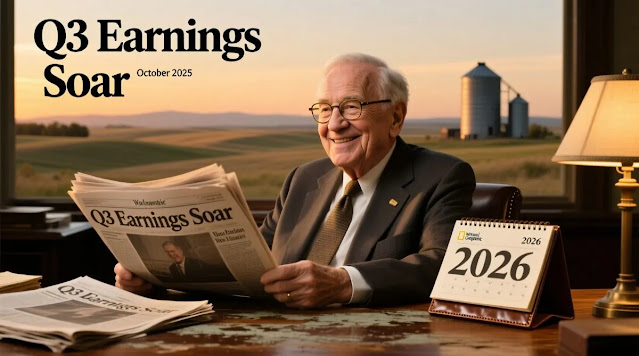
    ​Honestly, if you’d told me years ago that a 95-year-old man in Omaha would still be the biggest rockstar in the financial world, I’d have struggled to believe it. But just look at Warren Buffett. On November 1, 2025, Berkshire Hathaway dropped its Q3 results, and straight up, the numbers are mental. We’re talking $30.8 billion in net earnings. That’s a 17% jump from last year. Proper growth, that

    .

    Honestly, it’s not just about the financial side. Beyond the Green Light: What Happens Next? Warren Buffett plans to transition control to Greg Abel by late 2025. Now, everyone’s sat there wondering: can the magic actually stay alive without the Oracle himself? It’s the big question on Wall Street, isn’t it?

    ​Why are the numbers properly soaring

    ​Look, Berkshire isn’t your average boring company. It’s a massive beast that owns everything from your car insurance (Geico) to the batteries in your remote (Duracell). In Q3 2025, while the rest of the world was worrying about inflation and new tariffs (like that OBBBA Act from July), Berkshire was busy printing cash. Simple as that.

    ​The real hero this quarter? Insurance. Properly speaking, the insurance side of the business is the “engine room.” They collect premiums before they have to pay out claims, and Buffett is a wizard at investing that “float.” This time, underwriting profits exploded by 206%. That is a properly massive leap.

    ​Geico and the Reinsurance Wins

    ​Geico, the home of that cheeky gecko, brought in $1.77 billion. To be fair, premiums are up because car repairs are getting more expensive, but they’ve kept their “loss ratio” steady at 71.5%. It’s proof they’re pricing risks the right way.

    ​Then you’ve got the Reinsurance Group (BHRG). They made $884 million because, luckily, the catastrophe losses—like those wildfires in Southern California—were handled better than everyone expected. For a normal company, a massive wildfire would be a disaster. For Berkshire? It’s just another Tuesday. They’ve reserved so much cash for a rainy day that they barely feel it.

    ​The $377 Billion “War Chest.”

    ​Straight up, the most shocking number in the report is the cash pile. Berkshire is sitting on $377 billion in cash and T-bills. That is a record.

    ​Think about that for a second. While other companies are struggling to pay their bills, Buffett is sitting on enough cash to buy almost any company he wants. Just like that. In October, they already snapped up OxyChem for $9.7 billion. Honestly, having that much liquidity is like having a superpower in a shaky market. It means when things get messy, Berkshire won’t just survive—they’ll go shopping.

    ​Greg Abel: The New Captain in Town

    Now, let’s get straight to the main problem. Warren Buffett is 95. In May 2025, he made it official: he’s stepping down as CEO at the end of the year. Greg Abel is taking over on January 1, 2026.

    ​I know what you’re thinking—who even is Greg Abel? Look, he might not be a household name like Charlie Munger was, but the guy knows his stuff. He’s been running the “non-insurance” bits like the railroads and energy for years. Buffett himself says Greg understands business “from the ground up.” High praise from the boss.

    ​To be fair, the transition has been decades in the making. It’s not a rushed job. Buffett stays as Chairman, and the investment pros—Ted and Todd—are already handling the big stock picks. The machine is built to last.

    ​Segment Wins: Railroads and Manufacturing

    BNSF Railway is the backbone of America, and it chugged along nicely with $1.91 billion in earnings. Even with trade tensions, agricultural shipments were up. They’ve been using AI for route optimisation, which squeezed out more profit from every single mile.

    ​Manufacturing and services also added some muscle. Precision Castparts (they make jet engine parts) had a great run because everyone is flying again post-pandemic. It’s that boring, steady brilliance that makes Berkshire a fortress. Lubrizol, its chemicals arm, also rode the wave of global demand. It’s a simple lesson: when you own the things people actually need, you always win.

    ​The Energy Shift: Wind, Solar, and PacifiCorp

    ​Berkshire Hathaway Energy (BHE) is going through a bit of a transformation. They’ve invested $7.53 billion so far this year into wind and solar. Honestly, it’s a smart move. Even though the tax credits from the OBBBA hit them a bit, they are playing the long game.

    ​Look, they did have a dip in earnings—down to $913 million this quarter—but they’ve capped their wildfire liabilities at $2.85 billion. To be fair, nature is unpredictable, but Buffett’s team is legendary for “reserving” money properly so a bad storm doesn’t sink the whole ship.

    ​My Advice: What should you do?

    ​If you’re a regular investor looking at these 2025 results, here’s my honest take:

    1. Don’t Panic about the Exit: The transition to Abel is well-planned. The stock is up 25% this year for a reason—people trust the system.
    2. Diversify like Buffett: Don’t just chase flashy tech. Target “boring” businesses that have durable moats and predictable cash flow.
    3. Patience is Key: Buffett doesn’t do buybacks unless the price is right. Follow his lead. Don’t chase a rally; wait for the intrinsic value.
    4. Think Long-Term: Berkshire doesn’t look at next month; they look at the next decade. You should, too.

    The Final Thought

    ​Berkshire’s Q3 2025 results aren’t just a win; they’re a testament to a model that works in any weather. Whether it’s inflation or a leadership change, the foundation is solid. Buffett’s final chapter is closing, but Act Two with Greg Abel is just getting started.

    ​Honestly, if you want to sleep easily at night while the market goes crazy, this is the company to watch. It’s not flashy, it’s not loud, but it is properly brilliant.

    Frequently Asked Questions (FAQs)


    1. What were the standout numbers for Q3 2025?

    Net earnings hit $30.8 billion, a 17% rise. Operating earnings from core businesses also climbed to $14.42 billion pre-tax. Cash reserves hit an all-time high of $377 billion.

    2. Is Warren Buffett really leaving?

    Yes. At 95, he’s stepping down as CEO at the end of 2025. Greg Abel will take over the CEO role starting January 1, 2026, while Buffett stays as Chairman.

    3. Why is there so much cash in the bank?

    Berkshire’s cash pile hit a record $377 billion. Buffett likes to keep a “war chest” ready so he can snap up big companies (like the OxyChem deal) when the market dips.

    4. How did Geico do this quarter?

    Geico earned $1.77 billion pre-tax. While repair costs are up across the board, they managed to grow premiums by over 5%, proving they are still the kings of car insurance.

    5. Should I buy Berkshire stock right now?

    If you are looking for long-term stability, many experts say yes. The stock has been trading at about 1.6x book value, which reflects a lot of trust in the post-Buffett future.

    Note: This is for educational purposes only. Not financial advice. We are not SEBI-registered.

  • Global Stocks Rally on U.S.-China Trade Deal Hopes

    U.S. and China intertwined with a handshake

    Green Screens and Trade Dreams: Is the U.S.-China Pact Finally Real?


    ​I was standing in a massive queue for chicken rice yesterday, sweating buckets in the Singapore heat, and checking my phone. For the first time in months, the finance news didn’t make me want to just delete the app. Usually, it’s all doom and gloom—inflation, interest rates, you know the drill. But on 27 October 2025, the screens were glowing green. Global stocks were rallying. And for a change, it wasn’t some tech bubble. It was something much more old-school: trade talks. Specifically, the world is getting properly upbeat about a U.S.-China trade pact.

    ​Think about it. The Nikkei 225 actually smashed through the 50,000 barrier. That’s a massive psychological milestone. In New York, the S&P 500 and Nasdaq were hitting fresh records like it was easy. It feels like the world is finally tired of the “tariff wars” and is ready to just get back to business. But is this a real truce, or just another temporary band-aid? Let’s dive into it.

    ​The Malaysia Framework: What’s Actually on the Table?

    ​Look, we’ve been here before. Since 2018, tit-for-tat tariffs have been a real headache for everyone. But the framework sketched out in Malaysia over the weekend feels a bit different. They’re talking about pausing those massive 157% hikes on Chinese goods. That is a staggering number when you think about it. In return, China is looking at cracking down on fentanyl and—this is the big one—buying a boatload of American soybeans and corn again.

    ​It’s a massive “give and take.” And with President Trump and President Xi set to meet face-to-face on 30 October, investors are betting that neither side wants to walk away empty-handed. If they actually shake hands on a long-term deal, it could change the game for supply chains that have been twisted out of shape for years. Fact.

    Index

    Gain (%)

    Significance

    Nikkei 225

    2.46%

    Breached the 50,000 mark for the first time.

    South Korea Kospi

    2.57%

    Blistering rally for Asian exporters.

    S&P 500

    1.2%

    35th record close of 2025.

    Spain Ibex 35

    0.87%

    Historic high of 16,000.20.

    The “John Deere” Parallel: Why Farmers are Smiling

    ​I keep bringing up John Deere (DE) in my posts. Why? Because it’s the perfect way to see how global trade hits the “real world.” Back in 2024, Deere’s stock climbed 25% because it bet big on electric tractors. But trade wars? They’re a nightmare for Deere. China is their second-biggest market. When tariffs go up, farmers stop buying harvesters. Simple as.

    ​On 27 October, Deere shares popped 2.1%. Why? Because if those soybean exports to China resume, American farmers get paid. And when farmers get paid, they splurge on shiny new green tractors. When trade tensions eased in 2019, Deere’s stock effectively doubled within six months. We could be looking at a repeat if this pact sticks. Properly exciting stuff for anyone in ag-tech.

    ​Tech and Industrials: Breaking the Handcuffs

    ​It’s not just tractors, though. Across the tech world, there’s a clear sense of relief. The Stoxx Europe 600 Technology Index rose 1.1% because a deal could mean fewer export curbs on high-end chips. Think about firms like Nvidia or Qualcomm. China buys about 40% of Qualcomm’s chips. If the trade war cools down, these giants can finally stop worrying about supply chain snarls and focus on innovation. Straight up.

    ​Industrials are also tagging along. From plane makers like Boeing to massive miners, everyone wins when trade flows freely. Boeing especially has had a rough ride with China lately—orders were down 20% at one point. A truce could be the “fuel” they need to get back on track.

    ​Is it all Champagne and Sunshine?

    ​To be fair, some experts are still telling us to keep the cork in the bottle for now. Rupert Thompson from IBOSS warns that while this “kicks the tension into the long grass,” the deeper rifts—like tech rivalry and security—aren’t going away. And let’s not forget, trade policy can change with a single tweet. One minute it’s a deal, the next it’s a new levy.

    ​Properly speaking, you shouldn’t go “all in” just yet. The summit on 30 October is the real test. If it flops, we could see a 10% dip faster than you can say “tariff.” It’s a “modestly pro-risk” market, but you’ve got to keep your guard up.

    ​The Bigger Picture: Why This Isn’t Just About Stocks

    ​Look, we have to understand the history to see why everyone is so buzzed. This trade spat kicked off back in 2018, and since then, it’s been a proper mess. Tariffs were slapping billions in extra costs on everything from basic steel to high-end semiconductors. China hit back where it hurts—targeting U.S. agriculture. In 2018 alone, soybean exports to the Middle Kingdom plummeted by a massive 74%. That’s a lot of empty silos and worried farmers.

    ​Fast forward to late 2025, and we’re finally seeing a framework that includes nods to rare earth minerals (which we need for EVs) and a proper crackdown on fentanyl. It’s not just a “buy more of our stuff” deal; it’s a strategic truce. For the average punter, this means steadier food prices at the local supermarket and smartphones that don’t cost a month’s rent. Straight up.

    ​Global Ripple Effects: From London to Shanghai

    ​This upbeat mood is lifting sentiment everywhere. In Europe, Spain’s Ibex 35 surged to a historic high, and even the FTSE 100 nudged higher. Asia was the real star, though. South Korea’s Kospi jumped 2.57%, riding the wave of hope for easier access to U.S. markets. When the two biggest economies stop shouting, the rest of the world can finally breathe.

    ​Safe-haven assets like gold and bonds actually took a bit of a breather. Why? Because when people are confident about trade, they move their money out of “safety” and back into “growth.” It’s a classic risk-on move that we haven’t seen this strongly in a long time.

    ​Why This Matters for Your Wallet

    ​Reduced tariffs aren’t just about stock charts. No. They could shave 0.5% off inflation by making imported goods cheaper. Think about your smartphone or even your groceries. If supply chains are smoother, prices stay steadier. Plus, we’re talking about potentially 150,000 new jobs in manufacturing and agriculture if trade volume picks up. It’s a win for the average punter, not just the Wall Street suits. Fact.

    Practical Tips for the Coming Month

    ​If you’re looking at your portfolio and wondering what to do, here is my “friend-to-friend” advice:

    1. Diversify: Don’t just stick to tech. Look at ag-equipment or industrials that have been beaten down by trade fears.
    2. Watch the VIX: This is the “fear gauge.” It dropped 5% on the day of the rally, which means traders are feeling calm. If it starts to spike, that’s your cue to be cautious.
    3. Wait for the Summit: The 30 October meeting is the “make or break” moment. Expect some serious volatility around that date.
    4. Think Long-Term: If the pact sticks, we’re looking at an 8-10% annualised return for equities. That’s a proper nest-egg nudge.

    Final Thoughts

    ​Look, the world’s two biggest economies are finally talking again. That’s a good thing. Whether it’s the Nikkei’s milestone or Deere’s farm-fresh bounce, the signs are positive. When it comes to stocks, the reason behind the move matters just as much as the size of it.

    ​Stay sharp. Keep an eye on the headlines coming out of the summit. Don’t let the hype cloud your judgment. Let’s turn this optimism into actual gains for your portfolio.

    FAQ: Your Questions on the 2025 Trade Rally


    Why are global stocks hitting record highs in October 2025? 

    Look, it’s all about the buzz coming out of Malaysia. Investors are properly upbeat because the U.S. and China are finally sketching out a trade pact. When the two biggest economies in the world start talking about pausing tariffs, markets like the Nikkei and S&P 500 tend to go into overdrive. Straight up.

    How does this trade deal actually help regular farmers? 

    To be fair, farmers have been hit the hardest by these trade wars. This new framework includes plans for China to buy massive amounts of American soybeans and corn again. That means more money in farmers’ pockets, which then flows into companies like John Deere for new equipment. It’s a proper ripple effect. Fact.

    Is it safe to go ‘all-in’ on stocks before the October 30 summit?

     Properly speaking, you should still be a bit cautious. While the rally is exciting, trade talks can be famously fickle. One wrong move or a tough tweet from either side could cause a 10% dip faster than you can blink. It’s better to diversify and wait for the actual handshake before making huge bets. Simple as.

    ​Which sectors should I watch during this trade thaw? 

    Tech and Industrials are the big ones. A deal could mean fewer export curbs on high-end chips, which is huge for companies like Nvidia. Also, watch Boeing and other manufacturers that rely on smooth global supply chains. If the “handcuffs” come off, these sectors are primed for growth.

    Note: This is for educational purposes only. Not financial advice. We are not SEBI-registered.

  • Oracle’s Post-Earnings Downgrade Explained

    Why Oracle’s Bullish Momentum Faded Among Analysts After Latest Earnings: Key Insights for Investors

    Oracle headquarters with stock market
    • Research suggests Oracle’s strong cloud growth
      in AI is impressive, but high valuations and margin pressures led to
      analyst downgrades, highlighting potential risks for long-term holders.
    • It seems likely that despite massive future
      obligations worth $455 billion, the company’s heavy spending on
      infrastructure could strain profits, sparking debates on sustainability.
    • Evidence leans toward a cautious approach for
      investors, as similar cases like John Deere show how earnings beats can
      still trigger sell-offs if prices get too stretched.

    Have you ever watched a stock skyrocket after good news, only for experts to turn sour days later? That’s exactly what happened with Oracle after its first-quarter earnings for fiscal year 2026. The tech giant, known for its databases and cloud services, reported results on 9 September 2025, sending shares up over 30% at first.


    But then, analysts on platforms like Seeking Alpha started downgrading
    their views, shifting from bullish to more neutral or even bearish.

    This twist has left many investors scratching their heads. In this post, we’ll break it down simply – like explaining to a 10-year-old why a toy looks shiny but might break easily. We’ll look at what went right, what worried the pros, and tips for you if you’re thinking about Oracle stock.

    Understanding Oracle’s Earnings: The Good News First

    Oracle, a big company that helps businesses store and manage data, shared its latest financial report for the period ending August 2025.

    Think of it like a report card – some grades were great, others just okay.

    Key Financial Highlights

    Let’s start with the positives. Oracle made $14.9 billion in total sales, which is 12% more than last year.

    That’s like selling more lemonade than before at your stand. The star
    was their cloud business – that’s where companies rent computer space
    online instead of buying their own. Cloud sales jumped 28% to $7.2
    billion. Even better, the infrastructure part (fancy servers for heavy work) grew 55% to $3.3 billion. But
    earnings per share – how much profit per share of the company – were a
    mixed bag. The adjusted one was $1.47, up 6% from last year, but it
    missed what experts expected by a penny. The basic one dropped 2% to $1.01.

    The Big Buzz: AI and Future Promises

    Oracle is betting big on artificial intelligence, or AI – that’s computers that think like humans for tasks like chatting or predicting the weather. They signed huge deals, leading to $455 billion in future work promised, up a whopping 359% from last year.

    Imagine promising to mow 455 billion lawns – that’s a lot of future money!

    Bosses like CEO Safra Catz said their cloud for AI is growing fast, expecting 77% more sales this year to $18 billion, and even bigger jumps later.

    They’re building more data centres with partners like Nvidia for super-fast chips.

    This excited Wall Street at first, pushing the stock up sharply.

    For more on how AI is changing tech stocks, check our internal guide: Top AI Stocks to Watch in 2025.


    Why Analysts Turned Less Bullish: The Concerns Explained

    Even with all that good stuff, experts on Seeking Alpha – a site where smart investors share opinions – lost their positive view on Oracle.

    It had a Buy rating for over eight months, but after earnings, it dropped.

    Why? Let’s unpack it like opening a puzzle box.

    Overvaluation: Is the Price Too High?

    One big worry is the stock’s price. Oracle’s shares trade at 75 times its earnings – way above the usual 31 times over five years.

    That’s like paying £75 for a £1 chocolate bar because you think it’ll
    taste amazing later. Analysts like The Value Portfolio downgraded to Strong Sell, saying success made it too expensive. Another said, Oracle’s success makes it overvalued, pointing to stagnant profits per share and falling margins.

    Margins are like how much pocket money you keep after buying supplies – they’re shrinking because of big spending.

    Heavy Spending and Debt Risks

    To grow its AI cloud, Oracle is spending loads on new buildings and tech. Their capital spending now tops net income, which is risky.

    Debt is rising, too.

    It’s like borrowing to build a huge treehouse, hoping lots of friends pay to visit.

    They rely on Nvidia chips, while rivals make their own, which could hurt costs later.

    One analyst asked if the AI rally is make-believe because growth might not last.

    Stock Reaction: Surge Then Slump

    Shares jumped 30% right after, adding billions in value.

    But by 11 September, they fell 6% as doubts grew. Overall, up 25% in a week, but analysts say don’t rush in.

    Learn how to spot these patterns in our post: How to Analyze Earnings Reports Like a Pro.


    A Similar Story: The John Deere Example

    This isn’t unique to Oracle. Take John Deere, the tractor maker. In August 2025, they beat earnings expectations for their third quarter, with better-than-expected profits despite tough farm markets.

    Sales dropped, but they narrowed their full-year outlook to $4.75-5.25 billion in net income. Analysts on Seeking Alpha kept a Hold rating, saying the stock is too pricey despite good execution. Net income fell sharply year-over-year, down 50% then 24% in the prior quarter and 24% in the quarter before that. Cyclical issues like low farm income and tariffs hurt, much like Oracle’s spending pressure. Deere’s price-to-earnings is stretched, and one analyst warned a single miss could crash the party.

    Just like Oracle, strong parts hid bigger worries, leading to cautious views. This shows how even wins can lead to downgrades if the price doesn’t match reality.

    While John Deere struggled with cyclical downturns in late 2025, Oracle has managed to break the cycle by March 2026, proving that tech infrastructure is currently more resilient than traditional industrials.

    What This Means for Investors: Practical Tips

    So, should you buy, sell, or hold Oracle? It depends on your goals. If you’re in for long-term AI growth, the $455 billion backlog is promising.

    But if you hate risks, the high price and spending might scare you.

    Tips for Navigating Downgrades

    • Check Valuations Yourself:
      Use tools like price-to-earnings ratios. If it’s way above average,
      think twice. For Oracle, compare to peers like Microsoft (around 35x) or
      Amazon’s AWS.
    • Look at Long-Term Trends: Oracle’s shift to cloud started years ago. In 2020, cloud was small; now it’s half their business. But watch if AI hype fades.
    • Diversify: Don’t put all eggs in one basket. Mix with stable stocks or funds.
    • Monitor News: Follow sites like Seeking Alpha for updates. External source: Seeking Alpha Oracle Page.

    Another tip: Read official reports. Check Oracle’s investor site for full details:

    Potential Opportunities and Risks

    Opportunities: If Oracle hits its 77% cloud growth, shares could climb more.

    Risks: If spending eats profits or AI slows down, downgrades could worsen.

    Table: Oracle vs. Peers Q1 2025/26 Growth

    Company Cloud Revenue Growth P/E Ratio Analyst Consensus
    Oracle 28% 75x Hold
    Microsoft (Azure) 31% (Q4 2025) 35x Buy
    Amazon (AWS) 19% (Q2 2025) 45x Buy

    This table shows that Oracle’s growth is competitive, but its valuation stands out.


    Broader Context: Tech Sector Trends in 2025

    Oracle’s story fits bigger tech shifts. AI is hot, with companies like Nvidia up hugely. But after hype, reality checks come – like margins squeezed competition.

    In 2025, cloud spending is expected to hit $1 trillion globally, per Gartner. Oracle grabs share with enterprise focus, unlike consumer-heavy rivals.

    But controversies: Some say AI growth is overblown, with energy costs rising for data centres. Oracle plans nuclear power for some, which is innovative but risky.

    For balanced views, external source: CNBC Oracle Coverage.


    March 2026 Update: The Momentum Accelerates

    Fast forward to 10 March 2026, and the narrative has shifted. Oracle has just posted its best quarter in over 15 years.
    Revenue Beat: Total revenue reached $17.2 billion, exceeding Wall Street estimates.
    Explosive Cloud Growth: Cloud Infrastructure (OCI) revenue surged by 84% to $4.9 billion.
    Record Backlog: The Remaining Performance Obligations (RPO) have ballooned to a staggering $553 billion, up from $455 billion in September 2025.

    Oracle’s Q1 earnings showed strong AI-driven growth, but analyst downgrades highlight overvaluation and spending risks, much like Deere’s case.

    If you’re an investor, weigh the massive $455 billion future work against current high prices.

    Stay informed, diversify, and perhaps wait for a dip. Ready to dive deeper? Sign up for our newsletter for weekly stock tips, or comment below: What’s your take on Oracle?

    Frequently Asked Questions (FAQs)


    Why did Oracle analysts turn neutral after the 2025 surge?

    Despite a record $455 billion backlog, analysts grew cautious due to Oracle’s high valuation (75x P/E) and the massive capital expenditure required to build AI data centres.

    What was the significance of Oracle’s March 2026 update?

    In March 2026, Oracle proved its critics wrong by posting an 84% surge in Cloud Infrastructure (OCI) and growing its future backlog (RPO) to a record $553 billion.

    How does John Deere’s performance relate to Oracle?

    Both companies showed that “earnings beats” aren’t enough if the stock price is too high. Like Deere, Oracle faced pressure when its valuation became stretched beyond historical averages.

     Disclaimer: All content on Marqzy is for educational purposes only and is not financial advice. We are not SEBI-registered advisors. Investments carry risks; please consult a professional and perform your own due diligence before investing. Marqzy is not liable for any financial losses.

  • Azul $650 million investment. Brazil airline restructuring

    The Great Brazilian Comeback: Why Azul’s $650 Million Win is a Masterclass in Survival


    Azul aircraft at Brazilian airport

    ​Look, if you were watching the South American markets back in late 2024, things looked pretty shaky for Azul S.A., Brazil’s biggest airline, which was facing some serious turbulence—high debt, currency swings, and a market that was starting to doubt if they could keep their 900 daily flights in the air. But as we sit here on February 8, 2025, the script has completely flipped. Azul just secured a massive $650 million investment, and honestly, it’s the kind of financial “U-turn” that people will be studying in business schools for years.

    ​Straight up, this isn’t just about an airline getting a lifeline. It’s a signal that Brazil’s economy is tougher than people think. Whether you’re an investor looking for the next big play or just someone who loves a good “underdog” story, Azul’s restructuring plan is properly fascinating. Here is the raw truth about how they turned a debt crisis into a massive growth opportunity.

    ​The Strategy: How Do You Erase $2 Billion in Debt?

    ​To be fair, you can’t just wave a magic wand and make billions in debt disappear. Azul’s leadership had to play some serious “financial chess.” The $650 million equity rights offering is the shiny part of the deal, but the real work happened in the shadows with bondholders and lessors.

    The Breakdown of the Deal:

    • The Equity Play: Secured $650 million, backed by heavy hitters and even whispers of interest from United and American Airlines.
    • The Debt Wipeout: They managed to eliminate over $2 billion in debt. I mean, think about that—that’s enough to buy a small fleet of new planes.
    • The Lessor Swap: Instead of just paying cash they didn’t have, Azul gave their lessors (the people who own the planes) shares in the company. It’s like telling your landlord, “I can’t pay rent this month, but how about you become a partner in my business?” It worked.

    Why This Matters for the Global Aviation Scene

    ​Actually, Azul’s win is a huge boost for confidence in the entire region. They fly to over 150 destinations, some of which are so remote that if Azul stops flying, those towns are basically cut off from the world. By securing this $670 million liquidity boost, they’ve ensured that their 900 daily flights won’t skip a beat.

    ​For travelers, this is the best news possible. All those loyalty points and tickets you booked for a vacation in Curacao or Paris? They are safe. In an industry where airlines often disappear overnight (anyone remember the old days?), Azul is proving that a “Chapter 11” style restructuring can actually lead to a stronger, leaner machine.

    ​The “Ramesh Factor”: Why Indian Investors are Paying Attention

    ​You might be wondering, “Why should a guy in Chennai or Jaipur care about a Brazilian airline?” In many ways, the aviation markets in India and Brazil mirror each other. Both have huge populations, difficult geography, and a few massive players like IndiGo or Air India dominating the skies.

    Relatable Story: Ramesh’s SIP Success

    Let’s talk about Ramesh, a schoolteacher from Rajasthan. Ramesh doesn’t own a private jet, but he’s smart with his money. After seeing how airlines like Azul managed to pivot, he realized that “distressed” sectors often hide the best long-term wins. He started a Systematic Investment Plan (SIP), putting a chunk of his 20-lakh annual income into mutual funds that focus on global logistics and infrastructure.

    Broadly speaking, the aviation sectors in India and Brazil are closely alike. I just need to understand the pipes under the floorboards.” Over five years, his portfolio has been growing at 15% annually, proving that global trends like the Azul recovery have real-world impacts on local wallets.

    ​Actionable Strategy: Your Financial Runway

    ​Look, whether you’re a student dreaming of a pilot’s license or a pro looking to build a retirement corpus, here is how you can use the “Azul Blueprint” for your own life:

    1. Master Debt Management: Like Azul, don’t let debt drown you. If you have high-interest loans, look into consolidating them or negotiating better terms. Proactive restructuring is always better than a total crash.
    2. Diversify Your Income: Azul gets 25% of its revenue from non-ticket sources like cargo and loyalty programs. Straight up, you should do the same. Don’t just rely on your 9-to-5; look into side hustles or dividend-paying stocks.
    3. The 20-30% Rule: If you’re earning a decent salary (like Ramesh’s 20L), aim to invest 4-6 lakhs annually. A mix of Equity Mutual Funds, PPF, and maybe some aviation-focused stocks like GMR Airports can build a 2-3 crore corpus over 15 years.
    4. Watch the Partners: Azul didn’t do this alone. They worked with AerCap and major U.S. airlines. Your network often matters more than anything else in building your net worth. Build partnerships before you need them.

    Competitive Landscape: Azul vs. The World

    ​Azul isn’t just surviving; they are looking to win. By using fuel-efficient Embraer E2 aircraft, they are cutting costs where it hurts most: the fuel tank. This gives them a massive edge over regional rivals like Gol and LATAM.

    Metric (Feb 2025)

     Before Restructuring

    After Restructuring

    The Impact

    Total Debt

    High ($2B+ extra)

    $2 Billion Reduced

    The balance sheet is “clean.”

    Liquidity

       Shaky

    $670 Million New Capital

       Uninterrupted operations

    Debt-to-EBITDA

        4.8

           3.4

    Healthier credit rating

    Investor Confidence


        Low

    Surge of 21.7%


     Market “Buy” signal

    Conclusion: Ready for Takeoff

    ​In summary, Azul’s $650 million investment isn’t just a financial headline; it’s a story of pure resilience. They faced the music, negotiated hard, and came out the other side with a stronger balance sheet and a clearer vision.

    ​For the students in Bengaluru or the professionals in London watching this, the lesson is clear: no matter how much turbulence you face, a solid plan and the right partners can get you back on track.

    What’s your take? Are you looking at the aviation sector for your next investment, or does the volatility still make you a bit nervous? Drop a comment below—let’s talk shop!

    Frequently Asked Questions (FAQ)

    Is Brazil’s Azul S.A. safe to fly with after its 2025 restructuring?

    Properly speaking, yes. The $650 million investment and the $1.6 billion DIP financing were specifically designed to ensure uninterrupted operations. All tickets, loyalty points, and flight schedules are being honored as the airline moves toward long-term stability.

    Why did United and American Airlines back the Azul investment?

    Look, it’s all about the network. Azul owns over 150 destinations in Brazil, many of which have zero competition. For U.S. giants like United and American, Azul is the perfect partner to feed their international passengers into the heart of South America.

    How does Azul’s debt reduction affect its ticket prices?

    Actually, reducing debt by $2 billion allows Azul to focus on fleet efficiency rather than just paying off interest. By using more fuel-efficient Embraer E2 planes, they can keep costs lower, which eventually helps in maintaining competitive ticket prices for travelers.

    Note: This is for educational purposes only. Not financial advice. We are not SEBI-registered.

  • KOP Limited’s Q3 2025 Earnings

      KOP Limited: Tough Times or a Hidden Chance?


    KOP Limited Singapore

    Think of it like this. You bet on a runner, and then he trips on his own shoes. That’s KOP Limited right now. Their Q3 2025 numbers just came out, and let’s be real – they don’t look great. Losses went up. Revenue fell hard. If you’ve put money in this or you just follow the Singapore market, stay with me. There’s more to it than just the bad news.
    A lot of people see the numbers and panic. Look closer, and you might spot something different.
    A chance. A turnaround story. Not every company that struggles is dying. Some are just going through a bad phase. And KOP looks like one of those.

    So, Who Is KOP?

    First, let’s understand who these guys are. You can’t just look at a spreadsheet and judge a company. KOP isn’t some boring normal business. They build fancy stuff – high-end resorts, luxury apartments, top-class entertainment spots. They sell the good life.
    Think about the nicest hotel you’ve ever seen. Or that apartment building that looks way too expensive for regular people. That’s what KOP does. They create places where rich people want to spend their money. And for a while, that worked really well.
    But here’s the problem. Selling the good life gets hard when everyone is feeling broke. People watch their spending. Luxury travel is the first thing they cut. So KOP isn’t just fighting their own numbers. They’re fighting the whole mood of the world.
    When the economy goes down, rich people still have money. But even they get careful. They don’t book the most expensive suite. They don’t buy that extra condo. And that hits KOP right in the pocket.

    Let’s Look at the Damage

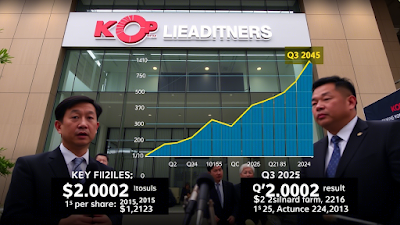
    The Q3 2025 numbers say this. Net loss was S$0.002 per share. That sounds like small change, right? But last year at the same time, it was only S$0.001. So it doubled. That’s why people are worried.
    Doubling your losses in one year is never a good sign. It means things are getting worse, not better. For a small investor, that can be scary. You start asking yourself – should I get out now? Or should I wait?
    And revenue? It fell 75% to S$4.90 million. That’s a big drop. No other way to say it. Imagine a big movie that everyone thought would be a hit, but almost nobody came to watch. The hospitality and real estate sectors are moving really slowly right now.
    Seventy-five percent is huge. If you used to make twenty dollars, now you’re making only five. That hurts any business. And KOP is feeling that pain.
    The sectors they rely on – hotels, resorts, luxury homes – are basically stuck in slow motion. People aren’t traveling like before. They aren’t buying second homes. And that means KOP’s cash flow is drying up.

    Why Is Money Leaking Out?

    Running a luxury business in 2026 isn’t easy. Costs stay high even when the money coming in is low. Here’s why.
    First, good hotel staff is expensive. With everything getting costlier, KOP has to pay more just to keep its people. If you don’t pay well, good workers leave. And in the luxury business, bad service kills you. So they have no choice.
    Second, the supply chain is a headache. Imported marble, fancy furniture, electricity for AC – everything costs more than two years back. Even simple things like bedsheets and towels cost more now. It adds up fast.
    Third, interest rates. Property companies take loans. When central banks raise rates to fight inflation, those loans get heavier to carry. Every month, more money goes to the bank instead of to growing the business.
    And there’s a fourth reason no one talks about much. The competition. Other luxury brands are also struggling. So they’re all fighting for the same few customers. That means price cuts. And price cuts mean lower profits.
    So yeah, money is leaking from many holes. Plugging one doesn’t fix the others. That’s why KOP’s losses doubled.

    The Strange Part – Market Reaction

    You’d think bad news would make investors run away. But no. The stock price actually went up about 42% in the week after the report. Weird, right?
    Here’s the thing. The stock market always looks ahead, like six months into the future. Investors don’t like the loss today. But they like the company’s plan to cut costs. KOP is going on a diet. Cutting useless spending. Getting back to basics. The market thinks a leaner KOP will win by 2026.
    Think of it like this. A fat company spends money everywhere. A lean company spends only on what matters. Investors are betting that KOP will come out of this tough time stronger, not weaker.
    That 42% jump tells you something. It tells you that people with money believe in the recovery. They’re not just guessing. They’ve seen this pattern before. A company hits bottom, cuts costs, and then slowly climbs back up.

    The Road to 2026 – Can They Fix It?

    Management isn’t giving up. They have a clear target – breakeven by 2026. That’s a big ask. But here’s their plan.
    Cutting the fluff. Every expense gets checked. If it doesn’t help the company grow or save money, it’s gone. No more fancy office parties. No more unnecessary travel. Just the basics.
    Smart pivoting. They’re looking for new ways to make money that don’t just depend on rich people buying condos. Maybe new partnerships. Or tech-based hospitality ideas. For example, running a hotel for remote workers. Or building smaller luxury spots in cheaper locations.
    Better logistics. They want to move products and manage projects faster so they stop losing money to delays. If a project finishes late, costs go up. So they’re fixing that.
    The big question is – can they do it? Plans look good on paper. But doing it in real life is harder. Still, they have assets. They have land. They have buildings. They’re not starting from zero.

    What Should a Normal Investor Do?

    If you’re checking your portfolio and wondering about KOP, here’s some friendly advice.
    Be patient. This won’t get fixed in one day. If you want quick profits, look somewhere else. This is a long game. Think years, not weeks.
    Use DCA. That means dollar-cost averaging. Buy small amounts over time instead of putting in a big chunk all at once. It helps with the ups and downs. When the price drops, you buy a little. When it goes up, you still buy a little. It evens out.
    Keep watching. Don’t just follow KOP news. Look at the global travel industry. If luxury travel picks up again in Asia, KOP will likely be one of the first to benefit. Watch for news about rich tourists coming back to Singapore. That’s your early signal.
    And one more thing. Don’t put all your money in one place. Even if you like KOP, keep other investments too. Spread your risk.

    Quick Look at the Numbers

    Here’s a simple table to help you see how things changed from last year to this year.
    Feature                         Q3 2024                         Q3 2025                    What It Means
    Net Loss S                    $0.001 S                          $0.002                  Doubled in one year
    Revenue About S          $19.6M S                       $4.90M                75% drop – ouch!
    Share Price                   Stable Up and down       (+42%)              Investors betting on 2026
    Main Focus:                 Growing big,               cutting costs,          ts Survival mode now
    The table tells the whole story in one place. Losses up. Revenue down. But investors still have hope. That hope is the only reason the stock didn’t crash.

    FAQ: Your Top Questions Answered

    Is KOP Limited in real trouble?
    Yes, they are in a tough spot. Doubling your losses while revenue drops by 75% is never a good day at work. But they still have big assets like property and a clear plan to cut costs. So they are still in the fight. Not dead yet.
    Why did the stock price go up if they lost money?
    It sounds backwards, I know. But investors often buy the “recovery story” instead of looking at today’s numbers. The market liked that management was open about cutting costs and aiming to break even by 2026. That gave people hope.
    What’s the biggest risk right now?
    The global economy. If interest rates stay high and people keep cutting back on luxury spending, KOP’s road to recovery will be much slower and harder. That’s the real danger.
    How does this compare to other companies?
    It’s mixed. Big players in the hospitality world stay stable because they are huge. Smaller, niche companies like KOP feel every bump in the road much more. They go up and down faster.
    Should I jump in and buy now?
    That depends on you. Do you like turnaround stories? Can you handle the price swinging around? Then it’s an interesting pick. But if you prefer steady, boring profits, wait until they actually show a paper profit. No shame in waiting.
    At the end of the day, KOP is a company that’s changing. They’ve had a rough time. The losses are real. But their future plan is starting to take shape. The big question is – can they really make the comeback by 2026?
    Nobody knows for sure. But if you like turnaround stories, and you can handle some ups and downs, KOP might be worth a small bet. Just don’t go all in. Watch, wait, and buy a little at a time.
    That’s the smart way to play this game.

    Note: This is for educational purposes only. Not financial advice. We are not SEBI-registered.