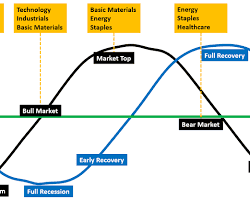
Tag: ​Market Rotation

  • Market Rotation vs. Corporate Earnings

    Gear icon dikhega

    Honestly, look, everyone is talking about market rotations right now like it’s the only thing that matters. You see it everywhere—investors jumping from the big tech giants over to smaller, “value” stocks because they think the big players have peaked. But straight up, if you actually peek under the hood at the corporate earnings, a completely different story starts to emerge.

    ​It’s easy to get swept up in the hype of where the money is moving day-to-day. To be fair, prices move on vibes sometimes, but they always settle on profits in the end.

    ​The Noise of Rotation vs. The Silence of Earnings

    ​Market rotation happens when people get bored or scared of the current winners and start looking for the “next big thing.” Lately, we’ve seen a lot of folks ditching the famous tech stocks to put their cash into companies that haven’t moved in years.

    ​But here’s the thing: rotation is often just a guess. People are betting that the underdogs will finally start winning. Corporate earnings, however, aren’t a guess—they are a cold, hard fact. While the headlines say everyone is leaving tech, the earnings reports show those same tech companies are still printing money faster than anyone else. Look, if a company is making billions and its rivals are barely breaking even, which one would you actually want to own?

    ​Why Interest Rates Aren’t the Full Story

    ​A lot of this rotation is based on what people think will happen with interest rates. They say, “When rates go down, small companies do better.” Sure, that sounds good on paper. But properly speaking, a small company with a lot of debt is still a risky bet, even if rates drop a little bit.

    ​Big corporations have spent years building up massive piles of cash. They don’t need to borrow money like the smaller guys do. In fact, many of them actually make money when interest rates are high because of the interest they earn on their own savings. So, while the market rotates based on a “feeling” about the economy, the earnings show that the big players are already safe and sound.

    ​AI: Is it Just Hype or Actual Cash?

    ​There’s a lot of talk that the AI trend is over and the bubble is popping. Honestly, that’s just talk. If you read the actual earnings files, you’ll see that AI is starting to make real money.

    • The Giants: They are using AI to make their work faster and cheaper. This means their profit margins are actually going up.
    • The Tools: The companies making the chips and the software are seeing record orders.

    The market might rotate away from these stocks because they look “expensive,” but as long as the earnings keep growing, they aren’t actually as expensive as they look. To be fair, I’d rather buy a “dear” stock that makes money than a “cheap” stock that’s losing it.

    ​The Problem with the “Underdogs”

    ​The main goal of market rotation is to find “value” in smaller companies. But straight up, many of these companies are struggling. They don’t have “pricing power.” That’s a fancy way of saying they can’t raise their prices when their own costs go up because their customers will just walk away.

    ​The big brands we all know can raise prices whenever they want, and we still pay. Earnings reports are showing this gap getting wider. The small guys are getting squeezed, while the big ones stay comfy.

    ​Cash is King (And the Giants have it all)

    ​One thing people forget during these rotations is the balance sheet. When things get shaky in the world—whether it’s politics or the economy—you want to be with the company that has the most cash in the bank.

    ​Corporate earnings show that the big firms are using their extra cash to buy back their own shares and pay out dividends. This acts like a safety net for investors. Most of the companies people are rotating into don’t have that safety net. If things go wrong, they don’t have the cash to survive a rainy day.

    ​Don’t Follow the Crowd

    ​It’s tempting to follow the herd. When you see a sector jumping 5% in a week, you want a piece of the action. But look, that’s trading, not investing.

    ​Properly speaking, you should be looking at the YoY (Year over Year) growth. If a company’s profits are growing by 20% every year, but the stock price is flat because of a “rotation,” that’s actually amazing news for you. It means you can buy a great business at a fair price while everyone else is distracted by the shiny new toy.

    ​The Real Takeaway

    • Ignore the Hype: Rotation is about where people think the wind is blowing. Earnings are about where the money actually is.
    • Quality over Price: Just because a stock is “cheap” doesn’t mean it’s a good deal. Check the profit margins first.
    • Watch the Margins: If a company is making more profit on every pound they spend, they are winning.
    • Be Patient: The market can stay irrational for a while, but eventually, the stock price has to follow the earnings.

    Honestly, market rotations will come and go. Today it’s small-caps, tomorrow it’ll be something else. But if you keep your eyes on the corporate earnings, you’ll always know the real story. Don’t let the noise of the trading floor drown out the truth of the balance sheet.

    Frequently Asked Questions

    What exactly is a market rotation?
    Look, it’s basically just a fancy way of saying investors are moving their money from one sector to another. For example, they might sell their “Big Tech” stocks and buy “Small-Cap” or “Value” stocks because they think the smaller guys are due for a win. It’s like a trend in fashion—everyone starts wearing the same thing at once.

    Why do corporate earnings tell a different story?
    Straight up, because the market moves on “vibes” and “guesses,” but earnings are cold, hard facts. While people might be selling tech stocks because they feel like the growth is over, the earnings reports often show these companies are actually making more profit than ever. The “story” in the news is about the move, but the “truth” in the bank is the profit.

    Is market rotation a bad sign for the economy?
    To be fair, not necessarily. It usually just means investors are looking for better deals or are worried about things like interest rates. It can actually be a sign of a healthy market because it shows people are willing to put money into different areas, not just the top five companies.

    Should I follow the rotation and sell my big stocks?
    Honestly, that’s a personal choice, but properly speaking, you should check the earnings first. If a company is still growing its profits and has a massive moat, selling just because “everyone else is” might not be the smartest move. Don’t let the noise of the crowd drown out the logic of the balance sheet.

    What is “Pricing Power” and why does it matter?
    This is a big one. It’s the ability of a company to raise its prices without losing all its customers. Big, successful companies have it; struggling ones don’t. During a rotation, people often buy “cheap” stocks that have zero pricing power, which means their earnings will eventually get crushed by inflation.

    Note: This is for educational purposes only. Not financial advice. We are not SEBI-registered.

  • Inflation 2.0: Will Energy Costs Kill the AI Rally?

    golden-orange tidal wave of crude oil

     Inflation 2.0: Will High Energy Prices Kill the AI Rally?


    For the past two years, the equity markets have been fueled by a singular, intoxicating narrative: Artificial Intelligence. This “AI Gold Rush” has pushed valuations to historic levels, with the assumption that software and silicon will drive the next century of productivity. However, as we move into 2026, a physical reality is beginning to overshadow this virtual boom.

    ​The resurgence of structural inflation—Inflation 2.0—driven by stubborn energy prices, is creating a “cost of compute” crisis that few in Silicon Valley were prepared for. The question now is no longer if AI can change the world, but at what cost.


    The Energy-Intensity of the AI Dream

    ​Artificial Intelligence is not just a software play; it is a massive, energy-hungry infrastructure play. The latest generations of LLMs (Large Language Models) require data centers that consume power at scales previously reserved for small cities.

    ​In an era of cheap energy, this wasn’t a concern. But in 2026, the Export Parity mechanism has created a structural floor under energy prices in the US. Even with record domestic production, the global demand for energy means US data centers are paying premium global rates for every kilowatt. When energy costs remain high, the margins for energy-intensive tech start to evaporate.

    (more…)

  • Dalio’s Big Bet: Why He’s Selling Big Tech for AI

     The Picks and Shovels Strategy: Why Ray Dalio is Dumping Big Tech for AI Infrastructure

    Google and Meta fading away.

    ​The AI hype train is moving at full speed, but while the world is busy obsessing over the latest features of ChatGPT or Gemini, the world’s most successful hedge fund manager is making a move that should make every investor pause and reflect.

    ​Ray Dalio’s Bridgewater Associates has recently made a massive Regime Shift in its portfolio. The fund has aggressively slashed its holdings in hyperscalers like Alphabet (Google) and Meta (Facebook), rotating that capital into what many call the backbone of AI: Oracle, Nvidia, and Micron.

    ​To understand this move, we need to revisit a classic piece of investment history: the Gold Rush. During the 1840s, the people who became consistently wealthy weren’t the miners digging for gold—most of them went home broke. The real winners were the ones selling them the picks and shovels.

    ​In 2026, Ray Dalio is applying this exact strategy to the AI market. Let’s dive deep into the logic behind this massive rotation.

    (more…)

  • Cramer: Don’t Trade Apple/Nvidia; Buy Value Stocks

     Jim Cramer Warns: Don’t Trade Apple and Nvidia as Money Shifts to Overlooked Stocks Before Earnings

    TV market commentator gesturing
    • Jim Cramer recommends owning Apple and Nvidia long-term rather than trading them short-term, as their strong fundamentals remain intact despite recent dips.
    • Money is rotating from tech giants to overlooked sectors, such as data storage and equipment, driven by broader market rallies and upcoming earnings reports.
    • Investors should watch for opportunities in stocks like Western Digital, Micron, and Seagate, which have shown strong recent gains.
    • Economic indicators from the Federal Reserve suggest cautious rate cuts in 2026, supporting a balanced approach to investing amid potential inflation.
    • Research from the IMF and World Bank points to moderate global growth, encouraging diversification into undervalued areas to mitigate risks.

    Why Jim Cramer’s Advice Matters Right Now


    Have you ever felt like the stock market is a giant game of musical chairs, where everyone scrambles for the next hot seat? Well, that’s exactly what’s happening now, according to CNBC’s Jim Cramer. In a recent segment, he dropped some eye-opening advice: don’t trade Apple and Nvidia. Instead, hold onto them as money flows into overlooked stocks ahead of earnings season. This isn’t just casual chatter; it’s a signal of a bigger shift in the market that’s worth paying attention to, especially if you’re an investor trying to navigate these choppy waters.

    Let’s set the scene. For years, the stock market has been dominated by a small group of tech giants. The S&P 500’s rally has been strikingly narrow, with Apple and Nvidia carrying much of the advance. But as earnings season kicks off next week, the dynamics are starting to shift. Jim Cramer notes that investors are rotating out of these megacaps and into less flashy—but potentially more rewarding—parts of the market. The reason: market leadership is broadening, and fund managers are increasingly hunting for value in sectors that have long been overlooked.

    Think about it – Apple has revolutionized how we communicate and work, with its ecosystem of devices and services. NVIDIA, on the other hand, is the king of graphics processing units (GPUs), powering everything from gaming to artificial intelligence. Yet, their stocks have faced headwinds lately. From December 2025 to early January 2026, Apple’s stock dipped from around $283 to $259, a noticeable slide. NVIDIA saw similar pressure, dropping from $180 to about $185 over the same period. Cramer argues this isn’t because their businesses are weakening; it’s because investors are selling to fund new bets elsewhere.

    This rotation is happening against a backdrop of solid economic data. The latest unemployment figures were uneventful, allowing focus on positive trends like a broad rally. Cramer highlights how data storage stocks are surging – think Western Digital, Micron, and Seagate. These companies provide the backbone for data centers and cloud computing, which are exploding with AI demand. For instance, Micron’s stock jumped from $285 on December 31, 2025, to $345 by January 9, 2026 – that’s a breathtaking rally!

    (more…)