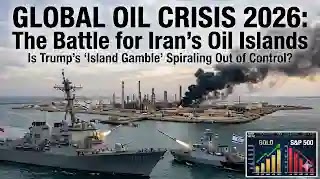
War Economy 2026: Why Your Food, Fuel, and Savings are Under Attack
Look. Let’s get real for a second. Most of us just scroll past the news. We see drones over Eastern Europe or some tanker stuck in the Middle East, and we shrug. We think, “That’s a world away.” But honestly? That is a massive mistake. Every single time a missile slams into a Russian oil depot or Iran threatens to choke the Strait of Hormuz, an invisible hand reaches right into your bank account. We are living in a full-blown “War Economy” here in 2026. Whether you are a student in London, a professional in New York, or a shop owner in Berlin, the price of your morning coffee and your car’s fuel is being decided in war rooms you’ll never see. Believe me, it is all connected.
The Energy Nightmare: Is $150 Oil the New Normal?
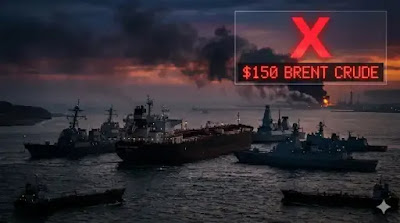
Straight up, the biggest punch to your gut comes from the energy market. In early 2026, Brent crude surged past $120. It even flirted with $150 per barrel. This isn’t just some boring number on a ticker. It’s the reason your cost of living is absolutely skyrocketing.
- The Russian Supply Chain: Ukraine has been hitting Russian oil storage and refineries with brutal precision. When one of the biggest exporters on the planet loses its infrastructure, global supply just vanishes. Even giants like Shell and BP are hiking prices because the “Risk Premium” is simply through the roof.
- The Hormuz Chokehold: This is the “nuclear option” of trade. About 20% of the world’s oil and liquefied natural gas (LNG) moves through the Strait of Hormuz. With US-Iran tensions peaking, this route is effectively a ticking time bomb.
- The Global Fallout: When 20 million barrels of oil a day are at risk, prices don’t just “rise”—they explode. For anyone in the West, this means heating bills and gas prices jumping by 30% in a single month. It is properly painful.
Agricultural Economics: Your Grocery Bill is a Battlefield
You might wonder what a drone strike in Russia has to do with the price of a loaf of bread in New Jersey. Or a supermarket in France. Honestly? Everything.
- The Breadbasket is Burning: Russia and Ukraine are essentially the world’s supermarket for wheat and corn. With the conflict intensifying this year, grain is being used as a geopolitical weapon. Russia is basically weaponizing the harvest. They are controlling who gets to eat and who pays double.
- The Fertilizer Crisis: Making fertilizer takes a massive amount of natural gas. Since gas prices are hitting record highs due to the Middle East blockade, fertilizer has become insanely expensive.
- The Brutal Result: When a farmer in Iowa or the UK has to pay double for fertilizer and fuel for their tractor, they pay for it at the checkout counter. Every gallon of milk and every box of cereal goes up. This is “Agricultural Economics” at its most heartless.
Military Finance: Who is Footing the Bill?
This is the part politicians love to gloss over. Military Finance. War isn’t just about guts and glory. It’s about massive amounts of cold, hard cash moving through the system.
- The $105 Billion Tab: The European Union recently cleared a staggering $105 billion aid package for Ukraine. Mind you, this isn’t “found” money. It comes directly from taxpayer funds. Or massive government debt.
- The Debt Trap: When governments dump billions into missiles and defense systems from companies like Lockheed Martin, they have less to spend on your roads. Your healthcare. Fixing inflation.
- The “Invisible Tax”: This level of spending triggers “Imported Inflation.” Governments are borrowing more. This devalues your currency. Your $100 bill or €100 note simply buys less than it did last year. It’s a hidden tax on your savings.
The Hormuz Factor: The US-Iran Standoff
US-Iran tension? It’s basically the biggest wildcard we’ve got for 2026. No one knows which way it’ll flip. With the US Navy trying to keep shipping lanes open and Iran using the Strait as a strategic shield, we’re looking at a potential maritime disaster.
- The War on Trade: If shipping insurance rates jump by 400% because of the risk of mines or seizures, every single thing you buy gets a price hike. From iPhones to car parts.
- Supply Chain Collapse: It’s not just about oil. The electronics and chemicals moving between Asia and Europe rely on these waters. A chokehold on Hormuz means your next tech upgrade could be delayed by six months. And cost you a fortune.
The Impact on the Western Professional
If you’re working a 9-to-5 in a Western city, you’re likely feeling “Stagflation.” That nasty mix where the economy slows down but prices keep climbing.
- The Real-World Pay Cut: Even if you got a 3% raise, if inflation is at 8% because of energy costs, you actually took a 5% pay cut this year. Properly frustrating, isn’t it?
- The Small Business Squeeze: Small firms are getting crushed. If a local logistics company in Chicago or London has to pay 40% more for fuel, they either pass that cost to you or they close their doors. There is no middle ground.
Actionable Advice: Protect Your Money Properly
You can’t stop a global conflict. But you can stop your finances from sinking.
- Hedge for Real: Historically, gold and commodities win during wars. Consider diversifying your portfolio with energy-sector ETFs that actually profit from these rising prices.
- Cut the Cord on Oil: This is the best time to invest in home insulation or heat pumps. Getting off the fossil fuel rollercoaster is the only way to beat geopolitical volatility long-term.
- The “Volatility Buffer”: Assume your utilities and groceries will stay 20% higher than last year. Build a cash buffer specifically for these price spikes. Don’t get caught off guard.
- Increase Your Earning Power: In a war economy, digital skills are your best defense. High inflation means you need to be able to demand a higher salary. Or freelance for a stronger currency.
FAQ: Your Burning Questions
Q: Will prices drop if they sign a ceasefire tomorrow?
A: Honestly, no. Supply chains take years to rebuild. The “Risk Premium” that traders put on prices will stay high for a long time. Don’t expect a quick fix.
Q: Should I move my savings into a different currency?
A: To be fair, most major currencies (USD, EUR, GBP) are in the same boat because they’re all tied to global energy. Diversifying into physical assets like gold is usually a safer bet in 2026.
Q: Why does the US care if it has its own oil?
A: Because oil is a global commodity. Even if the US pumps its own oil, the price is set by global events. If Hormuz closes, everyone pays more. Period.
Conclusion: Stay Informed, Stay Ready
The OPEC+ production boost is a tiny band-aid on a deep wound. As long as the Strait of Hormuz is under threat and the war in Europe rages on, this “War Economy” is our reality. We are in a period of low growth and high costs. The only way to survive is to stay informed, adapt fast, and manage your money with an eagle eye.
Call to Action:
Are you feeling the heat at the grocery store or the gas station? Have you found a clever way to cut costs during this crisis? Drop a comment below—let’s share some real strategies to survive this 2026 economic storm together!
Note: This is for educational purposes only. Not financial advice. We are not SEBI-registered.