Introduction: The Storm and the Fortress
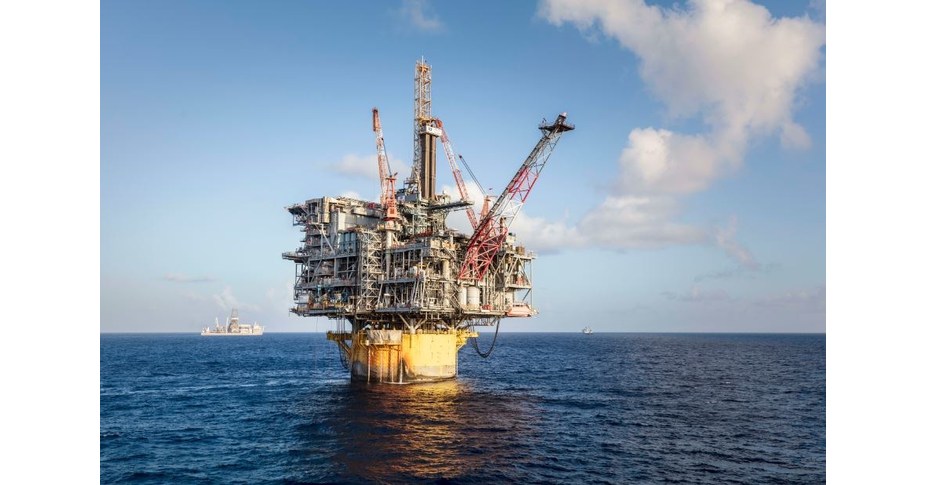
Look, imagine the global energy market is just a massive, stormy sea. Most oil companies out there are like small, shaky boats, tossing and turning, just praying the waves (oil prices) don’t swallow them whole. Then there’s ExxonMobil. This giant is cruising along like a high-tech fortress, and honestly, they’re barely even feeling the spray.
In late 2024 and all through 2025, the headlines were pretty grim. Oil prices were wobbling, natural gas was down, and everyone was biting their nails. But then Exxon dropped their earnings bomb: $33.7 billion in profit for the year. Honestly, when I first saw that number, I had to double-check my screen. I mean, how do you make that much cash when the market is supposedly “bearish”? It’s a masterclass in efficiency. Simple as that.
The secret isn’t some magic trick. It’s a calculated, almost ruthless strategy that’s been years in the making. It’s about being so efficient that even if oil prices tank, you’re still the last one standing. Let’s pull back the curtain and see what’s actually happening.
The Anatomy of a “Beat”: Why Wall Street Was Wrong
Look, Wall Street analysts love their spreadsheets, but they often miss the human grit behind the numbers. In Q3 2025, the “experts” guessed Exxon would make about $1.81 per share. Exxon just laughed and delivered $1.88.
Now, why does this even matter to you? Because it shows that Exxon has successfully “decoupled” its profits from the price of oil. In the old days, if oil went down, Exxon went down. Simple. But today? They’ve engineered a model where they can thrive even when crude is weak. They reported a massive $55 billion in cash flow from operations. That’s more than just a “good year”; it’s a statement of power.
The Radical Efficiency: Cutting Fat, Keeping Muscle
The real hero of this story isn’t actually the oil itself—it’s the cost-cutting. Since 2019, Exxon has been on a mission to shave off every unnecessary penny it can find. By the time we hit the end of 2025, they had achieved a cumulative $14.3 billion in structural cost savings.
Think of it like a heavyweight boxer cutting weight. They aren’t getting weaker; they’re getting leaner and faster. They’ve completely re-engineered their entire operating footprint.
- They’ve slashed unit operating expenses by 12%.
- Procurement savings (buying stuff cheaper) hit 8%.
And look, management isn’t stopping there. They want to hit $18 billion in savings by 2030. This relentless focus on the “bottom line” gives them a massive margin of safety. If a competitor needs oil at $60 to break even, Exxon can probably do it at $30 or $40. That is a massive competitive advantage in any market.
The Two Engines of Growth: Guyana and the Permian
Honestly, if ExxonMobil has “cheat codes,” they are definitely named Guyana and the Permian Basin. Instead of trying to find oil everywhere on the planet, they’ve concentrated their best talent and most of their cash into these two spots.
1. The Guyana Mega-Project
Off the coast of Guyana, there’s a place called the Stabroek Block. It’s one of the most successful oil discoveries in modern history. By Q3 2025, they were already pumping over 700,000 barrels a day.
The “Yellowtail” project even started four months ahead of schedule. When does that ever happen in big construction? Never! But Exxon has turned deepwater drilling into a science. They use these massive floating ships (FPSOs) that are basically mobile oil factories. They plan to have eight of these ships out there by 2030, hitting 1.7 million barrels a day.
2. The Permian Basin Powerhouse
Then there’s the Permian Basin in the US. Exxon made a huge bet here by buying Pioneer Natural Resources for $60 billion. A lot of people thought they overpaid, but look at the results now. They’ve created a contiguous “acreage” where they can use multi-well pads and automated drilling.
In 2025, they set a record of 1.7 million barrels a day in the Permian. By using “lightweight proppant” (just a techy way to squeeze more oil out of rocks), they’ve improved recovery by 20%. It’s high-tech farming, but for oil.
Vertical Integration: The Secret Sauce
Exxon doesn’t just find oil; they refine it, turns it into chemicals, and sells it at gas stations. This is called “vertical integration,” and honestly, it’s a huge safety net.
When refining margins were weak in 2024, their chemical segment stepped up, making $2.6 billion. Why? Because they use their own cheap feedstock from North America. They control the whole value chain. It’s like a bakery that grows its own wheat and has its own flour mill—they don’t care if the price of flour goes up, because they are the flour mill.
The Fortress Balance Sheet: Financial Discipline
Exxon’s balance sheet is basically a suit of armour. Even after spending billions on Guyana and the Pioneer deal, their net-debt-to-capital ratio is a tiny 9.5%.
They have over $15 billion in liquidity. This financial strength allows them to be aggressive when others are scared. It’s why they can afford to keep their credit rating at Aa2/AA- while still returning record amounts of cash to the people who own the stock.
Shareholder Rewards: The 43-Year Streak
The real reason investors love Exxon? They actually get paid. In 2024, Exxon gave back $36 billion to shareholders.
- $16.7 billion in dividends.
- $19.3 billion in buybacks.
They’ve boosted their dividend annually for 43 consecutive years. Think about that. Through wars, pandemics, and economic crashes, the check has always arrived. They’ve even extended their buyback program to
$20 billion a year through 2026.
Management is basically saying, “We’re flush with cash, so we’re repurchasing our shares.”
Conclusion: Predicting the “Beat”
In the end, ExxonMobil’s success isn’t just a reaction to the market—it’s a predictable outcome of a long-term plan. They’ve built a business that thrives on efficiency and high-performing assets.
Whether oil is at $100 or $50, Exxon is engineered to win. They’ve cut the fat, focused on the best oil patches in the world, and kept their balance sheet clean. For anyone looking at the energy sector, ExxonMobil isn’t just an oil company anymore; it’s a radical lesson in how to build a resilient, money-making machine.
Frequently Asked Questions (FAQs)
Q1: How did ExxonMobil make $33.7 billion in a low-price market?
Honestly, it’s all about radical efficiency. ExxonMobil managed to shave off over $14 billion in structural costs since 2019. By cutting the fat and focusing on high-margin areas like Guyana, they’ve made sure they can still print money even when oil prices aren’t at their peak.
Q2: Is ExxonMobil’s dividend safe for 2026?
Look, with a 43-year streak of dividend increases and a fortress-like balance sheet, it’s one of the safest bets in the market. Their net-debt-to-capital ratio is a tiny 9.5%, which gives them plenty of breathing room to keep paying shareholders.
Q3: What are the biggest growth drivers for Exxon right now?
The two main engines are Guyana and the Permian Basin. In Guyana, they’re hitting production records faster than anyone expected, and their massive deal in the Permian is already paying off with high-tech, low-cost oil recovery.
Q4: Why did Exxon beat Wall Street’s earnings expectations?
Wall Street often underestimates how much a company can save through sheer operational grit. Exxon delivered $1.88 per share while the ‘experts’ were only expecting $1.81, proving that their cost-cutting strategy is working better than the spreadsheets predicted.
About the Author
“I’m a passionate finance blogger who loves breaking down the complex world of the stock market into simple, everyday stories. My mission is to help regular people understand the big numbers without the headache, so they can make smarter moves with their money. When I’m not diving into earnings reports or tracking tech trends, you’ll probably find me exploring the next big thing in the digital world.”