Tag: Supply Chain

  • Global Trade Outlook: China, Fed, UK Q3

     The Week Ahead in International Trade: China’s Record $1 Trillion Surplus, US Fed Rate Cut Drama, and UK GDP Slowdown Signals

    • China’s Trade Surge Shakes Global Markets: The world’s factory just posted a $1 trillion surplus in 11 months – a historic high that’s dodging US tariffs and boosting exports to Europe and beyond.
    • Fed’s Rate Decision Looms Large: With a divided committee, expect a 0.25% cut this week, but signals on 2026 could ripple through trade and currencies worldwide.
    • UK GDP Growth Stutters: Q3 data shows just 0.1% quarterly rise, with forecasts pointing to 1.3% for 2025 – what does this mean for Brexit-era trade deals?
    • Trade Data Spotlight: US trade deficit update and global PMI readings could highlight shifting supply chains in this pivotal week.
    • Opportunities for Businesses: From hedging currency risks to spotting export booms, here’s how to navigate the volatility.

    Introduction

    Picture this: It’s a crisp December morning in 2025, and you’re sipping your coffee, scrolling through headlines that scream “China’s Trade Surplus Tops $1 Trillion!” Your mind races – is this the spark that ignites a new trade war, or just another sign of the dragon’s unshakeable grip on global manufacturing? Meanwhile, across the Atlantic, the US Federal Reserve is huddled in a room, debating whether to slash interest rates again amid whispers of a softening job market. And in London, economists are poring over UK GDP figures that barely budged, painting a picture of an economy that’s chugging along but not quite revving up.

    Welcome to The Week Ahead in International Trade, where we unpack the big moves shaping your wallet, your business, and the world economy. As we hit mid-December 2025, the air is thick with anticipation. China’s jaw-dropping trade numbers aren’t just stats on a page; they’re a wake-up call for exporters everywhere. That $1.08 trillion surplus through November – up over 21% from last year – shows Beijing’s factories firing on all cylinders, shipping everything from electric vehicles to solar panels to hungry markets in Europe and Southeast Asia. Despite Donald Trump’s tariffs biting hard on US-bound goods, Chinese firms are rerouting like pros, proving that resilience is the name of the game in international trade.

    But hold on – it’s not all about the East. This week, the spotlight swings to the US, where the Fed’s December 9-10 meeting wraps up with what markets are betting on: a quarter-point rate cut to 3.50%-3.75%. It’s the third trim of 2025, aimed at propping up a wobbly labour market, but don’t expect smooth sailing. The committee’s split – some hawks want to pause, fearing inflation’s sneaky comeback – and Chair Jerome Powell’s presser could send shockwaves through currency pairs and bond yields. Lower rates? That could mean cheaper borrowing for US importers, juicing demand for foreign goods, and narrowing that pesky trade deficit. Or, if the Fed sounds too dovish, the dollar might dip, making Chinese exports even more irresistible.

    Then there’s the UK, our island of steady-but-not-spectacular growth. Fresh Q3 GDP data clocked in at a meagre 0.1% quarterly rise, with full-year forecasts hovering around 1.3%. It’s better than a recession, sure, but in a post-Brexit world, this sluggishness spells caution for trade partners. Think about it: a weaker sterling could boost UK exports, but only if global demand picks up. With EU talks dragging and US tariffs looming, British firms are playing a high-stakes game of supply chain Jenga.

    Why does all this matter to you? Whether you’re a small business owner eyeing imports from Shenzhen, a trader hedging against forex swings, or just a curious soul wondering why your shopping bill feels the pinch, the week ahead in international trade is your roadmap. We’ll dive deep into China’s surplus magic (and the risks it hides), decode the Fed’s rate riddle, and dissect UK GDP’s quiet alarm bells. Along the way, expect real-world examples – like how John Deere’s stock dipped 5% last month on slumping US farm exports to China – stats that stick, and tips to turn headlines into opportunities.

    This isn’t dry econ-speak; it’s your friendly guide through the global bazaar. Grab a notebook, because by the end, you’ll spot trade winds before they hit gale force. Let’s jump in – the week’s just getting started.
    (more…)

  • How Businesses Adapt to Trump’s 2025 Tariffs

     
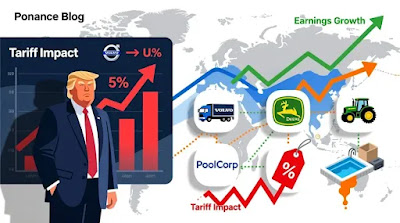
    Donald Trump with U.S. tariffs charts

    Trump’s 2025 Tariffs: Why Your Favorite Brands are Hiking Prices (and Still Winning)


    ​Honestly, look, if you’ve been scrolling through the news lately with your morning tea, you probably saw something a bit weird. Everyone is talking about President Trump’s new tariffs—those big taxes on stuff coming into the country—but the stock market isn’t exactly crashing. Usually, when costs go up like this, people panic. But right now? It’s like businesses are in a proper survival mode. And they’re actually finding ways to thrive.

    ​The early quarterly earnings for late 2025 are finally starting to roll in. They’re telling a story that isn’t just about boring policy. It’s about how much your sneakers or your favorite soap are going to cost you. Companies are being hit with billions in extra costs. But instead of folding, they’re just passing those bills straight to us. Let’s break down what’s actually happening behind those corporate doors.

    ​The Big Squeeze: What’s the Damage?

    ​Straight up, the numbers are massive. After Trump resumed office and pushed tariffs higher—some hitting 60% on Chinese goods—companies have taken on more than $35 billion in additional costs. That’s a massive hole in any budget.

    ​But here’s the thing: companies aren’t just sitting there crying about it. They’re moving fast. Some are moving their factories to other countries. Some are cutting staff. But almost everyone is raising prices.

    ​Take a look at Unilever. Their range stretches from Dove soap all the way to Ben & Jerry’s. They were impacted by higher packaging costs. Their fix? They just raised their prices. And guess what? People still bought their stuff. Their sales actually went up because they focused on “premium” versions of things. It’s a clever trick—make it feel fancy, and people won’t mind the extra 50p as much.

    ​The Winners and the Losers

    ​To be fair, not everyone is having a great time. John Deere, the tractor people, had a properly rough quarter. Their profits dropped by 25%. Why? Because the steel and electronics they need are way more expensive now. Farmers are already struggling, so they aren’t exactly rushing to buy a million-dollar tractor. Deere had to lay off over 2,000 workers just to stay afloat. It’s a tough row to hoe, literally.

    ​On the flip side, you’ve got Volvo. They’re being taxed for bringing cars into the US from Europe. Their response? Fine, we’ll make them in the U.S. instead.” They’re moving production to states like South Carolina to sidestep the taxes. It’s a high upfront cost, but long-term, it saves them millions. Their profit margins actually jumped by 7 points because they cut other costs so aggressively.

    ​Then you’ve got niche winners like PoolCorp. They sell pool supplies. When their suppliers raised prices because of tariffs, PoolCorp just flipped that bill to the customers. Since people who own pools usually have a bit of spare cash, they kept paying. Their margins hit nearly 30%. It shows that if people really want what you’re selling, tariffs are just a bump in the road.

    ​Why Your Wallet is Feeling the Pinch

    ​Look, someone has to pay for these tariffs. And it’s usually us. Goldman Sachs thinks US consumers will shoulder about 55% of these costs. For an average family, we’re talking hundreds of extra pounds or dollars every year on gadgets, clothes, and groceries.

    ​Small businesses are feeling it even worse. Some say their costs jumped 20% overnight. Unlike a giant like Apple or Adidas, a small shop can’t just move a factory to Vietnam. They either have to raise prices and hope for the best or just lose money. It’s a proper squeeze.

    ​The Masterclass in Agility

    ​So, why are these CEOs sounding so happy on their earnings calls? It’s because they’re using these tariffs as an excuse to get “leaner.”

    ​For example, Adidas raised its profit targets even though sneakers are being taxed. How? They got way faster at moving stock. They aren’t letting shoes sit in warehouses for months anymore. By being more efficient, they’re making up for the extra tax they pay at the border.

    Hasbro, the toy company, did something even smarter. Instead of just worrying about plastic toys coming from China, they pushed their digital games. You can’t put a tariff on a digital download! Their gaming wing grew by 25%, helping them survive the physical trade war.

    What This Means for You

    ​As a shopper, you’ve got to be a bit more careful now. You’re going to see “sticker shock” on a lot of things. If you’re planning a big purchase—like a new car—it might be worth looking at where it’s actually made. Stuff made closer to home might stay a bit cheaper.

    ​For investors, the lesson is clear: bet on the adapters. Companies that can shift their supply chains or raise prices without losing their customers are the ones that are going to win. The old way of just importing everything from the cheapest factory in Asia is dead for now.

    The Road Ahead to 2026

    ​To be fair, most experts think things will settle down by 2026. Companies are locking in new deals with suppliers in India, Mexico, and Vietnam. It’s a massive reshuffling of the global economy. It isn’t easy, but it’s happening.

    ​But if tariffs go even higher—say, hitting 100%—then we might see some real chaos. For now, the Q3 2025 earnings show that big business is a lot tougher than people thought. They’re passing the bill to us. They’re cutting waste. And they’re moving production closer to home.

    ​Final Thoughts (No Jargon)

    Let’s be real—the economy is in a pretty unusual spot. But it’s not all doom and gloom. Yes, things are getting pricier. And yes, some sectors like agriculture are hurting. But the speed at which businesses are pivoting is actually quite impressive.

    ​Whether you’re a shopper, a small business owner, or just someone trying to understand why your favorite brand of soap suddenly costs more, the answer is in these earnings. It’s a new normal. We’re all just learning to live in it. Keep an eye on those labels. And maybe check out some local brands—they might just become your new favorites while the global giants sort out their mess.

    The months ahead will be the real proving ground. Will we keep paying these higher prices? Or will we start cutting back? Only the next quarter’s numbers will tell for sure. At the moment, the big names are still standing tall. Even if the air is getting a bit thinner.

    FAQ 

    Are Trump’s tariffs making things more expensive in 2025?

    Honestly, yes. Consumers are absorbing roughly 55% of the tariff costs. You’ll likely see a 5-10% jump in prices for electronics, clothing, and packaged goods.

    How are companies like Volvo avoiding tariff costs?

    To be fair, they aren’t escaping them altogether, but they are shifting where production happens. Volvo is moving more manufacturing to the US to bypass import taxes, which helps keep its margins steady.

    Which industries are struggling the most with tariffs?

    Agriculture and heavy machinery are taking a proper hit. Companies like John Deere have seen profits drop because the steel and parts they import are way more expensive now.

    Is the stock market still a good buy during trade wars?

    Straight up, it depends on the company. Investors are currently betting on “adapters”—companies that have the power to raise prices or move their supply chains quickly.

    Note: This is for educational purposes only. Not financial advice. We are not SEBI-registered.