Tag: Wall Street

  • Wall St. 2026: Earnings & Inflation Test Stocks

     Wall St Week Ahead: Earnings Start and Inflation Data Pose Tests for Resilient US Stocks

    background with a translucent 3D

    Key Points

    • US stocks have surged nearly 2% in early 2026, extending a bull market fueled by strong profits and policy easing.
    • Earnings season begins with major banks, projecting 8.3% S&P 500 growth for Q4 2025.
    • December CPI data, expected at 2.7% y/y, may influence Fed rate cuts amid labor market concerns.
    • Geopolitical tensions add volatility, but resilient fundamentals offer opportunities for savvy investors.
    • Global outlooks from the International Monetary Fund and the Federal Reserve point to moderate U.S. economic growth of roughly 2.1% in 2026.

    Understanding the Current Market Landscape


    U.S. stocks have started 2026 strongly, with major indexes such as the S&P 500 and Dow Jones reaching record highs, even as geopolitical tensions and recent U.S. actions create uncertainty in the global backdrop. in Venezuela and talks about Greenland. This resilience stems from solid corporate earnings, easing Fed policies, and hopes for stimulus under the new administration. However, the week ahead brings pivotal tests: the start of earnings season and fresh inflation data. These could either reinforce the bull run or introduce volatility, especially as markets seem somewhat numb to risks.

    What Investors Should Watch

    Focus on big bank earnings for clues on consumer spending, which drives most of the economy. Inflation reports will shape expectations for Fed rate cuts—markets anticipate one or two in 2026, but surprises could shift that. While stocks appear strong, analysts warn of underappreciated risks, suggesting a defensive approach like diversifying or using options. Overall, the evidence leans toward continued growth, but with hedging for complexity in a “near-perfection” priced market.

    For more on stock trends, check sources like Reuters or Federal Reserve updates.


    Introduction

    Imagine starting the new year with stock markets hitting fresh highs, shrugging off everything from government shutdowns to international military maneuvers. That’s exactly what’s happening on Wall Street in early 2026. The S&P 500 has risen nearly 2% so far in January, building on a standout 2025 in which the index delivered its third consecutive year of double-digit gains. Investors are buzzing with optimism, thanks to booming corporate profits, the Federal Reserve’s rate cuts, and whispers of fiscal stimulus from the Trump administration. But hold on—things might get bumpy. This week, corporate earnings season kicks off, and key inflation data drops, posing real tests for these resilient US stocks. Will the bull run continue, or are cracks starting to show? In this article, we’ll dive deep into what’s ahead, breaking down the risks, opportunities, and what it all means for you as an investor. Whether you’re a seasoned trader or just dipping your toes in, understanding these dynamics could be the key to navigating 2026’s market twists. Let’s unpack it step by step.
    (more…)

  • The Santa Claus Rally: Will Wall Street End 2025 on a High?


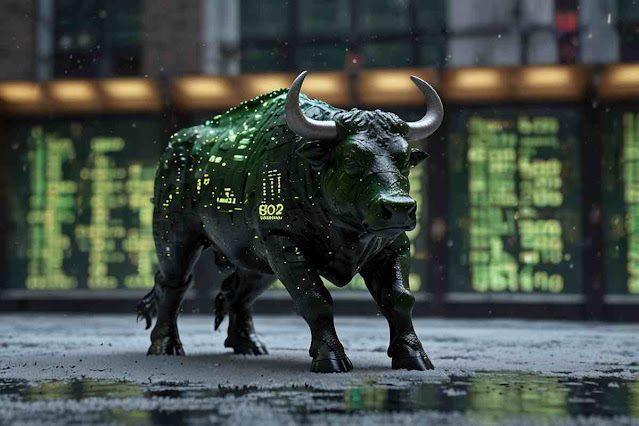
    Wall Street Charging Bull covered

    Key risks ahead:
    • Taiwan flashpoints: Lawmakers warn of 2026 supply chain ruptures if U.S.-China rhetoric heats up.
    • Quantitative easing redux? The Fed’s hawkish tilt signals no return to unlimited liquidity, pressuring emerging markets.
    • Deglobalization dividend: While U.S. firms reshore, EU exporters face 5-7% cost hikes from rerouted supply chains.

    These dynamics underpin the rally’s fragility: indices surged on truce news but dipped on profit-taking, as investors weigh a “soft landing” against renewed frictions. For trade professionals, hedging via currency swaps on the USD/CNY pair is advisable, with volatility spiking 15% post-November deal.

    Executive Summary

    As 2025 draws to a close on this crisp December 30, Wall Street stands at a crossroads, teetering between festive optimism and cautious realism. The Santa Claus Rally—a seasonal uptick in stock prices during the last five trading days of December and the first two of January—has flickered to life, with the S&P 500 touching record highs above 6,945 this week. Yet, profit-taking has injected volatility, pulling indices back from peaks amid thin holiday trading volumes. AI-led momentum and easing financial conditions have driven a banner year, lifting the S&P 500, Nasdaq Composite, and Dow Jones Industrial Average firmly into double-digit gains. But whispers of deglobalization, persistent trade deficits, and looming policy shifts under a new U.S. administration cast long shadows.

    This article dissects the rally’s trajectory through a geopolitical lens, sector-specific impacts, and regulatory headwinds. Drawing on Federal Reserve projections, IMF outlooks, and real-time market data, we explore whether this end-of-year surge signals sustained momentum into 2026 or merely a fleeting gift. For institutional investors, trade professionals, and policy analysts across the USA, UK, and EU, the stakes are high: a successful rally could bolster portfolios amid the UK’s lingering Cost of Living Crisis, while a fizzle risks amplifying EU uncertainties under the Green Deal.

    Key indicators point to guarded positivity. The Fed’s December rate cut to 3.50%-3.75%—its third this year—has fueled liquidity, yet hawkish undertones in meeting minutes suggest fewer easings ahead. Globally, the IMF forecasts 3.0% growth for 2025, edging up to 3.1% in 2026, buoyed by resilient U.S. consumption but tempered by trade frictions. U.S.-China relations, marked by a fragile truce after tariff escalations, exemplify deglobalization’s bite: exports to Europe surged 8.9% as Beijing pivots from American markets.

    In tech, AI darlings like those in the Nasdaq have soared, but energy lags amid oil oversupply fears, and finance treads steadily on lower yields. Our mini case study on Apple illustrates tech’s resilience, with shares up 12.1% year-to-date despite supply chain jitters. Regulatory pressures, from the EU Green Deal’s emissions targets to U.S. Trade Acts enforcing tariffs, add layers of compliance costs.

    Bottom line for readers: Trim overvalued positions in tech, eye undervalued energy plays, and hedge against trade volatility. With quantitative easing’s echoes fading, diversification across Atlantic shores remains paramount. As Santa’s sleigh departs, Wall Street may indeed end 2025 on a high—but only if investors unwrap prudence alongside profits.

    (more…)