Middle East Breaking Point: Saudi Rejects IMEC Route as US-Iran Conflict Explodes
A massive Middle East conflict escalation has taken a turn for the worse this week, and there is absolutely no point pretending otherwise. Anyone tracking the actual ground data right now can feel how fast this whole situation is unraveling. For months, all technical signs pointed toward a breaking point, and we have officially arrived there. We aren’t just looking at minor border standoffs anymore; our direct analysis shows heavy combat strikes hitting strategic sites across multiple countries. Let’s strip away the corporate fluff, skip the standard media filters, and look straight at the raw intelligence.
The Saudi Surprise: Is Israel Permanently Out of IMEC?
Riyadh has become the center of the biggest political surprise in the region, with its latest moves sending shockwaves through the international policy community. A reported high-level demand from Saudi Arabia’s Crown Prince Mohammed bin Salman could mark a turning point for the multi-billion-dollar India–Middle East–Europe Economic Corridor (IMEC). To be fair, this isn’t just a minor tweak; it’s a total structural overhaul.
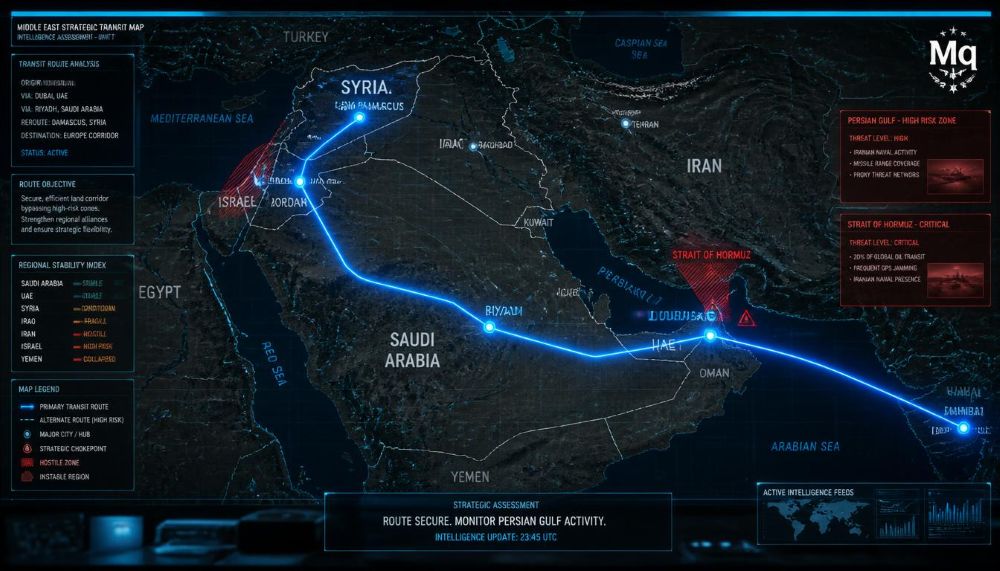
The original mega-plan—which was heavily backed by international powers—was set to connect Mumbai ports straight to Dubai by sea, running through Saudi railway tracks into Jordan, heading directly into Israel’s Haifa port, and then connecting straight to Europe. It was supposed to be the ultimate trade counterweight. But look, Saudi Arabia has now openly called to completely bypass Israel. Instead of running those tracks through Israeli territory, they are officially reassessing the route to take the corridor directly through Syria to connect with the Mediterranean and Europe.
By side-stepping Israel entirely, this massive infrastructure alignment completely changes the economic dynamics of global trade routes. It shows that Riyadh is straight up refusing normalization under the current circumstances, preferring to bring Syria back into the economic fold rather than sharing a multi-billion-dollar transit line with Tel Aviv.
Iran’s Multidirectional Strikes Confirmed by Al Jazeera
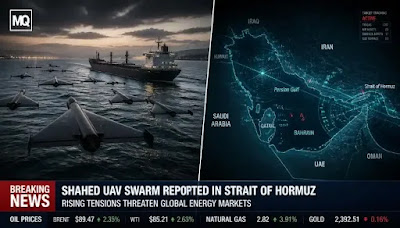
While the diplomatic front is fracturing in the boardrooms, the military conflict on the ground has turned incredibly loud, chaotic, and dangerous. Al Jazeera has officially confirmed direct, heavy retaliatory drone and missile strikes launched by Iran, specifically targeting key American and allied military facilities right across the Gulf region.
Our internal intelligence logs map out the exact strategic locations hit in this massive coordinated wave:
- Kuwait Grid: Direct strikes targeted critical Patriot missile defense systems and heavy logistics warehouses. The goal here was clearly to blind the defensive radar setups.
- Bahrain Infrastructure: Coordinated heavy drone strikes struck main naval fuel storage tanks and refueling facilities at setups used directly by the U.S. Navy.
- Qatar Commands: Precision target coordinates locked onto specific satellite communications arrays and early-warning defense antennas deployed by Western forces.
Despite massive American defensive networks and continuous radar tracking, raw video footage leaking from the ground confirms that Iranian missiles managed to break through the defensive shield and impact targets directly inside Bahrain. Iranian Parliament Speaker Ghalibaf made it clear on public channels that the Strait of Hormuz will now operate strictly under Iranian arrangements and local jurisdiction. He issued a direct warning stating that any foreign intervention or bullying tactics would face an immediate, unmitigated military response.
Raw Damage Inside Iran: The Real Picture
Look, there is absolutely no use listening to sugar-coated local reports or social media influencers trying to downplay the situation; the actual damage inside Iran from recent U.S. counter-strikes is extensive. The central Maritime Air Traffic Control tower at Chabahar Port—the kind of massive control setup you usually see at major international airports—has been completely neutralized and knocked offline by heavy American bombardments.
Casualties are rising rapidly on the ground, with the Iranian Health Ministry officially confirming at least 14 dead and 78 severely injured across five heavily targeted provinces. The infrastructure damage means port operations are facing massive technical delays.
Furthermore, the crucial global energy bottleneck—the Strait of Hormuz—has essentially entered a state of unannounced, de facto lockdown. While not officially closed by legal decree, international commercial oil tankers have completely halted their operations. Ships are flat out refusing to pass through the narrow channel out of sheer vulnerability to incoming crossfire and unpredictable missile strikes. If this freeze continues for another few days, global oil supplies will tighten, and energy prices will skyrocket worldwide.
The Lebanese Crisis and Evolving Global Dynamics
Meanwhile, moving over to the Western front, the situation in southern Lebanon has completely disintegrated into a catastrophic humanitarian crisis. Amnesty International has issued a blistering war crimes warning, accusing Israeli forces of entirely wiping out Lebanese families through systematic, indiscriminate air raids. Despite immense international pressure and calls for a ceasefire, Israeli leadership remains heavily dug in, stating clearly that their defense forces have zero intentions of withdrawing from Lebanese territory anytime soon.
At the same time, look at the diplomatic fallout happening behind the scenes with NATO allies. Turkey is actively pushing to unblock its defense trade with the U.S., demanding the immediate delivery of six advanced F-35 fighter jets the moment current congressional blocks are lifted. However, Israeli finance officials are actively lobbying the U.S. to block this move, openly declaring Turkey as a rising regional threat that shouldn’t get access to fifth-generation stealth tech.
To add to this incredibly complex puzzle, political popularity charts are flipping inside Western nations in ways no one expected. Recent polling reveals that progressive advocate Zohran Mamdani has actually surpassed Israeli Prime Minister Benjamin Netanyahu in popularity metrics among American Jewish communities. This shows a massive, historic internal divide regarding how this ongoing conflict is being handled globally.
Frequently Asked Questions (FAQs)
1. What is the IMEC route disruption, and why is Saudi Arabia bypassing Israel?
Honestly, the multi-billion-dollar India-Middle East-Europe Economic Corridor (IMEC) has hit a massive political wall. Due to intense regional tensions and the breakdown of normal diplomatic ties, Saudi Arabia is reportedly demanding a massive structural change. Instead of the original route that connected straight through Jordan to Israel’s Haifa port, plans are being explored to route the overland corridor through Syria directly into the Mediterranean to connect with Europe, leaving Israel completely out of the trade line.
2. Which military facilities did Iran strike in Kuwait, Bahrain, and Qatar?
Following heavy defensive escalations, Al Jazeera and regional state media confirmed that the Iranian military launched a massive wave of coordinated kamikaze attack drones targeting American military assets across the Gulf.
- Kuwait: The strikes directly targeted critical Patriot missile interceptors and defense systems.
- Bahrain: Iran’s military locked onto and hit major U.S. naval fuel storage facilities.
- Qatar: Attack vectors targeted essential Western satellite communications and early-warning defense systems.
3. Is the Strait of Hormuz officially closed right now?
Look, straight up, it isn’t officially closed by legal decree, but it is entering a dangerous, de facto lockdown. Because of continuous crossfire, missile actions, and drone threats, commercial international shipping tankers are flat-out refusing to enter the narrow channel out of sheer vulnerability. This freeze is trapping thousands of seafarers and threatening a major global energy supply crisis.
4. What is the extent of damage reported inside Iran from U.S. strikes?
To be fair, the ground impact inside Iran is quite severe. Recent U.S. Central Command bombardments targeting nearly 90 military locations have knocked critical power lines offline, completely neutralizing the Maritime Air Traffic Control hub at Chabahar Port. The Iranian Health Ministry has officially confirmed that at least 14 people have been killed and 78 others severely injured across five heavily hit provinces.