Middle East conflict escalation: Is war on the edge?
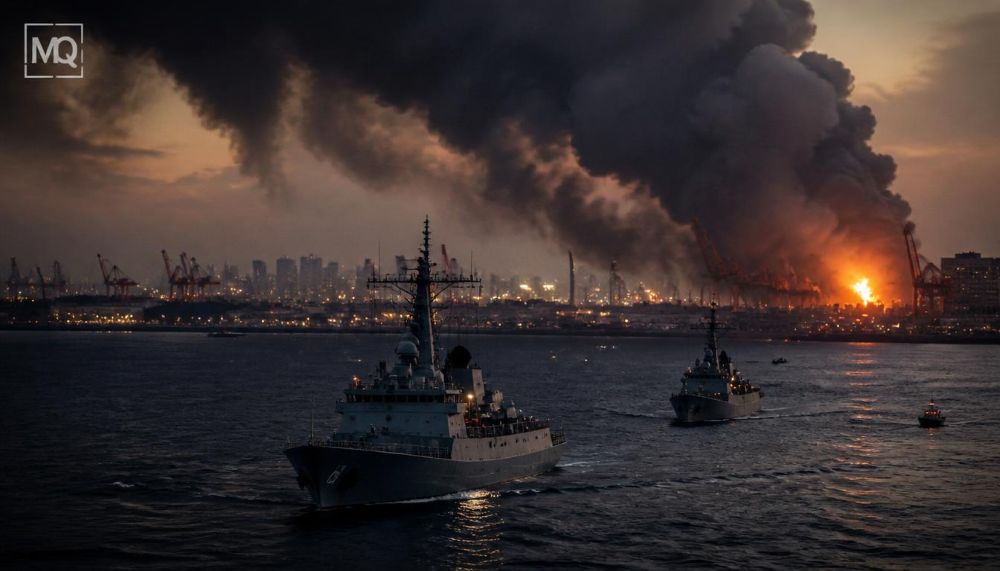
Escalating Tensions in the Middle East: What They Could Mean for the Region and the World
Middle East conflict escalation is hitting a critical phase, and let’s be completely real here—things across the region have taken a turn for the worse, and there’s no point pretending otherwise. Anyone tracking the ground data right now can feel how fast this whole situation is unraveling, and it is genuinely concerning. For months, all technical signs pointed toward a massive breaking point, and we have officially arrived there. We aren’t just looking at minor border standoffs or empty political talk anymore; our direct analysis shows heavy, coordinated combat strikes hitting the ground. Beneath the surface of public reporting, raw intelligence and operational records point to a situation far more consequential than most accounts acknowledge. Let’s strip away the fluff and look at exactly what’s happening.
When we talk about the scale of what’s happening, we aren’t just looking at a minor skirmish. We are looking at a fundamental shift in how the region is operating. Recent developments on the ground show that every tactical choice is being used to make a point, proving that nobody has any intention of stepping back.
Mapping the Conflict: Where the Heat Is
Here’s the deal on where the strikes happened. It’s not random; these are key spots for Iran. To properly understand why everyone is panicking, you need to look closely at these specific locations and what they do.
- Qeshm Island: An island zone that acts as Iran’s main eyes and ears for watching ships pass through the Gulf.
- Sirik: A critical hub that houses their main coastal defense setups.
- Chabahar: A massive port city where the power grid was completely cut, sending a huge signal about infrastructure vulnerability.
- Bandar Abbas: The primary naval base that keeps their warships moving and controls local shipping routes.
- Abu Musa Island: A tiny but highly strategic piece of land positioned directly in the middle of the Persian Gulf waters.
- Konarak Port: A major logistics dock that keeps its daily commercial shipping running without delays.
- Lavan Island: A key island facility that has been a long-time military point.
- Strait of Hormuz: The central command—the biggest chokepoint for global oil in the world.
- Shahid Bahonar and Kalantari Docks: Major commercial ports that underpin Iran’s industrial output and international trade.
Why This Matters for the West (And Your Wallet)
Honestly, these strikes aren’t just random acts. They’re surgical. They’re hitting the exact spots that keep Iran’s economy and defense moving. When you see power go out in Chabahar, it’s not a glitch; it’s a message. Targeting the Strait of Hormuz central command? That’s huge. For us in the West, this is the scary part. That strait is where the world’s oil flows. If that shuts down, your gas prices at the pump go through the roof, and the cost of everything else follows.
It is a direct attack on the global supply chain. What happens here won’t stay here. People in London, New York, and across Europe could see the effects reflected in higher grocery prices and broader increases in the cost of living. Your energy bills, and your travel. We’re talking about a level of volatility that hasn’t been seen in years.
Iran’s Response: The End of Diplomacy?
Iran’s posture has completely changed. Foreign Minister Seyed Abbas Araghchi isn’t playing the old diplomatic games anymore. When he says they’ll respond with “action” rather than words, he means it. Tehran has basically shut the door on any final agreement until the U.S. delivers on its promises.
To be fair, the people in Iran are fed up. They’re out on the streets, and they aren’t looking for talk—they’re looking for a response. The public pressure on the government to act is huge, and that’s a dangerous place to be. They aren’t backing down, and the internal heat in Tehran is stronger than ever. The protesters and the voters are making it clear that they don’t want a “deal”—they want an outcome that respects their sovereignty, and that makes the whole situation a lot more unpredictable than what you’re seeing on your TV.
The Military Logistics: A Shift in Power
If you look at the logistics, you can see what’s coming. The U.S. has moved its refuelling tankers back into the region, including Israel. You don’t do that unless you’re planning on keeping jets in the air for a long time. It’s a massive force multiplier. Plus, the talks between Donald Trump and Netanyahu? They aren’t discussing peace. With Netanyahu openly calling Iran out for “cheating” and stalling, and figures like J.D. Vance talking about blockades, it’s clear they’re pushing to isolate Iran completely.
Final Thoughts: What Now?
Everything we knew about the old geopolitical playbook is out the window, and there is zero room for mistakes right now. This is a massive, high-stakes waiting game where a single wrong move could completely destabilise the entire region’s safety. The only real option we have is to ignore the surface noise and keep a sharp eye on what’s rolling out behind closed doors. Brace yourselves for some serious market swings because this ride is about to get incredibly bumpy. Traditional backchannel talks are struggling to keep up with the pace on the ground, so keep your guard up—things are going to get much messier before they settle down. Cheers.
Clear Answers on the Major Chaos
Are these explosions going to screw up global oil prices?
Honestly, you can count on it. The Strait of Hormuz handles a massive chunk of the planet’s daily oil trade, so any real military lockdown there immediately sends shockwaves through global supply networks. This translates directly to standard consumers paying way more at the fuel pumps very quickly.
What is Tehran actually saying about the current negotiations?
The leadership in Iran has completely dug its heels in. Their Foreign Minister made it clear they are completely done with empty talk and will focus strictly on direct retaliation, meaning all future peace talks are frozen until Washington follows through on its old promises.
What is causing the sudden wave of anger on the streets in Iran?
People are completely exhausted by a tanking economy and years of useless diplomatic delays. The public isn’t looking for more political speeches; they are flooding the streets to demand that their government take a tough, unyielding stance instead of stretching out pointless debates.
Is anyone actually stepping in to try to cool things down?
Yes, neighboring countries are working around the clock to contain the fallout and stop a massive, region-wide war from breaking out. At the same time, Tehran is actively trying to patch things up with other Gulf states, likely hoping to pull local support to their side.




Trumps decision to keep the war going seems to ignore the depletion of our oil reserves and despite what the administration says, we buy Iranian and Iraqi oil for jet fuel, critical to avialtion (civil and military). Oil prices will continue up for the midterms and military spenind on this war is driving our nation debt over $40 Trillion dollars or about 122% of national debt to GDP. A recession is probably the best that we can expect and the administration will begin pulling money from Social Security, medicare and Medicaid as well as Disabled Veteran benefits in 2027. The worst case cenario might be a default on our debt in late 2027. What are your thoughts? Insights?
Thanks for the comment, Chuck. You’ve pointed out some serious fiscal stress, but there is an even deeper layer here regarding the reserves.
If you look closely at the data, the depletion of the Strategic Petroleum Reserve (SPR) isn’t a new oversight—it actually bottomed out much earlier at a 40-year low of 365 million barrels due to continuous supply management. In fact, as we analyzed in our previous coverage on this blog, that exact depletion is likely the very reason Washington has had to play such a calculated, aggressive hand behind the scenes to secure alternative energy corridors and protect shipping lanes.
The real risk moving into late 2027 isn’t a sudden, clean systemic default. It’s a structural trap where low domestic reserves force the administration to maintain high leverage and military positioning just to keep the oil flowing, which inevitably benchmarks global energy costs higher and keeps consumer inflation sticky. Appreciate the sharp perspective—it’s a massive balancing act.