New Middle East Order: Turkey & Iran Rise
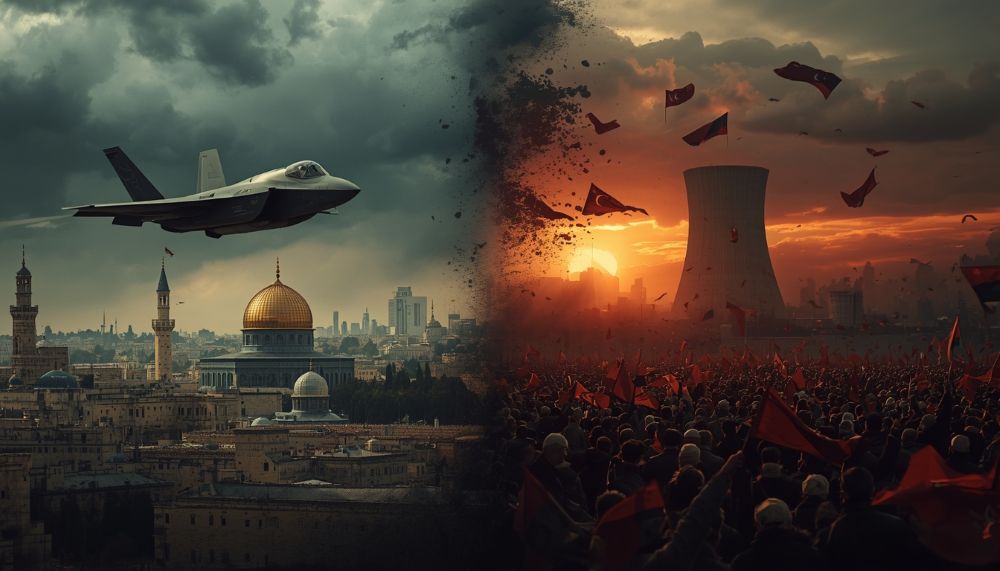
The Redrawn Lines: How Iran and Turkey Are Shaking the Western Grip on the Middle East
If you still think the old power dynamics in the Middle East are holding up, you haven’t been paying attention. Every rule in the book is being thrown out before our very eyes. The regional balance of power is being reshaped from the ground up, leaving the established players scrambling to catch up. It’s leaving Washington and Tel Aviv scrambling just to keep up with the narrative. This isn’t a minor headline or some isolated border dispute—it’s a total shift in who calls the shots, and it’s giving Western leaders some serious sleepless nights.
You know the anxiety is deep when the panic lands straight on prime-time television networks.
Netanyahu’s F-35 Nightmare: The Turkey Factor
Israeli Prime Minister Benjamin Netanyahu recently went on American television with a very specific, frantic warning. He is practically begging Washington to block Turkey from getting its hands on advanced F-35 fighter jets.
Netanyahu’s core anxieties tell you everything you need to know:
- The Air Security Threat: If Ankara secures these top-tier stealth fighters, Israel’s long-standing monopoly over the region’s skies is effectively over.
- The Power Imbalance: Tel Aviv is terrified that a fully modernized Turkish air force will completely flip the local military scale, putting Ankara firmly in the driver’s seat.
- The Territorial Concern: Ankara’s rhetoric on Jerusalem and its evolving regional posture have prompted heightened scrutiny from Israeli defense officials. Netanyahu made it plain that a powerful Turkey is a direct roadblock to Israel’s geopolitical goals.
Inside Tehran: Defiance, Millions on the Streets, and the Russian Return
Meanwhile, the internal scene in Iran is refusing to follow the Western script. Even after taking a massive hit to their top leadership, the turnout on the ground was staggering. Outlets like the Financial Times and Tehran Times showed millions of people packing the streets for Ayatollah Khamenei’s funeral. The state didn’t just use this as a memorial; they used the sea of people to flash a massive green light of defiance directly at Washington and Tel Aviv.
On top of that, Iran’s internal counter-intelligence just walked away with a massive win. They tracked down and bagged two high-level operatives inside the borders who were trying to rig up explosives. By stopping that internal sabotage plot cold, Tehran showed its security grip is still incredibly tight.
But if you want to know what’s really making the West sweat, look at Iran’s nuclear facilities. Moscow has officially stopped pretending to care about Western pressure. Remember when those Russian atomic scientists from Rosatom packed their bags and left the Bushehr plant because the airstrikes were getting too close? Well, they are back at their desks. It’s a loud, unbothered statement from the Kremlin showing that their bond with Tehran is locked in, making Western isolation tactics look completely toothless.
Breaking the 11-Year Blockade: The Yemen and Lebanon Shifts
The strict blockade system that Western and Gulf powers spent over a decade building just collapsed. Out of nowhere, a direct Iranian Mahan Air flight ignored long-standing restrictions and touched down right in Sana’a, the capital of Yemen. That flight didn’t land by accident; it happened because the Houthis have totally altered the ground reality. When the Saudis tried to threaten them over it, the Houthi command essentially told them to back off, dropping a heavy reminder that they could shut down the entire Bab-el-Mandeb trade corridor in a second if anyone tried to push them.
Over in Lebanon, the raw numbers are devastating. Air campaigns have turned over 90,000 homes in the southern region into absolute rubble. But even with that crushing weight, the political wall hasn’t cracked. It is a harsh lesson for military planners that throwing relentless bombs at a political movement doesn’t automatically buy you a concession.
The European Fracture: Germany Blames Trump
The economic fallout of this endless friction is starting to crack the Western alliance itself, and European leaders are running out of patience with Washington’s endless war posture.
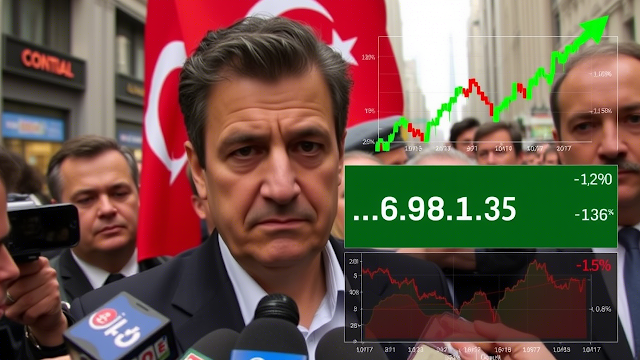
Germany’s Economy Minister held a remarkably raw press conference, laying the blame for his country’s economic slump squarely at the doorstep of Donald Trump’s aggressive, unilateral trade and war policies. Berlin is basically saying that these chaotic geopolitical games have choked off their vital industries and burned up billions in growth, driving a massive wedge between Europe’s survival and America’s global battles.
To make things even more interesting, Germany is now telling Iran that if they want European teams to sweep the naval mines out of the critical Strait of Hormuz, Tehran needs to lay out financial incentives and payment. Meanwhile, the trade flow won’t stop—over 100 commercial tankers cruised through those waters in just three days, safely using shipping lanes mapped out and cleared by Iran.
Hamas Dissolves Its Gaza Government
To cap off these structural shifts, look at what just happened politically in Gaza. After two decades of running the local administrative machinery, Hamas has completely dissolved its government. Don’t mistake this for a white flag; it’s a cold, calculated political pivot. By stepping away from the daily bureaucracy, they are clearing the path to hand the keys over to a broader international or consensus framework, even as the overall casualty count in the strip grinds past the devastating 73,000 to 100,000 mark.
The big takeaway here is that Western powers are no longer holding the remote control in the Middle East. The old map is folding up. Turkey is executing its own playbook, Iran has Russia watching its back, and Europe is tired of footing the bill for Washington’s conflicts.
Where do you see this power shift heading next?
Frequently Asked Questions (FAQs)
Why is Israel trying to stop Turkey from getting F-35 jets?
It’s all about keeping a total monopoly on the skies. Israel’s entire defense system relies on having an unchallenged aerial advantage. If Turkey secures advanced F-35 stealth technology, that strategic upper hand evaporates. Since Turkey isn’t shy about challenging Israel’s policies on Jerusalem and regional dominance, Tel Aviv views a modernized Turkish military as a massive roadblock to its security.
Why are Russian nuclear scientists returning to Iran?
It is a direct message to anyone trying to isolate Tehran. Even though Rosatom pulled its tech workers out of the Bushehr plant when the missile strikes heated up, their quick return shows the Moscow-Tehran alliance isn’t breaking. Russia is making it clear that Western sanctions won’t stop them from backing Iran’s nuclear framework.
What enabled Yemen to break an 11-year flight blockade?
The answer lies in who holds the real power on the ground. The Houthis have built such a tight administrative grip over Sana’a that they can now dictate their own aviation terms with Iran. When outside critics tried to threaten them, the Houthis simply pointed to their ability to freeze maritime trade through the Bab-el-Mandeb strait, forcing their opponents to back off.
Why is Germany blaming Donald Trump for its economic troubles?
European leaders are getting tired of their economies taking a beating over American foreign policy decisions. German officials say the Trump administration’s sanctions-heavy policies disrupted global energy and supply chains, inflicting high costs on European factories.
Does Hamas dissolving its government mean they are surrendering?
Not even close. This is a deliberate, strategic chess move. By stepping away from the day-to-day civic governance of Gaza after 20 years, they are positioning themselves for the next phase. This allows them to open the door for a consensus or international transitional framework, giving them maximum leverage in upcoming postwar peace and reconstruction talks.