Tag: Global Trade

  • Middle East Chaos: Kuwait Airport Strike

    Drones, Deals, and Chaos: What’s Actually Happening in the Middle East?


    Kuwait airport drone strike 2026

    Honestly, while half the world was catching up on extra sleep or having heated arguments over random sports stats, the entire structural map across the Middle East went fully sideways. It is honestly mind-blowing how fast things turn upside down out of nowhere. One single minute, you are simply keeping track of vanilla diplomatic meetings or watching state heads sign empty bureaucratic memos, and the next, heavy drone salvos are actively blowing apart a massive civilian transit center like Kuwait International Airport. It honestly makes you stop and realize how incredibly thin the line of everyday normal life is, the exact moment major regional chess pieces start shifting on the grid.

    ​Look, localized friction here is definitely not a new development by any stretch of the imagination, but the current spark between Tehran, Washington, and the immediate Gulf alliance is getting incredibly messy. The second you have verified ground reports confirming actual civilian casualties and political leaders screaming wild threats over public social media feeds and live television, trying to follow the sequence becomes intensely exhausting. We seriously need to block out the regular social media panic, stop listening to the loudest talking heads on cable loops, and isolate the actual raw intelligence numbers on the ground.

    The Strike at Kuwait Airport: A Fragile Peace Broken

    ​Properly speaking, the quiet didn’t last long at all. Just when everyday observers assumed a shaky, newly brokered ceasefire agreement might actually hold long enough to let local communities catch their breath, Terminal 1 at Kuwait International Airport took a direct hit from a massive drone and missile salvo. The raw phone video footage dropped by airport managers and panicked travelers caught in the middle shows absolute chaos. You can see dense, heavy black smoke columns pouring straight out of the central processing halls while families are seen scrambling across open concrete runways looking for any immediate structural cover available.

    Smoke at Kuwait airport Terminal 1

    To be fair, the human cost here is what makes the whole situation truly tragic. The attack didn’t just crack concrete walls or shatter glass; it ended up killing an Indian national who was just trying to do their job and left over 60 others injured with pretty nasty blast wounds. It completely choked up air travel across the entire geographic cluster, forcing commercial flights to divert mid-air, grounding planes on the runway, and forcing major international airlines to execute a total freeze on operations while emergency teams scrambled through the smoking wreckage.

    The Blame Game: The US-Iran Crossfire

    ​Let’s look at the absolute mess when it comes to sorting out who fired what. The Iranian Revolutionary Guard Corps (IRGC) came out immediately, denying that the civilian terminal was hit entirely. Their official media channels claimed not a single drone or missile was aimed at passenger flights, insisting their arrays were focused strictly on US military infrastructure in the region—specifically target-locking an American airbase and naval platforms after an Iranian oil tanker got intercepted near the Strait of Hormuz earlier that week.

    ​The high command over at United States Central Command (CENTCOM) fired back without hesitation, stating that Tehran’s official explanations are nothing but a total fabrication. Their satellite intelligence desks explicitly noted that those incoming weapon wings tracked directly into the civilian passenger gates on purpose. Kuwait’s defense ministry was equally livid, labeling the entire strike an unprovoked act of naked aggression. They made it a point to clarify that their regional soil was never a launchpad for American operations against Tehran, leaving both sides trapped in a massive loop of trading blame.

    Iran drone attack on Kuwait hub


    The Hidden Backstory: Why Terminal 1 Was Target Number One

    ​To cut through the noise of why this specific transit terminal got turned into a geopolitical targets matrix, you have to look at the immediate history of the facility. Terminal 1 isn’t some random processing building; it was already heavily cracked and damaged during the intense 40-day conflict that played out weeks ago. The local administration had just poured a massive budget and round-the-clock labor into rebuilding the entire zone, finally rushing the official reopening on the second of the month.

    ​The facility didn’t even stay clear for forty-eight hours before getting hit again on the third. Shortly after, Iranian state outlets dropped a massive hint regarding why their surveillance drones were fixed on the runway. Their logistics logs claimed three heavy transport cargo planes loaded to the brim with foreign military weaponry had touched down there within a 24-hour window. According to their narrative, the hub had basically been converted into an active foreign logistics depot, which is exactly why they pulled the trigger the second they spotted a breach in the local defense network.

    Trump’s Weekend Peace Hopes vs. Reality

    ​Straight up, Donald Trump is playing his usual game of mixed signals and dramatic television diplomacy. While the region is practically on fire and military commands are on high alert, Trump casually told reporters that peace negotiations with Iran are actually going “very well” behind closed doors. He even claimed a massive, historic breakthrough could happen over the coming weekend and expressed a lot of personal interest in sitting down to figure things out directly with Iran’s top leadership.

    ​But let’s be real for a second—the timing of these statements is incredibly bizarre and hard to wrap your head around. Just as Trump is hyping up a potential world-saving deal to the media, his own military command is trading live missiles with the IRGC in the Gulf. On top of that, Trump admitted he had some incredibly harsh words for Israeli Prime Minister Benjamin Netanyahu during recent conversations, calling him “crazy” for expanding military operations in Lebanon, which Trump openly feels is holding back a broader, much-needed peace deal with Tehran.

    Netanyahu Plays with Fire

    ​Of course, Netanyahu isn’t the type of leader to sit back quietly and let Washington manage the entire geopolitical script. Right after the smoke cleared from the Kuwait airport strikes, the Israeli Prime Minister stepped directly in front of the cameras to issue a blunt warning: Tehran is playing with fire and dragging the entire geographic corridor to the absolute edge of total destruction. He completely brushed off reports of a personal fallout with Trump, but made it crystal clear that if the upcoming weekend peace talk window collapses, both regional and US assets are locked, loaded, and fully prepared for a massive military return to action.

    ​The dangerous spillover effects multiplying out from this executive standoff are testing regional security lines at incredible speeds. Airborne defense systems operating inside Bahrain confirmed tracking down and detonating multiple rogue Iranian payloads moving across local sovereign airways. Local security departments followed this up with swift tactical house raids, detaining 15 targets suspected of operating as direct intelligence mules for the IRGC. Simultaneously, the diplomatic desks inside the United Arab Emirates are moving quickly to form a completely hardline, unbroken Gulf coalition to freeze Tehran’s operational moves before the entire map breaks away from political control.

    The Local Reality: A Nation Preparing for the Worst

    ​While international politicians argue in clean, air-conditioned diplomatic suites, the actual atmosphere across Iran’s domestic streets tells a completely different story. Bulletins coming straight from local on-the-ground updates detail a society that is rapidly organizing for an all-out war footing. Local neighborhood councils, family business owners, and regular young adults are actively getting pulled into town squares and corner basements to go through emergency weapon mechanics and rapid response civil training.

    ​The absolute friction of this mobilization is underscored by the fact that these military protocols are cutting straight through major regional religious holidays. Instead of traditional seasonal family quiet, the main avenues are completely dominated by state-choreographed defense drills. It shows an incredibly grim dynamic: while Western media channels spend hours wondering if a diplomatic treaty can be finalized by Monday morning, the real communities living directly over the impact zones are being told to pack emergency kits for an all-out worst-case escalation.

    The Final Word

    ​Let’s face it—trying to draft a clean, permanent peace roadmap for the Middle East right now feels almost identical to trying to lock a handful of moving smoke inside a cage. On one end of the political table, you have executive leaders broadcasting smooth assurances of a historic weekend settlement that will instantly reset the friction. On the active end of the table, you have real civilian transport structures getting ripped to pieces by drone strikes and working individuals losing their lives on the tarmac.

    ​Look, we can only hold onto the hope that baseline diplomacy manages to land a clean hit for once and the exchange of fire goes cold, because the structural alternative is a fast-rolling regional escalation that literally no state is ready to handle. Until the actual independent intelligence data levels out and the formal treaty documents have wet signature ink on them, keep your evaluation limited to raw verification logs, ignore the hyper-emotional clickbait, and don’t bet your capital on every single piece of panic layout flashing up on your mobile devices.

    Savers’ Corner: Real Answers to Shaky Money Questions


    ​Why do military escalations at major Gulf transit hubs instantly ground commercial international flights?

    ​Straight up, it comes down to basic survival protocols and massive insurance liability loops. The exact second a civilian area like Kuwait Terminal 1 takes active drone or missile impacts, international aviation networks freeze operations to protect passenger fleets from getting caught in active crossfire, which instantly chokes up regional trade corridors.

    ​How do state military commands verify the true source of decentralized drone operations during a conflict?

    ​To be perfectly blunt, defense desks don’t guess—they rely entirely on spatial tracking datasets and wreckage analysis. Even when groups like the IRGC issue flat denials, agencies like CENTCOM deploy high-fidelity satellite trajectory overlays and radar logs to pin down the exact coordinates where the hardware launched.

    ​What does domestic civil defense training inside a target state signal to global trade markets?

    ​Look, when regular neighborhoods and shopkeepers start undergoing weapon drills right in the middle of local celebrations, it signals that local intelligence expects a prolonged kinetic conflict. Global investors track these community mobilizations as a clear warning flag that diplomatic peace talks are hitting a major wall, causing them to immediately rotate capital into safe-haven assets.

    This is for educational purposes only. We are not financial advisors. Results may vary based on your individual debt situation.

  • BBC Verify Exposes Mid-East Losses

    Past the Press Releases: What Real Tracking Data Reveals About the Middle East Conflict

    Satellite view of airfield damage

    Let’s skip the diplomatic talk and look at the raw reality on the ground before we even touch the official government announcements. Trying to keep a clear picture of tactical security adjustments while scrolling through mainstream media channels has turned into an absolute informational minefield. The old routine of assuming formal military reports tell the entire story of deep regional friction has completely broken down. Straight up, the conflicting stories spinning across corporate television channels fail to capture where the actual operational leverage is shifting.

    ​Honestly, it becomes completely undeniable how fast the landscape is changing when you analyze verified satellite tracking logs rather than relying on curated government updates. Let’s bypass the standard administrative spin and break down the explicit strategic markers shaping the latest adjustments, completely discarding the typical institutional marketing chatter.

    Dissecting the Footprint of Regional Infrastructure Impact

    ​To be perfectly fair, parsing through high-resolution imaging intelligence is the absolute quickest way to separate genuine physical impact from standard internet noise. The forensic verification teams analyzing the theater have officially mapped out an incredibly expansive tracking matrix.

    • The Facility Metric: Strategic data verifies that at least 20 distinct international military installations utilized by Western coalition commands have logged clear material impacts.
    • The Geographic Spread: The physical footprint of this structural friction spans explicitly across a network of 8 independent regional nations.
    • The Material Assessment: Verified spatial imaging confirms extensive damage to vital fuel infrastructure centers, tactical aircraft hangars, active radar installations, and long-range communication arrays.
    • The Financial Projections: Institutional restoration costs targeting the initial phase of this structural damage are scaling toward an estimated baseline of $800 million.

    The silence coming out of major defense desks regarding these explicit spatial updates speaks volumes. Rather than executing a direct formal denial, administrative channels are actively choosing to withhold comment on the verified mapping files.

    The Maritime Standoff and Diplomatic Backchannels Across Hormuz

    ​Away from static land installations, the core operational chess game is rapidly shifting toward critical maritime trade channels. The Strait of Hormuz handles roughly one-third of all global oil volumes transported by sea, making it the ultimate financial chokepoint for the international economy. High-speed security patrol units are maintaining a continuous physical presence across these narrow shipping lanes, sending an unmistakable strategic message regarding local water dominance.

    ​Simultaneously, alternative diplomatic backchannels are being deployed to split consensus among global alliances. Formal state communications directed toward Tokyo have guaranteed that cargo vessels registered to Japan can execute transits through the chokepoint without facing security blockades or dynamic operational delays. This targeted diplomatic maneuver functions as a highly calculated long-term play to introduce strategic distance between major Western partners.

    ​Concurrently, external media campaigns attempting to project internal political chaos by circulating viral resignation rumors surrounding the state leadership were completely crushed. Official broadcasts immediately deactivated the narrative, clarifying that the viral rumors operated strictly as a coordinated information operation meant to manufacture administrative instability.

    The Changing Security Environment at Al Dhafra Air Base

    Damaged drone hangar structures

    The operational cost of hosting foreign air assets was made blindingly clear following the leakage of verified spatial data detailing strikes on the Al Dhafra installation. Because external command structures were utilizing specific air corridors to coordinate tactical sorties, the hosting base faced direct physical retaliation.

    ​The spatial imagery leaves zero room for narrative spin. High-resolution imagery shows visible changes across sections of fighter parking facilities, with darkened structural traces potentially associated with blast-canopy wear or damage. Furthermore, collapsed roof profiles across unmanned asset storage units point to severe drone depot compression.

    ​While the base retains its primary runway utility, the precision of the impact delivers a massive warning to regional planners. Relying entirely on traditional air defense networks no longer guarantees total insulation from low-altitude asset saturation.

    The Supply Chain Fracture and Western Defense Procurement

    Look, evaluating the wider economic fallout proves that the strategic friction is registering heavily inside European procurement channels. The UK Ministry of Defence recently executed a fast-tracked emergency hardware contract worth exactly £36 million ($48.46 million) with engineering giant Thales to secure rapid delivery of hundreds of Lightweight Multirole Missiles. This urgent procurement rush is driven entirely by the critical need to insulate frontline assets from low-cost, high-precision drone networks that routinely slip past legacy air defense grids.

    ​Simultaneously, maritime shipping routes are experiencing severe, structural delays. Maritime tracking systems confirm that naval commands have had to manually alter the courses of at least 121 commercial cargo vessels, alongside logging five commercial ships as officially disabled amid the ongoing theater friction. Diverting this volume of commercial traffic instantly fractures global supply logistics, forcing shipping lines into extended ocean detours while driving maritime insurance premiums to historic extremes.

    Domestic Political Friction and Global Diplomatic Pushback

    ​Closer to the core of the regional friction, the internal political architecture of the wartime cabinet is experiencing severe structural strain. Former political leaders have openly broken ranks to challenge current executive decisions via public forums, stating directly that the modern operational strategy has severely compromised sovereign security and long-term strategic positioning. This level of public criticism from veteran state administrators highlights a deep internal fragmentation regarding the management of the conflict.

    ​This internal domestic friction is being further compounded by tightening international isolation. Global diplomatic channels recently erected a massive barrier by officially barring regional manufacturing enterprises from displaying hardware or operating commercial booths at the upcoming Eurosatory 2026 defense exhibition in Paris. Attempts by diplomatic representatives to soften or reverse the ban were unsuccessful, leaving the measure intact and highlighting a growing rift within the defense manufacturing community worldwide.

    The Legal Evolution: Grey-Zone Maritime Environmental Taxation

    ​To wrap it all up, maritime legal analysts are closely auditing a highly unusual legal framework being deployed across the chokepoints of Hormuz. State authorities are leveraging a brand-new interpretation of international maritime law to demand mandatory “environmental fees” from passing commercial fleets. The formal argument states that the extreme concentration of foreign warships, paired with localized operational fuel leaks, is actively degrading local marine ecosystems, requiring transit lines to fund the cleanup.

    ​Let’s be completely realistic here: this framework has absolutely nothing to do with genuine ocean conservation. It operates as a highly sophisticated, grey-zone legal instrument engineered to place a continuous economic squeeze on Western trade lanes, while providing a legitimate statutory pretext for security forces to board, audit, and delay passing commercial cargo hulls.

    ​The Verdict

    ​At the end of the day, modern conflict is waged just as aggressively through information control and public perception as it is through physical hardware. The latest forensic spatial tracking data, paired with emergency Western missile procurement orders and international exhibition bans, proves that the structural costs of this war are hitting global infrastructure networks heavily. For anyone studying global trade, overlooking shifts in transport infrastructure and emerging maritime cost structures is a costly analytical mistake. The economic fallout will continue to reshape supply line pricing over the coming operational cycles.

    ​Savers’ Corner: Real Answers to Shaky Money Queries

    ​How do emergency procurement contracts like the UK’s missile deal impact global defense stocks?

    ​Honestly, sudden short-term defense orders signify that legacy defense infrastructure is burning through equipment much faster than peacetime production lines can handle. These multi-million-dollar emergency allocations channel massive, immediate cash injections straight to specialized prime contractors, driving up sector backlogs while forcing a rapid expansion of local manufacturing capacity.

    ​Can a grey-zone legal framework like an environmental transit fee actually disrupt international trade laws?

    ​To be perfectly fair, it functions as an incredibly effective economic blockade because it forces international shipping syndicates to make a brutal choice. Transporters must either pay the un-audited regulatory fee or risk having their cargo vessels physically boarded and delayed by local naval forces, which instantly drives up operational overhead and triggers massive insurance spikes.

    ​Why do international defense bans like the Eurosatory 2026 restriction matter to sovereign manufacturing?

    ​Look, losing access to premium international defense exhibitions completely chokes off the long-term export pipeline for domestic defense firms. These global events serve as the primary marketplace where state governments negotiate multi-billion-dollar procurement deals, so a complete structural ban instantly isolates localized manufacturers from global capital flows.

    This is for educational purposes only. We are not financial advisors. Results may vary based on your individual debt situation.
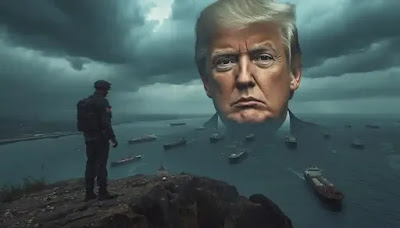
  • ​The Iran Trap: Trump’s War Fails

    The 24-Hour Nuclear Panic: How Iran Just Broke Trump’s Peace Trap

    Iran blocks Strait of Hormuz and defies Trump"

    Straight up, if you are still watching the mainstream news channels to understand the Middle East, you are being fed stale garbage. They are busy showing you old explosion clips. Meanwhile, over the last 24 hours, the whole geopolitical chessboard just ended up completely on fire while regular people were fast asleep.

    ​Remember that secret US-Iran peace deal that Pakistan was trying to broker last week? Well, you can officially throw those draft papers straight into the trash can. While the media was busy talking about handshakes, US intelligence agencies just dropped an absolute bombshell. Iran didn’t stop. They didn’t slow down. Instead, they used the chaos to rebuild their military factories at a speed that has left Washington completely blind.

    The Submarine and the Ghost Factories

    ​Look, here is the real story the White House is desperately trying to downplay. CNN Politics just confirmed a terrifying report from top US Intel sources. Tehran basically flipped the switch and brought its main weapon facilities back from the dead. Even with those massive Western airstrikes that were supposed to flatten their military operations, the Iranians somehow patched up their assembly lines and got drones rolling out in record time. But compared to what comes next, that’s nothing. While Donald Trump was bragging that his sanctions had broken Tehran’s back, Iran’s Supreme Leader Ayatollah Khamenei just gave a direct statement that has sent shockwaves through the Pentagon.

    Iran's secret drone factory and nuclear material

    The regime has officially decided to keep its stockpile of highly enriched uranium inside Iran, completely defying Trump’s ultimate demand. For those who don’t know, highly enriched uranium isn’t for keeping the lights on—it is the exact stuff you need to build a nuclear warhead. Iran just looked Trump in the eye, slammed their nuclear cards on the table, and said, “Make your move.”

    The Secret Civil War Inside the White House

    ​Now, this is where the political thriller turns into an absolute circus inside Washington. Trump’s aggressive war strategy hasn’t just pissed off the rest of the world—it has triggered a literal mutiny inside his own Oval Office. Al Mayadeen just leaked reports of a heated, nasty clash breaking out between Donald Trump and his own Vice President, JD Vance, over how to handle the Iran strategy. Trump wants to keep playing the unpredictable tough guy, but his own team is starting to realize they have backed themselves into a corner.

    ​To make matters worse, US Secretary of State Marco Rubio just openly admitted to reporters that the US is “very upset” with NATO. Why? Because America’s biggest European allies are flat-out refusing to help the US fight Iran. France has publicly stepped forward and slammed the door, stating it is “not appropriate” for NATO to play any role in a naval military mission against Iran. Basically, Europe is telling Trump: “You started this mess, you fix it. We aren’t sending our soldiers to die for your oil war.”


    The Secret Omani Backchannels: What’s Under the Table?

    ​Honestly, you have to look at the quiet players if you want to understand this mess. While Washington is busy throwing a public tantrum, Muscat is becoming the world’s busiest diplomatic hub. Omani officials have been flying back and forth between Tehran and western capitals with sealed briefcases, trying to stop a total regional meltdown.

    ​But here is what the mainstream reports won’t tell you. These backchannels aren’t about peace anymore—they are about raw survival. Insiders suggest that Oman is trying to negotiate a secret cash-for-clearance deal behind the scenes. They are trying to convince Iran to keep the waters moving in exchange for quiet sanction relief from European banks, who are terrified of a frozen winter.

    The Highway Robbery at the Strait of Hormuz


    Iran Navy controls Strait of Hormuz shipping

    While politicians are screaming at each other behind locked doors, a quiet economic nightmare is going down out on the water. Tehran’s knowledge can’t match America’s total military size, so they are aiming directly at the world’s most sensitive financial nerve. The Cradle recently revealed that Iran is in intense negotiations with Oman to create a permanent pay-to-pass system for ships moving through the Strait of Hormuz. ​Think about how insane that is. Iran wants to turn the most critical shipping lane on the planet—where 20% of the world’s petroleum passes—into their private cash register.

    ​To be fair, they aren’t just making empty threats anymore; their warships are already out there showing teeth. The IRGC Navy just blocked and logged 31 different commercial vessels over the last twenty-four hours alone. If you want your multi-million dollar oil cargo to pass through without getting boarded by guys with assault rifles, you now have to pay up and follow Tehran’s exact orders.


    Why Global Markets Are Screaming Right Now

    ​Let’s talk about your pocket for a minute, because this isn’t just a political drama for the elites. The moment the news leaked about Iran controlling 31 ships, the financial tickers in London, Tokyo, and New York went absolutely haywire. Brent crude oil didn’t just creep up; it took a massive leap, sending global businesses into pure panic.

    ​Shipping companies are already rewriting their routes. If you avoid the Strait of Hormuz, you have to sail all the way around Africa, which adds weeks to the journey and millions of dollars in extra fuel costs. Who pays for that? You do. From the price of the phone in your hand to the bread on your kitchen table, everything is about to get hit by a massive wave of artificial inflation because of this chokehold.

    Trump’s Crumbling Voter Base: The Domestic Trap


    Trump loses NATO support and voter base

    ​Look, let’s look at the real board here. Trump is trapped in a cage of his own making, and the political clock is ticking loudly. The latest internal numbers show that regular working-class voters are completely losing patience with this chaotic foreign policy. Trump ran on a promise of ending foreign entanglements and fixing the domestic economy. Instead, his current strategy has isolated America from Europe, brought the world to the brink of a nuclear standoff, and caused energy prices to spike just before crucial domestic cycles.

    His own base doesn’t want another endless war in the desert that drains billions of dollars from American taxpayers. If he pushes the military button, his economy tanks. If he backs down, he looks weak in front of his political rivals. He is out of good options, and Iran knows it.

    Trump is Running Out of Chess Moves

    ​Honestly, the White House is facing the absolute mess of the century, and the options are vanishing fast.​First, his intelligence teams completely miscalculated how fast Iran could rebuild its military industry. Second, his own Vice President is arguing with him about the war strategy. Third, NATO has openly abandoned him, leaving America isolated on the global stage. And to top it all off, Iran is now holding the global energy market hostage at the Strait of Hormuz.

    ​This isn’t a simple border dispute anymore; it is a high-stakes gamble where the loser gets a total economic shutdown. Trump tried to box Iran in with aggressive trade blocks, but right now, he is the one staring at the walls. What do you think? Will Trump back down and swallow his pride, or are we literally looking at the opening hours of a massive global conflict? Curious to hear your perspective — comment below.

    FAQ: The Iran War Crisis & The White House Mutiny


    ​Q1: Is Iran really rebuilding its military bases after the recent airstrikes?

    ​Yes. According to a fresh report leaked by US intelligence to CNN, Iran has rebuilt its military-industrial base much faster than Washington initially estimated. They have already restarted the mass production of military drones and missile parts.

    ​Q2: Why is the US government upset with NATO right now?

    ​Marco Rubio openly admitted that the White House is furious because America’s allies are backing away from the fight. European leaders are flatly refusing to risk their own naval fleets just to support Trump’s isolated military strategy in the Gulf.

    ​Q3: What is the internal clash between Trump and JD Vance about?

    ​The administration is completely split down the middle because Trump’s loud threats have ruined America’s international relationships. Insiders confirm that Vance is pushing for an immediate fallback plan before the energy markets completely ruin their political standing at home.

    ​Q4: What is Iran doing with its nuclear material?

    Tehran has officially decided to keep every single ounce of its highly enriched uranium right where it is. By completely ignoring Trump’s red lines, they have put themselves in a position where they can clear the final path to a nuclear weapon whenever they want.

    ​Q5: What is happening with the shipping lanes at the Strait of Hormuz?

    ​Iran is basically setting up a permanent checkpoint in the water to tax global trade. They have already proven they can enforce it by physically stopping and controlling 31 major transport ships in a single day.

    This is for educational purposes only. We are not financial advisors. Results may vary based on your individual debt situation.
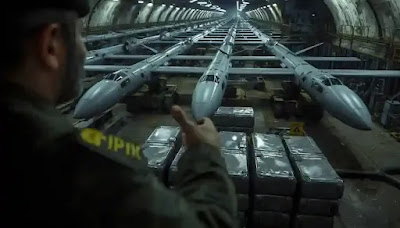
  • The Truth Behind the 2026 Energy Crisis

    The Absolute Chaos Behind the Sudden Global Energy Blockade

    Hormuz at sunset. Several large oil tankers

    ​Look, if you have spent even five minutes glancing at the news or tracking the markets recently, you know that the global economy has just been hit by an absolute sledgehammer. We aren’t just dealing with typical political arguments in a faraway land anymore; we are living through a massive, real-time breakdown of the world’s primary energy highway.

    ​Following the heavy military strikes on Iran on 28 February 2026, the single most critical sea corridor on the planet—the Strait of Hormuz—has effectively been choked shut.

    ​And straight up, the speed of the fallout has been terrifying.

    ​Within mere days of the maritime route freezing over, the price of international Brent Crude oil went on an absolute tear, skyrocketing from a comfortable $72 all the way up to a brutal $118 per barrel. Merchant shipping freight rates have instantly quadrupled, making it a complete “Red Zone” for anyone holding a stock portfolio. Let’s look past the generic media spin and pick apart the actual financial forces driving this crisis, completely throwing out the standard corporate marketing chatter.

    ​The Tanker Crisis: A Timeline of the Escalation

    ​To understand why the entire maritime industry has completely locked up, you have to look at the sheer violence that unfolded across the Gulf over the first week of March. It wasn’t a slow deterioration; it was an instantaneous explosion of risk that left commercial fleets completely defenseless.

    ​The First Wave: 1 March

    ​The chaos kicked off with two devastating attacks on a single afternoon. First, a Palau-flagged vessel named the Skylight was hit directly by a missile just north of Khasab, Oman, leaving four of its 15 Indian crew members severely injured and the ship structurally compromised.

    ​A few hours later, a Marshall Islands-flagged tanker called the MKD VYOM was targeted by a remote drone boat. The resulting explosion inside the engine room tragically took the life of an Indian sailor, signaling to the world that commercial flags were now primary targets.

    ​The Stagnation: 2 March

    ​The violence didn’t stop there. The very next morning, two more massive tankers—the Stena Imperative and the Athena Nova—were struck by incoming projectiles. The reaction from global shipping lines was instant. Within hours of those strikes, commercial traffic attempting to navigate through the narrow passage collapsed by a staggering 90%.

    ​The Financial Breaking Point: 5 March

    ​The absolute final nail in the coffin happened when the big institutional underwriting syndicates officially cancelled all “War Risk” insurance coverage for the region. In the cut-throat world of global shipping, if a vessel cannot secure insurance, it simply cannot leave port. A ship owner isn’t going to risk a $200 million asset on a gamble, so the entire trade route effectively became a no-go zone.

    By the Numbers: The Massive Cost Spikes

    ​To see the true scale of the economic shock wave rippling through the markets, you only have to look at the staggering shifts in baseline maritime costs over the first ten days of March. ​Before the military strikes took place, daily tanker traffic through the Strait was moving along at a steady pace of over 20 large vessels a day. Right now, that number has slowed to a painful crawl of fewer than three ships daily.

    ​The underlying insurance premiums for any captain brave enough to attempt the journey have ballooned from a baseline of $625,000 to an eye-watering $7.5 million per voyage. That is a mind-boggling 1000% spike in pure operational overhead in less than two weeks. The cost of sea transport is spiraling out of control as insurers tighten the screws and freight prices jump threefold.

    Why Everyday Expenses are About to Explode

    ​While petrol prices grab the headlines, the greater danger of a Middle East blockade lies in how heavily the world depends on interconnected shipping routes. Once the supply chain is put together, this crisis is going to hit the price of literally everything you buy. The first major issue is the sheer physical distance ships now have to travel. With the main passage blocked, commercial fleets are forced to divert their journeys entirely around the bottom of Africa via the Cape of Good Hope. This massive detour adds an extra 12 days to standard transit timetables.

    ​Think about the compounding expenses of that extra time at sea. You are burning through heaps of extra fuel, paying days of extra crew wages, and delaying the delivery of core manufacturing components. This extra friction will drive up the retail price of everything from consumer electronics to high-street clothing lines. ​Furthermore, having oil hover near $118 a barrel means that overall inflation is bound to start rearing its head again. Central banks will likely react by keeping interest rates pinned at painful highs for significantly longer, which is the absolute worst-case scenario for the broader stock market.

    The Verdict: Where is the Smart Money Moving?

    ​At the end of the day, this entire crisis represents a massive, self-inflicted economic disaster that the financial markets were completely unprepared for. We are already seeing large institutional funds panic and sprint away from risky equities, dumping their cash straight into traditional safe-haven assets like Gold to protect their capital.

    ​The smartest move you can make right now is to stop hoping for a quick diplomatic fix and actively prepare your finances for a prolonged stretch of high prices. The absolute jugular vein of the global energy grid has been placed in a tight chokehold, and the economic pressure is going to be felt across every single high street worldwide.

    ​What do you reckon about the whole situation? Are the global markets completely overreacting to the shipping blockade, or are we staring down the barrel of a major global recession? Drop a comment down below and let’s get a proper conversation going!

    Frequently Asked Questions

    ​Why are global insurance companies completely refusing to cover these ships?

    ​Honestly, it comes down to a basic calculation of risk. Because multiple vessels like the Skylight and MKD VYOM have been hit by missiles and drones in less than a week, the probability of a total loss is simply too high for underwriters to handle. Without a valid war risk premium policy, a ship owner faces losing hundreds of millions of dollars in a single afternoon, so they prefer to keep their fleets completely stationary.

    ​Is there an alternative overland pipeline route to bypass the blockade?

    ​Look, while a few land-based pipelines are cutting across neighboring countries, they simply do not possess the capacity to handle even half of the volume that usually moves through the water. The vast majority of the world’s energy supply has to travel via supertanker, which is exactly why shutting down this specific maritime corridor causes such massive economic damage.

    ​How long should investors expect this energy crisis to last?

    ​To be perfectly fair, it depends entirely on high-level diplomacy and whether military tensions cool down. Until the active drone and missile threats are removed and the big insurance syndicates reinstate standard war risk coverage, the global economy is going to remain locked inside this inflationary danger zone.

    ​What does the term “Brent Crude” actually mean for everyday prices?

    ​Straight up, Brent Crude is simply the international benchmark price used to value oil across the globe. When that specific marker jumps up by 64% in a few days, it acts as an immediate warning trigger that the cost of domestic petrol, household electricity bills, and factory manufacturing is about to step up significantly.

    This is for educational purposes only. We are not financial advisors. Results may vary based on your individual debt situation

  • The Week in Trade: Oil, Mercosur & Brexit Reset

     The Week in Trade: US Oil Moves, EU-Mercosur Deal, and UK Brexit Reset


    Instead of standard chess pieces


    Introduction


    Hello everyone! If you follow the news, you know that international trade is like the engine of a car—it keeps the whole world moving. This week has been especially busy. From the United States taking a bold step in Venezuela to the European Union finishing a 25-year-old deal with South America, and the UK trying to fix its relationship with Europe, a lot is happening.
    In this article, we will break down these three major stories. We will look at why they are happening, who the main players are, and most importantly, how these changes might affect your daily life and the prices you pay at the shop.

    1. The United States and the Battle for Venezuelan Oil

    Venezuela is a country with a lot of potential because it sits on the world’s largest proven oil reserves. However, for many years, its oil industry has been in trouble due to political problems. Recently, things took a massive turn. Following a change in leadership and a strategic operation, the United States has stepped in to manage how Venezuelan oil is sold.

    Why did the US do this?

    The main reason is stability. With the current war situation in the Middle East (Iran), oil prices are very shaky. By controlling the flow of oil from Venezuela, the US wants to make sure there is enough supply in the market. Another reason is to stop other countries, like Russia and China, from having too much influence over South American energy.

    What does this mean for you?

    If you drive a car or use public transport, this is big news. More oil in the market usually means lower prices. Analysts think we could see a 5% to 10% drop in fuel prices soon. However, it is not all simple. Many people are debating whether it is right for one country to manage another’s resources. It is a complicated mix of business and politics.

    2. The EU-Mercosur Deal: A 25-Year Journey Ends

    Imagine waiting 25 years for a deal to be signed. That is exactly what happened with the EU-Mercosur trade pact. On 9 January 2026, the European Union finally gave the green light to this massive agreement with the Mercosur group, which includes Brazil, Argentina, Paraguay, and Uruguay.

    A Huge New Market

    This deal creates one of the biggest free-trade zones in the world, covering over 700 million people. The main goal is to make it cheaper for these countries to trade with each other. For example, European companies that make cars, machinery, and medicines will save about €4 billion because they won’t have to pay high import taxes (tariffs) anymore.

    The Farmer Protests

    But there is a catch. Not everyone is celebrating. In countries like France, Poland, and Ireland, farmers have been blocking roads with their tractors. Why? They are worried that cheap beef, sugar, and grain from South America will flood the European market. They fear they won’t be able to compete with these lower prices and might lose their livelihoods. It is a classic struggle between big business and local traditions.

    3. The UK’s Brexit ‘Reset’: Fixing the Gaps

    Since the UK left the European Union (Brexit), trading has been difficult. Many UK businesses found themselves drowning in paperwork and red tape. This week, Prime Minister Keir Starmer’s government started drafting new laws to reset this relationship.

    Not Re-joining, but Aligning

    It is important to understand that the UK is not joining the EU again. Instead, they are passing laws to make UK rules for food, farming, and the environment more similar to the EU’s rules.

    Why is this a smart move?

    When rules are the same, goods move across borders much faster. This pragmatic shift could save UK businesses millions of pounds every year. For you, this might mean that the price of imported cheese or meat stays steady instead of going up. While some politicians worry about losing sovereignty, most business owners are just happy to have less paperwork to deal with.

    Why Do These Global Shifts Matter?

    You might wonder, Why should I care about oil in Venezuela or farmers in France? The truth is, we live in a connected world.
    Energy Security: When there is a war in the Middle East, having a backup oil supply from Venezuela helps keep your heating and transport costs down.
    Food Prices: Trade deals like Mercosur can bring more variety to your supermarket shelves at lower prices.
    Job Stability: When the UK trades more easily with Europe, it helps British companies grow, which keeps jobs safe.
    Summary Table: At a Glance

    Topic:                              What is Happening?                                        Expected Result
    Venezuela Oil:                US managing oil sales,                        Possible lower petrol prices
    EU-Mercosur:          A new trade zone with South America.    Cheaper exports but farmer protests
    UK Brexit Reset:         Aligning rules with the EU,                 Smoother trade, and less paperwork

    Frequently Asked Questions (FAQs)

    Q: Will these deals help stop inflation?

    A: Trade deals generally help lower prices by reducing taxes and increasing competition. While they might not stop inflation entirely, they definitely help slow it down.

    Q: Is the Mercosur deal bad for the environment?

    A: This is a big concern. Critics say that more trade might lead to more farming in the Amazon rainforest. However, the EU says the deal includes strict rules to protect the environment.

    Q: How soon will we see changes?

    A: Some things, like oil price shifts, can happen quickly. But trade deals usually take a few months or even years to fully show their impact on shop prices.

    ​Conclusion

    ​This week has shown us that the world is trying to find new ways to stay stable during difficult times. Whether it is through energy control or new trade partnerships, the goal is to keep the global economy moving. As we watch these stories develop, it is clear that trade is not just about big numbers—it is about the food we eat, the fuel we use, and the jobs we hold.

    What is your opinion? Do you think the UK is doing the right thing by aligning with EU rules again? Tell us what you think in the comments below!

     Disclaimer: All content on Marqzy is for educational purposes only and is not financial advice. We are not SEBI-registered advisors. Investments carry risks; please consult a professional and perform your own due diligence before investing. Marqzy is not liable for any financial losses.

  • 2025 US-UK Trade Deal: A One-Year Review

     Donald Trump’s US-UK Trade Deal: A Review of the 2025 Landmark Agreement

    US and UK flags intertwined

    ​​Key Takeaways

    • Export Growth: 2025 data confirms the US-UK deal unlocked nearly $5 billion in new export opportunities, particularly in American agriculture and machinery.
    • Tariff Relief: The 10% tariff cap on the first 100,000 UK vehicles proved vital for British automakers, preventing the much higher global tariffs seen elsewhere.
    • Economic Growth: While the IMF and World Bank initially cautioned about inflation, the deal provided a necessary cushion for the UK economy during the 2025 global trade shifts.

    Quick Overview

    ​In May 2025, President Donald Trump announced a landmark US-UK trade deal that has since redefined the economic relationship between the two nations. As we look back from early 2026, the agreement’s impact is clear. The US reduced tariffs on UK-made cars from 25% to a specialized 10% rate for the first 100,000 vehicles annually. Additionally, the US maintained the 25% tariff on UK steel and aluminum, exempting them from the 50% “global baseline” hikes applied to other nations.

    ​In exchange, the UK lowered non-tariff barriers on US exports like beef, ethanol, and heavy machinery. This move opened significant market share for American producers in a post-Brexit landscape. While the deal wasn’t a “total” free trade agreement—as a 10% baseline tariff still persists on many goods—it established a “Reciprocity and Fairness” model that Trump has since tried to replicate with other allies. For businesses in 2026, this has meant more predictable pricing and a strengthening of the “special relationship.”

    ​Potential Benefits and Challenges

    ​Benefits realized over the past year include a surge in US agricultural exports and job security for UK car manufacturers like Jaguar Land Rover. However, challenges remain; global trade tensions and the IMF’s estimated 0.4% shave off UK growth due to broader tariff walls continue to be a point of analysis for 2026.

    (more…)

  • Green Trade War: The Global Impact of EU’s CBAM

     The Green Trade War: EU’s CBAM and Its Global Impact

    global trade under pressure

    By Dr. Elena Vasquez, Senior Global Economist and Financial Journalist

    Published: 31 December 2025

    As the world grapples with climate change, trade policies are becoming weapons in a new kind of battle. The European Union’s Carbon Border Adjustment Mechanism (CBAM) stands at the forefront of this “green trade war.” Launched in its transitional phase in 2023, CBAM fully kicks in from January 2026, slapping carbon fees on imports of high-emission goods like steel, cement, and aluminum. This mechanism aims to stop “carbon leakage”—where dirty production flees to laxer shores—but it risks sparking retaliation and widening trade deficits. For institutional investors, trade professionals, and policy analysts in the USA, UK, and EU, understanding CBAM’s ripples is crucial. It could reshape supply chains, inflate costs amid the UK’s Cost of Living Crisis, and jolt NASDAQ-listed firms tied to global commodities.

    Drawing on fresh insights from the IMF and World Bank, this article dissects CBAM’s bite. The IMF estimates it adds just 0.1% to EU import values overall, but hits specific sectors hard, with costs up to 1.2% for exporters. Developing nations like India face GDP dips of 0.02-0.03%, while cleaner producers might gain an edge. Yet, as deglobalization accelerates—think US-China frictions—CBAM could fragment markets further. We explore geopolitical tensions, sector shocks, regulatory horizons, and a mini case study on India. The bottom line? Hedge now: diversify suppliers, back low-carbon tech, and watch WTO skirmishes.

    In this piece, we blend hard data with forward-looking analysis. CBAM isn’t just policy; it’s a pivot point for sustainable finance. Read on to arm your portfolios against the green storm.

    Executive Summary

    The EU’s CBAM marks a bold stroke in the fight against climate change, but it ignites a green trade war with far-reaching consequences. By pricing the carbon embedded in imports—starting with cement, iron and steel, aluminum, fertilizers, electricity, and hydrogen—CBAM levels the playing field for EU producers under the Emissions Trading System (ETS). From 2023-2025, it’s been a reporting trial run; come 2026, importers pay up, aligned with the phase-out of free ETS allowances. This could generate €5-14 billion annually for the EU, per OECD estimates, while curbing leakage that offsets 13% of emission cuts in heavy industries.

    Globally, impacts vary. The World Bank’s CBAM Exposure Index reveals that developing exporters like Mozambique could lose 6% of aluminum export value to the EU, while low-intensity players like Ghana gain. For the EU, direct trade hits are modest—0.1% import value hike—but politically charged in steel and aluminum. Trading partners face 0.04% average export cost rises, peaking at 1.2% for vulnerable nations. IMF models show welfare losses for high-emission exporters, urging domestic carbon pricing as a buffer.

    Geopolitically, CBAM fuels discord. At COP30 in 2025, India decried it as protectionist, violating WTO rules and Paris Agreement equity. China eyes retaliation via its ETS expansion, while the US mulls the Clean Competition Act—a mirror BCA—to shield its Inflation Reduction Act gains. This risks a patchwork of tariffs, accelerating deglobalisation and inflating trade deficits.

    Market-wise, energy sectors brace for electricity import curbs, potentially sparking a “power crisis” in interconnected grids. Finance feels the strain through higher compliance costs and stranded assets; tech firms, especially EU-based, forecast 0.5% turnover drops in 2025.

    Regulatory outlooks point to expansion: EU reviews in late 2025 could add downstream products like scrap metal. The Green Deal pushes net-zero by 2050, but clashes with the US Trade Acts, prioritizing domestic green jobs.

    Our mini case study on India highlights risks: 90% of CBAM-exposed exports are steel, shaving 0.03% off GDP without countermeasures. Yet, a domestic carbon tax could flip this, recycling revenues into renewables.

    The Bottom Line: Investors, pivot to low-carbon leaders like ArcelorMittal’s green steel bets. Policymakers negotiate multilateral BCAs. CBAM heralds a carbon-priced world—adapt or pay the premium.

    (more…)

  • US Freezes $42B UK Tech Deal Over Digital Tax

     US Freezes $42B Trade Pact with UK Over Digital Tax Row: A Wake-Up Call for Tech Giants and Global Trade.

    Key Takeaways

    • Major Setback for UK Tech Growth: The pause on the $42B Tech Prosperity Deal halts billions in US investments, potentially delaying AI hubs and 5,000 new jobs in the UK.
    • Digital Tax at the Heart of the Dispute: The UK’s 2% DST levy on tech revenues has sparked US retaliation, raising £800M annually but risking broader trade tensions.
    • Global Ripple Effects: Businesses face uncertainty in cross-border deals; experts predict stalled innovation in AI, quantum computing, and nuclear tech.
    • Path Forward Uncertain: Negotiations resume in January, but without compromise on DST, the “special relationship” could sour further.
    • Opportunities Amid Chaos: UK firms can pivot to EU partnerships or domestic incentives to offset losses.

    Imagine this: You’re a startup founder in London’s buzzing tech scene, dreaming of that big AI breakthrough. You’ve just landed a partnership with a US giant like Microsoft, promising datacentres humming with quantum power and jobs flooding into the North East. Then, bam—one tweet from the White House, and it’s all on ice. That’s the shockwave hitting the UK right now as the US freezes the $42B Tech Prosperity Deal over a stubborn row about digital taxes. It’s not just numbers on a page; it’s the kind of drama that could rewrite the rules for how tech flows across the Atlantic.

    Let’s rewind a bit. Back in September 2025, during President Donald Trump’s flashy state visit to the UK, Prime Minister Keir Starmer and Trump shook hands on what they called a “generational step change.” The Tech Prosperity Deal wasn’t your average trade chit-chat. It was a powerhouse pact: £31 billion ($42 billion) in pledges from US tech behemoths—Microsoft dropping £22 billion for cloud and AI infra, Google chipping in £5 billion for search and data tools, Nvidia and OpenAI joining the fray for cutting-edge compute power. The goal? Supercharge collaboration in artificial intelligence, quantum computing, civil nuclear energy, and fusion tech. Picture AI growth zones sprouting in forgotten industrial heartlands, creating 5,000 high-skilled jobs, accelerating drug discoveries for cancer treatments, and slashing energy costs with cleaner nuclear breakthroughs. Starmer hailed it as a blueprint for shared futures, while White House tech czar Michael Kratsios boasted it would export America’s “world-class tech stack” to boost global innovation.

    But here’s the hook that turns this fairy tale sour: taxes. The US sees the UK’s Digital Services Tax (DST)—a modest 2% levy on revenues from search engines, social media, and online marketplaces—as a sneaky hit on American firms. Introduced in 2020, the DST targets companies with global revenues over £500 million and UK takings above £25 million. Last year alone, it raked in £800 million, mostly from Amazon (£29 billion UK sales), Google (£15 billion from search dominance), Meta (£3.1 billion from Facebook ads), and others like eBay and TikTok. Projections? Up to £1.4 billion by 2030-31, totalling £7.3 billion over six years. Campaigners at TaxWatch cheer it as a win for fairness—enough cash to train 108,000 new nurses, a quarter of the UK’s nursing workforce. Caitlin Boswell, TaxWatch’s policy head, puts it bluntly: “The UK shouldn’t cave to Big Tech or Trump. The public won’t stand for tax breaks that starve public services.”

    (more…)

  • Trump Tariffs: Revenue Boom or $1,200 Household Hit?

     Trump Tariffs Live Updates: Revenues to Fund 9 Big Ideas or a $1,200 Hit to Every Household?

    • Tariff Revenues Surge but Dip Slightly: Monthly collections reached $30.76 billion in November 2025, down from the peak in October, following exemptions on key imports such as coffee and beef.
    • Trump’s 9 Funding Promises: From $2,000 dividend checks to eliminating income taxes, the president eyes tariffs for major boosts – but experts question if revenues can deliver.
    • Household Costs Mount: Democrats calculate $1,198 extra per family since February, totaling $159 billion, fueling inflation debates amid farmer bailouts.
    • Global Ripples and Legal Fights: New trade deals with Indonesia and Switzerland; Supreme Court looms over tariff legality, with refunds in play.
    • Sector Hits Hard: Manufacturing output down, farm exports crushed – yet White House touts a 35% trade deficit drop as a win.

    A Shocking Start to Trump’s Trade Era

    Imagine this: It’s early 2025, and Donald Trump is back in the White House, promising to make America great again – this time with a tariff hammer. No more “unfair” deals from China, Mexico, or Europe. Instead, a blanket 10% levy on nearly every import, spiking to 25% or more for “bad actors.” Sounds bold, right? Like a quick fix to bring jobs home and fill the Treasury. But fast-forward to December 15, 2025, and the picture is messier. Trump tariffs live updates show billions rolling in – $257 billion so far this year – but at a price. Families are feeling the pinch at the grocery store, farmers are begging for bailouts, and even Trump’s own team is carving out exemptions to dodge backlash.

    Let’s rewind a bit. When Trump won in 2024, he didn’t waste time. By February, he’d invoked the International Emergency Economic Powers Act (IEEPA) to slap tariffs on everything from steel to smartphones. The goal? Force fairer trade deals, protect US workers, and rake in cash to fund big dreams. “Tariffs are the most beautiful word,” he quipped during a rally. For a time, it worked like a charm. Imports from China dropped 29%, and the trade deficit shrank 35% year-over-year – the smallest since 2020, per White House stats. New pacts with the UK, EU, Japan, and even Indonesia poured in, covering half of global GDP. Trump hailed it as “historic leverage.”

    But here’s the hook that keeps us glued to Trump tariffs live updates: What happens when the bill comes due? Democrats aren’t buying the hype. The Joint Economic Committee (JEC) crunched the numbers last week: From February to November, tariffs tacked on $1,198 per household – that’s $159 billion total shifted to consumers. Using Treasury data and Goldman Sachs estimates, they say importers pass 90% of costs to you and me. Everyday stuff like electronics, clothes, and car parts? Up 10-20%. Kimberly Clausing, a top economist at UCLA, described it as “the largest tax increase on Americans in a generation,” estimating annual impacts at $1,700 per family.

    (more…)

  • Trump’s Asia Charm Push Sends Nikkei to Record Highs

     
    dynamic, and globally significant

    Trump’s Charm Offensive in Asia: Propelling the Nikkei 225 to Unprecedented Record Heights

    ​ October morning in 2025, switching on your phone, and seeing headlines screaming about stock markets hitting the roof—not just any roof, but the highest they’ve ever touched in history. That’s exactly what happened this week when US President Donald Trump’s whirlwind tour through Asia turned into a proper masterclass in diplomatic deal-making. Picture this: golden gifts exchanged over lavish state dinners, handshakes that feel like they could move mountains (or at least stock tickers), and announcements of investments so massive they make your head spin. At the centre of it all? The Nikkei 225, Japan’s flagship index, blasted past 51,000 points for the first time ever. It’s not just boring numbers on a screen; it’s a story of charm, commerce, and a dash of geopolitical chess that’s got investors from Tokyo to London buzzing properly.

    ​Let’s rewind a bit to see how we got here. Trump, back in the White House for his second term, kicked off this Asia trip with a massive bang. Arriving in Japan first, he didn’t just sip tea and chat about the weather—he rolled out the red carpet for big business. Over dinners with Japanese leaders and tycoons, he charmed them with talk of “fair deals” and “strong alliances.” The payoff? A whopping $490 billion in investment commitments is now flowing back to the US. Look, that’s not pocket change; it’s enough to build entire new industries from scratch. And the markets? Straight up, they loved it. The Nikkei jumped 2.4% in a single session, closing at 51,410.40. Traders were practically popping champagne as shares in tech giants and exporters soared.

    ​Why This Matters for Your Wallet

    ​But why does this matter to you, whether you’re a casual investor dipping your toes into global stocks or a pro watching every tick? Because in today’s interconnected world, a president’s smile in Tokyo can fatten your portfolio back in the UK or India. Trump’s approach—blunt, bold, and business-first—recalls his first term’s trade wars, but this time it feels more like a carrot than a stick. He’s framing the US as Asia’s best buddy, not its bully. And the results are showing properly: not just in Japan’s records, but across the entire region. South Korea’s Kospi hit its own peak too, up 1.8% after Trump met their president, hinting at a $350 billion trade breakthrough. Even Shanghai’s Composite edged up, with all eyes on a potential Trump-Xi huddle that could finally dial down the tariff drama.

    This isn’t merely hype; it’s the making of market history. Back in 2017, Trump’s first Asia jaunt sparked a similar buzz, but fast-forward to 2025, and the stakes are much higher. With the world moving fast into the AI era, these moves could reshape global supply chains for decades. Think about semiconductors from Taiwan or high-tech cars from Japan—the stuff that powers your phone and drives your commute every day. Trump’s charm isn’t just a show; it’s a strategy, blending tough talk on China with honeyed words for allies.

    US and Japan, with dollar signs and tech icons like AI chips

    ​Breaking Down the $490 Billion Mega-Deal

    ​Let’s get into the nitty-gritty of that eye-watering $490 billion figure. It’s not just pulled from thin air; it builds on previous pledges but adds some serious teeth. SoftBank has committed $100 billion specifically for AI and data centres in the US. Then you’ve got Westinghouse pledging billions for nuclear tech and Toshiba jumping in with manufacturing boosts. To be fair, this is a “Game-Changer.” Commerce Secretary Howard Lutnick even quipped during a Tokyo gala that these deals are so big, they’ll need their own zip code.

    ​Why Japan? It’s simple economics. The US has always had a bit of a trade deficit with Japan, but Trump is flipping the script properly. He’s inviting investments that create American jobs while keeping supply lines tight. For Japanese firms, it’s a clever hedge against future US tariffs. The result? Confidence has soared. Exporters like Toyota and Sony saw their shares spike by 3-5%, dragging the entire Nikkei index higher with them.

    ​Hitting South Korea: Trade Talks and Kospi Cheers

    ​From the neon lights of Tokyo to the bustling streets of Seoul, Trump kept the momentum going without missing a beat. Meeting President Yoon Suk Yeol, he pushed for a revised trade pact that actually works for both sides. While no full deal is signed yet, the whispers of $350 billion in Korean investments to dodge tariffs had the markets cheering. Samsung and Hyundai are leading the charge here, eyeing new US chip plants and EV factories.

    ​The Kospi responded with a 1.8% leap to 4,058.37—another all-time high. Why the excitement? Look, Trump’s charm has eased the fears of a repeat of the 2018 tariff spats that previously shaved 10% off Korean stocks. Now, with the US elections behind us and the Fed looking to cut rates, the sentiment is incredibly bullish.

    ​The “John Deere” Connection

    ​To keep things real, let’s look at our old friend John Deere (DE). Back in 2018, Trump’s steel tariffs hiked their costs and tanked their shares by 15%. But contrast that with what’s happening now. Agri-tech ties with Korean and Japanese firms could actually boost Deere by 20% if these new deals stick. It’s a reminder that when diplomacy works, even the traditional industrial giants get a massive lift.

    ​The Nikkei 225: A Trip Down Memory Lane

    ​The Nikkei 225 isn’t just an index; it’s Japan’s economic heartbeat. It’s been around since 1950, tracking 225 blue-chip companies. Historically, it hit a famous peak in 1989 during the “bubble” years, then spent decades trying to get back to those levels. But this recent surge is different. It’s driven by a weak yen, AI hype, and this “Trump Mojo.” Turnover hit a massive ¥5 trillion on the day of the surge—the highest we’ve seen in years.

    another all-time high. Why the excitement

    ​What Should You Do? (Helpful Friend Advice)

    ​If you’re looking at your portfolio and wondering how to ride this wave, here’s my take:

    1. Monitor Currencies: A weak yen is a gift for Japanese exporters, so keep an eye on the USD/JPY pair.
    2. Focus on Tech and Autos: These sectors are getting the lion’s share of the investment deals.
    3. Stay Diversified: All-time highs are exciting, but they can be volatile. Don’t go “all-in” on one region. Mix your Nikkei exposure with some US tech to stay safe.
    4. Watch the Fed: If the US Federal Reserve cuts rates in November, this rally could easily extend into 2026.

    Wrapping It Up: Ride the Wave Wisely

    ​Trump’s charm offensive has properly lit a fire under Asia’s markets. From the $490 billion Japan deal to the record-breaking heights of the Nikkei, it’s a clear reminder that diplomacy drives dollars. We’ve looked at the history, the deals, and the data—now it’s your move.

    ​Whether you’re looking at Toyota, Samsung, or even John Deere, the opportunities are there if you know where to look. Share your thoughts in the comments—are you betting on a long-term Asia rally, or do you think this is just a temporary “Trump bump”? Subscribe for more market magic, and let’s keep navigating these record highs together. Your future self will properly thank you for staying informed!

    Frequently Asked Questions (FAQs)


    What exactly is the Nikkei 225? 

    Look, it’s Japan’s main stock index, tracking 225 of its biggest companies. Think of it as the Japanese version of the Dow Jones. It just hit a record 51,410 because of massive new investment deals with the US.

    Is the $490 billion Japan deal real or just hype? 

    To be fair, it’s a mix of both, but the commitments from giants like SoftBank ($100B) and Westinghouse are very real. These are long-term projects that will build data centres and nuclear tech over the next few years.

    Should I invest in Japanese stocks right now? 

    Straight up, if you’re thinking long-term, it’s a great time. But remember, the market is at an all-time high, so use “dollar-cost averaging” (investing a little bit every month) to stay safe from any sudden dips.

    How does this affect US companies like John Deere? 

    Properly! Better trade relations with Asia mean fewer tariffs on steel and parts, which helps companies like Deere keep their costs down. Plus, new tech partnerships in Asia are a huge win for them.

    Note: This is for educational purposes only. Not financial advice. We are not SEBI-registered.