Why the US ‘Economic Fury’ on Iran is Crumbling in the Deep Sea
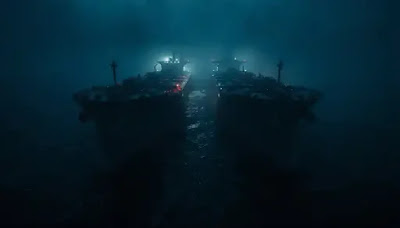
Paper blocks don’t stop ships. When the US Treasury announced its massive “Economic Fury” campaign, the goal on paper looked devastatingly simple: freeze the banks, block the airspaces, enforce a strict naval blockade, and starve the Iranian economy from the international crude oil market. It sounds like an airtight plan that should immediately force a nation to its knees. But honestly, the global energy trade doesn’t care about press releases. While politicians are busy celebrating their blockades in Washington, an entirely different, incredibly stubborn system is keeping billions of dollars moving right under their noses.
It is a multi-billion-dollar game of hide-and-seek played out in international waters. Iran isn’t just taking the hit; they have spent years perfecting a shadow system that turns the open ocean into a massive unregulated marketplace. The core of this survival strategy relies on what the shipping industry calls “Ghost Tankers”—and it is completely breaking the back of Western sanctions.
Moving Millions of Barrels in the Dark
When you cut off a country’s legal ports, the business doesn’t vanish; it simply moves to the shadows. Iran’s shadow fleet consists of older, unregistered, or falsely flagged vessels that operate completely outside maritime laws. They don’t use regular trade routes, and they definitely don’t follow international communication protocols.
The actual logistics feel less like global trade and more like an ocean-bound spy thriller. The second these ghost tankers pull away from a dock, they kill their most vital piece of technology: the Automatic Identification System (AIS) transponder. By turning this off, the ship completely drops off global satellite tracking grids. To the rest of the world’s monitors, they simply cease to exist.
From there, they slip quietly into specific international parking zones, like the quiet outer limits off the coast of Malaysia. An Iranian vessel packed to the brim with crude oil sits dead in the water. Soon after, an empty customer tanker—typically bound for a refinery in China—quietly glides up right alongside it. The crews lash the two massive hulls together with heavy ropes, hook up high-powered fuel lines, and pump millions of barrels of crude oil across the deck in the middle of the night. This ship-to-ship transfer method leaves no digital footprint, no paper trail, and completely bypasses the US naval blockade.
The Failure of Financial Chokeholds
So, is the economic freeze actually working? Western media outlets love to report that the regime is broke, but the math on the water tells an entirely different story. Officially, major buyers like China claim full compliance with international bans. Unofficially, the steady stream of ghost tankers has allowed Iran to clear an estimated 31 billion dollars in backdoor oil revenue over recent cycles.
This massive influx of black-market cash changes the entire dynamic of the conflict. While the US tries to choke out the country by banning Iranian commercial airlines, shutting down their landing spots, and making international travel impossible, the cash from these deep-sea transfers keeps pouring directly into their internal accounts. It provides a massive financial cushion that allows them to ignore Western demands. This is exactly why Tehran’s leadership can openly scoff at economic bans—their primary source of wealth never touches a regulated bank account.
The Nuclear Leverage Game
While the ghost tankers keep the state liquid, a complex layer of backdoor diplomacy is happening on the mainland. Pakistan‘s top diplomatic channels are actively moving toward Washington with a massive, unexpected peace proposal designed to cool off the region before things spill over completely.
The strategy Pakistan is trying to pitch involves a massive trade-off: Iran would completely transfer its enriched uranium stockpiles over to China. The idea is to completely remove Donald Trump’s biggest geopolitical headache—the threat of a nuclear-armed Tehran—without forcing Iran to look like it is surrendering to the West. In exchange, Washington would have to quietly dial back the economic pressure. However, the Iranian Revolutionary Guard (IRGC) has already made it clear that nothing has been finalized. They know their nuclear program is the only real leverage they have left, and they aren’t about to give it up for temporary relief.
50 Under Underground Cities Reopened
If Western military strategists thought the economic pressure was keeping the regime defensive, recent satellite intel completely shattered that illusion. For months, intelligence reports claimed that precision airstrikes had successfully caved in and sealed off Iran’s most fortified subterranean military outposts.
The latest imagery tells a very different story. Ground crews have cleared out, reinforced, and fully reopened the heavy blast doors to at least 50 distinct underground missile tunnels and “Underground Cities.” These aren’t just defensive bunkers; they are active, deeply buried launch complexes packed with ballistic missile batteries and long-range attack drones. Reopening these doors is a loud physical warning to the West: “Block our commercial airspaces all you want; our real striking power is sitting under the mountains, completely untouched and ready to launch.”
Cyber Recovery and the Face of Proxy Warfare
The standoff is also stabilizing on the home front. The sweeping internal internet blackouts that were enforced during the height of the border skirmishes have now been 100% restored. With the digital grid back online, the state is shifting its focus toward long-term domestic readiness—even going as far as providing weapons training to rural tribes and regular citizens to prepare for an extended security siege.
But as the conventional military lines freeze, the conflict is turning into an incredibly messy proxy war. Russian intelligence channels recently issued a stark warning, pointing out that because external forces cannot stop the shadow oil trade or break the regime on the battlefield, the strategy is shifting toward internal sabotage. Terrorist networks like ISIS (Daesh) are reportedly being covertly activated inside Iranian borders to trigger domestic chaos. Combined with the recent targeted car bombing of an Iran-backed military leader in Iraq, it’s glaringly obvious that since the ghost tankers can’t be stopped on the high seas, the war is being brought back to the streets through unconventional means.
The Reality of Modern Sanctions
Look, straight up, global economic blockades are largely a political show tailored for Western news cameras. Superpowers love to pretend they can dictate world events by simply signing executive orders and freezing asset lists. But the raw truth is that as long as a massive global market demands cheap energy, shadow networks will always find a way to connect the seller to the buyer.
You cannot stop an economic asset as liquid as oil with a piece of paper signed in Washington. The ghost fleet proves that trade always finds a crack in the wall, operating completely in the blind spots of the world’s most advanced navies. So the next time a headline tells you a nation has been completely cut off from the global economy, remember the open waters—because the real money is moving where the satellites aren’t looking.
Frequently Asked Questions (FAQs)
1. What are “Ghost Tankers” and how do they bypass US sanctions?
Ghost tankers are older, unmonitored commercial oil vessels that operate under false maritime flags or without any registration. They bypass Western naval blockades by turning off their AIS tracking transponders to vanish from satellite grids, painting over hull numbers, and conducting illegal ship-to-ship oil transfers in the middle of international waters.
2. Is China still actively buying oil from Iran?
Yes. Despite official import figures showing no Iranian oil purchases, global tanker-tracking networks and intelligence assessments indicate that China continues importing Iranian crude through hidden shipping routes tied to a large shadow fleet infrastructure. tankers to quietly import billions of dollars worth of discounted crude oil via offshore transfers.
3. What is Pakistan’s role in mediating the US-Iran standoff?
Pakistan is attempting to act as a diplomatic bridge to prevent a full-scale war. Their diplomats have put forward a proposal where Iran would move its enriched uranium stockpiles to China to neutralize the threat of nuclear escalation, in exchange for the US rolling back its severe economic sanctions.
4. Why has Iran reopened its underground military tunnels?
Following Western claims that their military architecture was disabled, the latest satellite imagery proved that Iran cleared the entrances to more than 50 underground missile and drone cities. This move acts as a direct strategic warning, showing they retain full retaliatory capabilities beneath the surface even if their commercial flights are grounded.
This is for educational purposes only. We are not financial advisors. Results may vary based on your individual debt situation.
Leave a Reply