Iraq Army Kataib Hezbollah Iran UN
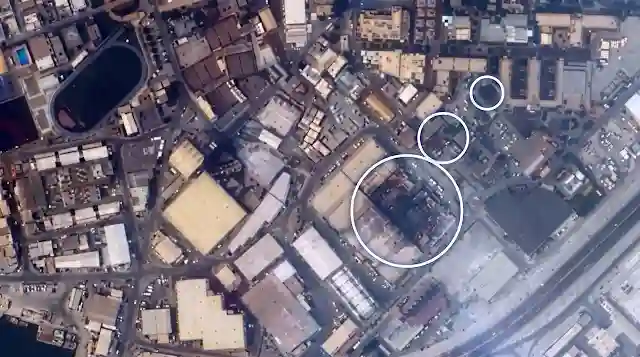
- Iraq Orders Army Into Kataib Hezbollah Stronghold as Iran Bars UN Nuclear Inspectors
- Iraq Deploys Forces to Jurf al-Sakher Amid Oil Smuggling Allegations
- European Security Alerts, Diplomatic Contacts, and Historical Disclosures
- Bahrain Sentences 64 Shia Clerics and Defendants to Life in Prison
- Frequently Asked Questions
Iraq Orders Army Into Kataib Hezbollah Stronghold as Iran Bars UN Nuclear Inspectors
News surrounding the Iraq Army Kataib Hezbollah Iran UN standoff highlights escalating troop movements south of Baghdad and hardened restrictions on nuclear oversight. While Iraqi forces mobilize south of Baghdad amid oil smuggling allegations, Tehran has barred United Nations inspectors from damaged nuclear sites and warned that key Gulf shipping lanes are mined. Readers following daily developments can explore our full regional archive at middle-east-updates.
Iraq Deploys Forces to Jurf al-Sakher Amid Oil Smuggling Allegations
Security tensions inside Iraq have sharpened after Prime Minister Ali al-Zaidi ordered military forces to move against an Iran-backed armed faction. According to Reuters, an Iranian-allied militia in Iraq has generated hundreds of millions of dollars through illicit oil smuggling, prompting the Iraqi prime minister to take action. Following those accusations, CBS News, citing AFP and The New Arab, reported that the Iraqi army was ordered to enter Jurf al-Sakher—a town roughly 40 miles south of Baghdad long controlled by the US-designated group Kataib Hezbollah—after setting a Friday deadline for the faction to exit the area.
In response, Al Jazeera reported that an Iran-aligned armed group warned it would intervene if Iraqi government forces attack Kataib Hezbollah, accusing Baghdad of fabricating smuggling evidence as a pretext to disarm the faction.
Iran Bars UN Inspectors as Strait of Hormuz Mining Claims Clash

In Tehran, officials have maintained strict restrictions on international nuclear oversight while trading warnings with Washington over maritime security and economic pressure:
- UN Inspectors Barred: The Times of Israel, citing AFP, reported that an Iranian official stated UN nuclear inspectors will not be allowed to visit damaged nuclear facilities until the conflict ends and the United States meets Iran’s conditions.
- Strait of Hormuz Dispute: CBS News reported that a Saudi news outlet cited Iran’s Islamic Revolutionary Guard Corps (IRGC) claiming that southern Strait of Hormuz shipping lanes endorsed by Washington are “fully mined”. However, CBS News noted that U.S. Central Command chief Adm. Brad Cooper rejected the claim, stating US forces cleared primary transit routes of Iranian sea mines and kept shipping lanes open.
- Dam Infrastructure Targeted: A report from The New York Times highlighted that areas surrounding a wide network of Iranian dams—long questioned by environmental experts—were targeted during recent airstrikes.
- Economic Projections and Food Reserves: Al Jazeera reported that US Treasury Secretary Scott Bessent told Fox News Iran’s economy could contract by 25 percent between March 2026 and March 2027 under the “Operation Economic Outcast” sanctions campaign. Conversely, Al Jazeera, citing IRNA, reported that Iranian Deputy Agriculture Minister Mohammad-Reza Talaei stated Iran has secured sufficient reserves of essential food commodities for at least six months despite the US naval blockade.
European Security Alerts, Diplomatic Contacts, and Historical Disclosures
Broader international security warnings and diplomatic exchanges also drew attention across Europe and the Middle East:
- Europe Security Advisory: On November 16, 2026, the U.S. Department of State issued a Europewide security alert advising US citizens to remain vigilant at large gatherings, tourist areas, and transportation hubs during the holiday season due to potential terrorist threats.
- Netanyahu Warning to Europe: The Times of Israel reported that Israeli Prime Minister Benjamin Netanyahu, speaking alongside the visiting Czech Prime Minister, warned that Europe is also a target of Iran’s missile and nuclear programs.
- US Homeland Security Readiness: Al Jazeera reported that US Department of Homeland Security Secretary Markwayne Mullin told Fox News Washington is vigilant and prepared to counter what he described as “aspirational threats” from Iran against US soil and President Donald Trump.
- Trump Defends Air Defenses: In a social media post criticizing a 60 Minutes report, President Donald Trump stated that since the start of Operation Epic Fury on February 28, 2026, CENTCOM air defenses intercepted 99.99 percent of roughly 8,000 to 9,000 Iranian attack drones and 2,000 ballistic missiles, acknowledging US fatalities only in Kuwait, Saudi Arabia, and Jordan. Separately, Iran’s embassy in Saudi Arabia posted on X naming two US Navy officers aboard the destroyer USS Spruance over a Tomahawk strike in Minab.
- 1986 Missing Pilot Investigation: Dainik Bhaskar, citing an investigative report by The New York Times, noted that during Israel’s 40-year search for missing airman Ron Arad—shot down over Lebanon in 1986—Mossad abducted two Iranian generals, Alireza Asgari and Abdullah Saberi, for interrogation.
Bahrain Sentences 64 Shia Clerics and Defendants to Life in Prison
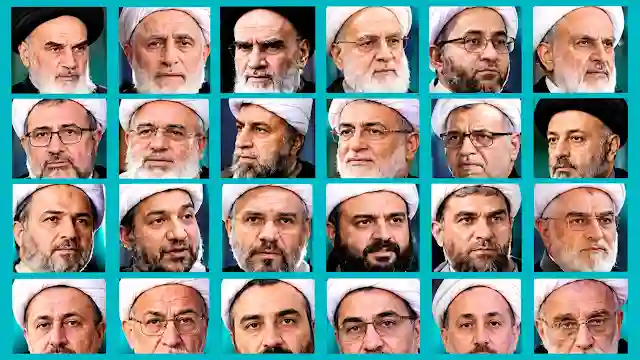
Domestic tensions in the Persian Gulf also escalated after Bahrain’s High Criminal Court handed down sweeping verdicts in a mass trial linked to Iran. According to Reuters, the court sentenced 64 Shia Muslims—mostly religious clerics—to life imprisonment and five others to 15-year prison terms on charges of colluding with Iran’s Islamic Revolutionary Guard Corps (IRGC) to undermine the state. Human rights organizations, including the Bahrain Institute for Rights and Democracy (BIRD) and Human Rights Watch, raised concerns over due process and alleged coerced confessions. At the same time, reports of demonstrations followed in several Shia neighborhoods after the ruling.
Ongoing naval blockades and disputed sea mine warnings near the Strait of Hormuz continue to create uncertainty around global crude oil shipping, prompting many everyday drivers to explore practical EV guides for daily city commuters and fuel-efficient mobility alternatives. More coverage on regional energy and sanctions is available at global-sanctions.
Frequently Asked Questions
Why did Iraq order its army into Jurf al-Sakher?
According to CBS News and Reuters, Iraqi Prime Minister Ali al-Zaidi ordered military forces to enter the Kataib Hezbollah stronghold south of Baghdad following allegations of large-scale illicit oil smuggling.
Are shipping lanes in the Strait of Hormuz currently closed by sea mines?
No. While Iranian media claimed southern shipping lanes were mined, U.S. Central Command chief Adm. Brad Cooper stated that US forces cleared primary transit routes of Iranian sea mines and kept them open.
When will Iran allow UN nuclear inspectors back into its facilities?
According to The Times of Israel, an Iranian official stated that UN inspectors will not be permitted to visit damaged nuclear sites until the war ends and Washington meets Tehran’s conditions.