Global Security Shifts: 5 Crucial Defense Alerts & Updates
Global security shifts: Strategic moves across frontline war zones hit serious hurdles this week as export delays collided with drone raids, contested sea routes, and rapid political maneuvers. Between confirmed multi-year waits for Patriot batteries in Eastern Europe, precision strikes hitting rocket propellant storage, and standoffs near East Asian coasts, defense officials are managing shrinking inventories with little room to spare.
Defense desks and foreign ministries spent the last 24 hours monitoring fast developments across multiple theaters. Here is how the latest weapons delays, border raids, and diplomatic disputes actually unfolded.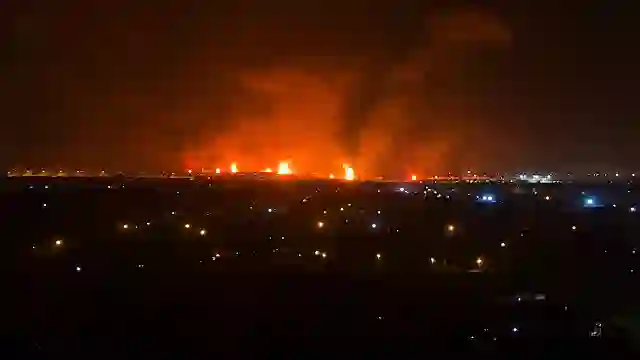
Global security shifts: Patriot Supply Timelines and Frontline Industrial Raids
Air defense logistics hit a wall this week. Even with the White House approving a $2.1 billion foreign military sale of Patriot batteries, defense wires confirmed the interceptor missiles will not reach operational units anytime soon. Defense planners said factories are booked solid with earlier contracts, forcing frontline crews to stretch current air defense stocks for at least another year.
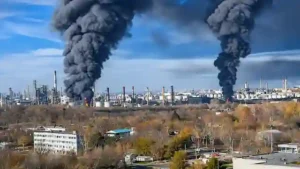
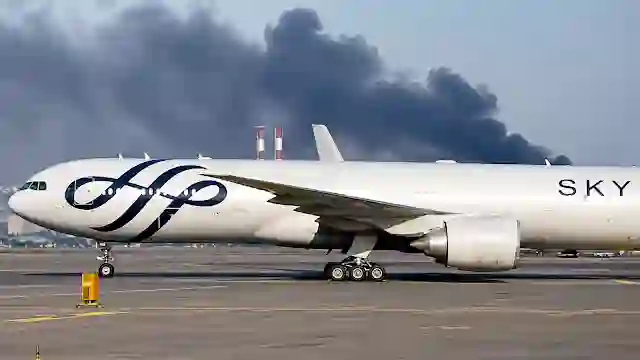
Despite interceptor constraints, long-range raids against strategic industrial hubs picked up pace. Ukrainian forces fired domestic Neptune cruise missiles alongside swarms of attack drones to hit the Kamensky chemical and propellant plant in Russia’s Rostov region. The strike ignited workshops and storage warehouses, highlighting a tactical drive aimed at cutting off rocket fuel supplies and long-range launch capacity right at the factory floor.
Diplomatic backchannels did manage to clear one humanitarian path. Broadcaster Al Jazeera reported that trapped civilians from Russian-held Oleshky made it safely back onto home soil through a transit route running through Belarus. Concurrently, the US Embassy in Moscow posted an urgent advisory telling Westerners to steer clear of crowded museums and public squares due to risks of mass-casualty events.
(Related Coverage: Check our recent analysis on Strait of Hormuz Clashes: Gulf Alerts impacting commercial maritime transit.)
Black Sea Corridor Security and Diplomatic Maneuvers
Merchant shipping through Black Sea trade lanes sparked fresh diplomatic tension. Ukrainian President Volodymyr Zelensky sat down in Ankara with Turkish leader Recep Tayyip Erdogan to talk through maritime protection. Both sides zeroed in on protecting grain haulers, defusing floating mines, and shielding cargo quays from air raids.
Turkish diplomats quickly went public, urging all sides to stop shooting at freight vessels before rising sea-lane clashes crush international grain distribution and commercial trade.
At the same time, talk of possible peace deals picked up momentum in Washington. Former US President Donald Trump claimed that negotiations between Moscow and Kyiv are closer to an agreement than public statements suggest.
However, President Zelensky pushed back against premature settlement ideas, calling on international partners not to push Ukraine into hasty compromises and demanding firm backing for sovereignty instead of neutrality.
Maritime Patrol Frictions and East Asian Missile Standoffs
Friction spread through East Asian waters as well, sparked by coastal patrols. Firstpost reported that Taiwan lodged a diplomatic complaint over Chinese Coast Guard vessels running regular patrols off its eastern shores, warning that outside agencies have zero legal authority in those lanes.
Top diplomats in Washington moved to clear the air on their Indo-Pacific strategy. In comments reported by ANI, US Secretary of State Marco Rubio said the Quad was set up to build port systems and keep sea lanes open, not to operate as an attack bloc against any single nation.
Across the Korean peninsula, diplomatic statements hardened around nuclear warheads:
- Trilateral Disarmament Push: Diplomats from the US, South Korea, and Japan issued a shared memo insisting that Pyongyang completely roll back its nuclear arsenal.
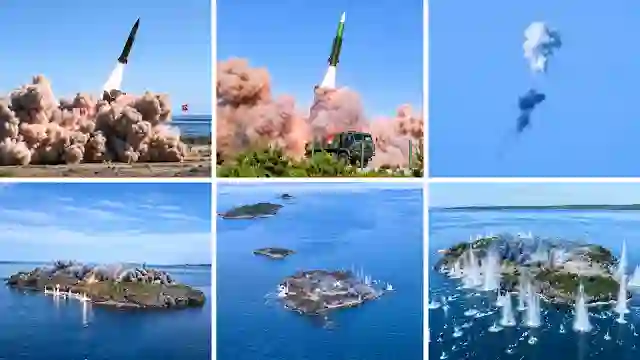
- Cluster Missile Tests: North Korean forces test-fired an advanced missile using cluster-type warheads, brushing aside outside disarmament demands.
- Pyongyang Rejection: North Korean state outlets dismissed the joint statement outright, insisting that foreign sanctions only work on the weak and will never force them to scrap their weapons.
Latin American Exits and European Economic Fractures

In South America, an investigative report in Firstpost noted that former Israeli Mossad operatives helped Brazilian officials arrange transit into the United States while facing local legal questions after the election of President Lula.
Spillover from shipping disruptions and fuel shortages is hitting emerging markets immediately. Reporting by WION confirmed that Pakistan introduced sharp price increases on diesel after regional maritime logjams delayed fuel imports, pushing up transit fees and food costs nationwide.
Meanwhile, historical and financial debates surfaced in London. Reports carried by Dainik Bhaskar noted that the United Kingdom faces renewed pressure across 56 Commonwealth nations regarding official apologies for transatlantic slavery, with British authorities signaling willingness to express formal regret while firmly rejecting international demands for direct monetary reparations.
Street rallies across Europe—stretching from Paris and Berlin to Swiss and Albanian towns—headed into their fourth straight week as labor syndicates marched against soaring power bills and household living costs.
Frequently Asked Questions
Why is the delivery of newly approved Patriot missiles delayed?
Even though the sale was approved, factory backlogs and high global demand mean it could take well over a year for the interceptors to actually arrive.
What was targeted in the recent Neptune missile strike?
Ukrainian units launched Neptune cruise missiles and drones at the Kamensky chemical plant in Rostov to damage solid rocket propellant workshops.
What did President Zelensky focus on during his visit to Turkey?
Talks between Zelensky and Erdogan focused on keeping commercial grain lanes open in the Black Sea and halting air attacks on maritime loading docks.
How did North Korea respond to the latest trilateral denuclearization demands?
North Korean officials rejected the joint statement from the US, South Korea, and Japan, following up their statement with tests of cluster-type warhead missile technologies.