Yemen in Focus: Middle East Special Report 2026
- Yemen in Focus: Middle East Special Report: Comprehensive Coverage of Houthi Strikes on Saudi Arabia, Humanitarian Crisis in Taiz, Lebanon-Israel Tensions, and New U.S. Sanctions
- Houthi Ballistic Missile Strikes Hit King Khalid Airport in Riyadh
- Besieged Taiz: Yemen’s Worsening Humanitarian Crisis
- Political Pressure Builds in Lebanon and Israel
- U.S. Targets Iran-Linked Shipping and Maritime Networks
- Frequently Asked Questions (FAQs)
Yemen in Focus: Middle East Special Report: Comprehensive Coverage of Houthi Strikes on Saudi Arabia, Humanitarian Crisis in Taiz, Lebanon-Israel Tensions, and New U.S. Sanctions
Things have gotten noticeably hotter across the Middle East and Yemen over the last day or so. Military activity is up, borders are tense, and a few massive political moves have people paying close attention again. Governments, regional defense analysts, and international monitors are working around the clock as the situation continues to evolve rapidly. Let’s dive straight into the complete breakdown of everything that actually went down across these critical conflict zones.
Houthi Ballistic Missile Strikes Hit King Khalid Airport in Riyadh
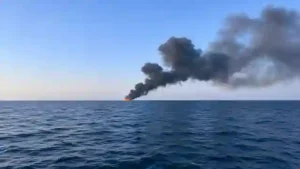
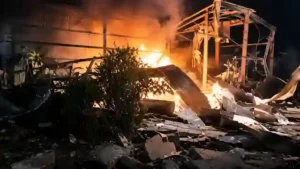
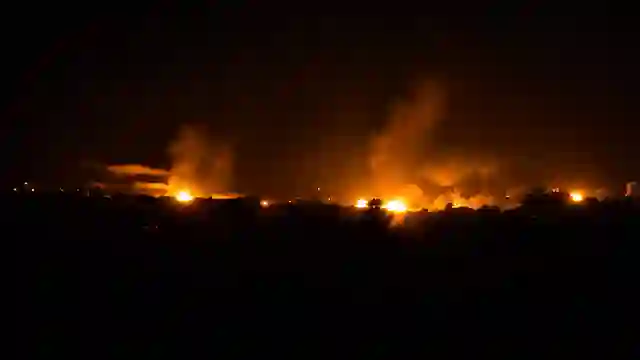
According to official updates and detailed statements shared by Houthi military spokesperson Yahya Saree, Yemen-backed forces have launched major ballistic missile attacks targeting Saudi Arabia’s capital, Riyadh, specifically striking the King Khalid International Airport. The strikes caused significant structural and operational damage to the airport facilities and also targeted nearby regional radar sites, critical border positions, and various defense systems.
Due to these repeated aerial attacks and escalating security threats, international commercial airlines have started warning flight crews about the severe risks of navigating the region’s airspace. On a separate note, the Indian Embassy officially confirmed that an Indian citizen who was badly injured in last month’s airport strike has now tragically succumbed to those wounds during medical treatment. Diplomats from several countries have been holding quick, high-level talks trying to keep the situation from spreading further along the volatile borders.

Besieged Taiz: Yemen’s Worsening Humanitarian Crisis
Life inside Yemen’s conflict-affected city of Taiz remains extremely tough and heartbreaking. The Red Cross announced that it finally managed to get several trucks of essential medical supplies and basic humanitarian aid into the city after weeks of active fighting had completely blocked the access roads. Local hospitals and medical centers are facing severe shortages of almost everything—clean water, food, fuel, and vital medicines—while ongoing movement restrictions keep pushing more innocent families out of their homes, leading to widespread internal displacement.
Political Pressure Builds in Lebanon and Israel
Political and military friction is mounting heavily across Lebanon, where the country’s prime minister has publicly told Hezbollah not to drag the nation into a larger, more destructive regional war. Meanwhile, inside Israel, the political picture has become exceptionally messy and volatile. The Arab-Israeli party Ra’am has thrown its political support behind Aharon Eisenkot as a possible new government leader, which puts massive extra pressure on the existing administration.
Adding further drama to the political landscape, the election commission officially shut down Benjamin Netanyahu’s claims of voting fraud, saying the recent elections were run completely fairly and transparently. At the same time, ongoing military exercises and small localized clashes in the West Bank are keeping tension dangerously high on the ground.
U.S. Targets Iran-Linked Shipping and Maritime Networks
Expanding economic pressures from Western powers, the U.S. Treasury rolled out a fresh set of strict sanctions under an initiative called “Operation Economic Outcast“. These aggressive financial measures go directly after global maritime fraud rings, shadow tanker fleets, and individuals tied directly to the Iranian government. The ultimate goal of these sweeping restrictions is to make it much harder for Tehran to fund its regional proxies and move illicit money through these complex maritime networks.
Frequently Asked Questions (FAQs)
Q: Who actually came forward and admitted to the missile attacks near Riyadh?
Ans: Houthi military units officially took the blame, confirming they fired ballistic missiles right at the King Khalid International Airport in Riyadh.
Q: What was the final word from the Israeli election commission regarding the recent polls?
Ans: The commission completely threw out Benjamin Netanyahu’s fraud claims, making it clear that the election process was totally fair and clean.
Q: How are aid workers handling the extreme humanitarian mess in Taiz?
Ans: The Red Cross managed to push several supply trucks loaded with vital medical gear and essentials straight through the blockades to help people out.