Iran Special Report: Supreme Leader’s Warnings, Strait of Hormuz Flashpoints, and the U.S. Midterm Aftermath
Things are heating up fast across the Middle East and in Western capitals. Aggressive moves in the Persian Gulf, fresh claims about drone defenses, and the political aftershocks from the U.S. midterms are all hitting at the same time. Governments and regional players are scrambling to keep up, with very little room left to adjust. If you have been following our earlier coverage on global conflicts—including the recent Yemen Houthi and Saudi Aramco developments or the escalating Russia-Ukraine frontline tensions—you will notice how interconnected these energy and military crises have become.
Here’s what actually played out over the last day or so.
Iran Hardens Its Line as Gulf Tensions Mount
Iranian officials appear to be shifting from a defensive stance to something closer to open strategic deterrence. Regional intelligence and military sources say IRGC advisors warned that any direct strike on Iranian commanders would no longer get a proportional response. They claim the reply would target enemy leaders and key assets instead, and the geographic limits of those responses are no longer tied strictly to the region’s borders.
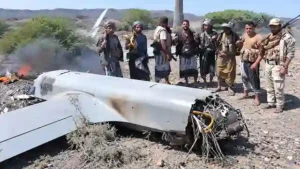
Supreme Leader Mojtaba Khamenei made it plain that political changes or leadership shifts in other countries won’t soften Tehran’s policies. He told forces to stay on high alert. Reports also indicate that Iran is planning to train up to a million paramilitary volunteers as part of this massive preparedness push. On the ground, Iranian air-defense units claim major successes against advanced U.S. reconnaissance drones, racking up significant tallies of downed MQ-9 and MQ-1 aircraft.
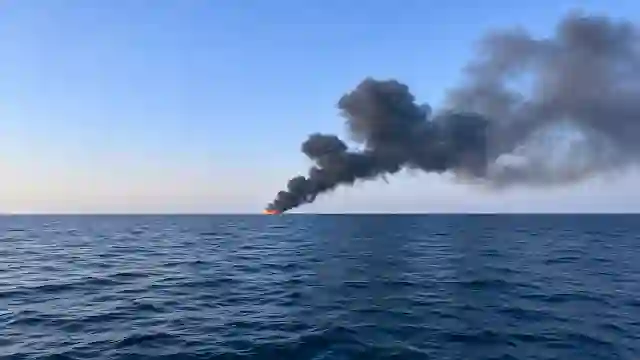
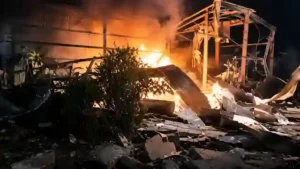
At sea, the picture is just as tense. Multiple oil tankers reportedly faced serious hazards in the Strait of Hormuz, including mines and explosions. That has pushed regional countries like the UAE to look harder at alternative crude-export pipelines that skip the vulnerable choke point entirely. Supply concerns and shifting diplomacy pushed Brent crude below $100 a barrel for the first time in a month. Iranian judiciary chief Gholamhossein Mohseni-Eje’i has said publicly that the ongoing conflicts and economic pressure are already weighing heavily on foreign governments.
U.S. Midterms and the Political Fallout
Over in Washington, the midterm results hit the current administration hard. Republican candidates took some clear congressional losses. A lot of the analysis coming out points to voter anger over the cost of long-running foreign campaigns, higher everyday prices, and a sense that foreign policy had gone too far.
Senior figures and advisers, according to major financial and news outlets, have connected those losses at least partly to the drawn-out military role in the Middle East. High-profile figures like Elon Musk also faced intense financial and political pressures following heavy spending in key states. The conversation inside Washington has gotten sharper. People are talking about accountability, possible changes in the defense setup (including questions surrounding Defense Secretary Pete Hegseth), and what comes next on the legislative side. Meanwhile, candidates from different backgrounds pulled off historic wins in several state races—such as Ilhan Omar and local figures like Abdul Syed—reshaping the local political map.
Frequently Asked Questions
What are the latest military updates on Iran’s defensive posture?
IRGC advisors and senior officials say the country’s defense approach is shifting fast. Future replies to foreign aggression, they warn, won’t stay inside regional borders and will go straight at hostile assets.
How have the U.S. midterms affected foreign-policy debates?
The congressional results have kicked off stronger arguments at home and abroad about where U.S. foreign policy is headed, how much it costs, and how deep the military commitments in the Middle East should run.
What is happening with crude oil prices amid the regional tensions?
Recent market reports show Brent crude slipping below $100 a barrel, helped by shifting European gas prices and diplomatic efforts to relieve energy pressure in the region.