Iran-US Military Strikes Spark War
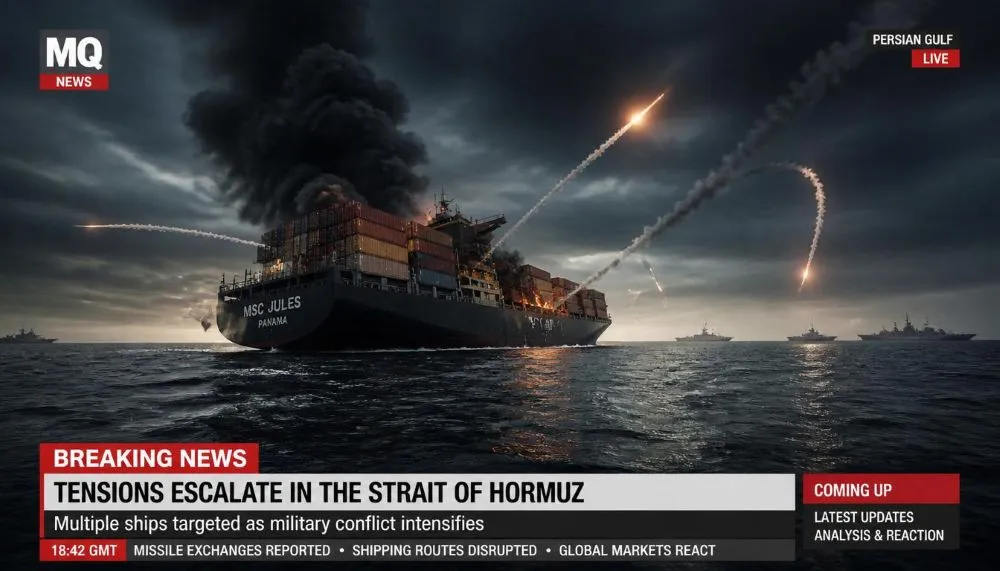
Table of Contents
Iran-US military strikes have completely shaken the region. Honestly? No point pretending. The Middle East is toast this week. Total toast. If you’ve been watching even half-heartedly, you know things went sideways real fast. Month after month, analysts warned that the breaking point was fast approaching. Well, it broke. Hard. We aren’t dealing with minor squabbles or diplomatic theater here. We’re talking real bombs. Real ships are sinking. Real cities are getting pounded. Enough with the PR spin and mainstream chatter—let’s look at what actually happened.
The Spark: Iran Fires Missiles at Tankers
Okay,y so here’s how it started. A massive container ship—Cyprus flag, named M/V GFS Galaxy—is chugging through the Strait. Iranian patrols tell ’em to halt immediately. The vessel keeps going. Bad move. Iran launches anti-ship missiles. Boom. Instant fireball. Engine room? Gone. Crew didn’t think twice—bailed into lifeboats while the ship started tilting and taking on water. Then, not even an hour later, UKMTO drops another alert: a second attack, only 9 nautical miles east of Oman. Another crew jumping overboard. Another fire. This isn’t random—Iran is clearly hitting multiple spots at once.
Iran Launches Missile Waves at UAE, Qatar, and Jordan
Look, this stopped being a “shipping dispute” a long time ago. This is straight-up regional warfare. Analysts are calling it “Season 2” for a reason. Iran has launched a major ballistic missile assault on Arab states. Even the UAE is in the crosshairs. Nationwide sirens blaring, defensive missiles flying over Dubai trying to intercept. Qatar? Military networks and civilian hubs went into total lockdown mode. Jordan? Their air defense guys were scrambling to shoot down high-altitude threats crossing their sky. For the UAE, this is a first—Iran has never directly attacked their mainland grids like this. The entire Arabian airspace? It’s a live combat zone now. Tehran’s message is blunt: if you’re giving the West any kinda help, you’re a target. Period.
U.S. Central Command Launches Massive Counter-Strikes
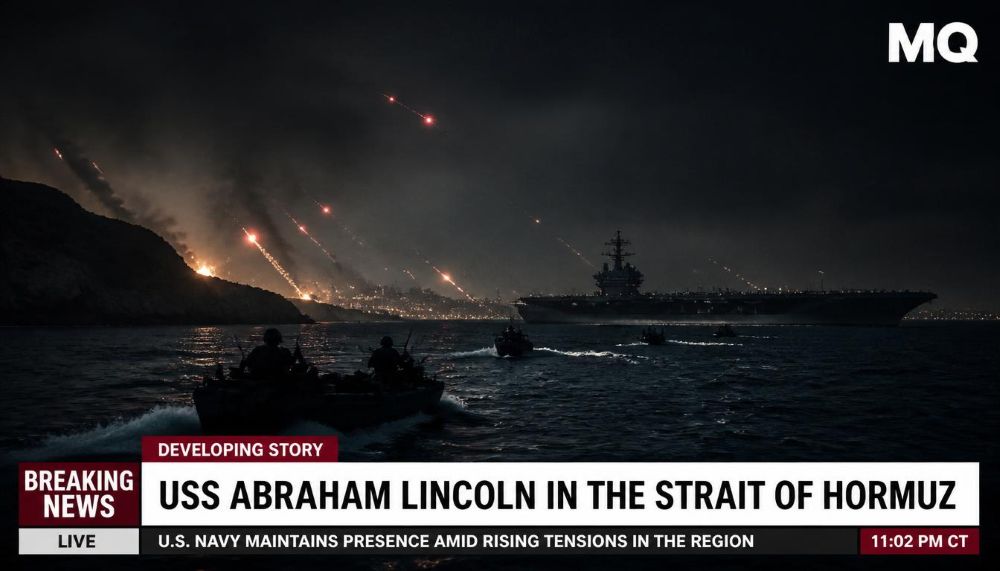
And you better believe the U.S.didn’t waste a second before acting. CENTCOM confirmed within hours—this is their third major strike wave this week alone. U.S. Officials publicly declared that Iran had “made a poor choice” and would now bear the consequences. Operating from airbases in Kuwait and Bahrain, U.S. fighter jets and naval warships launched heavy strikes against Iran’s coastal positions along the Strait. We’re talking heavy stuff:
Chabahar and Jask? Control grids, aviation systems, and radar arrays were wiped out. Bandar Abbas and Qeshm Island? Naval docks, staging areas, and those hidden underground missile vaults got plastered. Bushehr and Mahshahr? Coastal defense posts and supply hubs turned into rubble.
Videos leaking out show massive structural damage all along the coast. Multiple bases are running on generators—if they’re even running at all.
Strait of Hormuz Placed Under Total De-Facto Lockdown
Iran fired back fast. IRGC Navy officially slammed the door shut on the Strait of Hormuz. They’re keeping it locked until the U.S. completely pulls out of the region. No ambiguity there—they said it live on state TV.
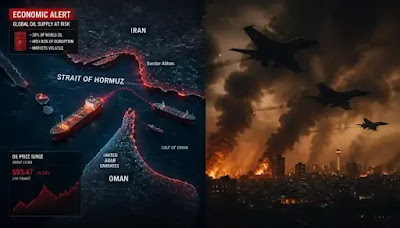
International maritime orgs are trying to calm things down, but shipping companies aren’t buying it. Tanker operators are absolutely refusing to sail into that kill zone. This freeze is already cutting off a massive chunk of global crude. Energy markets are bracing for a shock, and trust me—you’re gonna feel it at the pump real soon.
Evolving Alliances: The Role of Arab Airspace
Here’s the messy part brewing under the surface. During the U.S. counterattacks, several Arab nations quietly opened their airspace for American jets. Radar logs show heavy military traffic from bases in Kuwait, Bahrain, and Qatar—basically acting as launchpads for the strikes on Iran.
Tehran is furious. They’re warning that diplomatic ties with these Gulf states could be severed permanently. The rift between countries trying to stay neutral and those actively engaged in conflict is widening by the hour.
Humanitarian Crisis Expands in the Background
While everyone’s glued to missile footage, things are getting worse on the ground elsewhere. Watchdog groups are sounding alarms—civilians are bearing the worst of these political decisions. Infrastructure is collapsing, widespread blackouts are occurring, supply chains are snapped. For families trapped in conflict zones, just surviving each day is a nightmare.
Humanitarian agencies continue to call for secure humanitarian corridors to facilitate the delivery of essential food and medical supplies. But honestly? With the Strait locked and airspace contested, getting anything through is nearly impossible.
What This Chaos Means for the Global Economy
If you think this stays contained over there, you’re kidding yourself. The global economy runs on Middle Eastern energy and shipping. A prolonged Strait closure sends shockwaves everywhere:
Fuel prices? Shooting up. Crude is bottled up like a clogged pipe. Trade routes? Ships are already being rerouted around Africa—adding weeks to deliveries for electronics, groceries, and industrial parts. Inflation? Yeah, buckle up. Higher shipping costs mean everything in the store gets more expensive.
Frequently Asked Questions (FAQs)
Why did Iran fire at ships in the Gulf?
It kicked off when the M/V GFS Galaxy allegedly ignored warnings from Iranian patrols near the Strait. Iran hit it with anti-ship missiles, triggering a huge fire that forced the entire crew to evacuate into lifeboats.
What parts of Iran did the U.S. hit?
CENTCOM launched heavy airstrikes from bases in Kuwait and Bahrain. The operation focused on Iran’s coastal military infrastructure along the Strait, with command hubs across Bandar Abbas, Qeshm Island, Chabahar, Jask, Bushehr, and Mahshahr reportedly coming under fire.
Is the Strait of Hormuz fully closed now?
Yeah. The IRGC Navy officially locked it down for all international traffic. They say it stays closed unless the U.S. halts military operations in the region. Commercial vessels are steering way clear.
How are the UAE, Qatar, and Jordan involved?
Iran fired missiles that passed through or directly targeted them. UAE and Qatar set off nationwide alerts, while Jordan intercepted multiple projectiles over its airspace. The whole region has effectively turned into a combat zone.