The Ankara Alignment: New Frontlines and Geopolitical Shifts
US Clears F-35 Deal for Turkey. The latest NATO summit hosted in Turkey just sent a massive shockwave through Middle Eastern politics. In a sudden twist that nobody saw coming, Washington completely dropped its old grudges against Ankara over those Russian S-400 missiles. Instead of pushing sanctions, the US completely changed direction and greenlit the delivery of its high-tech F-35 fighter jets.
According to updates on CNN, this sudden shift left long-time regional allies like Israel totally caught off guard, throwing the whole local airpower dynamic out of the window in a split second. Behind closed doors, US officials openly admitted this huge defense deal went through simply because of a solid personal understanding with the Turkish presidency, ignoring the usual stack of bureaucratic red tape.
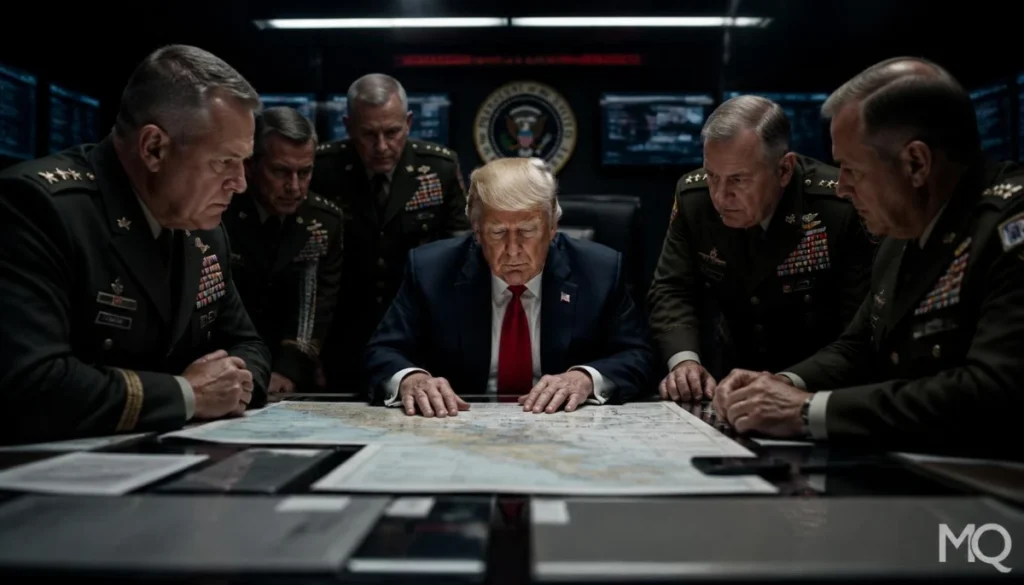
Trump didn’t hide his frustration with the rest of the alliance either. He straight-up mentioned that Ankara has shown a lot more loyalty than most other member states recently, even adding that if the meeting hadn’t been set up in Turkey, he probably wouldn’t have bothered showing up at all. The big legal catch, though, is that holding both weapon networks at once is technically against the rules. Insiders say a quiet workaround is already on the table where Turkey might just pass the Russian S-400 setups over to a third nation, making it smooth sailing to secure those five promised stealth fighters.
Shifting Oil Pipelines and Strategic Movements
The ripples of this shifting alliance instantly hit the global energy trade. Following a fresh wave of maritime friction on the water, international crude oil prices spiked by over five percent within hours. An exclusive report by Reuters reveals that the biggest energy exporters in the region are sweating over a potential naval blockade.
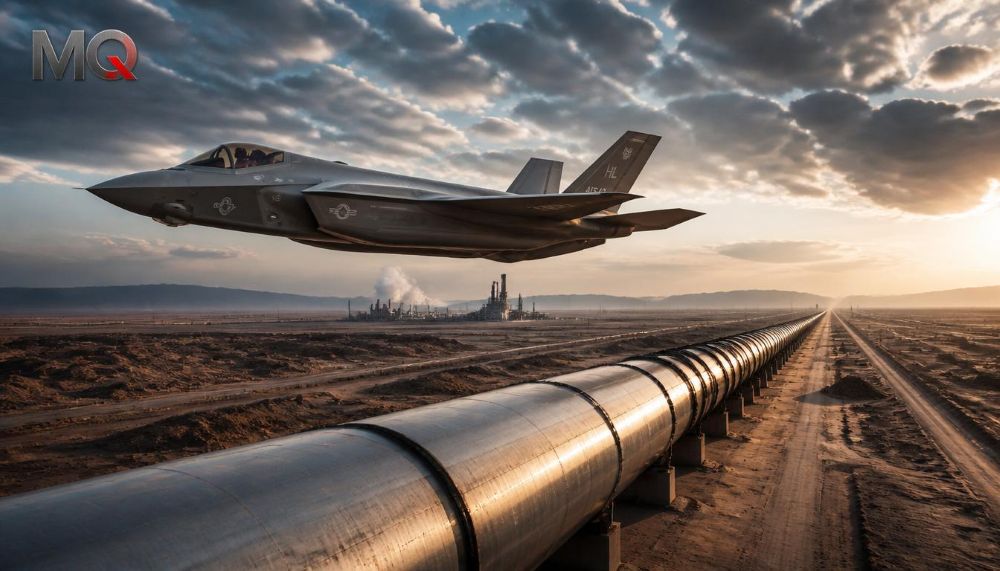
The data shows that Saudi Arabia is racing against time with an emergency backup plan to expand its massive East-West pipeline capacity. The kingdom is in preliminary talks to boost the pipeline’s current daily capacity limit by an extra one to two million barrels, attempting to run crude directly to the Red Sea port of Yanbu.
This massive infrastructure shift is heavily backed by landlocked neighbors like Kuwait, Bahrain, and Qatar, who completely lack any alternative routes to bypass the volatile Strait of Hormuz. Top oil executives from Kuwait have already confirmed high-level discussions to feed their own domestic oil barrels into this expanded Saudi network to survive a long-term shipping freeze.
Things are moving just as quickly on the military side of the chessboard. Recognizing the immediate threat of heavy anti-ship missile systems along the coast, the US military quietly pulled back approximately 32 aerial refueling tankers stationed near the conflict zones to safer positions.
Intelligence Failures and Broken Diplomacy
This military reshuffling comes amidst severe operational breakdowns and a complete collapse of back-channel diplomacy. A major international controversy has emerged following a devastating strike on an educational facility that tragically claimed the lives of 168 children and their teachers. Intelligence reports indicate that senior commanders had received explicit operational warnings from their own intelligence units stating the structure was a civilian school rather than a military base, yet the warning was entirely ignored.
With direct peace talks now declared fundamentally broken and destined to fail by both sides, the standoff has entered a highly dangerous phase. Capital defense officials have issued a grim warning stating they are fully prepared for maximum military confrontation and collective martyrdom if a red line is crossed.
The New Information Warfare
To make matters more volatile, hardline leaders are now telling global news cameras on CNN that their enemies are secretly building and hiding chemical weapons—pointing fingers in a way that straight up echoes the exact geopolitical playbook used decades ago right before major foreign military interventions.
At the same time, there are rising claims that highly coordinated social media bot networks are being deployed across platforms to manipulate public opinion and manufacture consent for further aggression. The combination of closed diplomatic channels, multi-billion-dollar pipeline re-routing, and chemical weapon allegations signals that the ground is actively being prepared for a much larger regional showdown.
Clear Answers on the Diplomatic Fallout
Why did the US suddenly drop its sanctions on Turkey’s S-400 system?
It basically came down to a strong personal connection between Donald Trump and the Turkish president at the summit. Trump didn’t hold back, pointing out that Turkey has been way more reliable than other alliance partners lately, which is exactly why he cut straight through the usual red tape to hand over the F-35 stealth jets and clear their record.
How can Turkey legally get the F-35 if they still have Russian missiles?
Technically, they aren’t allowed to keep both weapon systems under the current agreement. To clear up this legal mess, people close to the negotiations say a quiet backchannel plan is rolling out where Ankara will likely hand off or sell the Russian S-400 missile hardware to another country, clearing up the paperwork for the five stealth jets.
How is Saudi Arabia planning to bypass the Strait of Hormuz?
According to data sourced by Reuters, Riyadh is urgently building a safety net to scale up its massive East-West pipeline setup. They are trying to push their usual daily oil flow limits up by an additional one to two million barrels, pumping the crude directly across the country to their Red Sea shipping port in Yanbu instead.
Which other countries are trying to use this new Saudi pipeline?
Neighboring Gulf states like Kuwait, Bahrain, and Qatar are fully putting their weight behind this project because they don’t have any other way to get their oil out if the main strait gets choked. Oil bosses in Kuwait have already stated they are in talks to hook their own supply into this expanded Saudi network before things freeze up completely.
What is the new chemical weapons narrative being reported?
In recent CNN segments, hardline officials have started shifting the blame by claiming their rivals are hiding dangerous chemical stockpiles from the world. This sudden focus on chemical warfare looks exactly like the media playbooks seen twenty years ago, right before major Western military campaigns, showing that the narrative is being set for something much bigger.