Tag: stock market

  • Russia’s 2026 Fertilizer & Gas Ban: Global Impact

    stock market tickers (NTR, MOS, CF)

    2026’s Twin Crisis: Why Russia’s Fertilizer and Gas Ban is a Global Economic Time Bomb


    Straight up,​if you thought the 30-day war in the Middle East was the only thing to worry about, I’ve got some heavy news for you. Russia just played its biggest card yet. In March 2026, the Kremlin officially suspended the export of Ammonium Nitrate (the world’s most important fertilizer) and slapped a ban on gasoline and diesel exports.

    ​Look, as a finance blogger, I’ve seen some crazy market moves, but this? This is a proper global reset. This isn’t just about stocks falling—it’s about the potential impact on everyday essentials like food and fuel.


    ​1. The Fertilizer War: 25% of the World is “offline”

    ​Straight up, Russia controls about 25% of the global ammonium nitrate supply. By stopping these export licenses until late April 2026, they have effectively paralyzed the spring planting season for the Northern Hemisphere.

    ​To be fair, Russia says this is to “protect domestic farmers,” but properly speaking, it’s a geopolitical weapon. When you pull a quarter of the world’s nutrients off the market, prices don’t just go up—they explode.

    The Impact on Global Markets:

    • Europe: This is the ground zero. European giants like Yara (Norway) and BASF (Germany) are already struggling with Dutch natural gas prices soaring 65% after the Strait of Hormuz closure. Now, they can’t even get the raw materials from Russia. Honestly, I expect European fertilizer production to drop by 30-40% this quarter.
    • The US: Even though the US is a major producer, we still import a large share. The “Input Cost” for American farmers is hitting record highs. If you think your grocery bill is high now, just wait until the 2026 harvest hits the shelves.

    2. The Energy Pincer: Why Gasoline is the New Gold

    ​As if the fertilizer ban wasn’t enough, Russia’s decision to halt gasoline and diesel exports is the second punch in this “one-two” combo.

    ​Look, with Brent Crude hovering above $115, Russia is keeping its fuel at home to stop its own inflation. But for the rest of us? It means the “Energy Tax” on the global economy just got heavier. In the US, gas prices are already flirting with $4.00 a gallon, and in Europe, it’s much worse. Properly speaking, every truck moving medical supplies or food has just became 20% more expensive to run.

    Look, here is the technical bit most people miss. Fertilizer isn’t just “made”; it’s basically “cooked” using natural gas (Methane). Specifically, about 80% of the cost of making nitrogen fertilizer is just the price of gas.

    To be fair, Russia knows this. By cutting gas and fertilizer at the same time, they’ve created a “Double Lockdown.” If a European factory tries to buy gas from elsewhere to make its own fertilizer, the price is so high that the finished product becomes unaffordable for farmers. Straight up, we are seeing a massive industrial shutdown in Europe’s chemical heartland.

    ​3. Investor’s Playbook: The Winners and Losers of 2026

    ​If you’re a finance nerd like me, you know that where there is a crisis, there is a “Trade.” Here is how the global share market is reacting to the Russia Ban:

    The Winners (The “Non-Russian” Giants)

    ​When Russia goes offline, the money flows to North America.

    • CF Industries (NYSE: CF): This is the “King of Nitrogen.” Since they use cheap US natural gas to make fertilizer, they are making a killing while European rivals shut down. Honestly, CF is one of the few stocks looking “bulletproof” right now.
    • Nutrien and Mosaic are essentially the world’s backup plan. Nutrien’s stock recently rebounded 2.7% even after a bearish analyst report, purely because the market realizes Russia has left a massive hole in the supply.
    • FMC Corporation: These guys make crop protection tech. When fertilizer is scarce, farmers pay more for tech that helps every seed survive.

    The Losers (The “Margin-Crushed” Sectors)

    • European Chemicals (BASF, Yara): These companies are in a “Death Loop.” High gas prices + No Russian raw materials = Zero profit. BASF has already hiked prices by 30% just to stay afloat.
    • FMCG Giants (Nestle, Unilever, Kraft Heinz): To be fair, these guys are the “Shock Absorbers.” Their raw material costs (corn, wheat, sugar) are tied to fertilizer. Expect their profit margins to shrink, leading to more “Shrinkflation” for us consumers.


    Global Agriculture & Energy Impact Table (March 2026)

    Company / Asset

    Primary Region

    Role in Crisis

    30-Day Outlook

    CF Industries (CF)

    North America

    Nitrogen Leader

    Bullish (High Margin)

    Nutrien (NTR)

    Global/Canada

    Potash Supply Gap

    Bullish (Supply Dominance)

    Yara International

    Europe

    Ammonia Maker

    Bearish (Energy Costs)

    Mosaic (MOS)

    US/Global

    Phosphate Source

    Neutral/Bullish

    Natural Gas (LNG)

    Global

    Raw Material for Fertilizer

    Extreme Volatility

    ​4. The “Stagflation” Reality Check

    ​Properly speaking, we are now in a Stagflation environment. Growth is slowing because of the war, but inflation is rising because Russia is choking the supply of food and fuel.

    ​Look at the 10-Year Treasury Yields. They are spiking because the market knows Central Banks (The Fed and the ECB) can’t cut interest rates yet. If they cut rates, inflation goes to the moon. If they don’t, the economy might crack. Honestly, it’s a “damned if you do, damned if you don’t” situation for 2026.

    Properly speaking, we are now entering a dangerous phase where “Food” and “Fuel” are fighting for the same resources. Since Russia banned diesel exports, some countries are desperately looking at Biofuels (fuel made from crops like corn and soy).

    ​Honestly, this is a nightmare. If we start burning corn to run our trucks because Russian diesel is gone, there will be even less corn for food. This is what economists call a “Negative Feedback Loop.” For a finance blogger, this means keep an eye on Archer-Daniels-Midland (ADM)—they sit right in the middle of this food-vs-fuel trade.

    ​5. Why the Global South is Terrified

    ​We talk about US and European stocks, but the real “human cost” is in Brazil, India, and Africa.

    • Brazil: They import 29% of their potash from Russia. If Brazil’s soy crop fails, the global meat market (which relies on soy for feed) will collapse.
    • India: The government is facing a massive subsidy bill. They have to pay farmers to keep food affordable, which means they have less money to spend on infrastructure and tech.

    6. Case Study: The “Hormuz-Russia” Connection

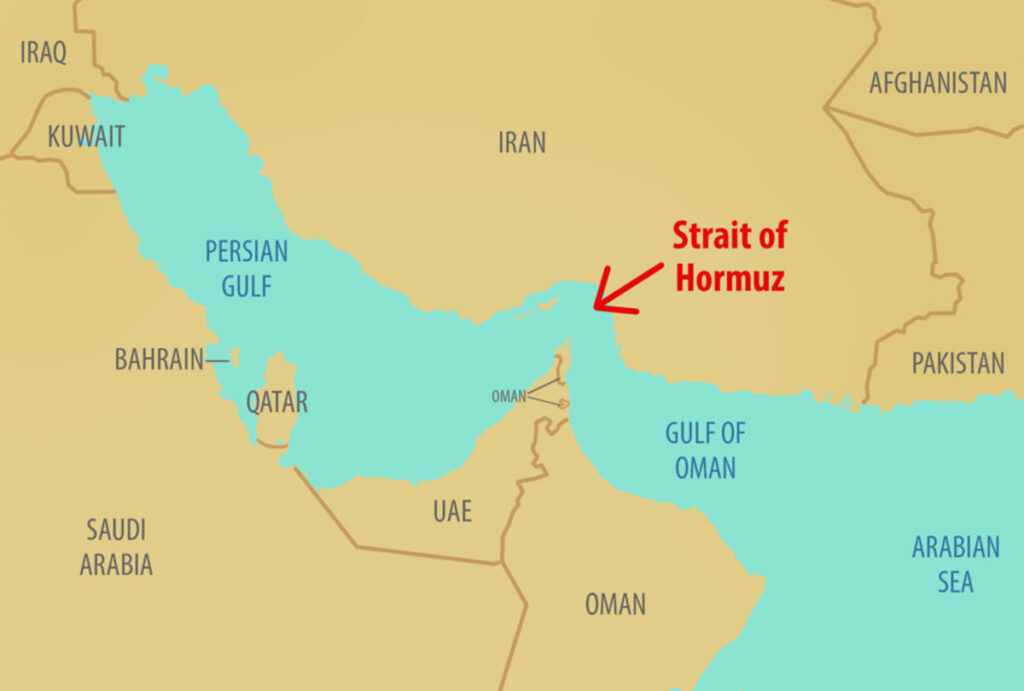
    ​Most people are looking at these as two separate events, but they are connected. Iran’s blockade of the Strait of Hormuz has cut off 24% of global ammonium trade.

    ​Now, with Russia also suspending exports, we have a “Perfect Storm.” We have lost two of the world’s biggest taps at the same time. I’ve checked the charts, and the last time we saw a supply shock this big was the 1970s. Honestly, anyone calling this a “short-term blip” isn’t looking at the data.

    ​7. My Final Take: How to Protect Your Portfolio

    ​Look, I’m not here to scare you, but as a finance blogger, I have to be straight up. The “Easy Money” era is over.

    1. Cash is a Position: In a high-inflation, high-war environment, having cash to buy the “real” bottom is smart.
    2. Commodities are King: If you aren’t hedged with some exposure to Energy or Agriculture, you’re basically a sitting duck.
    3. Watch the Ceasefire: If Trump’s 15-point plan actually moves toward a ceasefire in the Middle East, the “Energy Tax” might ease. But until then, the fertilizer crisis is here to stay.

    Look, the soil doesn’t care about politics. If a farmer misses the “Spring Window” for fertilization in April 2026, they can’t just do it in June. The yield loss is permanent for the year.
    Technically, even if Russia lifts the ban tomorrow, the logistics of moving millions of tons of ammonium nitrate across a war-torn world will take months. To be fair, the market hasn’t fully priced in the 2027 food shortages yet. Most people are focused on today, but the smart money is looking at the long-term structural deficit in global calories.

    The Bottom Line:

    Russia’s ban on fertilizer and gasoline isn’t just about 2026 politics; it’s about the fundamental cost of living for 8 billion people. When you can’t grow food, and you can’t move goods, the economy resets. Stay sharp, watch the yields, and for heaven’s sake, don’t ignore the agricultural sector.

    FAQs: The 2026 Russia Export Ban


    Q1. Why is Russia’s fertilizer ban affecting the 2026 global economy?

    Honestly, Russia controls about 25% of the global ammonium nitrate supply. By suspending exports in March 2026, they have paralyzed the spring planting season for the Northern Hemisphere, leading to lower crop yields and massive food inflation worldwide.

    Q2. How does the gas ban impact fertilizer production in Europe?

    Look, natural gas accounts for nearly 80% of the cost of making nitrogen-based fertilizers. With Russia cutting off gas exports, European factories like BASF and Yara are facing a “Double Lockdown,” making production financially impossible.

    Q3. Which stocks are winners during the 2026 fertilizer crisis?

    To be fair, North American giants like CF Industries (CF), Nutrien (NTR), and Mosaic (MOS) are the primary winners. Since they have access to domestic gas, they are filling the supply gap left by Russia and Europe.

    Q4. Will the fertilizer shortage lead to a global food crisis?

    Properly speaking, yes. Missing the “Spring Window” for fertilization means permanent yield losses for 2026. This triggers a negative feedback loop where food becomes scarce, and prices hit record highs, especially in the Global South.

    Note: This is for educational purposes only. Not financial advice. We are not SEBI-registered.

  • 30-Day US-Iran War: Impact on Medical Stocks 2026

    medical heartbeat line (ECG) red stock market

    30 Days of Fire: Why Your Medical Portfolio is Bleeding in 2026

    ​Honestly, if you told me a month ago that we’d be sitting here watching the Middle East go up in flames, I probably wouldn’t have believed you. But here we are. It’s been exactly 30 days since the US-Iran conflict kicked off properly, and look, the fallout isn’t just on the news—it’s right there in your brokerage account, especially if you’re holding medical and pharma stocks.

    ​The First Week: The “Shock” Phase

    ​Straight up, the first seven days were pure chaos. As missiles were launched in late February, markets worldwide followed a familiar script—panic set in. What led to the S&P 500 Healthcare index slipping 4%? Because investors hate uncertainty.

    ​To be fair, medical stocks are usually the “boring” ones that stay steady. But this time, because the conflict involves major oil routes like the Strait of Hormuz, the cost of shipping medical supplies from Europe to the US spiked by almost 15% in a single week. If you’re a company like Johnson & Johnson or Pfizer, moving products suddenly became a massive headache. Honestly, it was a mess.

    ​Europe’s Medical Giants: Top 5 Stocks at a “War Discount”

    ​Look, Europe is feeling this way worse than the Americans. A lot of the raw ingredients (APIs) for our medicines come through routes that are now essentially “no-go” zones. But for a smart investor, this blood in the streets is actually an opportunity. Here are 5 stocks that are currently “on sale”:

    1. Novo Nordisk (NVO): This one is a shocker. It’s down nearly 29% in 2026. Between war-related supply chain issues and a failed trial for their new drug CagriSema, this Danish giant is trading at a massive discount.
    2. Roche (RHHBY): They’ve seen a 13% decline. Their diagnostics division is struggling because hospitals in Europe are shifting budgets toward defense and emergency trauma instead of high-end lab equipment.
    3. Sanofi: Based in France, they’re caught in the middle of the European energy crisis. Higher gas prices mean higher manufacturing costs.
    4. Genmab: This biotech firm has taken a hit purely because of the “risk-off” sentiment. People are moving money to gold, leaving solid tech like Genmab undervalued.
    5. Fresenius: The dialysis giant is struggling with the logistics of moving heavy machinery across disrupted European borders.

    ​Market Snapshot: US vs. Europe Performance (March 2026)

    Stock Name

                Region        

    30-Day Change

                   Current Sentiment

    Eli Lilly

                US

             -18%

                       Moderate Recovery

    Novo Nordisk

                Europe

              -29%

                       High Risk / Oversold

    AstraZeneca

                UK/EU

              +3.4%

                       Bullish (Defense Play)

    UnitedHealth

                US

               -2.1%

                            Very Stable

    Sanofi

                Europe

               -11%

                    Bearish (Energy Costs)

    ​The Great Obesity War: Eli Lilly vs. Novo Nordisk

    ​Now, let’s talk about the big one. If you follow finance, you know the obesity drug market was the “gold mine” of 2025. But 30 days of war have flipped the script.

    Eli Lilly (LLY) has been holding up much better than its Danish rival. While Lilly is down about 18% this year, it’s still seen as the “quality” play. Why? Because most of its manufacturing is based in the US, far away from the Iranian drone strikes.

    ​On the other hand, Novo Nordisk is suffering. Not only is the war messing with their logistics, but they’ve also warned that 2026 sales might decline. Honestly, it comes down to two very different scenarios. Lilly has the “home court advantage” in the US, while Novo is stuck in a Europe that is currently terrified of an energy blackout.

    ​US Healthcare: The Long-Term “Trump” Factor

    ​We have to talk about the “Trump effect” here. President Trump has been giving a very mixed picture. One day, he’s threatening Iran, and the next,t he’s saying oil prices aren’t that bad.

    ​But for the medical sector, the long-term view is tied to TrumpRx. This is his plan to force drug prices down through a new discount platform. When you combine the “war inflation” with government pressure to lower prices, US pharma companies are caught in a pincer movement.

    • Inflation makes it expensive to make drugs.
    • TrumpRx makes it hard to sell them at high prices.

    To be fair, this might sound like bad news, but for a long-term investor (think 5-10 years), the US market is still the king. The population isn’t getting any younger, and the demand for healthcare in a post-war world will be astronomical.

    ​The “Logistics Nightmare” for Hospitals

    ​Properly speaking, the “30-day war” has turned the WHO’s global logistics hub in Dubai into a ghost town. This matters because many European and US pharma companies use that hub to distribute meds globally.

    ​There’s currently about $26 million worth of medical supplies stuck because of the Strait of Hormuz closure. If this goes on for another 30 days, we aren’t just talking about stock prices dropping—we’re talking about actual medicine shortages in the UK and Europe.

    ​Why Med-Tech is Taking a Hit

    ​Now, this is the part people aren’t talking about enough. The “Med-Tech” sector—the guys who make robotic surgery tools and high-tech scanners—is getting hammered.

    1. Energy Costs: These machines take a lot of juice to build.
    2. The Interest Rate Problem: Because of the war, inflation is back. Central banks are keeping rates high to stop the economy from overheating. For a small biotech firm that needs to borrow money to survive, this is basically a death sentence.
    3. Hospital Budgets: In Europe, governments are diverting money away from “new hospital equipment” and putting it straight into tanks and missiles.

    Does the medical sector still offer strong opportunities?

    nestly? Yes. But you’ve got to be picky. Straight up, if a company relies too much on global shipping, stay away for now. If they have their manufacturing based locally in the US or UK—like AstraZeneca, which actually rose 3.4% recently despite the war—they’re going to weather this storm much better.

    ​The last 30 days have been a brutal wake-up call. We’ve learned that no sector—not even healthcare—is immune to a massive geopolitical blowout. The US and Europe are interconnected in ways that make a conflict in the Middle East feel like it’s happening in our own backyard.

    My Final Take (For Now)

    ​Look, don’t go selling everything in a panic. The first month of any war is always the scariest for the financial world. As things settle into a “new normal,” the markets will find their feet. The medical sector is essential. People will always need insulin, heart meds, and bandages, regardless of who is winning a war.

    ​To be fair, the next 30 days will be about seeing which companies can actually manage their costs while the world is on fire. Look at the earnings, not just the media buzz.

    FAQ: Navigating the 2026 Crisis


    Q: Should I sell all my European medical stocks?

    Honestly, no. If you’re a long-term player, these companies (like Roche and Sanofi) are too big to disappear. This is a temporary logistics shock, not a fundamental failure of the business.

    Q: Which US sector is the safest during this war?

    Health Insurance (Managed Care) like UnitedHealth tends to be safer than “Big Pharma” because they aren’t as dependent on physical supply chains and oil prices.

    Q: Will Trump’s 15-point plan help the stock market?

    If it brings a ceasefire, expect a massive “relief rally.” Stocks could jump 5-8% in a single day. Until then, stay cautious.

    Note: This is for educational purposes only. Not financial advice. We are not SEBI-

    registered.

  • Market Rotation vs. Corporate Earnings

    Gear icon dikhega

    Honestly, look, everyone is talking about market rotations right now like it’s the only thing that matters. You see it everywhere—investors jumping from the big tech giants over to smaller, “value” stocks because they think the big players have peaked. But straight up, if you actually peek under the hood at the corporate earnings, a completely different story starts to emerge.

    ​It’s easy to get swept up in the hype of where the money is moving day-to-day. To be fair, prices move on vibes sometimes, but they always settle on profits in the end.

    ​The Noise of Rotation vs. The Silence of Earnings

    ​Market rotation happens when people get bored or scared of the current winners and start looking for the “next big thing.” Lately, we’ve seen a lot of folks ditching the famous tech stocks to put their cash into companies that haven’t moved in years.

    ​But here’s the thing: rotation is often just a guess. People are betting that the underdogs will finally start winning. Corporate earnings, however, aren’t a guess—they are a cold, hard fact. While the headlines say everyone is leaving tech, the earnings reports show those same tech companies are still printing money faster than anyone else. Look, if a company is making billions and its rivals are barely breaking even, which one would you actually want to own?

    ​Why Interest Rates Aren’t the Full Story

    ​A lot of this rotation is based on what people think will happen with interest rates. They say, “When rates go down, small companies do better.” Sure, that sounds good on paper. But properly speaking, a small company with a lot of debt is still a risky bet, even if rates drop a little bit.

    ​Big corporations have spent years building up massive piles of cash. They don’t need to borrow money like the smaller guys do. In fact, many of them actually make money when interest rates are high because of the interest they earn on their own savings. So, while the market rotates based on a “feeling” about the economy, the earnings show that the big players are already safe and sound.

    ​AI: Is it Just Hype or Actual Cash?

    ​There’s a lot of talk that the AI trend is over and the bubble is popping. Honestly, that’s just talk. If you read the actual earnings files, you’ll see that AI is starting to make real money.

    • The Giants: They are using AI to make their work faster and cheaper. This means their profit margins are actually going up.
    • The Tools: The companies making the chips and the software are seeing record orders.

    The market might rotate away from these stocks because they look “expensive,” but as long as the earnings keep growing, they aren’t actually as expensive as they look. To be fair, I’d rather buy a “dear” stock that makes money than a “cheap” stock that’s losing it.

    ​The Problem with the “Underdogs”

    ​The main goal of market rotation is to find “value” in smaller companies. But straight up, many of these companies are struggling. They don’t have “pricing power.” That’s a fancy way of saying they can’t raise their prices when their own costs go up because their customers will just walk away.

    ​The big brands we all know can raise prices whenever they want, and we still pay. Earnings reports are showing this gap getting wider. The small guys are getting squeezed, while the big ones stay comfy.

    ​Cash is King (And the Giants have it all)

    ​One thing people forget during these rotations is the balance sheet. When things get shaky in the world—whether it’s politics or the economy—you want to be with the company that has the most cash in the bank.

    ​Corporate earnings show that the big firms are using their extra cash to buy back their own shares and pay out dividends. This acts like a safety net for investors. Most of the companies people are rotating into don’t have that safety net. If things go wrong, they don’t have the cash to survive a rainy day.

    ​Don’t Follow the Crowd

    ​It’s tempting to follow the herd. When you see a sector jumping 5% in a week, you want a piece of the action. But look, that’s trading, not investing.

    ​Properly speaking, you should be looking at the YoY (Year over Year) growth. If a company’s profits are growing by 20% every year, but the stock price is flat because of a “rotation,” that’s actually amazing news for you. It means you can buy a great business at a fair price while everyone else is distracted by the shiny new toy.

    ​The Real Takeaway

    • Ignore the Hype: Rotation is about where people think the wind is blowing. Earnings are about where the money actually is.
    • Quality over Price: Just because a stock is “cheap” doesn’t mean it’s a good deal. Check the profit margins first.
    • Watch the Margins: If a company is making more profit on every pound they spend, they are winning.
    • Be Patient: The market can stay irrational for a while, but eventually, the stock price has to follow the earnings.

    Honestly, market rotations will come and go. Today it’s small-caps, tomorrow it’ll be something else. But if you keep your eyes on the corporate earnings, you’ll always know the real story. Don’t let the noise of the trading floor drown out the truth of the balance sheet.

    Frequently Asked Questions

    What exactly is a market rotation?
    Look, it’s basically just a fancy way of saying investors are moving their money from one sector to another. For example, they might sell their “Big Tech” stocks and buy “Small-Cap” or “Value” stocks because they think the smaller guys are due for a win. It’s like a trend in fashion—everyone starts wearing the same thing at once.

    Why do corporate earnings tell a different story?
    Straight up, because the market moves on “vibes” and “guesses,” but earnings are cold, hard facts. While people might be selling tech stocks because they feel like the growth is over, the earnings reports often show these companies are actually making more profit than ever. The “story” in the news is about the move, but the “truth” in the bank is the profit.

    Is market rotation a bad sign for the economy?
    To be fair, not necessarily. It usually just means investors are looking for better deals or are worried about things like interest rates. It can actually be a sign of a healthy market because it shows people are willing to put money into different areas, not just the top five companies.

    Should I follow the rotation and sell my big stocks?
    Honestly, that’s a personal choice, but properly speaking, you should check the earnings first. If a company is still growing its profits and has a massive moat, selling just because “everyone else is” might not be the smartest move. Don’t let the noise of the crowd drown out the logic of the balance sheet.

    What is “Pricing Power” and why does it matter?
    This is a big one. It’s the ability of a company to raise its prices without losing all its customers. Big, successful companies have it; struggling ones don’t. During a rotation, people often buy “cheap” stocks that have zero pricing power, which means their earnings will eventually get crushed by inflation.

    Note: This is for educational purposes only. Not financial advice. We are not SEBI-registered.
  • retail earnings kohls dollar general dicks preview

    Kohl’s (KSS) Q4 Update

    Retail Earnings Preview: What to Expect From Kohl’s, Dollar General, and Dick’s


    The retail sector is entering another important week of earnings, with several major companies preparing to report results. Among the most closely watched names are Kohl’s, Dollar General, and Dick’s Sporting Goods.

    These three companies represent different parts of the retail industry. Kohl’s operates as a department store chain, Dollar General focuses on discount retail, and Dick’s Sporting Goods dominates the sporting goods market.

    Because they serve different types of customers, their earnings results often provide useful clues about overall consumer spending trends.

    Why Retail Earnings Matter Right Now


    Retail earnings are often seen as a strong indicator of consumer confidence.

    When shoppers feel financially secure, they tend to spend more on clothing, sports equipment, and other discretionary products. But when economic uncertainty rises, many consumers shift their spending toward cheaper stores or essential items.

    Analysts will therefore watch these earnings reports closely to understand how inflation, interest rates, and household budgets are affecting retail demand.

    What to Expect From Kohl’s


    Kohl’s has faced several challenges in recent years, including declining sales and intense competition from online retailers and discount chains.

    Recent results show that while earnings have sometimes exceeded expectations, sales growth remains weak, and comparable store sales continue to decline. 

    The company has also warned that annual sales may remain flat or fall slightly as it works through a long-term turnaround strategy. 

    Kohl’s Q4 2026 Results 

    Kohl’s reported its results on March 10, 2026. The company performed better than expected in terms of profit, reporting earnings of $1.07 per share (against the expected $0.85). However, total revenue was slightly lower at $5.17 billion. While the company is managing its costs well, it remains cautious about sales growth for the rest of 2026. Investors should now focus on:
    Comparable store sales (How current stores are performing)
    Inventory management (Clearing old stock)
    Profit margins (Staying profitable despite lower sales)
    Customer traffic (Are people still visiting stores?)
    If Kohl’s can show signs of stabilising sales or improving customer demand, the market could react positively.

    Dollar General: A Key Indicator of Budget-Conscious Consumers


    Dollar General plays a different role in the retail market. The company focuses on low-cost products and everyday essentials, making it popular with budget-conscious shoppers.

    During periods of economic pressure, discount retailers often benefit because consumers shift spending away from higher-priced stores.

    Investors will watch several factors in Dollar General’s report:

    Same-store sales growth

    Customer traffic trends

    Profit margins

    Inventory costs

    If inflation continues to pressure household budgets, Dollar General could see stronger demand as consumers look for cheaper alternatives.

    Dick’s Sporting Goods: Growth in the Sports Retail Market


    Dick’s Sporting Goods represents a different part of the retail sector, focusing on sports equipment, footwear, and outdoor gear.

    The company has performed relatively well compared with many traditional retailers. Analysts expect both revenue and earnings to grow steadily in the coming years, supported by strong demand for athletic products and outdoor activities. 

    Another factor supporting the company’s growth is its strategic expansion and acquisitions, including its deal to acquire Foot Locker, which could strengthen its position in the sports retail market. 

    Investors will mainly watch:

    Sales growth

    inventory levels

    operating margins

    guidance for the coming year

    If Dick’s reports strong demand and positive guidance, the stock could remain one of the stronger performers in the retail sector.

    What These Earnings Say About the Economy


    When taken together, the earnings results from these companies provide a broader view of the US consumer.

    Kohl’s reflects the health of traditional department stores.

    Dollar General highlights spending patterns among lower-income consumers.

    Dick’s Sporting Goods shows demand for lifestyle and recreational products.

    Because these companies serve different customer segments, their results can reveal whether consumer spending is improving or slowing.

    Final Thoughts


    This week’s retail earnings reports could offer valuable insight into the current state of consumer spending.

    If discount retailers show strong demand while department stores struggle, it may suggest that shoppers are becoming more cautious.

    However, if companies like Dick’s Sporting Goods continue to report healthy growth, it could signal that consumers are still willing to spend on lifestyle products.

    For investors and market watchers, these earnings results may help shape expectations for the retail sector in the months ahead.


    Frequently Asked Questions


    Why are retail earnings important for investors?

    Retail earnings reports help investors understand how consumers are spending money. If retailers report strong sales and higher customer traffic, it often signals that consumer confidence is improving. Weak sales may suggest that shoppers are becoming more cautious.

    What should investors watch in Kohl’s earnings report?

    Investors will mainly look at comparable store sales, customer traffic, and profit margins. Kohl’s has been working to stabilise its sales, so any improvement in store performance or online growth could be important for the stock.

    Why is Dollar General closely watched during earnings season?

    Dollar General serves many budget-conscious shoppers. When economic pressure rises, more customers often turn to discount stores. Because of this, Dollar General’s results can provide insight into how lower-income households are managing their spending.

    What makes Dick’s Sporting Goods different from other retailers?

    Dick’s focuses on sports equipment, footwear, and outdoor products. Demand for these items often depends on lifestyle trends and consumer interest in sports and fitness. Strong sales may show that consumers are still willing to spend on recreational activities.

    How can these earnings reports affect retail stocks?

    Retail stocks often move sharply after earnings announcements. If results beat expectations or guidance improves, the stock may rise. If sales disappoint or margins fall, the stock price may decline.

    What do these retail earnings say about the wider economy?

    Together, the earnings results from department stores, discount retailers, and sporting goods companies provide a broader picture of consumer spending. They help investors understand whether households are spending freely or becoming more cautious.


    Note: This is for educational purposes only. Not financial advice. We are not SEBI-registered.


  • Novo Nordisk: Financial Fortress or One-Trick?

    NVO logo transparent digital stock market

     Novo Nordisk ($NVO): A Financial Fortress or a Short-Term Weight-Loss Hype?


    The global financial markets are currently witnessing an unprecedented era of pharmaceutical dominance. At the center of this storm sits Novo Nordisk ($NVO), a Danish giant that has transformed from a quiet insulin manufacturer into a global powerhouse. However, with massive growth comes massive scrutiny. Investors today are divided: is Novo Nordisk a Financial Fortress built to last, or is it a One-Trick Pony riding a temporary weight-loss wave?


    The Market Sentiment: Volatility vs. Fundamentals

    ​In today’s fast-paced trading environment, stock sentiment often shifts faster than the actual business. While short-term traders are obsessed with 1-hour candles and daily price fluctuations, smart money looks at the underlying business structure. The reality is that Novo Nordisk is operating on a scale that few companies in history have ever achieved. This isn’t just about a trending stock; it’s about a company that has become a cornerstone of global healthcare.


    (more…)

  • US-Iran Oman Talks: Why Oil Prices Are Falling

    US-Iran Oman Talks 2026: Why Crude Oil Prices Are Falling Today and What It Means for the Global Market


    Key Points

    • Oil prices are dropping today due to the US and Iran agreeing to nuclear talks in Oman, easing fears of Middle East conflict and supply disruptions.
    • Brent crude stood at around $67.50-$68.50 per barrel on 5 February 2026, down over 3%, while WTI hovered near $63–64 per barrel.
    • The geopolitical risk premium is fading as diplomacy progresses, potentially leading to a more stable oil supply through the Strait of Hormuz.
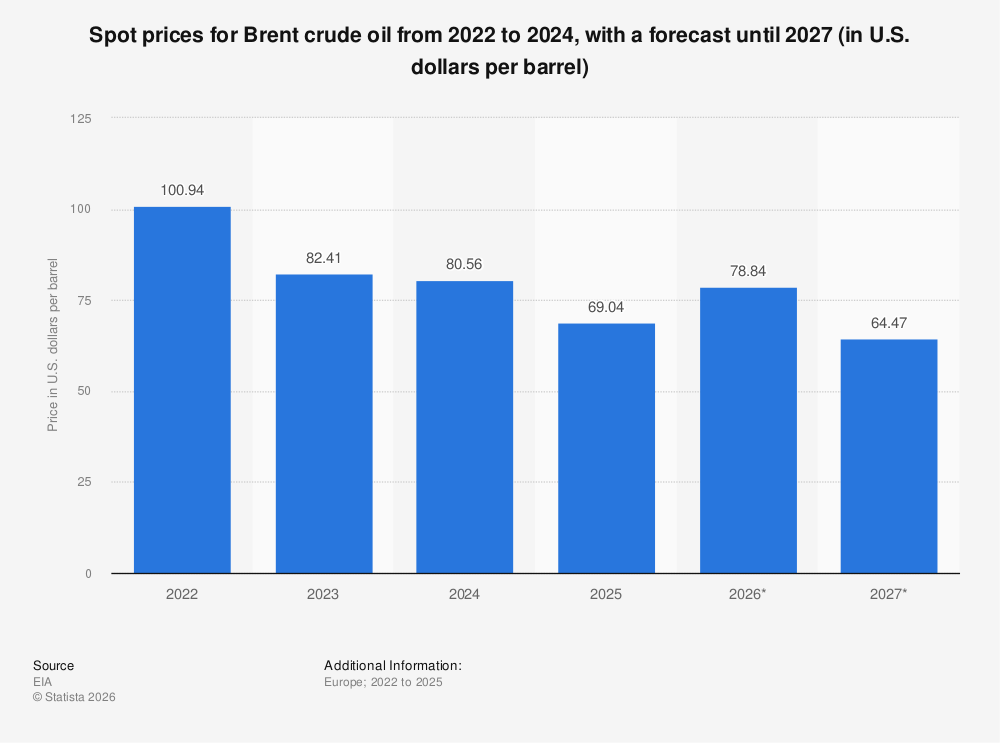
    • Forecasts from the IMF and World Bank suggest average Brent prices could fall to $60–65 per barrel in 2026, driven by ample supply and easing tensions.
    • Broader impacts include lower costs for oil-importing nations like India, though volatility remains if talks stall.


    Current Oil Price Snapshot
    As of 5 February 2026, Brent crude has fallen amid news of the talks, reflecting market relief over potential de-escalation.


    Why Prices Are Falling Today
    The agreement to hold talks has reduced the “fear factor” in markets, lowering the premium tied to possible supply risks.


    Looking Ahead
    While short-term relief is clear, long-term prices depend on negotiation outcomes and global demand.


    The recent developments in US-Iran diplomacy have sent ripples through the global energy markets. On 5 February 2026, crude oil prices dropped noticeably as news broke that the United States and Iran had agreed to hold nuclear talks in Oman. This marks a significant moment in international relations, especially under the Trump administration, which has taken a firm stance on Iran’s nuclear programme, ballistic missiles, and regional influence.

    The talks, scheduled for 6 February in Muscat, Oman, come after a period of heightened tensions. President Trump has warned Iran’s Supreme Leader to be “very worried” if no progress is made, while the US seeks a comprehensive deal beyond just nuclear limits. Oman, known for its neutral role in Middle East diplomacy, has once again served as the host, facilitating indirect and now direct engagement.

    This diplomatic breakthrough has directly influenced oil markets. Brent crude fell toward the $68 mark, a decline of over 3% from recent highs, while WTI crude dropped to around $63.23 per barrel. Markets reacted swiftly because any easing of tensions between the US and Iran reduces the perceived risk to oil flows through the Strait of Hormuz.

    What is the Strait of Hormuz and Why is it so Important for Oil ...

    The Strait of Hormuz ranks among the most strategically important oil chokepoints in the global energy system. Around 20–30% of the global seaborne oil trade passes through this narrow waterway between Iran and Oman. Any threat to close it – as Iran has hinted at in the past – can spike prices due to fears of shortages. With talks underway, that risk premium has started to unwind, allowing prices to fall.


    Why Are Oil Prices Falling Today?


    The main driver is simple: reduced geopolitical uncertainty. When the US and Iran confirmed the Oman meeting, traders sold off positions built on conflict fears. Reuters reported Brent futures down $2.33 (3.35%) at one point, with similar moves in WTI. This is classic market behaviour – prices often drop on de-escalation news, even if no final deal is reached.

    Other factors play a role, too. Global supply remains ample, with OPEC+ production steady and non-OPEC output (especially US shale ) robust. Demand growth is modest amid economic uncertainties, adding downward pressure.

    The Impact of US-Iran Diplomacy on Oil Supply


    Diplomacy can reshape oil supply dynamics. If successful, talks could lead to sanctions relief for Iran, allowing it to increase exports. Iran currently produces around 3–3.5 million barrels per day, but has capacity for more. Higher Iranian supply would further weigh on prices.

    Conversely, failure could reignite tensions, raising risks around the Strait of Hormuz and pushing prices up. The Trump administration wants concessions on missiles and proxies, making the outcome uncertain.

    Oil tanker attacks in the Strait of Hormuz requires an ...

    Brent vs WTI Price Outlook

    Brent and WTI are the two main benchmarks. Brent, sourced from the North Sea, reflects global prices, while WTI is US-centric.

    Table: Recent and Forecasted Prices (USD per barrel)

    Source/Date Brent Current (Feb 2026) WTI Current (Feb 2026) 2026 Average Forecast (Brent)
    Market Data (5 Feb 2026)
    • ~68.50
    ~63.23
    IMF (Jan 2026) ~62.13
    World Bank (Oct 2025) ~60
    EIA (Recent) ~56–65

    Prices are down from earlier highs, with forecasts pointing lower due to a supply glut and diplomatic tensions.

    Brent crude oil price forecast 2026| Statista
    Brent crude oil price forecast 2026| Statista


    Geopolitical Risk Premium Explained


    The “risk premium” is the extra amount traders add to prices for potential disruptions. In calm times, it’s low; during crises, it can add $10–20 per barrel. The Oman talks have trimmed this premium, contributing to today’s drop.

    Mini Case Study: Impact on India’s Economy


    India, one of the world’s largest oil importers, relies on Middle East crude for over 80% of its needs. Lower prices reduce the import bill, easing inflation and supporting the rupee. In past dips (e.g., 2020), India’s fuel costs fell, boosting consumer spending and growth. If prices average $60 in 2026, India could save billions, helping its fiscal balances. However, prolonged low prices might hurt domestic producers like ONGC.

    Broader Global Oil Market Geopolitics


    The talks highlight Oman’s role as a mediator. Broader issues – sanctions, proxies – could influence outcomes. The Federal Reserve notes that energy prices affect inflation, while IMF projections show that low oil prices aid global growth by lowering consumer costs.


    FAQs


    Why are oil prices falling today?
    The US-Iran talks in Oman have eased supply disruption fears, causing a sell-off.

    What is the status of the Trump administration’s Iran talks for 2026?
    Talks are set for 6 February in Oman, focusing on nuclear issues and more.

    Why does the Strait of Hormuz play such a key role in oil pricing?

    It’s a key transit point; threats to it raise prices due to supply risks.

    Will Brent crude fall further in 2026?
    Forecasts suggest yes, to $60–65 average, if supply stays high and tensions low.

    What should investors watch?
    Talk outcomes, OPEC decisions, and demand data.

    (more…)

  • Shell Q4 Earnings: Can the Oil Giant Beat Again?

     Shell Under Pressure: Can the Oil Giant Beat Earnings Expectations Once Again?


    Shell announces the completion of the transaction to separate ...


    Key Points


    • Shell has a proven track record, beating earnings estimates in five of the last eight quarters, including a standout Q3 2025 result of $5.4 billion that topped even the most optimistic forecasts.
    • Despite Brent crude dropping nearly 19% in 2025 and briefly falling below $60 a barrel, Shell’s operational improvements under CEO Wael Sawan provide resilience.
    • The company continues aggressive share buybacks ($3.5 billion in recent quarters, marking 16 consecutive quarters of $3 billion or more), setting it apart from peers like BP and Chevron that have scaled back.
    • Earnings for full-year 2025 are likely down about a fifth year-on-year, with Q4 expected to be 10% lower, but upstream production gains could offset weaknesses in trading, chemicals, and downstream.
    • Shell’s Q4 and full-year 2025 results are due on 5 February 2026 – a key moment for investors watching shareholder returns and forward guidance.


    Why This Matters Now


    With oil prices under pressure and the energy sector facing uncertainty, Shell’s ability to deliver is being closely watched. The
    CNBC UK Exchange newsletter highlights the stakes: Shell has consistently outperformed, but weaker trading and lower commodity prices make another beat far from guaranteed. Investors are looking for signs that Shell can maintain its shareholder-friendly approach.

    What to Watch on Earnings Day


    Focus on upstream production (guided at 1.84-1.94 million boe/day),
    LNG volumes, share buyback commitments, and any 2026 outlook. Beating consensus estimates (around $1.21 EPS) could boost confidence in the stock.

    Shell celebrates 40 years of deep-water innovation


    The Pressure’s on Shell: A Deep Dive into Earnings Expectations, Operational Strength, and What It Means for Investors


    Shell, one of the world’s leading energy companies, is once again in the spotlight. The recent CNBC UK Exchange newsletter captured the mood perfectly: “The pressure’s on Shell to beat once again.” As the company prepares to release its fourth-quarter and full-year 2025 results on 5 February 2026, investors are asking whether Shell can continue its impressive run of outperforming expectations.

    The energy sector has had a tough year. Brent crude oil prices fell nearly 19% in 2025, dipping below $60 a barrel for the first time in almost five years. This has hit earnings across the industry, with weaker trading, losses in chemicals, and lower downstream results adding to the challenges. Yet Shell stands out for its discipline. Under CEO Wael Sawan, who took the helm three years ago, the company has sharpened its operations, cut costs, and returned cash to shareholders aggressively.


    Shell’s Track Record of Beating Expectations


    Shell has beaten analyst forecasts in five of the last eight quarters. The highlight was Q3 2025, when adjusted earnings hit $5.4 billion – well above the $5.1 billion even the most bullish analysts predicted. This wasn’t luck; it reflects better expectations management and real improvements in how the business is run.

    For Q4 2025, consensus estimates point to adjusted earnings of around $1.21 per share, with revenues expected to be near $65-68 billion. While headline earnings for the full year are projected to drop about 20% from 2024 levels, and Q4 is down 10% year-on-year, the upstream segment offers hope. Production is guided at 1.84-1.94 million barrels of oil equivalent per day (higher than Q3’s 1.832 million), and LNG volumes are slightly ahead.

    (more…)

  • Alphabet Stock: Q4 Earnings & 2026 Price Outlook

     Here’s How Much Alphabet Stock Is Expected to Move After Earnings on Wednesday – 2026 Outlook, Analysis & Investor Strategies


    Alphabet Logo and symbol, meaning, history, PNG, brand


    Key Takeaways


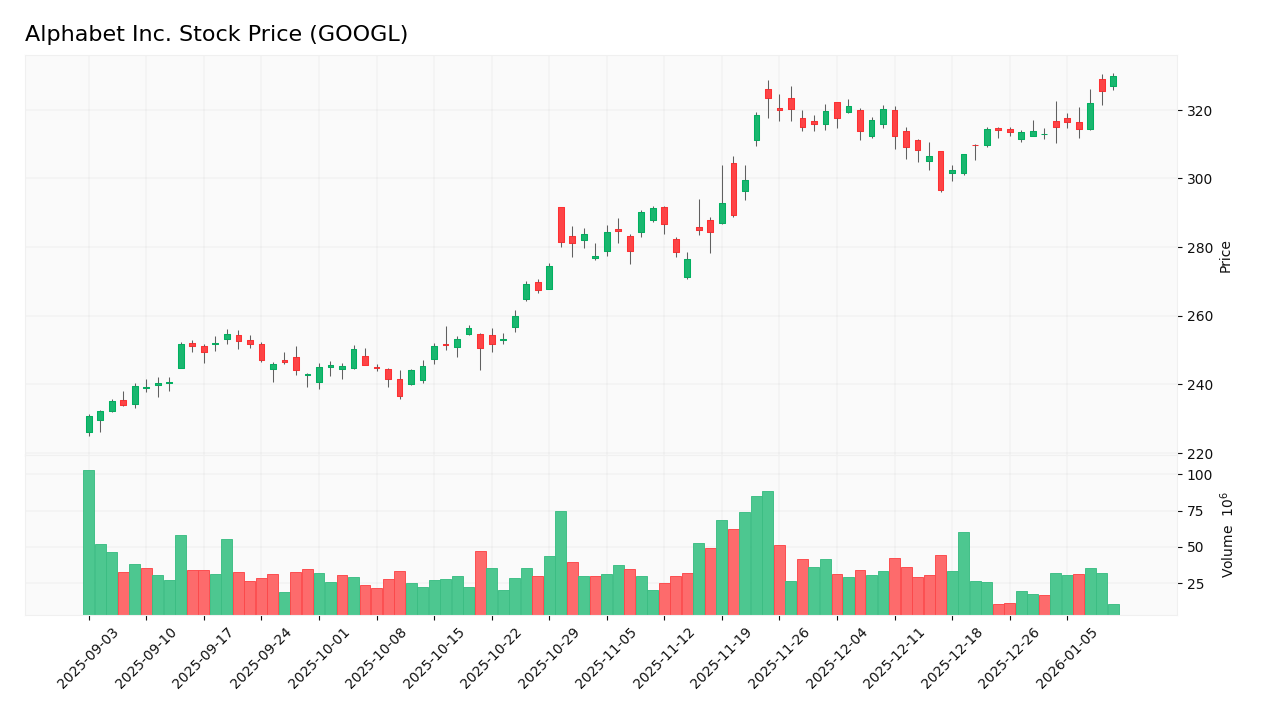
    • Options markets suggest Alphabet stock could move more than 5% after earnings, with a potential range of roughly $328 to $362 from a recent close near $344. This reflects typical big-tech volatility, though actual moves can be higher or lower.
    • Consensus forecasts show adjusted EPS around $3.09 (up over 20% year-on-year) and revenue near $111.4 billion (up 15%), supported by strong Google Cloud and ad growth.
    • The stock has risen about 25% since the last earnings beat, and analysts remain largely bullish with an average price target of $350 (some up to $400+).
    • The 2026 global economy looks steady, with the IMF projecting 3.3% growth, benefiting tech firms like Alphabet amid AI investments.
    • Key watchpoints include AI progress (Gemini), cloud capacity, 2026 capital spending, and any Apple partnership updates – a strong report could drive new highs, while high expectations carry risks of disappointment.


    Earnings Date and Overview

    Alphabet reports Q4 2025 results after US markets close on Wednesday, 4 February 2026, with the conference call at 4:30 PM ET.


    How the Expected Move Is Calculated

    The figure comes from options pricing (straddles), showing what traders expect for volatility by week’s end. Current data points to >5% from a close near $345, adjusting for recent levels around $344.


    What to Watch

    Focus on AI returns, Google Cloud growth, capex guidance, and Search/AI features. With solid estimates and positive sentiment, upside seems likely if guidance impresses.


    Alphabet, the company behind Google, YouTube, Android, and Google Cloud, is one of the biggest names in tech. On 4 February 2026, after the US markets close, it will release its Q4 2025 earnings. Investors around the world – including here in Mumbai – are asking the same question: how much could the stock move? Options markets are pricing in a notable swing, more than 5%, which could see shares jump or drop significantly from their recent level around $344.

    This is not unusual for a company like Alphabet. Earnings days often bring big reactions because the results can confirm or challenge high expectations. The stock has done well lately, climbing about 25% since the previous quarter’s report in October 2025, when it beat estimates and crossed $100 billion in quarterly revenue for the first time. That rally has continued even as other tech stocks faced pressure over AI spending costs.

    Why the focus now? Alphabet is firmly positioned at the heart of the AI surge. Tools like Gemini are improving Search, helping YouTube recommendations, and powering Google Cloud services. Investors want to know if these investments are paying off or if costs will weigh on profits. The broader economy supports optimism. Global growth is forecast at 3.3% in 2026, as per the IMF, with AI and technology investment helping anchor expansion in advanced economies. In the US, resilient consumer spending and business investment aid digital advertising and cloud demand.


    But high expectations mean risks. Even solid results can lead to a sell-off if forward guidance disappoints – for example, if 2026 capital spending looks too high without clear returns. This post explains the expected move, earnings forecasts, key themes, the 2026 outlook, potential impacts, and simple strategies. Written in clear language, it draws on reliable sources to help you understand without jargon.

    Let’s start with the numbers. Analysts expect revenue of about $111.4 billion, up 15% from last year. Adjusted earnings per share are forecast at $3.09, a rise of more than 20%. These figures reflect strength in advertising (Search and YouTube) and fast-growing Google Cloud, which benefits from AI demand. Google Cloud has seen revenue climb sharply in recent years, from around $33 billion in 2023 to over $43 billion in 2024, showing the shift to cloud services.

    The options market gives a clue to volatility. Traders use straddles – buying both calls and puts – to bet on movement without picking direction. Current pricing suggests more than 5% implied move from Monday’s close just under $345, meaning a range roughly $328 on the low side to $362 on the high. This could take the stock to new highs or test recent support.

    Alphabet Stock Approaches Record Highs Amid Valuation Concerns

    Historically, Alphabet often posts 5–8% moves after earnings, with bigger swings when results surprise. In recent quarters, beats on revenue and AI optimism drove gains, while concerns over costs led to dips.

    (more…)

  • Union Pacific’s Double-Digit Earnings Bet for 2026

     Union Pacific Set for Double-Digit Earnings Boom in 2026: Why Hightower’s Stephanie Link Is Betting Big

    • Economic Tailwinds Fuel Volume Growth: A robust U.S. economy in 2026 could boost freight volumes, pushing Union Pacific’s earnings into double digits.
    • Margin Expansion Through Efficiency: Cost savings and productivity gains are set to widen margins, adding fuel to earnings acceleration.
    • Norfolk Southern Deal as a Catalyst: The $85 billion acquisition promises $2 billion in synergies, supercharging long-term profits.
    • Debt Reduction Builds Stability: Smart use of free cash flow is lowering debt, making Union Pacific a safer bet for investors.
    • Undervalued Stock with Upside: Trading at a discount, shares could deliver 20% total returns by year-end 2026.

    Imagine chugging along on a freight train, watching vast American landscapes roll by—fields of golden wheat, towering mountains, and bustling ports. That’s the world of Union Pacific, one of the biggest railroads in the U.S.But right now, the stock isn’t keeping pace with the S&P 500. Up just 5% this year, while the market soars, it feels like Union Pacific is stuck in a siding. Enter Stephanie Link, the sharp-eyed chief investment strategist at Hightower Advisors. On a recent CNBC spot, she laid it out plain: “Union Pacific will be a double-digit earnings story in 2026.”

    Why does this matter? In a world where tech stocks grab all the headlines, old-school industrials like railroads are the quiet engines of the economy. They haul everything from grain to gadgets, keeping shelves stocked and factories humming. If Link is right—and her track record suggests she knows her rails—this could mean big wins for investors eyeing steady growth without the wild swings. But let’s not jump the tracks just yet. What’s behind her bold call? A mix of economic strength, smart cost-cutting, and a massive merger that’s like adding rocket boosters to a locomotive.

    (more…)

  • Earnings Week Ahead: FDX, NKE, MU & More

     Earnings Week Ahead: FDX, NKE, MU, BB, CCL, ACN, and More – Key Insights for December 2025 Investors

    A weekly earnings calendar

    As we head into the final full trading week of 2025, the earnings spotlight shines bright on a mix of heavy hitters across logistics, retail, tech, cybersecurity, travel, and consulting. It’s that time when companies like FedEx (FDX), Nike (NKE), Micron Technology (MU), BlackBerry (BB), Carnival (CCL), and Accenture (ACN) pull back the curtain on their latest results. But it’s not just these names – we’ll also touch on standouts like Lennar (LEN), General Mills (GIS), and Paychex (PAYX). With markets jittery from year-end tax selling and holiday spending questions, this week’s reports could swing sectors from semiconductors to cruises.

    Picture this: You’re sipping your morning coffee on December 16, scrolling through headlines, and bam – Lennar’s homebuilding numbers drop, hinting at whether the housing rebound has legs amid high rates. By Thursday, it’s a frenzy with Accenture’s AI-fueled consulting update, FedEx’s parcel volumes amid peak shipping chaos, and Nike’s battle to reclaim its sneaker throne. Investors are betting big: Options traders see a 6-7% post-earnings pop or drop for many of these, per recent data from TipRanks and Zacks.

    Why does this matter now? Earnings season isn’t just about numbers; it’s a pulse-check on the economy. FedEx and Carnival could signal consumer spending health, while Micron and Accenture highlight AI’s staying power. BlackBerry’s auto software wins might tease EV trends, and Nike? Well, it’s make-or-break for their turnaround story. Over the next five days (December 16-20), expect 100+ reports, but these are the ones to watch. We’ll break it down company by company, with analyst forecasts, what to eye in the calls, and practical tips for your portfolio.

    In this guide, we’ll cover:

    • A quick earnings calendar table for at-a-glance planning.
    • Deep dives into each stock, backed by fresh stats from Yahoo Finance, Nasdaq, and Seeking Alpha.
    • Real-world examples, like how Deere’s (DE) Q4 beat last year, sparked a 10% rally on farm tech demand – a blueprint for what MU might do if HBM chips shine.
    • Pro tips: From options strategies to diversification hacks.

    Whether you’re a long-term holder eyeing dips or a trader hunting volatility, buckle up. This earnings week could set the tone for 2026’s bull run – or expose cracks. Let’s dive in.

    (more…)