Hormuz Ceasefire Fails After Night of Blasts
Cyber War to Cold Steel: The Hormuz Ceasefire Shatters
The fragile illusion of peace in the Middle East has completely vanished. Whatever shaky truce was holding the region together went up in smoke overnight as back-and-forth military operations turned a silent trade corridor into an active combat zone. This isn’t another minor border skirmish; we are looking at the most dangerous direct military escalation in years, leaving the entire region sitting on an absolute powder keg after a night of devastating air strikes and massive missile retaliation.
Midnight Blasts Rock Mainland Iran
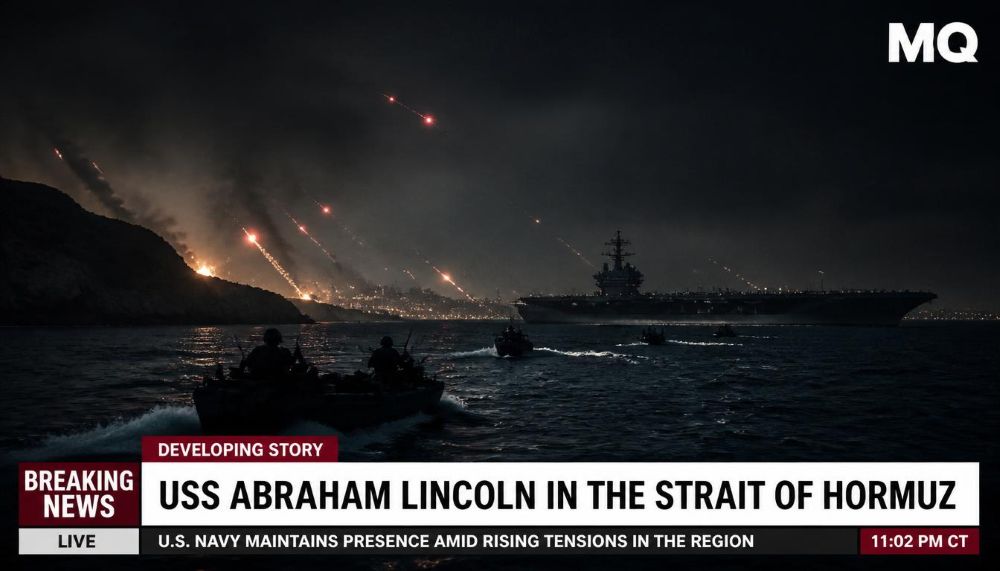
Look, the live updates coming through in the middle of the night were absolutely wild. Massive explosions ripped through mainland Iran, shattering the quiet international waterways. The heavy thuds and flashes weren’t just random border skirmishes either; we are talking about targeted hits right near the critical Strait of Hormuz.
Reports show the main impact zones hit hard were:
- Bandar Abbas: A highly strategic coastal city in southern Iran, playing a central role in the country’s naval presence and maritime trade.
- Qeshm Island: Right in the mouth of the strait.
- Southern Iran Border Zones: Where the sound of explosions echoed for miles.
US Central Command Formally Steps Up
To be fair, there was no guessing game about who was behind the triggers for long. US Central Command (CENTCOM) quickly went public, openly flexing that their forces had launched a “Series of Powerful Strikes” inside Iran.
Shortly after, Iranian officials didn’t try to hide it either. They formally acknowledged that American missiles had successfully penetrated their airspace and impacted these exact mainland sites. The shadow war is properly out in the open now.
The Shipping Lanes Flashpoint
So, why did the US go all out? Flashback just a few hours before the blasts: Iran had launched a massive wave of drones and missiles targeting three separate commercial oil tankers transiting the Strait of Hormuz. These vessels belonged to three different Arab nations:
- Qatar
- Saudi Arabia
- Dubai (UAE)
Straight up, the Arab world was fuming, even if they kept quiet at first before the US confirmed the hits. Iran’s hardline justification was simple: “If you don’t use our designated routes, you pay the price.” That direct threat to global shipping lanes is exactly what provoked the massive US air raid.
The 60-Day Oil Waiver Cancelled.
Alongside the physical bombs, Washington dealt a massive economic blow to Tehran. Just days ago, Iran had been granted a 60-day easing of sanctions (the famous License X) by the US Treasury’s Office of Foreign Assets Control, allowing it to legally trade crude oil and petrochemicals.
Brimming with anger after the tanker attacks, the US instantly revoked the waiver. Iran is now completely banned from selling oil globally again until they “learn how to behave,” locking their economy right back down.
Pounding 80 Targets Inside Iran
When CENTCOM says powerful strikes, they aren’t playing around. The US military released footage showing precision weapons completely erasing a total of 80 distinct military targets inside Iran.
The damage report includes:
- Air Defence Networks & Radar Sites: Blown apart to clear the skies.
- Command & Control Hubs: Knocked completely offline.
- Anti-Ship Missile Positions: Taken out near the coast.
- 60 IRGC Small Boats: The Islamic Revolutionary Guard Corps’ fleet of fast attack crafts in the Hormuz was heavily smashed.
Casualties have also been confirmed, with several Iranian personnel reported injured on the ground.
Trump’s Order From Turkey & The Naval Threat
Look, the politics behind this are proper crazy. US President Donald Trump didn’t even give this order from the White House—he signed off on the strikes from Turkey, where he’s currently attending a high-profile NATO summit.
While skies over Iran were choked with dozens of US naval fighter jets, the Navy’s top brass issued a massive warning. They stated that if Trump gives the nod, they are fully prepared to enforce a total naval blockade in the Gulf, completely choking off Iran’s maritime access. Meanwhile, Iranian state media is seizing on the moment to mock Trump, arguing that the U.S. is striking targets it had already claimed to have destroyed months ago.
The Spillover: Blackouts and Sirens
The chaos didn’t stay inside Iran’s borders. Nearby countries immediately started shaking from the fallout.
- Kuwait’s Blackout: In a bizarre update, Kuwait’s electricity ministry reported that multiple power stations and water supply networks abruptly failed, plunging districts into darkness and forcing them onto emergency backups without knowing how it even happened.
- Bahrain Alerts: Air raid sirens have been blaring across Bahrain through the night.
- US Casualties: The US Navy also suffered a grim blow after an emergency helicopter landing in the Arabian Sea left one crew member missing, who has now officially been declared dead.
Iran’s 85-Site Missile Counter-Strike
Iran didn’t just sit back and take the pounding. In an absolute frenzy, the IRGC launched a massive retaliatory wave of drones and ballistic missiles, claiming to hit 85 separate US military facilities across the region.
Their primary targets were massive:
- The US Fifth Fleet Base in Bahrain.
- Ali Al Salem Air Base in Kuwait.
Iran’s parliament speaker openly warned that the era of US bullying is dead and every single Western mistake will face a brutal response. In addition, they claim to have brought down a high-tech U.S. MQ-9 Reaper drone that was allegedly flying over Bushehr province.
The Bottom Line
The red lines have been completely obliterated. With the US Fifth Fleet targeted, Kuwait in the dark, and mainland targets smashed to bits, we are looking at an unmitigated disaster. Make sure you share this breaking update across the community so everyone gets the real, unfiltered facts. Keep us in your prayers.
Quick Breakdown: The Big Questions Answered
What actually kicked off this sudden madness in the Strait of Hormuz?
Basically, it all started when the US Treasury (OFAC) pulled the plug on Iran’s 60-day oil waiver, known as License X, which essentially broke their peace deal. Iran lost its temper and launched drone and missile strikes against three commercial tankers from Qatar, Saudi Arabia, and Dubai (UAE) because those ships ignored Iran’s designated sea routes. That single move forced the US military to jump in with a massive wave of air strikes.
Where exactly did the US drop its bombs inside Iran?
US Central Command (CENTCOM) didn’t hold back at all. They sent out a massive wave of heavy air strikes that wiped out more than 80 different military positions. The worst of the damage happened right down in Southern Iran, specifically hammering coastal military setups around Bandar Abbas and all over Qeshm Island.
What did the Iranian military actually lose during those air raids?
The American bombs did a proper number on Iran’s coastal defenses. They completely smashed up their local radar systems, air defense networks, command stations, and anti-ship missile launching pads. On top of all that, the US military destroyed about 60 small, fast-attack boats belonging to the IRGC right there in the water.
How did Iran hit back after their mainland was bombed?
The IRGC didn’t just sit there; they immediately went all out with a massive counter-attack, launching 85 drones and ballistic missiles right at American bases. They went straight for the biggest US setups in the region—specifically blasting the US Fifth Fleet Base over in Bahrain and the Ali Al Salem Air Base in Kuwait. Iran is also bragging that it managed to shoot down a high-tech US MQ-9 Reaper drone flying over Bushehr.
How bad is the fallout for the other countries nearby?
The surrounding Gulf nations are getting caught right in the crossfire. Kuwait ended up facing a massive, unexpected blackout when its power grids and water plants suddenly shut down completely because of the explosions nearby. Meanwhile, over in Bahrain, nobody slept a wink because air raid sirens were blaring across the country the entire night.