US-Iran military escalation hits energy
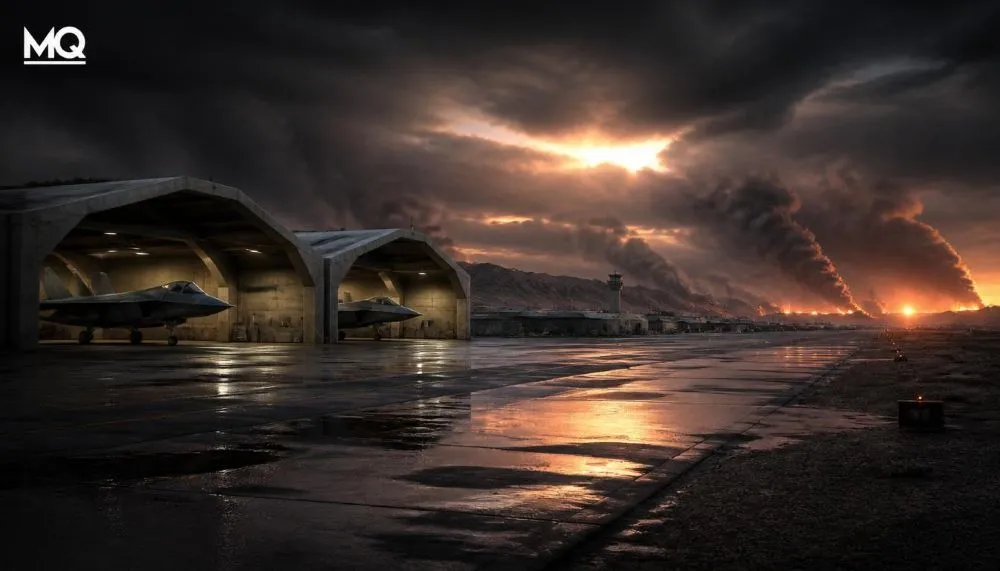
US-Iran Military Escalation: Geopolitical Realignment Accelerates Following Deep-Theatre Strikes
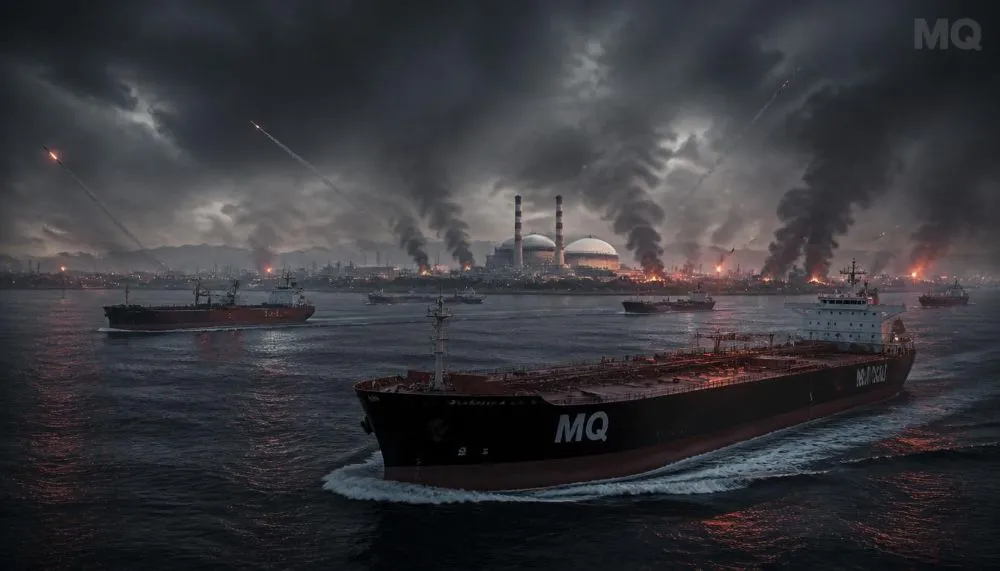
The operational parameters governing the contemporary Middle Eastern security sector underwent a fundamental structural break on July 13, 2026. While conventional diplomatic bodies call for rapid stabilization, real-time tactical dispatches indicate that both Western command structures and regional defense forces have transitioned into an unrestricted kinetic phase. The previous geopolitical assumptions that isolated maritime conflicts from mainland infrastructure have completely dissolved over a forty-eight-hour window. Strategic planning centers from London to Washington are now forced to quantify the systemic fallout of sustained inner-theatre military strikes directly intersecting with crucial transnational supply routes. This crisis has surpassed localized proxy engagement, transforming the entire regional corridor into a highly volatile, active combat zone.
US-Iran Military Escalation: The Deterrence Paradigm Shifts
The military doctrine emerging from official strategic centers marks a total departure from historic defensive rules of engagement. Security analysts across the international space are closely evaluating proposals floated by former top U.S. commanders suggesting that Washington consider the physical seizure of Iran’s primary oil-export hub, Kharg Island, to establish absolute operational leverage. This aggressive strategic framework represents a raw, calculated recalculation following sweeping Western airstrikes targeting roughly 140 distinct infrastructure points inside sovereign territory. The scale of this response signals a definitive shift from containment to active dismantling of regional strike capabilities.
When Western military strategists openly debate the permanent capture and holding of primary economic infrastructure, the baseline threshold for international escalation alters permanently. This perspective completely upends prior diplomatic understandings regarding territorial sovereignty in the Gulf. It sends an unmistakable warning to regional command hubs: continued operations against commercial transport vessels will trigger immediate, grand-scale asymmetric counter-strikes designed to strip away economic survival assets, altering the traditional power grid of the region overnight.
US-Iran Military Escalation: Mapping the Spatial Spillover
The tactical situation is becoming increasingly complex by the hour, with developments now extending far beyond the maritime corridors that support commercial shipping. The current theatre of operations has officially expanded across multiple sovereign territories simultaneously, proving that no country bordering the primary logistics routes remains insulated from the physical fallout.
- The Kuwaiti Port Vulnerability: Damaging field dispatches from Port Shuaiba in Kuwait have confirmed a devastating drone strike that resulted in the deaths of six U.S. service members. Internal military survivors have publicly indicated that command hierarchies repeatedly ignored actionable early warnings regarding low-altitude aerial threats, igniting severe domestic accountability debates within Washington.
- The Jordanian Airbase Sabotage: Deep-theatre strikes conducted by regional defense wings have heavily impacted Western military assets positioned outside the immediate Gulf zone. Aerial intelligence confirmed that primary fuel depots and critical missile storage facilities were set completely ablaze at Jordan’s Prince Hassan Air Base, severely limiting immediate logistics support and regional air defense interception capabilities.
- The Mainland Iranian Counter-Strikes: Reciprocal kinetic activity has struck localized utility networks. Verified reports of casualties following targeted Western airstrikes on an agricultural water-pumping facility in the Mashahr region of southwestern Iran illustrate that civilian utility infrastructure is now increasingly exposed to the direct effects of tactical operations.
The Western Command Ground-Invasion Strategy
Assessments from specialized regional think tanks suggest that strategic attention is increasingly moving beyond maritime deterrence toward contingency planning for potential mainland operations. Security experts assess that recent deep-theatre strikes may be part of a broader campaign to shape the operational environment ahead of a potential ground offensive.
Tactical paths are being systematically carved out by neutralizing targeted coastal defense batteries, oil processing infrastructures, and southern regional bases to position Washington as the absolute authority in the Middle Eastern theatre. However, commercial logistics stakeholders are making operational decisions now instead of waiting for the outcome of these operations. With combat aviation assets operating continuously across international borders, global trade networks are facing immediate, severe adjustments that cannot be smoothed over by official Defense Department communiqués.
The Paradox of Containment Assessment
Current assessments reportedly emerging from high-level defense consultations in Jerusalem present one of the more complex and potentially consequential dimensions of the crisis. Security planners indicate that despite the sweeping execution of deep-theatre strikes, the primary command structure in Tehran currently maintains no immediate intention of launching direct military salvos against domestic population centers or critical civilian infrastructures.
This behavior points directly to a calculated strategic pause rather than an absolute de-escalation. It represents a deliberate attempt to keep the current conflict contained within military and economic asset boundaries, preventing the confrontation from cascading into a total, uncontainable regional war. Nevertheless, the margin for miscalculation has effectively reached zero, as the structural realities of the conflict continue to drive immediate, irreversible realignments across global commodity networks.
Deep-Dive Analysis: Frequently Asked Questions
Q1: What specific incident catalyzed the current round of sweeping airstrikes?
The immediate tactical trigger for the current escalation occurred following a series of aggressive operations targeting commercial merchant shipping within the narrow corridors of the Strait of Hormuz. In direct response, Western military assets executed coordinated, large-scale aerial campaigns hitting approximately 140 distinct targets inside sovereign territory, completely shifting the conflict from a localized maritime dispute to a broad, multi-front military confrontation.
Q2: Why is the proposed seizure of Kharg Island considered a critical leverage point?
The leverage is rooted entirely in physical economic vulnerability. Kharg Island serves as the absolute primary oil-export hub for the regional economy. By floating the potential seizure of this singular asset, international military strategists aim to establish total economic leverage, effectively holding the nation’s primary revenue generation mechanism captive to halt further operations against global supply chains without relying solely on conventional trade sanctions.
Q3: What were the direct consequences of the recent drone strike on Port Shuaiba?
The kinetic penetration of Port Shuaiba in Kuwait resulted in the confirmed deaths of six U.S. military personnel and multiple injuries. The incident has triggered significant internal controversy, as survivors from the facility documented that high-level defense generals repeatedly dismissed clear intelligence and warnings regarding an impending low-altitude drone threat, raising severe questions regarding operational readiness.
Q4: How are global energy markets responding to the renewed military actions?
International energy networks have reacted with immediate, high-velocity adjustments. Global benchmark crude oil prices surged sharply by more than 4% in early trading sessions immediately following the launch of the new wave of strikes. This rapid price spike reflects deep anxieties across corporate trading boards regarding the total closure of the Strait of Hormuz and sustained threats to production facilities across the wider Middle Eastern corridor.
Q5: What is the current strategic assessment regarding a potential ground invasion?
Prominent regional security experts have stated that the highly precise nature of the current Western strikes—focusing heavily on cutting off southern regional military command points, coastal radar arrays, and critical fuel infrastructures—is intentionally clearing the path for a potential ground invasion. The long-term objective appears to center on completely neutralizing forward defensive assets to secure absolute operational control over the entire energy transit zone.