Look, trying to keep track of this latest Iran war update right now is proper chaotic, and you only need to scroll through the news over the last twenty-four hours to understand how rapidly developments across the Middle East are pushing the region toward a wider escalation. Honestly, between Washington considering major troop pullbacks from Gulf bases, Tehran threatening strikes against Western facilities across Europe, Trump launching an unprecedented economic offensive, and naval showdowns blocking merchant corridors, the entire theatre is on a knife-edge.
Iran Threatens NPT Exit as US Launches Economic D-Day
The political confrontation between Washington and Tehran reached a major boiling point. Through official announcements, the Trump administration launched what it termed an “Economic D-Day“, rolling out an aggressive secondary sanctions framework designed to push for systemic economic collapse. The measures explicitly threaten third-party nations, foreign commercial banks, and shipping registries with massive economic penalties if they facilitate Iranian commerce or provide trade lifelines.
Tehran moved immediately to counter the economic offensive with strategic threats. Over on social media, Iranian MP Ebrahim Rezaei made it clear that walking away from the Nuclear Non-Proliferation Treaty (NPT) is Tehran’s sharpest weapon against these new sanctions. Iranian Foreign Minister Abbas Araghchi called out Washington’s move by pointing straight to The New York Times reporting on the US national debt passing $40 trillion, arguing the White House is merely using sanctions to distract from its own ballooning interest costs. Meanwhile, Iranian diplomats branded the whole economic campaign as outright financial aggression, with Kazem Gharibabadi mocking Washington for pleading with regional allies for help while insisting Iran is ready to fall apart.
US Aircraft Carrier Departs Gulf as European Bases Face Warnings
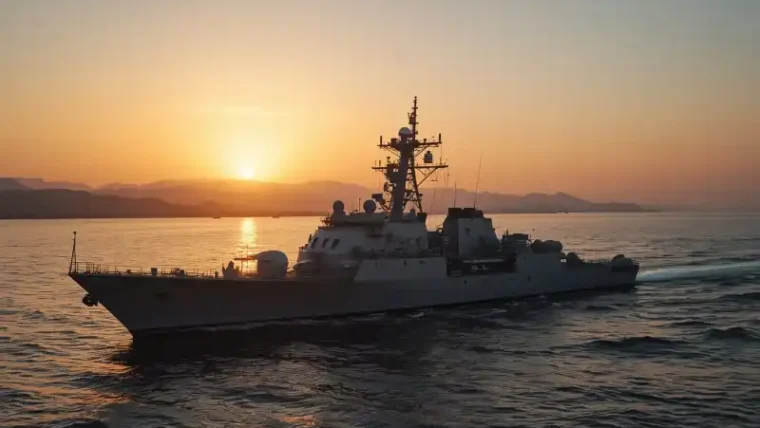
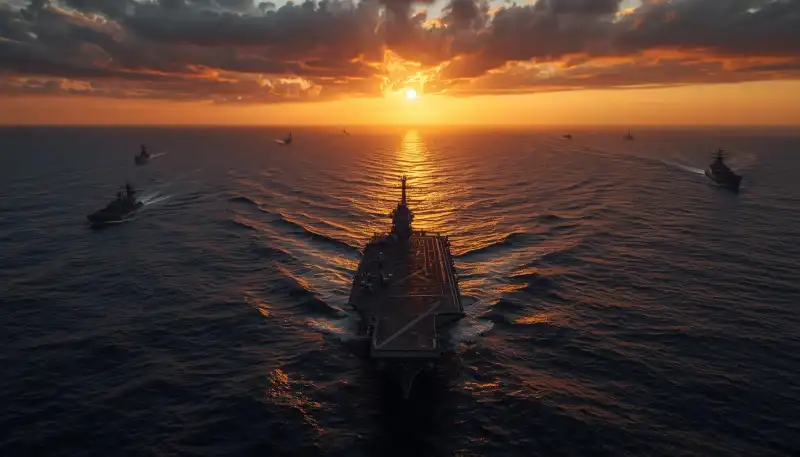
Military postures across key waterways are undergoing significant operational shifts. Out in the Gulf, the USS Abraham Lincoln has finally turned back towards San Diego after a gruelling nine-month mission in Middle Eastern waters. At the same time, reports from The Times of Israel reveal the Pentagon is genuinely looking at pulling back troops from forward installations in Kuwait, Bahrain, Qatar, and the UAE, largely because Iranian strikes left those bases heavily battered, with plans instead to station forces deeper inside Saudi Arabia and Israel.
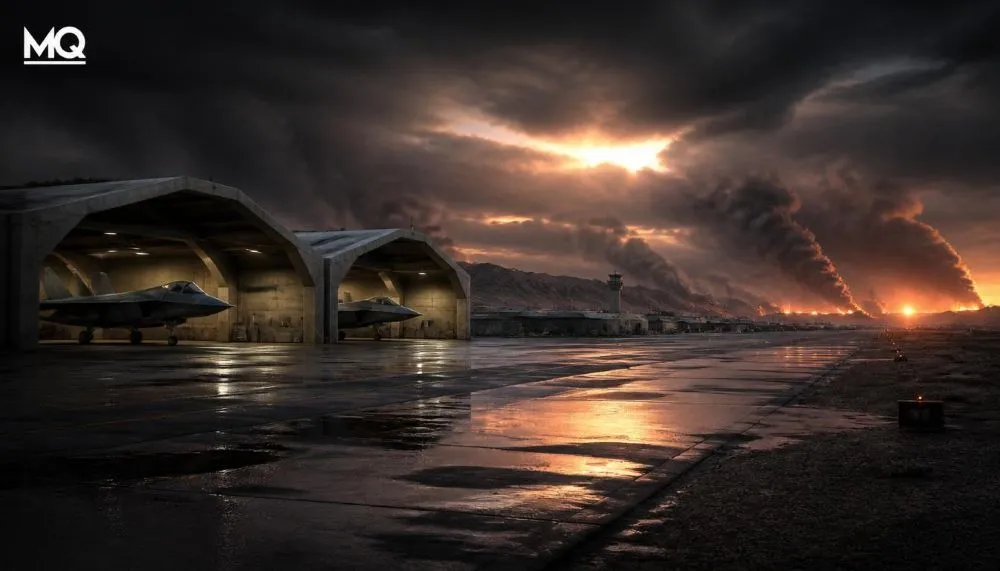
At the same time, the geographic reach of prospective strikes expanded toward Europe. Investigative reporting from the Financial Times revealed Iranian defence chiefs are looking at potential hits on American-linked military hubs in Europe, particularly zeroing in on RAF Akrotiri in Cyprus and forward airfields in south-eastern Europe. This prompted NATO to announce it is fully prepared to protect every inch of alliance airspace, while Bulgarian defence units moved swiftly to lock down and fortify Bezmer Air Base. To top it off, Major General Ali Abdollahi warned neighbouring Gulf nations that letting US refuelling planes or fighter jets use their territory will be treated as an act of war against Iran.
Hormuz Shipping Bypass, Blockade Interceptions, and Energy Market Friction
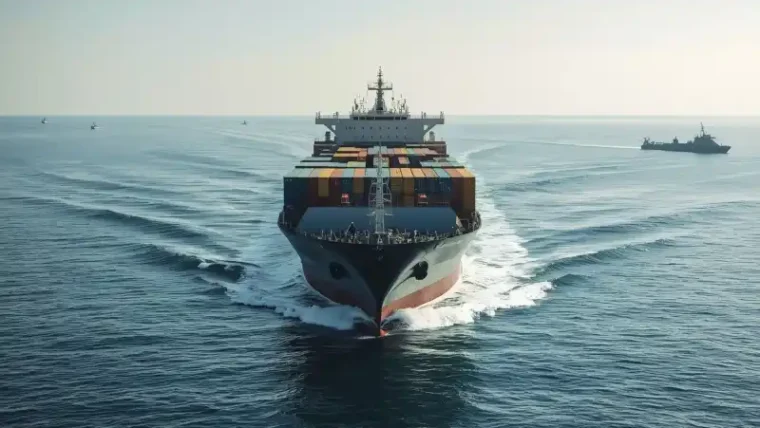
The naval contest across Gulf energy corridors remains fiercely disputed. Al Arabiya English reported that US forces established a transit corridor to manage up to 10 million barrels of crude oil per day via alternative bypass routes and naval escorts, with US Central Command confirming to Al Jazeera that over 1,300 ships have transited Hormuz under escort since May.
However, American naval patrols have actively turned away 67 commercial cargo vessels trying to reach or leave Iranian docks since July. Out on the water, relentless drone sightings and patrol-boat standoffs are pushing US military nerves to the limit while sending marine insurance costs through the roof, as noted by The Wall Street Journal. To soften rising fuel costs at home, The Washington Times reported the US Environmental Protection Agency (EPA) issued an emergency early waiver on summer-blend fuel rules. Internationally, Bloomberg reported that Chinese officials dismissed the effectiveness of US economic warfare against Iran, while Al Jazeera revealed Tajikistan requested 2.5 million tonnes of fuel products from Tehran. Additionally, TIME and Anadolu Agency confirmed that the UAE officially halted all commercial trade, shipping links, and financial transactions with Iran, marking a sharp break from prior diplomatic engagements, as detailed in our analysis of the UAE-Iran settlement and regional trade dynamics.
Israeli Strikes on Syria Airbase, Turkish Rhetoric, and Somali Piracy
Regional flashpoints flared rapidly along the northern and southern maritime corridors. Fighter jets from Tel Aviv dropped five missiles right onto the main strip at Abu al-Duhur airbase in Idlib, with Israeli Defence Minister Israel Katz publicly warning Turkish President Erdogan against military moves in Syria. Ankara flatly denied having any troops on the airfield, while former Israeli Prime Minister Ehud Barak openly slammed the operation as reckless behaviour that needlessly rattles regional partners.
Down off the Horn of Africa, Somali pirates jumped the Cameroon-flagged cargo ship M/V LUTUF off the coast of Puntland, taking ten crew members hostage—including six Indian sailors—whilst the vessel was hauling Turkish military hardware, according to reports from India Today and the Associated Press.
Frequently Asked Questions
Why is Iran threatening to exit the Nuclear Non-Proliferation Treaty (NPT)? Iranian lawmakers stated that tearing up the NPT agreement gives Tehran the ultimate leverage against Washington’s crushing secondary economic sanctions.
What changes are occurring with US military deployments in the Middle East? The USS Abraham Lincoln is sailing home after nine months, while the Pentagon is reviewing plans to pull troops back from battered forward Gulf bases toward safer ground in Saudi Arabia and Israel.
How did NATO respond to Iranian threats against European bases? NATO leadership put defensive units on standby across member states after reports surfaced that Iranian planners were eyeing military hubs in Cyprus and Bulgaria.
What is the capacity of the US-secured Hormuz shipping route? US Central Command and maritime trackers confirmed the bypass channel moves roughly 10 million barrels of crude oil a day, escorting over 1,300 vessels since May.
What happened during the Israeli airstrike in northern Syria? Israeli jets pounded the tarmac at Abu al-Duhur airbase in Idlib, sparking fierce diplomatic arguments with Ankara over claims of Turkish military hardware at the site.
Why was the cargo ship M/V LUTUF hijacked off Somalia? Armed Somali pirates boarded and seized the cargo vessel carrying Turkish defence equipment near Puntland, capturing ten crew members, including six Indian nationals.