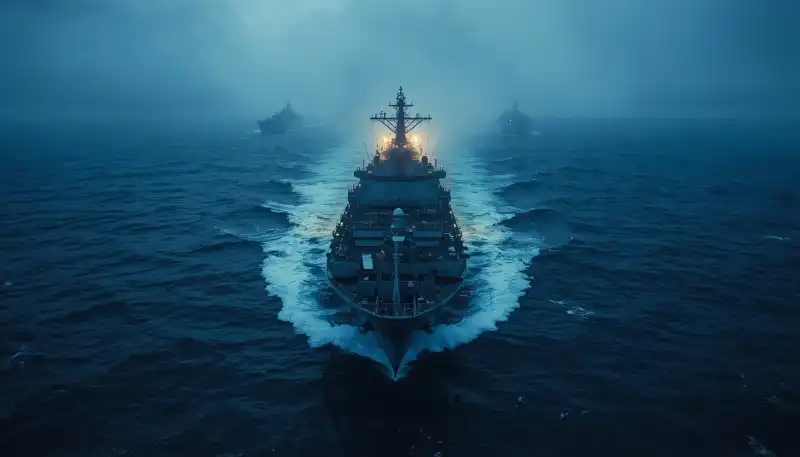
Look, trying to keep track of this latest Iran war update right now is proper chaotic, and you only need to scroll through the news from 20 August 2026 to see how fast this regional confrontation is widening into a multi-front crisis. Between Tehran warning it could hit Western military facilities in Europe, Donald Trump rolling out an aggressive economic embargo, naval blockades diverting scores of merchant ships around the Strait of Hormuz, and legal battles erupting over wartime reports, things are escalating at an alarming pace.
Iran Weighs Strikes on European Bases as NATO Prepares Defences
The geographic reach of the conflict threatens to expand well beyond the Middle East. According to an investigative dispatch from the Financial Times, Iranian defence officials are actively examining plans to target American military sites in Europe if Washington expands direct combat operations. Western security analysts noted that RAF Akrotiri in Cyprus—which was hit by a long-range drone earlier in the campaign—alongside strategic aviation hubs in south-eastern Europe are being viewed by Tehran as accessible operational targets.
The prospect of drone or ballistic missile strikes reaching Mediterranean and European territory prompted swift allied reactions. Al Jazeera reported that NATO declared it is fully prepared to defend its member states and will deploy the necessary defensive assets to secure regional airspace. At the same time, Anadolu Agency confirmed Bulgarian defence officials stepped up protective measures and perimeter security around Bezmer Air Base following intelligence reports regarding prospective Iranian action.
Trump Announces Economic D-Day and Freezes Bilateral Talks
Over in Washington, the White House shifted its primary strategy toward total financial isolation. Donald Trump announced on Truth Social that the administration is rolling out the most punishing economic sanctions package ever used against a foreign state, terming the aggressive push an “Economic D-Day”. The executive order warned third-party countries that any financial organisation, energy exchange, shipping registry, or front firm offering commercial assistance to Iran will face severe American trade penalties.
This economic clampdown comes as direct diplomatic talks sit completely frozen. Reports from CNN and The Times of Israel indicated the Trump administration is adopting a long-term approach of waiting Iran out, banking on severe trade strangulation to force political concessions. Allied governments moved in tandem, with L’Orient Today reporting that the British government added seven new designations to its official Iran sanctions regime to tighten financial restrictions.
Gulf Arab States Receive Tehran Warnings as UAE Freezes Trade
Regional security across the Persian Gulf reached a critical boiling point. Major General Ali Abdollahi, Chief of Staff of the Iranian Armed Forces, issued a direct warning to southern Gulf states against letting American combat or refuelling aircraft operate from their territory, stating that providing military facilities to US forces is equivalent to joining direct hostilities against Iran.
Meanwhile, regional commercial relationships fractured further. TIME and Anadolu Agency reported that the United Arab Emirates officially suspended all trade transactions, commercial exchanges, and shipping connections with Tehran after offshore missile incidents. This sudden economic freeze marks a sharp reversal from earlier efforts covered in our detailed analysis of the UAE-Iran settlement and regional trade dynamics. UAE Presidential Adviser Anwar Gargash pushed back against claims that Abu Dhabi extended covert financial facilities to Tehran, dismissing such reports as media campaigns designed to stir diplomatic division.
Hormuz Shipping Bypass, Blockade Interceptions, and Tanker Risks
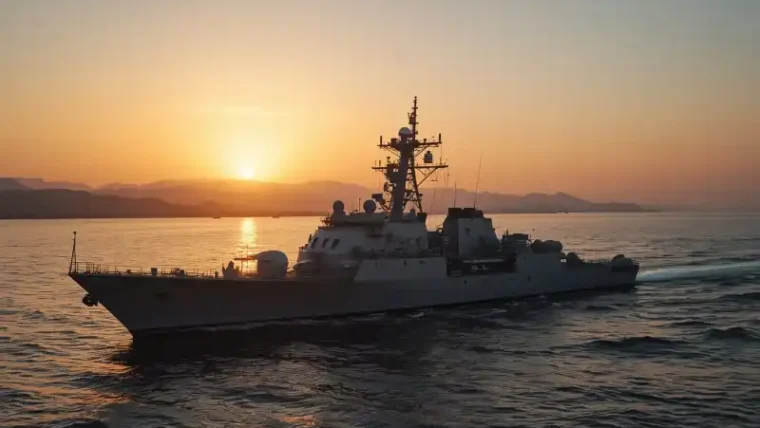
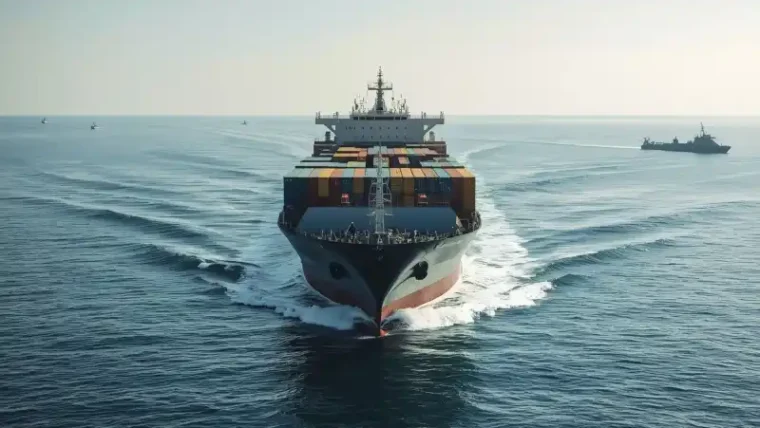
The maritime tug-of-war across Gulf energy corridors remains fiercely contested. Al Arabiya English reported that US naval forces set up a maritime transit route handling up to 10 million barrels of crude oil per day by relying on overland pipeline bypasses and escorted naval convoys. The initiative aims to protect critical energy exports despite persistent attacks on commercial vessels in the narrows.
Enforcement actions along the water have climbed sharply. CBS News reported American naval forces enforcing the maritime blockade have stopped and redirected 65 merchant vessels attempting to enter or exit Iranian harbours since July. Concurrently, The Wall Street Journal highlighted that recurring drone and fast-boat raids against commercial ships continue to test US military restraint while driving up marine insurance rates.
Azerbaijan Sues CNN and Regional Energy Diplomacy Ramps Up
Wartime media claims have triggered major cross-border legal challenges. The Denver Gazette reported the Republic of Azerbaijan filed a defamation suit against CNN in US District Court after the network broadcast reports alleging Israeli drone and commando teams operated out of clandestine installations in southern Azerbaijan to strike Iranian infrastructure. Baku rejected the claims as dangerous falsehoods that placed regional security in jeopardy.
At the same time, regional powers are attempting to protect essential shipping lanes. Al Jazeera reported Saudi Foreign Minister Prince Faisal bin Farhan met his Japanese counterpart Toshimitsu Motegi to stress that keeping both the Strait of Hormuz and Bab al-Mandeb open remains a shared priority. In allied capitals, Politico reported that South Korean officials expressed frustration after Donald Trump scaled back joint military drills without extensive advance consultation.
Frozen Assets Dispute, Oil Income, and Advanced Jet Inquiries
The financial confrontation between Tehran and Western institutions remains unresolved. Al Jazeera reported that Central Bank of Iran Governor Abdolnaser Hemmati confirmed that not a single dollar of frozen overseas assets has been released despite earlier understandings. Nevertheless, Middle East Eye reported official trade figures showing Iran secured $7.5 billion in oil export earnings during the first four months of 2026 by leveraging alternative distribution channels.
Looking toward long-term air capabilities, The Jerusalem Post reported Israel formally asked the Pentagon for technical data on America’s experimental sixth-generation F-47 fighter jet, seeking to evaluate the stealth aircraft for future integration into the Israeli Air Force.
Frequently Asked Questions
Why is Iran considering targeting military installations in Europe?
The Financial Times reported Iranian defence planners are reviewing prospective strikes against American military facilities in Cyprus and Bulgaria if Washington broadens the war.
How did NATO respond to Iranian strike possibilities?
Al Jazeera confirmed NATO declared complete readiness to protect allied airspace and enhance collective defensive deployments.
What measures are included in Donald Trump’s Economic D-Day?
Trump ordered sweeping secondary sanctions on global banks, maritime registries, and corporate entities facilitating Iranian trade.
Why did the UAE suspend commercial trade with Iran?
TIME reported the UAE halted bilateral trade, financial transactions, and commercial shipping ties following offshore missile alerts near the coast.
How many merchant ships were turned away by the US naval blockade?
CBS News confirmed US naval units redirected 65 merchant vessels attempting to access or depart Iranian ports.
Why did Azerbaijan take legal action against CNN?
The Denver Gazette reported that Baku filed a US defamation lawsuit after CNN claimed Israeli strike teams operated from Azerbaijani territory.