Look, trying to keep track of this latest Iran war update right now is proper chaotic, and you only need to scroll through the news from 19 August 2026 to see how quickly things are heating up across the Middle East. Honestly, between mystery missile alerts splashing down off the Emirates, Donald Trump claiming the Strait of Hormuz on social media, high-level diplomatic flights heading into Iraq, and diplomats getting kicked out of France, the whole place feels like a tinderbox.
UAE Missile Alerts, False-Flag Claims, and Regional Security
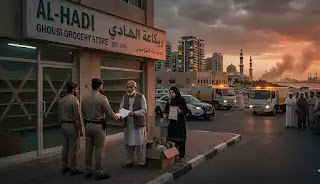
Gulf airspace turned properly dodgy overnight following sudden radar contacts. Euronews reported that authorities across the United Arab Emirates detected two incoming ballistic missiles near the coastline, triggering emergency sirens and alert systems that had remained quiet for months. Straight up, official tracking confirmed that one missile dropped harmlessly into international waters, while the second splashed into the sea just inside Emirati territorial limits without damaging infrastructure or causing casualties onshore.
Tehran moved immediately to push back against the allegations. Iranian military officials and state media networks completely rejected claims that Iranian units fired any munitions toward the Emirates. Independent defence analysts and regional commentators pointed out that the entire episode looks like a calculated false-flag stunt orchestrated to derail delicate backdoor mediation and force regional states into a wider confrontation.
Caspian Logistics, Russian Arms Supplies, and Sanction Workarounds
Away from the maritime flashpoints in the south, alternative supply routes are quietly moving essential military hardware. Western intelligence tracking covered by NBC and the Financial Times confirmed Russia is regularly transporting industrial machinery, electronic guidance kits, and drone parts straight across the Caspian Sea into northern Iranian port hubs like Bandar Anzali.
Because the Caspian Sea remains an inland waterway bordered exclusively by littoral nations including Russia, Iran, Kazakhstan, Turkmenistan, and Azerbaijan, it operates outside the jurisdiction of international maritime law. This unique geography ensures Western naval warships cannot intercept cargo vessels, effectively securing a reliable logistical corridor for Iranian defence industries despite extensive maritime blockades across southern waters.
Trump’s Hormuz Claims, Iranian Rebuttals, and Social Media Clashes
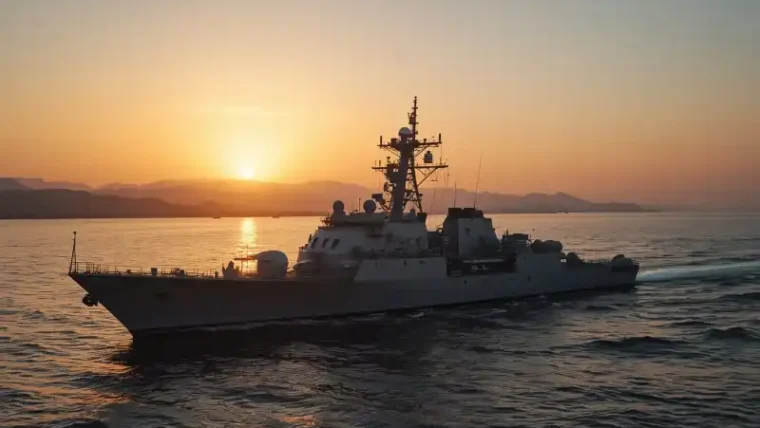
The public war of words between Washington and Tehran has got properly sharp across digital channels. Donald Trump posted online asserting that the Strait of Hormuz is operating under total US naval control and that all maritime mine hazards have been detonated or removed, even sharing maps branding the strategic waterway as new American territory.
Tehran did not let the online claims slide. Iranian diplomat Kazem Gharibabadi shot back publicly on social media, stating that American officials are trapped in outright delusions over who actually runs the waterway and warning that regional realities will soon correct those claims. Observers noted growing domestic scepticism within Washington, with recent US polling figures showing public approval for Trump’s foreign policy approach dropping near 33%.
Ghalibaf’s Strategic Trip to Iraq, Shrine Visits, and Nuclear Rumours
Meanwhile, Iranian officials are working regional backdoors hard. Al Jazeera and Anadolu Agency reported that Iranian Parliament Speaker Mohammad Bagher Ghalibaf arrived in Baghdad to begin a three-day official tour with scheduled meetings across Karbala and Najaf to coordinate security frameworks. Ghalibaf publicly warned that Washington cannot squeeze extra unilateral concessions out of Tehran through economic pressure, particularly targeting US Treasury and defence officials.
During the visit, Iranian officials also dismissed persistent social media speculation regarding nuclear weapons programmes. Military spokespeople reiterated that Iran’s strategic defence relies on conventional ballistic missile stockpiles, widespread drone fleets, and geographic control over Hormuz, rather than nuclear arms, honouring established religious rulings against weapons of mass destruction.
Domestic Food Silos, Energy Resilience, and Fuel Smuggling Busts
On the home front, Iranian authorities sought to reassure the public regarding economic stability. Al Mayadeen English reported statements from Iran’s Agriculture Minister confirming that national grain silos and strategic food reserves remain completely untouched despite strict trade embargos and Western blockades.
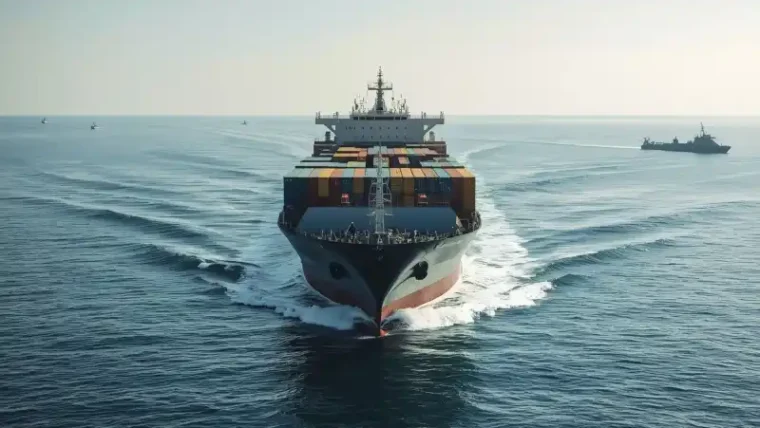
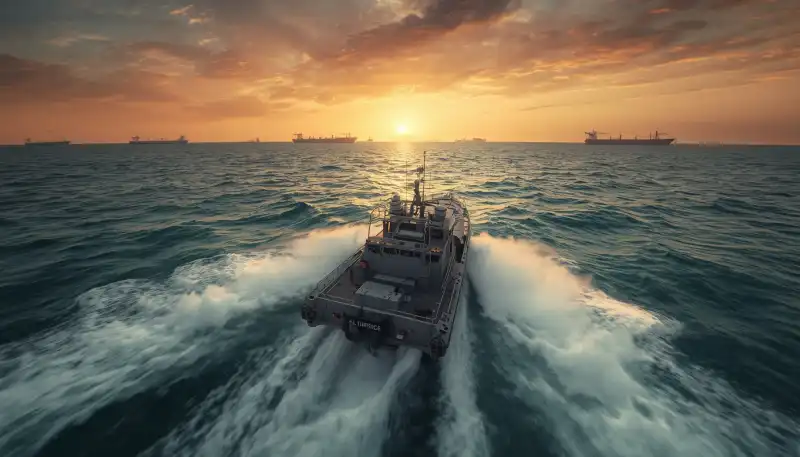
Down on the water, Iranian coastal patrols are maintaining tight physical control over commercial lanes. The Cradle reported that Iranian naval border guards operating out of the Minab base stopped five small craft near the Sirik coastline and confiscated 3,400 litres of smuggled diesel fuel. With security risks mounting, major international container lines, including top Chinese freight firms, have actively diverted their vessels away from both Hormuz and the southern Red Sea.
Araghchi Takes Aim, Diplomatic Rows with France, and Omani Mediation
Diplomatic tempers are boiling over across several foreign capitals. Iranian Foreign Minister Abbas Araghchi delivered a sharp address, pointing out that Western powers who initially demanded unconditional surrender are now practically begging for mediated negotiations. Araghchi blamed outside pushback from Israeli leadership for sabotaging potential ceasefire deals, stressing that Tehran is only interested in a permanent peace rather than temporary pauses.
Down in the Gulf, Euronews reported that Qatar repatriated the remains of a fallen Iranian military pilot to Tehran, though officials in Doha strongly denied claims they are holding three other surviving pilots. Up in Europe, French Foreign Minister Jean-Noël Barrot announced France is expelling two Iranian diplomats following disputes over earlier assaults on French staff in Tehran, leaving relations between the two countries on very thin ice.
Muscat is also feeling severe diplomatic heat over its role as a middleman. CBS News reported that US officials issued stern warnings to Oman regarding its independent talks with Tehran over joint traffic management and voluntary passage fees for Hormuz, making it obvious Washington is furious about regional deals being struck without its approval.
Frequently Asked Questions
What happened with the offshore missile alert in the UAE? Euronews confirmed two missiles dropped into the sea near the Emirati coastline, with Iranian authorities officially denying any involvement in the incident.
Why did Mohammad Bagher Ghalibaf travel to Iraq? Al Jazeera reported the Iranian Parliament Speaker travelled to Baghdad, Karbala, and Najaf for three days of high-level regional security consultations.
How is Russia transporting equipment to Iran? Western reports confirm Russia is moving industrial and drone equipment across the Caspian Sea, an inland route completely inaccessible to Western naval warships.
Why did France expel Iranian diplomatic staff? French Foreign Minister Jean-Noël Barrot confirmed two diplomats were expelled following serious diplomatic friction over previous assaults on French envoys.
What was intercepted near the Sirik coastline? The Cradle reported that Iranian border guards detained five boats carrying 3,400 litres of smuggled diesel fuel in coastal waters.
Why is Washington raising objections to Omani mediation? CBS News revealed that US officials warned Muscat against negotiating independent maritime transit and fee agreements for Hormuz directly with Tehran.