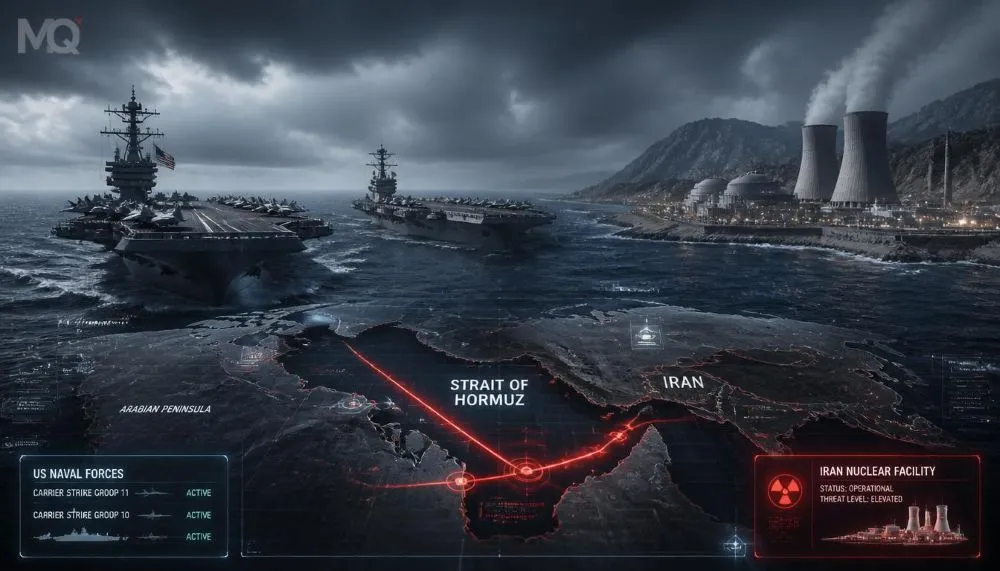
Iran-US Tensions: Qatar Mediates, Houthi Pipeline Attacks
- Iran-US Tensions: Qatar Mediates, Houthi Pipeline Attacks: Parliament Speaker Hits Back at US Propaganda, Qatar Mediates Talks, and Regional Fronts Escalate
- Iran Rejects US Media Claims and Responds to Strategic Pressures
- Diplomatic Mediation by Qatar and Regional Military Maneuvers
- Domestic Unrest, Healthcare Strains, and Technological Disruptions
- Frequently Asked Questions
Iran-US Tensions: Qatar Mediates, Houthi Pipeline Attacks: Parliament Speaker Hits Back at US Propaganda, Qatar Mediates Talks, and Regional Fronts Escalate
Regional tensions across the Middle East have taken a dramatic turn as diplomatic friction and military maneuvers intensify simultaneously across multiple fronts. According to recent reports, Iran-US Tensions: Qatar Mediates, Houthi Pipeline Attacks developments highlight that Iranian leadership has forcefully pushed back against recent foreign media reports regarding military infrastructure, while international mediators work frantically to prevent a broader escalation. Readers tracking daily international developments can explore our full regional archive at marqzy.in/middle-east-updates/.
Iran Rejects US Media Claims and Responds to Strategic Pressures
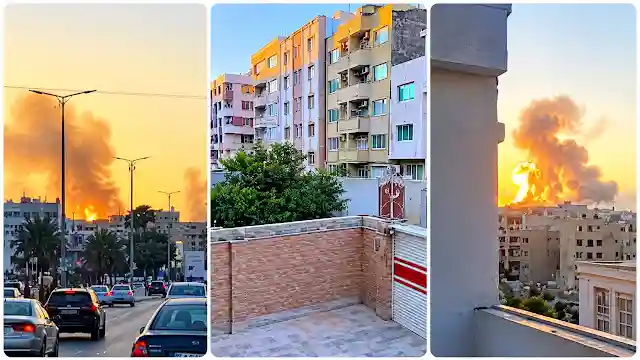
Following intense diplomatic friction, Iranian Parliament Speaker Mohammad Bagher Qalibaf publicly addressed reports circulating in Western outlets (such as the New York Times and CNN) claiming that regional water dams and civilian infrastructure are being utilized for underground missile programs. Dismissing the claims as fabricated propaganda designed to justify potential future strikes on civilian assets, Iranian officials warned that rules of engagement would be applied with strict reciprocity regarding any infrastructure situated near foreign military bases.
Concurrently, Iranian Foreign Minister Seyed Abbas Araghchi strongly condemned allegations regarding potential chemical or dirty bomb threats inside Western capitals, labeling the narratives as recycled, “Iraq War-style propaganda” orchestrated to manipulate public opinion. Political analysts and opposition figures in Israel have similarly noted domestic pressures facing Prime Minister Benjamin Netanyahu, with critics warning that escalating hostilities with Tehran are being leveraged to secure political survival.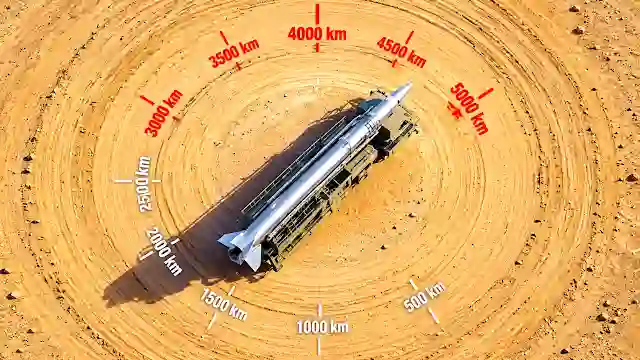
Diplomatic Mediation by Qatar and Regional Military Maneuvers
In an effort to de-escalate the mounting crisis, diplomatic channels remain active. Qatar has stepped forward to facilitate renewed dialogue, hosting meetings with Iranian delegations to bridge strategic gaps between Tehran and Washington. Meanwhile, regional security has been tested further as military postures tighten across maritime routes.
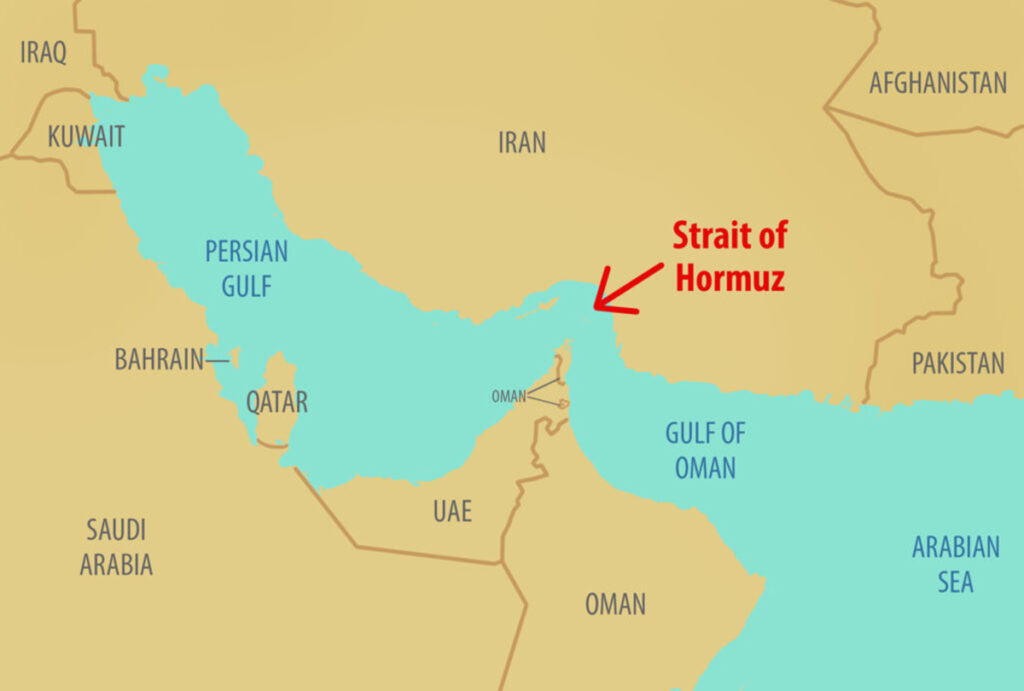
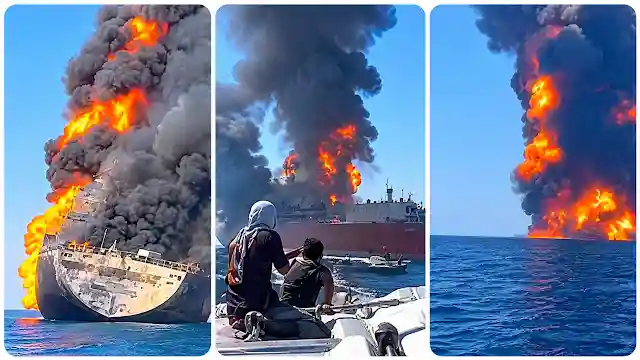
Recent maritime incidents have drawn international concern, including India’s Ministry of External Affairs issuing an official condemnation following an attack on the Panama-flagged LPG tanker MT Tara Gas in the Strait of Hormuz, where swift coordination ensured the safe evacuation of Indian crew members. In Yemen, Houthi forces claimed responsibility for drone strikes targeting key pumping stations along Saudi Arabia’s East-West oil pipeline, bypassing traditional maritime choke points and altering energy transit safety calculations.
Domestic Unrest, Healthcare Strains, and Technological Disruptions
Beyond active combat zones, internal stability and infrastructure face severe tests:
- Healthcare Strain in Israel: Medical leaders at recent healthcare conferences warned that domestic hospitals remain inadequately protected against advanced missile threats and lack comprehensive surge capacities for prolonged multi-front conflicts.
- Bahrain Judicial Controversies: Regional reactions flared following harsh life sentences handed down to Shia scholars and citizens in Bahrain, drawing sharp condemnation from Tehran and protests outside diplomatic missions.
- Global Tech and Security Glitches: Concurrently, global digital infrastructure experienced jitters following reported outages affecting Apple services (iCloud and App Store) alongside routine maintenance statements from the National Security Agency (NSA), highlighting the heavy modern reliance on interconnected digital systems.
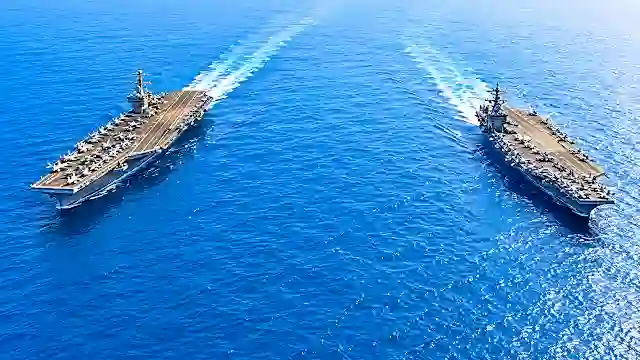
As military commanders from the US Central Command (CENTCOM) coordinate closely with regional allies, public opinion surveys across Western nations indicate growing fatigue and low public support for prolonged military engagements in the region. Observers continue to monitor diplomatic overtures closely as the situation hangs in a delicate balance.
Frequently Asked Questions
How did Iranian officials respond to reports regarding missile sites near dams?
Iranian Parliament Speaker Mohammad Bagher Qalibaf dismissed the reports as Western propaganda and stated that rules of engagement would be applied reciprocally to any infrastructure near foreign military bases.
What role is Qatar playing in the current Middle East tensions?
Qatar has actively engaged in diplomatic mediation efforts, hosting meetings with Iranian delegations to help narrow strategic gaps and ease tensions between Tehran and Washington.
What was India’s response to the maritime incident in the Strait of Hormuz?
India’s Ministry of External Affairs officially condemned the attack on the LPG tanker MT Tara Gas and coordinated the safe evacuation of its national crew members.
How are regional health systems preparing for potential conflicts?
Medical leaders in Israel have warned that domestic healthcare facilities and hospitals remain inadequately prepared and lack comprehensive protection against heavy missile threats.