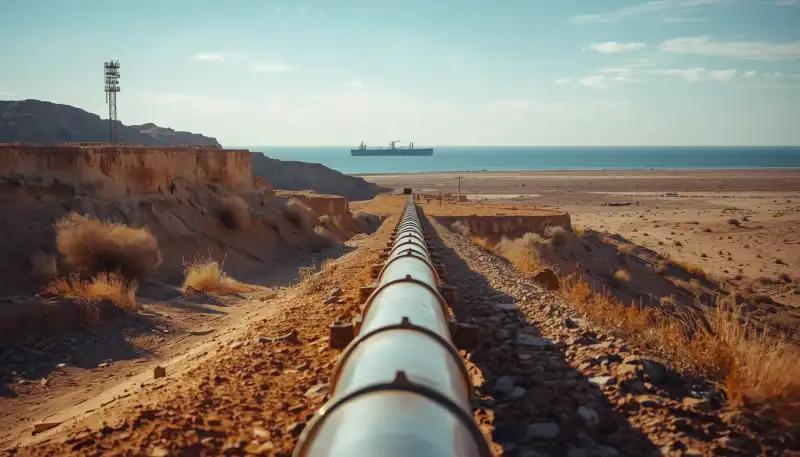
Red Sea Standoff: Saudi Oil Output Plunges, Pipeline Sabotage, and Deepening Fuel Alarm
Sitting down with the news on 21 September 2026, it felt like watching another crack spread across international energy markets. Look, with Saudi crude output at a 30-year low, key bypass pipelines taking direct hits, and European leaders sweating over winter gas supplies, the Red Sea standoff is getting out of hand. When strategic export routes choke on both sides of the peninsula, ordinary working people end up paying the price at the petrol pump.
Plunging Crude Output and Frontline Retaliation
Straight up, the security situation across the Arabian Peninsula has hit a critical breaking point:
Saudi Arabia’s crude oil production just crashed to its lowest point in thirty years because of direct drone and missile strikes against major energy facilities (Industry Energy Despatches).
Officials in Washington issued urgent travel warnings for Americans in Taif and Yanbu, citing clear risks from cross-border aerial attacks (State Department Alerts).
Saudi fighter jets hit back hard, targeting watchtowers and telecommunication masts inside northern territories to break up operational links (Regional News Outlets).
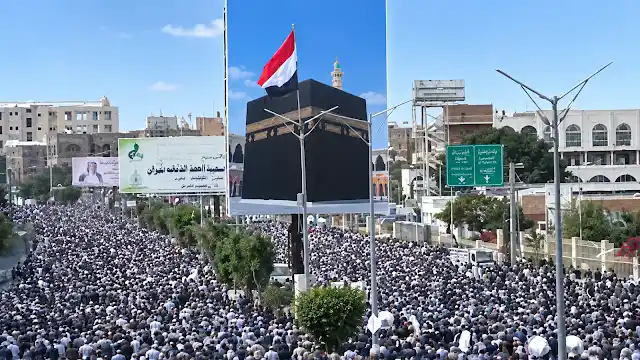
Houthi spokesmen made it clear again that their naval blockade will stop any commercial ship heading for Saudi ports through the southern Bab-el-Mandeb strait (Al Jazeera).
Unverified video clips started fresh arguments online about whether troops from South Asia have been moved in quietly to protect regional assets (Independent Feeds).
Even with guns firing, private channels stayed open to make sure Western naval vessels were not targeted directly (Press TV).
Supply Chokepoints, Pipeline Fractures, and Currency Pivots
At the same time, regional logistics took a devastating turn for European import desks:
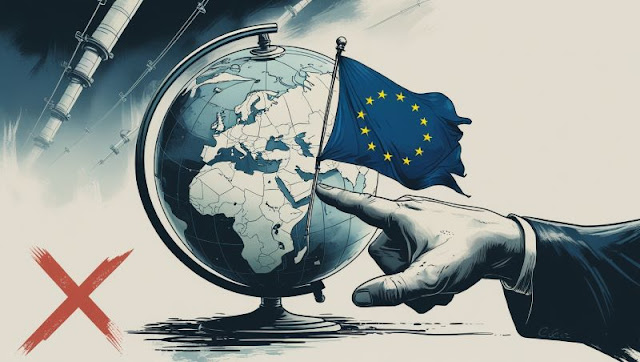
French President Emmanuel Macron highlighted that while the Strait of Hormuz remains severely restricted, recent physical damage to Saudi Arabia’s East-West pipeline has cut Europe’s primary emergency bypass (CBS News, France 24).
European energy ministries warned that mounting disruption ahead of the winter heating season could trigger widespread industrial fuel rationing across the continent (Energy Press).
Diplomatic cables revealed that Riyadh quietly walked away from a planned multilateral digital currency project led by Beijing following intense economic pressure from traditional partners (Financial Times).
Western lawmakers drew sharp domestic criticism after demanding deeper foreign interventions while domestic fuel distribution networks continued to falter (Independent Dispatches).
Domestic Economic Strain and Critical Supply Shortages
To be fair, the prolonged blockade is leaving heavy scars on civilian economies across the wider region:
Financial assessments showed that ongoing economic sanctions and shipping disruptions have knocked a full 10% off the national economy (Economic Reports).
Local pharmaceutical factories make 97% of basic medicines, but harsh trade restrictions have cut off the vital 3% of imported, life-saving drugs (Health Ministry Updates).
United Nations teams warned that without an actual peace plan or timetable, conditions for everyday people will only get worse (UN Briefings).
Frequently Asked Questions
Why has Saudi oil production dropped to a 30-year low?
Repeated strikes on processing hubs and refineries, combined with severe transport bottlenecks, have forced major extraction cutbacks (Energy Reports).
Why is damage to the East-West pipeline so critical for Europe?
With Hormuz already restricted, the East-West pipeline was Europe’s main alternative route for crude and gas ahead of winter (France 24).
What areas in Saudi Arabia received security alerts?
Official advisories warned foreign nationals against unnecessary travel to Taif and Yanbu due to elevated cross-border threats (Security Bulletins).
How is the trade blockade affecting everyday healthcare?
Although 97% of basic drugs are produced locally, trade embargoes have halted the 3% of specialized imported medicines required for critical patients (Health Data).
Are commercial ships still passing through Bab-el-Mandeb?
Houthi maritime units maintain an active blockade against specific regional traffic, forcing commercial fleets to take long detours around Africa (Al Jazeera).