Strait of Hormuz conflict breaks chains
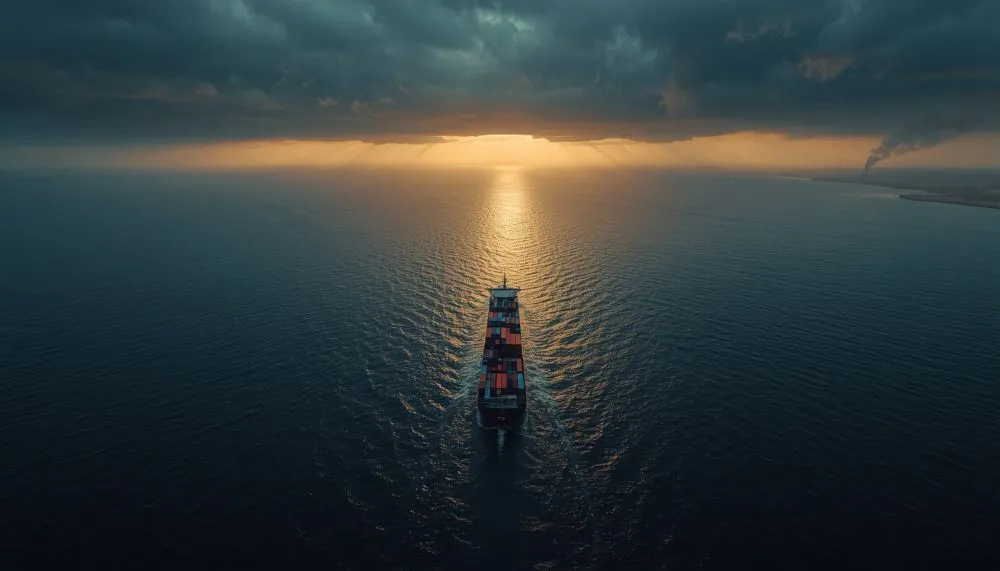
The Hormuz Crisis: Global Supply Chains Face Systemic Rupture Following Multi-Front Gulf Strikes
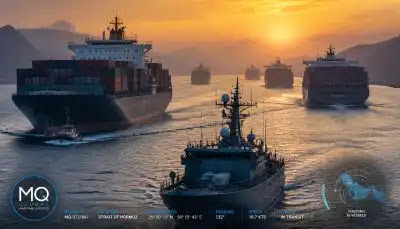
The geopolitical architecture governing the Persian Gulf underwent a fundamental breakdown over the weekend. While corporate media channels attempt to downplay the operational hazards, live maritime reconnaissance indicates that the primary transit corridors of the Middle East have entered a profoundly unstable phase. The structural parameters that secured international maritime logistics for decades have collapsed in a forty-eight-hour window. Trade hubs from London to New York are now forced to quantify the economic fallout of an active conflict directly intersecting with the world’s most critical energy artery. This has evolved far beyond a routine localized standoff; the entire regional security framework is experiencing a violent realignment, transforming an essential commercial trade route into an active combat zone.
Asymmetric Leverage: The Strategic Re-evaluation of Maritime Bottlenecks
The military posture broadcasting from official channels in Tehran marks a total departure from historic rules of engagement. Security officials did not attempt to disguise their intent when announcing that absolute operational command over the Strait of Hormuz yields a far more potent strategic advantage than holding a functioning nuclear arsenal. This represents a raw, aggressive recalculation. It signals to Western capitals that regional defense forces are no longer content with passive coastal protection. Instead, they are actively weaponizing a physical bottleneck that dictates the survival of the global economy.
When a sovereign military openly values control of a maritime channel above conventional nuclear deterrence, the threshold for escalation alters permanently. This perspective completely upends prior diplomatic understandings. It sends a definitive warning to international naval task forces: any attempt to project force or enforce alternative transit rules will trigger immediate, asymmetric counter-strikes designed to bring global container logistics to an absolute standstill.
The Fractured Perimeter: Quantifying the Spatial Spillover
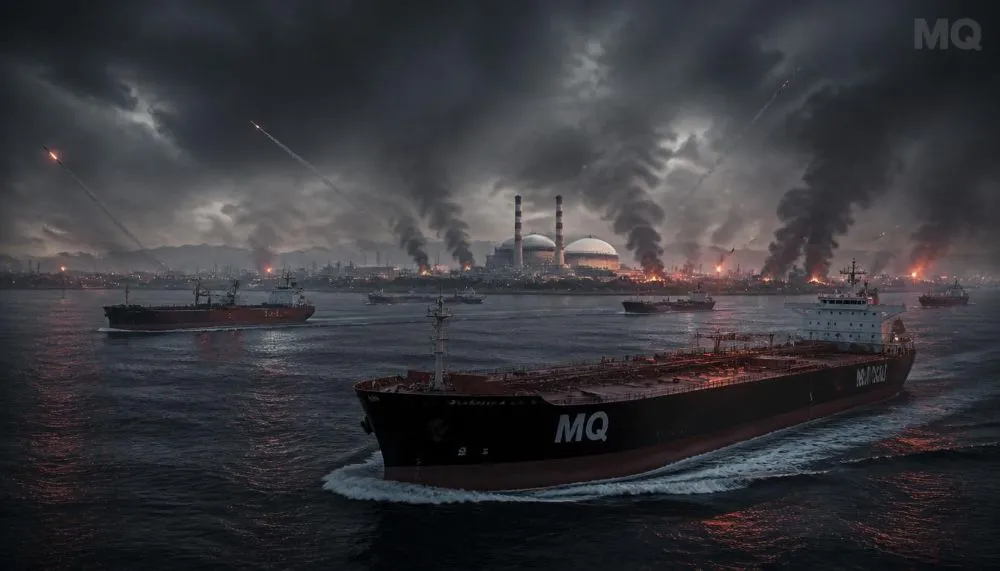
The tactical situation on the water grows more complex by the hour, extending far beyond isolated shipping incidents or predictable proxy clashes. The theater of operations has officially expanded across multiple borders simultaneously, demonstrating that no nation adjacent to the Gulf remains insulated from the kinetic fallout.
- The Kuwaiti Energy Sector: Hostile drone wings executed targeted strikes against offshore drilling infrastructure within Kuwaiti waters. Field reports confirmed civilian worker casualties alongside severe structural damage to frontline defensive positions.
- The Omani Refueling Hubs: Heavy artillery barrages and targeted aerial strikes heavily impacted logistics support nodes at Oman’s Port of Duqm. This facility serves as a vital international deepwater refueling station, and its disruption compromises the immediate deployment capabilities of commercial and security vessels alike.
- The Jordanian Airspace Violations: Even interior states are absorbing physical impacts. Multiple stray ballistic payloads, originally tracking toward distant targets, failed mid-flight and plunged directly into Jordanian territory, triggering immediate domestic defense scrambles.
A. The Western Command Dilemma
The counter-strategy emerging from Western defense centers appears increasingly reactive. United States Central Command (CENTCOM) deployed real-time satellite telemetry grids to reassure international shipping cartels that freedom of navigation remains legally intact through the international waterway.
However, commercial boards do not risk multi-million-dollar cargo fleets based on military press releases. With local regional administrations issuing conflicting emergency decrees and combat aviation units operating continuously along the horizon, shipping lines are already diverting their assets. The theoretical legal status of international waters loses all practical relevance to a shipmaster when loitering drone signatures actively print on their bridge radar screens. The current Western naval deployment increasingly looks like a cleanup crew rather than a preventive shield.
B. The Paradox of Parallel Diplomacy
The most contradictory element of this crisis is the simultaneous diplomatic maneuvering playing out between Islamabad and Tehran. Even as missile batteries detonate across adjacent shipping lanes, officials are actively discussing regional peace frameworks and mutual stability pacts.
This behavior points directly to a calculated buffer strategy rather than a genuine pursuit of peace. It is a deliberate tactical attempt to secure secondary land borders, ensuring that primary military assets can remain entirely concentrated on maintaining the maritime blockade. The margin for miscalculation in this environment has effectively reached zero. Commercial hull insurance premiums are hitting prohibitive thresholds, ensuring a severe global supply chain bottleneck regardless of how long the actual physical blockade lasts.
Deep-Dive Analysis: Frequently Asked Questions
Q1: What specific incident catalyzed this immediate naval escalation?
The current crisis intensified rapidly when a large, Cyprus-flagged commercial container vessel, the M/V GFS Galaxy, refused compliance orders issued by coastal patrol craft while entering the narrowest corridor of the strait. This refusal prompted an immediate anti-ship missile strike directly into the vessel’s aft section. The hit completely disabled the ship’s primary propulsion systems and ignited a severe engine room fire, forcing the crew to abandon ship via survival craft. This tactical defiance provided the immediate pretext for direct military intervention, transforming a routine commercial cargo run into the catalyst for a broader regional conflict.
Q2: Why does controlling the Strait of Hormuz match the strategic leverage of a nuclear arsenal?
The leverage is rooted entirely in global economic vulnerability. More than 20% of the world’s total petroleum volume passes through this exact maritime artery every day. By demonstrating the capability to physically seal this single channel, a regional power can instantaneously engineer a worldwide energy deficit, paralyze manufacturing timetables across the Western hemisphere, and trigger massive inflationary spikes without ever detonating a conventional explosive device. It operates as an absolute economic chokehold, capable of crashing international equity markets via simple administrative decree.
Q3: Which specific sectors have experienced the wider territorial spillover?
The kinetic fallout is simultaneously impacting three distinct national sectors outside the immediate conflict zone. Hostile drone incursions have disrupted offshore energy extraction facilities in Kuwait, rogue ballistic paths have violated domestic airspace over Jordan, and critical maritime logistics nodes at Oman’s Port of Duqm have sustained documented artillery damage. The ongoing redeployment of regional defense assets signals that the entire Middle Eastern energy corridor is now fully drawn into the conflict.
Q4: Are international transit routes functionally open for commercial trade?
An intense information warfare campaign is currently dominating global communications networks. Although Western naval commands continue to report that maritime corridors remain legally open, the combination of active loitering munitions, prohibitive war-risk insurance premiums, and sustained regional instability has rendered normal commercial operations increasingly difficult. And constant localized military alerts mean very few commercial operators will accept the hazard. The corridor remains functionally blocked regardless of its theoretical legal designation under international maritime law.
Q5: What are the direct consequences for consumers in the UK, US, and Europe?
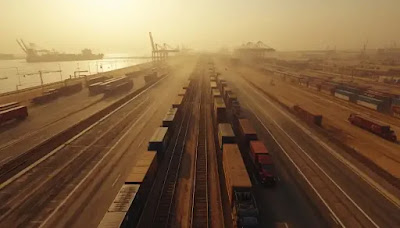
The domestic economic shocks will manifest in Western consumer markets rapidly. A protracted halt in this channel inevitably forces global crude oil benchmarks upward, translating directly to higher fuel costs at domestic pumps. Furthermore, major container lines are actively abandoning the shorter Suez Canal route, opting instead for the lengthy and capital-intensive transit around the Cape of Good Hope. This detour adds massive freight surcharges, delays consumer goods by weeks, and presents an intense inflationary challenge for central banks already struggling to stabilize domestic economies.
Leave a Reply