US Infrastructure Strikes Iran: Gulf War
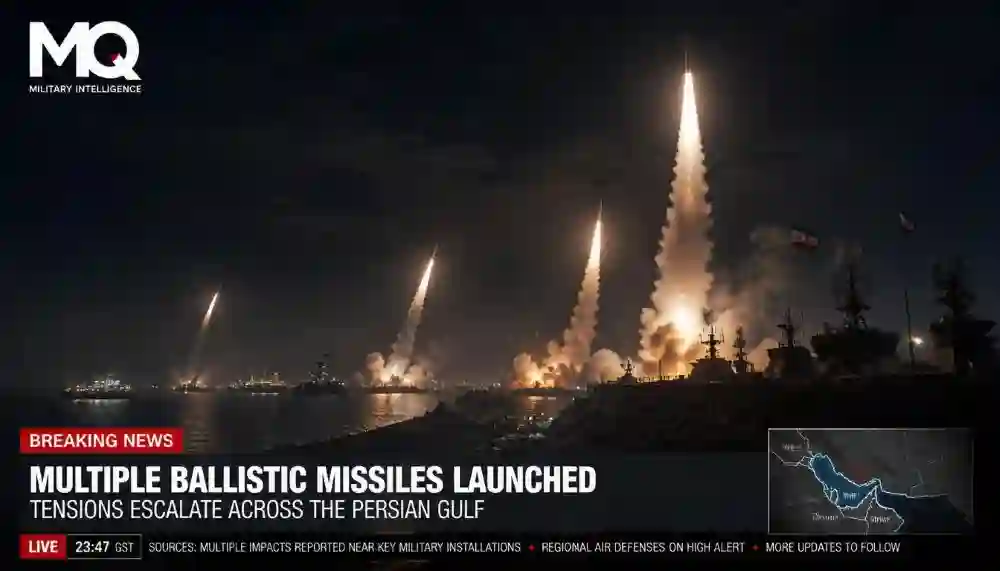
US Infrastructure Strikes Trigger Heavy Iranian Missile Retaliation Across Gulf Bases
Honestly, the regional security crisis in the Middle East has just hit a terrifying breaking point, and any talk of interim peace deals is completely dead in the water. While most regular people were going about their daily routine, verified updates from major networks showed that localized fights had fully exploded into messy infrastructure warfare. The deliberate targeting of key transport routes and the instant missile counter-attacks prove that both sides are playing for absolute dominance now, and the economic fallout is already hitting consumer wallets.
The Night U.S. Jets Targeted Iranian Highway and Railway Links
To be fair, the real ground damage is getting impossible to hide as Western air campaigns expand deeper into the region. Early Friday morning, a massive wave of U.S. airstrikes heavily hammered strategic transport links inside Iran’s southern Hormozgan province. Local state media reports confirmed that American jets systematically blew up major highway and railway paths, leaving key parts of the civilian and military transit lines completely broken.
The Bandar Abbas Isolation Strategy
Look, the tactical plan behind these specific strikes seems to be an absolute cutoff of the primary port of Bandar Abbas from roads heading into the central region and up to Tehran. Locals nearby mentioned seeing severe damage on the two main bridges west of town, with the vital route connecting Bandar Abbas to Rudan taking the heaviest hit. Reports coming out of the local health offices indicate that these sudden late-night raids claimed at least seven civilian lives and left dozens more injured, destroying several homes around the Allah-Akbar Hill area.
Energy Infrastructure Crumbles Under Extreme Heatwaves
Straight up, the physical destruction of roads is only half the problem, as the attacks caused immediate panic for the local population. For the first time since the latest round of violence flared up, the Iranian Energy Ministry publicly admitted severe damage to regional power grids. People living in the southern territories are dealing with crazy summer heat right now, and the local departments had to put out urgent messages begging everyone to pull the plug on their appliances because so many main power lines got smashed offline.
Iran Launches Massive Retaliatory Campaign Against Regional U.S. Assets
The reaction from Tehran was almost instantaneous, shifting the battlefront across three separate neighboring nations hosting American personnel. In an official statement, the Islamic Revolutionary Guard Corps announced Operation Nasr-2, deploying ballistic missiles and explosive drones in a coordinated retaliatory operation across the Persian Gulf.
Blaring Air Raid Sirens in Bahrain and Kuwait
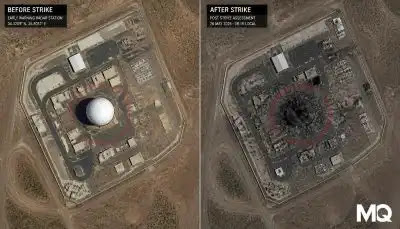
Sirens started screaming like crazy across both Bahrain and Kuwait early Friday morning when multiple explosions lit up the dark sky. The Bahrain Ministry of Interior had to jump onto their official feeds, telling residents to stay calm and find the nearest emergency shelter immediately. The IRGC claimed that their ballistic missiles successfully slammed into the Sheikh Isa Air Base, completely flattening a key U.S. unmanned surface vessel depot and a highly advanced artificial intelligence center.
According to official military statements carried by the Iranian state news agency IRNA, this specific AI facility was being used by the U.S. military to select ground targets and coordinate airstrikes inside Iran. While Western officials have not independently verified the full extent of the structural damage, regional witnesses confirmed that massive fires broke out inside the facility, damaging a significant number of drone vessels.
Strategic Strikes on Kuwait Energy and Water Facilities
Further north, the retaliation hit Kuwait’s critical national security hubs hard. Local updates showed that Iranian drone arrays managed to slip past regional defense networks to hit vital utility stations. The strikes heavily impacted a primary water desalination plant and local power generation units, forcing several municipal sectors to go completely dark. The sudden loss of water treatment capabilities has created an immediate civilian emergency, showing that Iran is now matching the U.S. strategy of destroying essential utilities.
Casualties in Jordan and the Shipping Freeze at Hormuz
The geographic scope of the conflict widened even further as Jordan’s airspace became an active combat zone. The Jordanian military confirmed its air defense systems had to actively intercept and bring down at least ten missiles passing through its borders. More importantly, verified intelligence reports from outlets like CBS News confirmed that several U.S. service members sustained actual physical injuries during these multi-layered regional strikes, signaling a massive spike in the direct risk to Western military personnel.
The Absolute Closing of the Strait of Hormuz
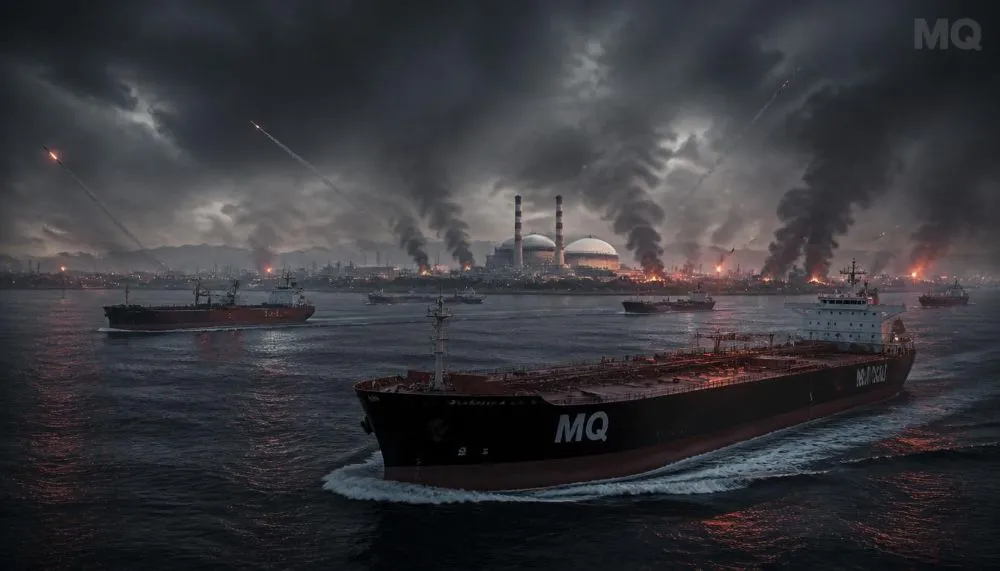
The most immediate threat to the global economy is the total maritime blockade now unfolding in the south. The IRGC Navy has officially declared the strategic Strait of Hormuz completely closed and highly insecure due to ongoing U.S. aggression. Data from maritime tracking organisations indicated that at least two commercial oil tankers suffered major fires after reportedly hitting underwater naval mines in contested shipping lanes.
Commercial shipping traffic through this critical chokepoint has effectively crashed to an all-time low of just five to eight vessels a day. With international insurance companies raising risk premiums to impossible levels, major commercial airlines like easyJet have been forced to completely redirect their flight paths away from active war zones, driving up jet fuel expenses that will inevitably hit everyday consumer wallets. If the folks in charge don’t wrap this up and ease the tension soon, the whole region is heading toward a massive breakdown that will make life incredibly difficult for everyone.
Frequently Asked Questions
Why did the U.S. expand its airstrikes to target bridges inside Iran?
Look, the main goal behind the U.S. hitting highway and railway bridges in the southern Hormozgan province was to disrupt military supply lines. By knocking down structures like the Bandar Abbas-Rudan bridge, the strikes effectively isolated Iran’s primary port from the main roads leading up to the capital in Tehran, trying to freeze their logistics.
What exactly did Iran target during its retaliatory strikes in Bahrain?
According to the IRGC, the retaliatory operation was intended to cripple critical U.S. military technology. It claimed that waves of ballistic missiles and drones struck Sheikh Isa Air Base, destroying a major drone operations hub and the military’s primary AI-powered ground target tracking centre.
Have any Western military personnel been confirmed killed or injured during this latest escalation?
Yes, the reports are authentic. Although no U.S. military deaths have been confirmed, the latest official statements indicate that a handful of American personnel suffered injuries. Troops got hurt when those heavy drones and missiles slammed into bases over in Jordan.
How bad is the damage to the local utilities in Kuwait?
Straight up, it is looking proper messy. The drone attacks from the other side managed to sneak past defenses and target key utility hubs, hitting a main water plant and electrical grid stations, which caused massive blackouts across several neighborhoods.
Why is the closure of the Strait of Hormuz causing panic in global markets?
Things took a scary turn when the local naval forces shut down the entire pass because commercial ships started hitting underwater mines and catching fire. Now that daily traffic has dropped to practically nothing, shipping costs are spiking, and airlines are losing a ton of money changing paths.



Leave a Reply