Middle East Crisis Escalation: War Near
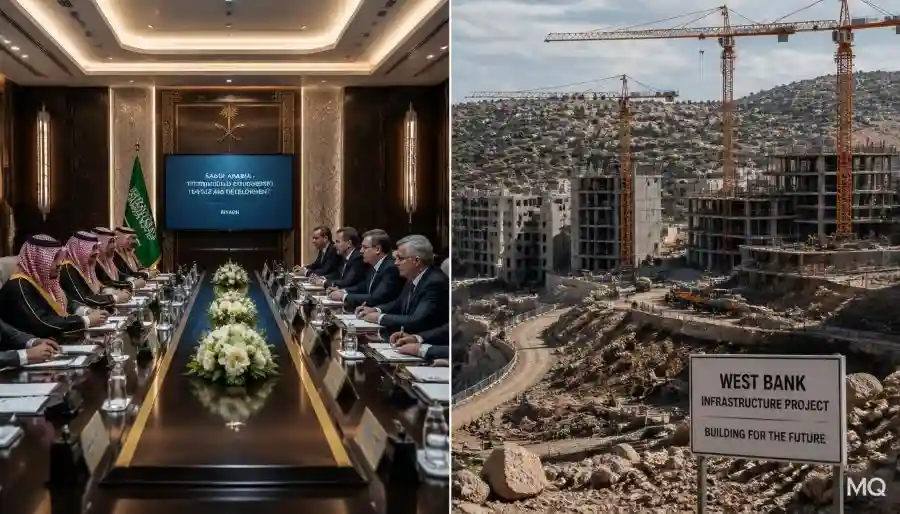
Table of Contents
The Middle East Flashpoint: A Deep Dive into the Rapidly Escalating Crisis
Something’s happening in the Middle East right now that feels way different from the usual cycle of fighting and then calling a truce. This isn’t just another round of clashes or a quick burst of chaos — everything points to a fundamental change in how this whole region works. The old unwritten rules, the quiet deals made behind closed doors, the diplomatic safety nets that everyone counted on to stop things from going completely off the rails — they’ve all been tossed aside. What’s taking their place is something much more raw and dangerous. Military action has become the main way countries communicate. Courts are going after foreign leaders with criminal charges. Alliances that took forever to build are coming apart in no time.
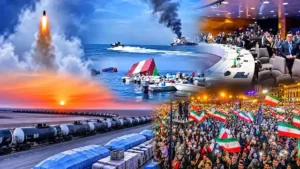
The events unfolding right now tell the real story. Iran is surrounded by a naval blockade. American bases are getting hit by drones with deadly accuracy. The Strait of Hormuz, which is basically the world’s most important shipping lane for oil, is now closed to Iranian boats. This isn’t a region that’s still wobbling on the edge — it’s already fallen off. The question everybody’s asking, from government officials in Washington to everyday people in Tehran, isn’t whether a big war is on the way, but when it’ll kick off and how far the damage will spread.
Understanding where this is going starts with carefully examining each major move, one at a time. Because none of these things are happening in isolation — each one triggers something else, creating a domino effect that’s pulling the whole region toward a massive confrontation.
Saudi Arabia Just Changed Everything on the Abraham Accords
For a long time, Western policy experts were pretty sure Saudi Arabia would eventually sign the Abraham Accords without putting up too much of a fight. The logic looked good on paper — making peace with Israel would bring money, better security ties, and a stronger position against Iran, which they both see as a threat. But Riyadh has completely shredded that expectation.
Now the Saudis are laying down two conditions that are firm and non-negotiable. The first one is simple enough: they want Netanyahu gone. Not pressured, not convinced to change his ways — removed from power entirely. Saudi officials have made it really clear why. They see his government as the main thing standing in the way of peace in the region, and they’re not going to sit at the table while he’s still running things.
The second demand is way bigger. Riyadh wants a full rollback of all the policies and settlement expansions that Bezalel Smotrich has been pushing in the West Bank. This isn’t some small change — it’s a complete overhaul of Israel’s whole approach to the territories, and it would take the kind of political guts that nobody in Israeli leadership has shown in a really long time.
But here’s where things get complicated. While diplomats are hashing out these demands in meetings, Israel is quietly pouring $2.8 billion into new building and infrastructure projects across Samaria. Far from showing signs of compromise, it appears to be digging in deeper, extending its influence, and sending a strong message that it intends to stay the course. Its plans for the land aren’t going to wait for peace deals. As the gap between diplomatic messaging and on-the-ground developments continues to grow, the idea of a Saudi-Israeli deal looks more like a long shot than a near-term possibility.
Turkey’s Court Just Made a Massive Legal Move
Now the conflict has spilled into territory nobody really expected — the world of international law. Turkey’s 11th High Criminal Court in Istanbul has officially put out an international arrest warrant for Netanyahu, and this isn’t just for show. It’s a proper criminal indictment, backed by an actual investigation, and it carries serious weight in international legal circles.

It all started when Israel stopped the Sumud aid flotilla, which was bringing humanitarian supplies to people in Gaza. There were Turkish citizens on board, and that gave Turkish prosecutors the legal basis they needed to file charges. The accusations against Netanyahu are heavy stuff — directing crimes against humanity, ordering torture and deliberate harm to civilians, holding people illegally, and hijacking ships in international waters.
Will Israel pay any attention to this warrant? No way. Netanyahu and his people have already called it nonsense and politically driven. But the damage is done. This move has killed whatever small chance there was of fixing things between Turkey and Israel, leaving both countries in a diplomatic freeze that could go on for years. More than that, it sets a worrying precedent — domestic courts reaching across borders to hold foreign leaders responsible for military actions, no matter what the political consequences might be.
The U.S. Has Shut Down Iranian Waters
Diplomacy isn’t really in the picture anymore. The United States is going all in on military pressure to get what it wants in the region. Multiple CENTCOM airstrikes have already targeted Iranian military assets considered dangerous to commercial vessels. But the real bomb dropped when they announced a total naval blockade, which started at 4 p.m. Eastern Time.

This isn’t some halfway measure — it’s total and absolute. The U.S. Navy has been told to stop, search, and block any boat trying to get into or out of Iranian ports. And they’re not stopping there — any ship anywhere in the region found to be carrying Iranian goods will get stopped too. The Strait of Hormuz, which is one of the most critical passageways for global oil, is now basically closed to Iran.
Trump made his stance clear in his usual blunt way — the Strait stays open for everyone else, but Iran is out. He also got rid of the old 20% reimbursement fee and shifted toward big trade and investment deals with friendly Gulf countries. The goal is pretty simple: bring that money back to America, rebuild factories, make supply chains stronger, and create jobs.
Iran Hits Back with Precision Drone Attacks
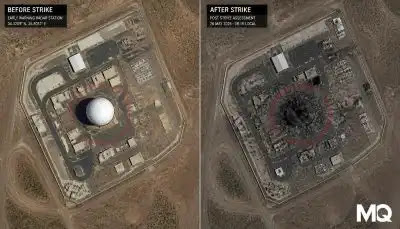
Iran and its friends haven’t just been sitting around taking it. They’ve launched a coordinated wave of drone strikes that hit Western military installations across the Gulf with surprising accuracy. Intelligence reports and satellite images confirm that three main targets were struck almost at the same time, which shows a level of coordination that has surprised a lot of analysts.
In Kuwait, the Ali Al-Salem Airbase was hit at its command center by U.S. MQ-9 Reaper drones. In Qatar, the Al-Udeid Airbase — a major logistics hub for American supply lines — saw its central warehouse damaged. And in Bahrain, the main drone intelligence center was also hit. All three places have reported damage.
Gulf governments are taking this really seriously. In Manama, Bahrain’s capital, courts have handed life sentences to three people found guilty of running spy rings for Iran’s Revolutionary Guard. These operatives were helping the IRGC plan attacks inside the kingdom, and the quick crackdown shows local authorities are getting ready for more trouble down the line.
Iran Has Officially Ended the Ceasefire
Back in Tehran, things have reached a boiling point. With American strikes still happening and the naval blockade strangling trade, the Iranian parliament has decided to act. About 180 senior lawmakers have released a joint statement demanding an immediate exit from the Islamabad Memorandum of Understanding with the U.S.
But they didn’t just ask to leave. They’ve officially declared that the ceasefire is dead. Their message to Western leaders is clear — Iran is getting ready for strategic revenge and plans to hit back for every attack on its soil. With Tehran walking away from the table and cutting off communication with Washington, the last things preventing a full-scale war have vanished. The region is right on the edge of a conflict that could completely reshape everything.
Frequently Asked Questions (FAQs)
Q1: What’s Saudi Arabia demanding before joining the Abraham Accords?
Two things: Netanyahu has to go, and Israel has to reverse everything Smotrich did in the West Bank. Both are non-negotiable.
Q2: How does the U.S. blockade on Iran work?
It’s total. The Navy stops and blocks every boat trying to get in or out of Iran. Any ship with Iranian goods gets stopped, too. Access to the Strait of Hormuz has become severely restricted for Iranian shipping.
Q3: What American targets got hit in the drone strikes?
Three places: the Reaper drone command center in Kuwait, the warehouse in Qatar, and the intelligence center in Bahrain. All got damaged.
Q4: What does Iran’s ending the Islamabad MoU really mean?
It means the ceasefire is over. Diplomatic ties with Washington are cut, and Iran is moving toward direct military action and revenge.