- Iran War Update 11 August 2026: Hormuz Toll Fees and US Oil Reserve Collapse
- Trump Demands Billions in War Damages as Iran Rules Out Talks Until 2029
- President Pezeshkian Confirms Meeting with Supreme Leader Mojtaba Khamenei
- US Strategic Petroleum Reserve Plunges to Lowest Level Since 1983
- US-Israel Rift Deepens as Washington Pushes to Wind Down Three Fronts
- Frequently Asked Questions (FAQ)
Iran War Update 11 August 2026: Hormuz Toll Fees and US Oil Reserve Collapse
Things right across West Asia hit a fresh crisis point today on 11 August 2026. Picking up straight from our Iran War Update 10 August 2026, backchannel channels have pretty much frozen up while Washington and Tehran exchange massive war damage claims. With US crude vaults dropping to 40-year lows and Iranian commanders putting mandatory toll fees on Gulf shipping, the regional conflict shows no sign of slowing down.
Trump Demands Billions in War Damages as Iran Rules Out Talks Until 2029
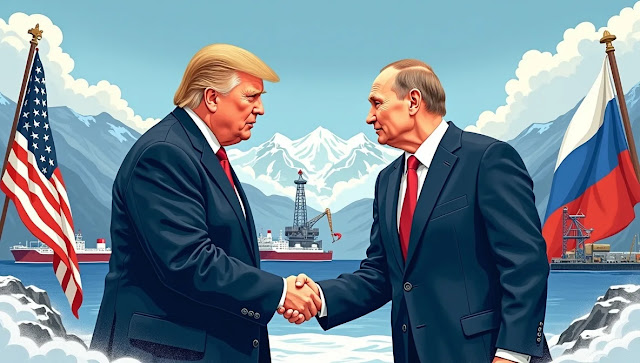
Trump is hitting back hard over the Gulf shipping mess. After Iranian officials demanded compensation for war damage, he took to Truth Social and said the US should be the one collecting. He’s talking billions, pointing to everything from the USS Cole bombing to Soleimani’s operations and the long list of losses in Lebanon, Syria, Yemen and Gaza.
Tehran isn’t blinking. Reporting from Moneycontrol confirms that Iranian leaders have now officially ruled out any talks with Trump. Their line is simple: they’ll wait him out until 2029.
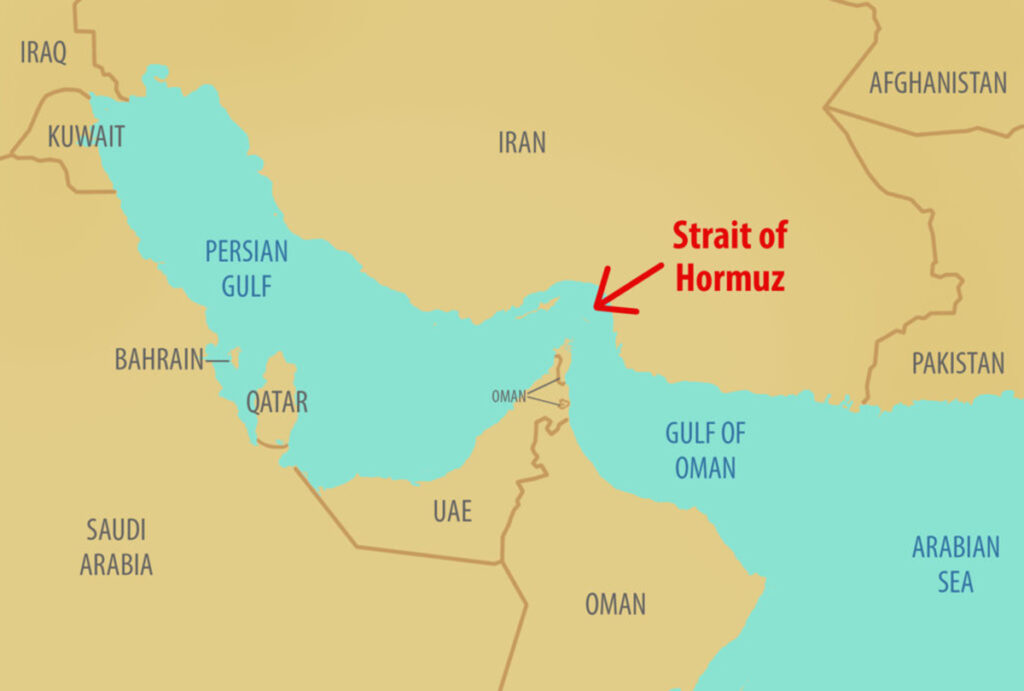
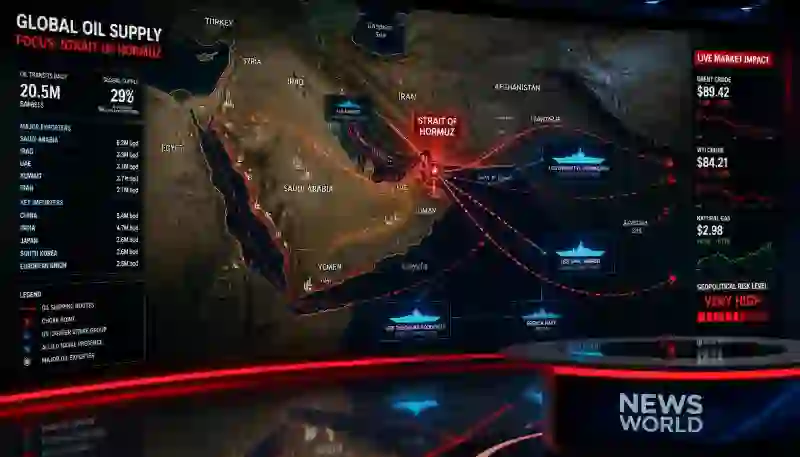
Maritime traffic through the Strait of Hormuz remains severely restricted. According to The Hindu, IRGC Security Chief Mohammad Baqer Zulfiqar said it stays closed until the Americans meet every Iranian demand. They’re even talking about charging tolls on any commercial ship that tries to pass through the waterway.
President Pezeshkian Confirms Meeting with Supreme Leader Mojtaba Khamenei
Inside Iran, President Masoud Pezeshkian moved quickly to shut down the rumors about Supreme Leader Mojtaba Khamenei. He went on camera and said he’d just spent seven hours with him going over war plans, the economy, and alliances. Pezeshkian insisted the Supreme Leader is fine and still calling the military shots.
They also announced a bunch of new top appointments to tighten up command lines:
- Major General Ali Abdollahi: Now Chief of Staff of the Armed Forces.
- General Kiumars Heydari: Serving as Deputy Chief of Staff.
- General Ahmad Vahidi: Takes over as IRGC Chief Commander.
- Major General Mostafa Ilkhani: Becomes Deputy Commander-in-Chief of the IRGC.
- Admiral Ali Ozmai: Named Commander of the IRGC Navy.
- Hossein Taeb: Appointed as the new Head of the Basij Organization.
At a University of Tehran event covered by Al Jazeera, Pezeshkian claimed US and Israeli strikes had been using AI data and spy networks to try to spark unrest, but said those efforts kept falling flat.
US Strategic Petroleum Reserve Plunges to Lowest Level Since 1983
The oil situation in the US is getting ugly. Energy Department numbers published by Al Jazeera show the Strategic Petroleum Reserve has dropped below 300 million barrels for the first time since 1983.
It fell another 6.1 million barrels last week and now sits at 298.7 million. With the practical floor around 70 million, people are starting to worry about how much more they can release to deal with the Hormuz blockade.
On Fox News, US UN Envoy Mike Waltz admitted the sanctions are hurting Iran’s currency, but Iranian negotiators are still demanding cash and unfrozen assets before they’ll let any ships through.
US-Israel Rift Deepens as Washington Pushes to Wind Down Three Fronts
The gap between Washington and Israel is also getting wider. According to Anadolu Agency, Netanyahu and U.S. Officials have openly disagreed over how to move forward. CENTCOM chief Admiral Brad Cooper told Israeli officials during his visit that Washington wants to wind down the fighting on all three fronts: Gaza, Lebanon and Iran.
Israeli commanders pushed back hard, saying they won’t give up the right to hit Iranian nuclear and missile targets whenever they decide it’s necessary.
According to The Wall Street Journal, U.S. forces committed to the region are placing increasing demands on military resources, leaving American forces stretched and potentially limiting their ability to respond to threats elsewhere.
Elsewhere across the region, the violence and cyber activity continue to escalate:
- Mocha Port Attack: Houthis hit the Yemeni port of Mocha. The Times of Israel said seven people died (four military, three civilians) and about 30 were wounded.
- ICC War Crimes Complaint: Iraq filed a formal complaint at the International Criminal Court against the US and Saudi Arabia over airstrikes near Karbala, according to The Cradle.
- UAE Cyber Defense: The UAE Cybersecurity Council said it blocked a major wave of attacks aimed at aviation, energy and school networks.
- IRGC Smart Missiles: IRGC spokesman Brig. Gen. Hossein Moheb told CBS News that their newer missiles can change course mid-flight to dodge Western defenses.
As detailed in our Day 28 Middle East conflict report, the whole thing keeps spreading with no clear diplomatic end in sight.
Frequently Asked Questions (FAQ)
What counter-demands did Donald Trump make against Iran?
Trump wants Iran to pay for decades of damage, including the USS Cole attack and operations tied to Soleimani across several countries.
How low has the US oil reserve fallen?
The US oil reserve is at 298.7 million barrels — its lowest level since 1983.
Did Pezeshkian meet with Supreme Leader Mojtaba Khamenei?
Yes, Pezeshkian confirmed a seven-hour strategy meeting with Mojtaba Khamenei and said he’s healthy and in charge.
Is Iran willing to negotiate with Donald Trump?
Iran has officially ruled out talks with Trump and says it’s waiting out his presidency until 2029.
What is the strategy disagreement between the US and Israel?
The US wants Israel to wind down operations in Gaza, Lebanon and Iran. Israel says it needs to keep full freedom to strike Iranian targets whenever necessary.