Iran US Gulf Crisis: What’s Next?
- Iran US Gulf Crisis: What’s Next Really Happening Behind Closed Doors?
- Questions People Are Asking Right Now
- What sparked this sudden flare-up in the Gulf?
- Why is everyone worried about undersea internet cables?
- Why are locals near Iranian nuclear sites getting iodine pills?
- Is Russia actually sending air defences to Tehran?
- Are Washington and Tehran still talking?
- How bad could things get if the situation spirals out of control?
Iran US Gulf Crisis: What’s Next Really Happening Behind Closed Doors?
Look, anyone keeping an eye on the Persian Gulf right now knows the region is sitting on a live wire. Over the past couple of weeks, we have seen a dizzying blend of covert moves, close calls at sea, and desperate diplomatic arm-wrestling between Washington, Tehran, and Tel Aviv.
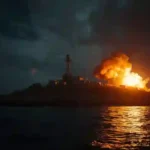
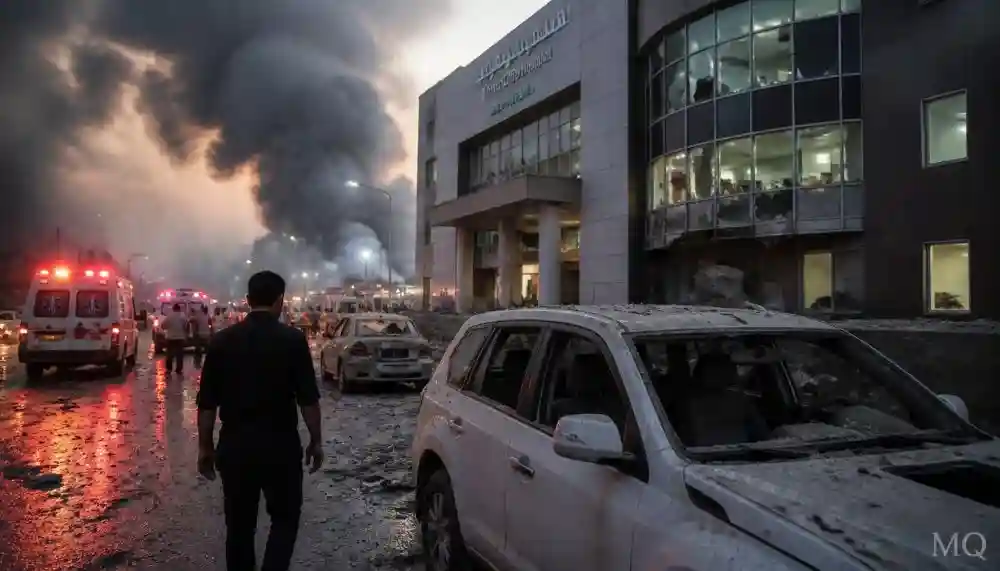
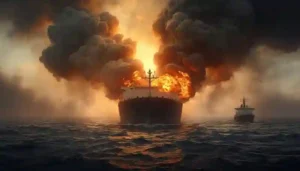
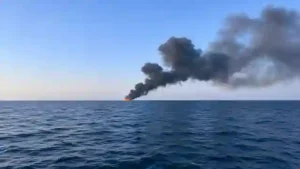
According to reporting by Al Jazeera, tensions boiled over following reports that two missiles hit Iran’s strategic Qeshm Island. Local Iranian outlets like Tasnim and IRNA were quick to report the blasts, even while official statements remained tight-lipped. Straight up, the maritime corridors have turned into an active hazard zone. As confirmed by CBS News and Reuters, an explosion tore into the Greek-operated tanker MT Velos Sapphire in the Gulf, tragically killing one of its crew members. Unverified videos also surfaced showing small fast-attack boats swarming around commercial cargo hulls.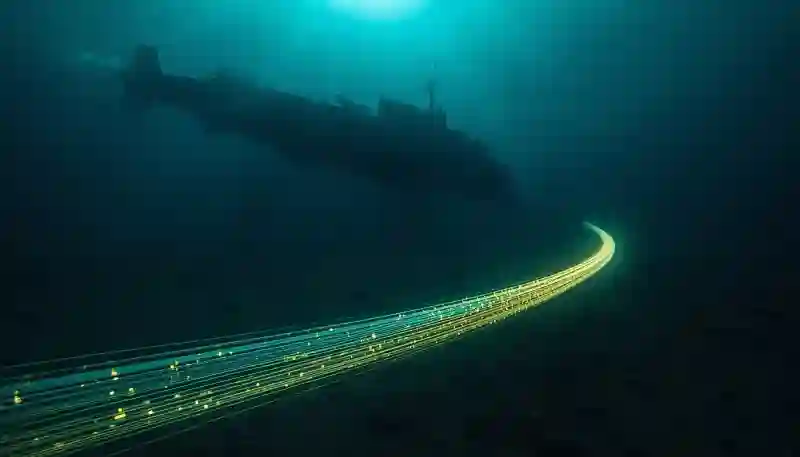
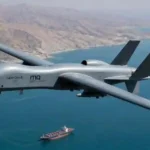
Then there is the digital front. The Financial Times noted that Iranian vessels have been monitored hovering right above deep-sea fibre-optic internet cables crossing through the Gulf of Oman. If someone cuts those international subsea cables, internet traffic between Asia and Europe gets crippled overnight. In response, IRGC commanders claimed via Al Jazeera that their aggressive posture had already pushed American naval fleets back by roughly 1,000 kilometres. On the other side, the Pentagon pushed out footage of F-35 fighter jets carrying out mid-air refuelling over Middle Eastern airspace as a visible show of muscle.
Civilian life is feeling the pinch too. Türkiye Today reported that Iranian medical teams have started distributing potassium iodide tablets to families living right around primary nuclear hubs. Near subterranean sites like Pickaxe Mountain, government authorities have issued simple safety cards outlining how to act if a radiological blast hits: get indoors, shut all windows against fallout, and wait for state broadcasts. Across the border, Israeli civilian defence squads and IDF units were filmed running emergency drills of their own, training emergency workers to dig survivors out of collapsed buildings during mass rocket strikes.
Regionally, Tehran is looking north to patch its sky defences. As reported by The Telegraph, talks are progressing between Moscow and Tehran to finally hand over advanced Russian S-400 anti-air missile batteries. If that hardware lands on Iranian soil, hitting targets from the air becomes a bloody nightmare for any incoming coalition.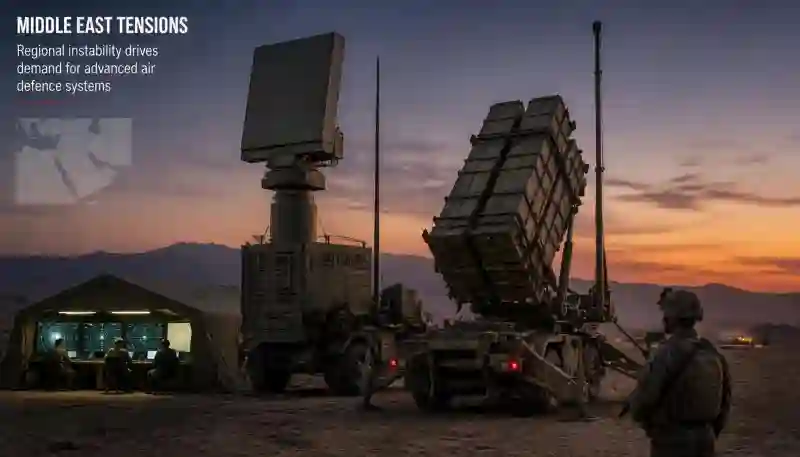
Meanwhile, Washington keeps using its economic lever. Regional reports from The Cradle confirmed that Ankara folded under US pressure, cutting back on Turkmenistan natural gas deliveries that run through Iranian pipeline corridors. This chops a healthy chunk of transit cash out of Tehran’s pockets. Down south, monarchies like Bahrain are plainly worried about domestic fallout, arresting several prominent local clerics over fears of protests should regional clashes erupt. Add in freak incidents, like a massive fire breaking out at Kuwait International Airport, and you can see why everyone in the neighborhood has their guard up.
Inside Washington, the mood is completely split. According to The Wall Street Journal, Donald Trump’s inner circle has been locked in sharp debates over military strikes. Axios reported that figures like JD Vance have quietly backed back-channel talks to see if an agreement can be reached. But other hawks want immediate strikes, with reports from The Times of Israel suggesting planners had weighed the cover of an upcoming new moon to carry out night operations.
Amid all this chaos, White House Chief of Staff Susie Wiles confirmed her departure in a public note, stepping away during one of the most volatile foreign policy moments of recent years. Simultaneously, the US State Department and CENTCOM put up a massive $20 million bounty reward for actionable intelligence regarding Iranian nuclear staff, hardware, and facilities.
Interestingly, Israel nearly pulled the trigger on its own. As reported by Israel’s Channel 12 and covered by The Times of Israel, Mossad and Benjamin Netanyahu had prepped a covert hit inside Iranian territory just before their domestic elections. The mission was called off at the eleventh hour after an accidental tip-off slipped through to American officials, who quickly intervened to stop an uncontrolled blowout.
Here is the twist: despite all the hard talk, back-channel diplomacy is not dead. Bloomberg and The Times of Israel both reported that Qatari envoys have helped bring both sides back to the negotiating table, with Iranian delegates quietly agreeing to review curbs on their nuclear enrichment for the first time in months.
Still, Tehran’s officials insist they are ready to swing back hard. According to Al Jazeera, Iranian MP Hossein Ali Haji Deligani openly warned that if fresh bombs drop on their territory, Iranian ballistic missiles have the operational range to strike into Europe, which would instantly rocket global oil prices past $150 a barrel. Iranian security official Ebrahim Azizi added that any US provocation would be met by striking Washington’s most prized regional platform—referring directly to Israel.
Iranian diplomats made their stance dead clear through Al Jazeera: fresh strikes will shut all diplomatic channels for good. As their foreign policy advisers summed it up, the Middle East is now down to two choices: either collective security for every country involved, or absolute insecurity for all of them.
Questions People Are Asking Right Now
What sparked this sudden flare-up in the Gulf?
Things escalated fast after Iranian outlets, including Tasnim and IRNA, reported missile impacts out on Qeshm Island. Almost immediately after, an explosion struck the Greek-run tanker MT Velos Sapphire in the Persian Gulf, leaving a crew member dead and putting every shipping firm in the area on high alert.
Why is everyone worried about undersea internet cables?
The Financial Times spotted Iranian vessels lingering right over the deep-sea communication lines that snake through the Gulf of Oman. Most people do not realise it, but these cables carry huge amounts of web traffic between Europe and Asia. If anyone snips or damages them, web access and bank transfers across multiple continents take an immediate hit.
Why are locals near Iranian nuclear sites getting iodine pills?
Reports in Türkiye Today confirmed that health workers handed out potassium iodide pills to residents living near major atomic hubs, such as Pickaxe Mountain. If an airstrike hits a nuclear facility, taking these tablets straight away stops the thyroid from absorbing dangerous radioactive dust.
Is Russia actually sending air defences to Tehran?
The Telegraph reported that officials from Moscow and Tehran have been sitting down to discuss modern military kit, specifically Russia’s S-400 anti-air batteries. If Tehran gets hold of these systems, taking out targets inside Iran from the air becomes far harder and much more dangerous for foreign jets.
Are Washington and Tehran still talking?
Behind the scenes, yes. Qatari mediators have kept quiet talks alive. Outlets like Bloomberg and The Times of Israel reported that Iranian envoys are even open to discussing limits on uranium enrichment again. With that said, Iranian officials made it clear that another military strike would kill off diplomacy entirely.
How bad could things get if the situation spirals out of control?
Iranian MPs speaking on Al Jazeera warned that their missiles have the range to reach into parts of Europe, adding that an all-out war would send crude oil shooting past $150 a barrel almost instantly. Regional advisers put it bluntly: either everyone in the Middle East gets security, or no one gets any.