Yemen Strikes, Gaza Flood Crisis Deepen
Recent Yemen Strikes across the border and severe flooding in Gaza have escalated regional tensions sharply over the past day. Leaving civilians caught in the middle of cross-border strikes and severe weather. From oil pipeline attacks in Riyadh to flooded displacement camps in Gaza, the regional picture is growing darker by the hour. Readers tracking daily developments can check our archive at middle-east-updates. Here is a clear breakdown of what actually unfolded across these flashpoints.
Yemen and Saudi Arabia Trade Blows Over Oil Pipelines and Air Strikes
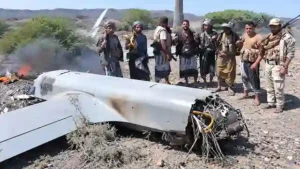
Fighting between Saudi forces and Yemen’s Houthi movement has intensified rapidly over the last 72 hours. According to Mehr News Agency, Yemeni military spokesperson Brigadier General Yahya Saree announced that Houthi forces targeted pumping stations along Saudi Arabia’s East-West oil pipeline in Riyadh. Al Jazeera further noted that the group claimed drone strikes on a pumping station in Yanbu and cruise missile attacks toward Riyadh’s King Khalid International Airport. However, the Houthi spokesperson flatly denied Saudi coalition reports that drones had been launched toward Mecca.
On the ground inside Yemen, the human toll is mounting fast. Al Jazeera reported heavy explosions in central Sanaa hitting the Yemen Petroleum Company building on 60th Street and the al-Mafzar gas filling station, damaging 13 tankers. Houthi health officials also reported around 84 civilian casualties following air strikes in the Bani Hushaish district east of Sanaa. Meanwhile, Yemeni government forces spokesperson Majed Abdullah al-Nuzaili stated in updates cited by Al Jazeera that government troops carried out hundreds of artillery, drone, and air strikes across fronts including Marib and al-Jawf, killing or wounding 138 Houthi fighters. You can follow regional energy impacts on our desk at energy-crisis.
Gaza Faces Winter Flooding as Tents Collapse

In Gaza, displaced families are dealing with both ongoing strikes and harsh winter weather. According to Al Jazeera, Gaza’s Health Ministry confirmed at least eight Palestinians were killed and dozens wounded over the past 24 hours. At the same time, heavy rain battering the enclave for 12 straight hours destroyed at least 70,000 makeshift tents, leaving families without dry shelter or basic supplies. Aid workers warn that years of wear and tear, combined with tight restrictions on shelter materials, have turned routine rainstorms into a humanitarian emergency.
Over in the occupied West Bank, tensions flared again after nighttime arson attacks damaged Palestinian vehicles and property. On the diplomatic front, The Times of Israel reported that Denmark and several European nations are pushing for an emergency United Nations Security Council meeting to halt Israeli settlement expansion plans in the sensitive E1 area. European officials warn that construction in E1 would effectively split the West Bank and block any future two-state solution.
Cross-Border Friction in Syria, Lebanon, and Global Capitals

Regional friction is spilling well beyond Gaza and Yemen. Anadolu Agency reported that Israeli forces carried out fresh ground incursions into southern Syria’s Quneitra province, expelling local olive harvesters and setting farmland ablaze. In Lebanon, Hezbollah leadership urged the Beirut government to equip the national army to confront Israeli border shelling while vowing to maintain resistance operations.
Diplomatic pushback against Israel is also picking up speed internationally. The Times of Israel noted that Israel’s Foreign Ministry condemned France’s decision to deny entry to Samaria Regional Council head Yossi Dagan. Separately, The Times of Israel reported that the Maldives has moved forward with legislation to make its entry ban on Israeli passport holders permanent. In Turkey, President Recep Tayyip Erdogan used a climate summit address to call for global accountability and stronger support for vulnerable nations.
Shifting Public Opinion and Domestic Politics
Public sentiment in Western capitals is shifting noticeably too. A survey highlighted by Anadolu Agency found that 78% of Britons now view Israel as a serious threat to world peace, up sharply from 48% two decades ago. Inside Israel, political friction continues to simmer. According to The Times of Israel, Prime Minister Benjamin Netanyahu called for a national unity government just one day after delivering a fiery speech in the Knesset criticizing opposition efforts to form a coalition without him. Further updates on international sanctions and diplomatic moves are available at global-sanctions.
Frequently Asked Questions
What did Houthi forces target in Saudi Arabia?
According to Mehr News Agency and Al Jazeera, Houthi forces claimed strikes on pumping stations along Saudi Arabia’s East-West pipeline in Riyadh and Yanbu, as well as cruise missile launches toward Riyadh’s airport, while denying any drone launch toward Mecca.
How did recent rain affect displaced families in Gaza?
Al Jazeera reported that 12 hours of heavy rain flooded camps across Gaza and destroyed at least 70,000 worn-out tents, leaving thousands of families exposed to freezing conditions.
Why are European countries calling for an emergency UN meeting?
As detailed by The Times of Israel, Denmark and European partners are pushing for an urgent UN Security Council session to stop Israeli construction plans in the West Bank’s E1 zone, which critics say would end prospects for a two-state solution.