Iran US Escalation Nuclear Submarines
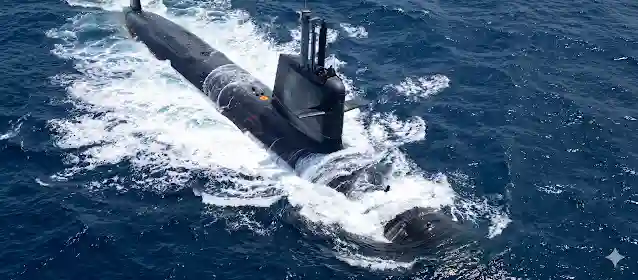
Iran US Escalation: Nuclear Submarines, Gulf Losses, and High-Stakes Diplomacy. Across the Persian Gulf and Washington, things got a whole lot messier over the last 24 hours. Bold military talk from Tehran, cancelled gas contracts, and emergency security shifts in D.C. are colliding at once. If you want to follow our daily regional coverage, check middle-east-updates. Right now, neither side looks ready to blink first, even while quiet diplomatic feelers float behind closed doors.
Tehran Unveils Nuclear Submarine Plans and Missile Warnings
Military bosses in Tehran have stopped hiding their cards. Senior Islamic Revolutionary Guard Corps (IRGC) commanders confirmed they’re building nuclear-powered submarines and naval ships. Their reasoning was blunt. Iran needs its enriched uranium for domestic naval propulsion so that it won’t hand it over to outside countries. Defense spokesperson Reza Talaei-Nik backed that up, saying Iran’s military runs on homegrown production and warning rivals to accept Tehran’s terms or lose on the battlefield.
Mohsen Rezaee, a senior figure in Iran’s security circle, went even further online. He warned that if Washington starts another war, every base involved—from West Asia right into Europe—becomes fair game. No safe distance, no immunity. Over in parliament, Speaker Mohammad Bagher Ghalibaf told reporters, as cited by Al Jazeera, that Tehran is still waiting on Washington to answer seven core demands, including sanction relief, unfrozen assets, and an end to naval blockades.
Gulf Economies Take a Huge Hit as Energy Deals Shift
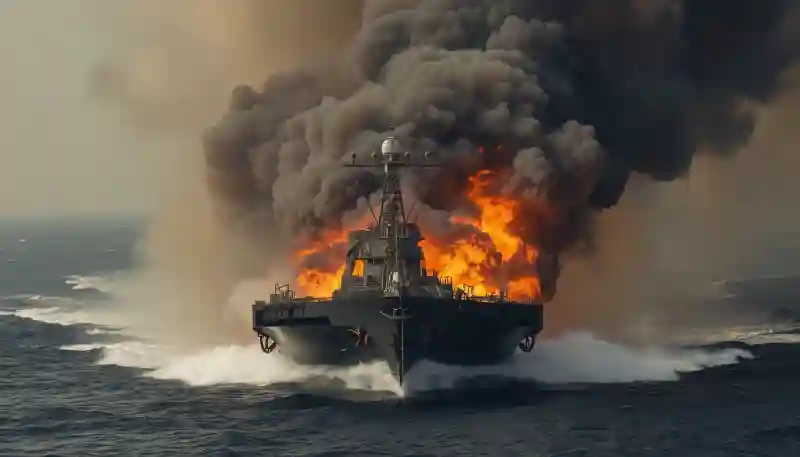
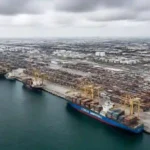
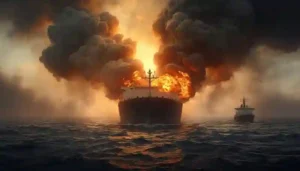
The financial bill across the region is getting ugly fast. Data highlighted by The Cradle estimates the US-Israeli conflict with Iran has already drained nearly $1 trillion from Persian Gulf states in physical damage and lost growth. Chokepoints around the Strait of Hormuz remain super tense, pushing G7 foreign ministers to condemn attacks on neighboring countries and warn against messing with commercial sea lanes.
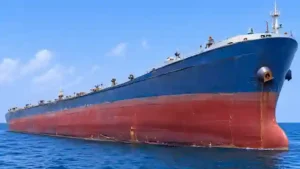
Regular households are feeling the squeeze too. Bloomberg reported that QatarEnergy lost its first liquefied natural gas buyer, Polish firm Orlen SA, after shipping bottlenecks blocked exports through the Strait of Hormuz. Inside Iran, Reuters noted government warnings about winter gas shortages after war damage hit processing plants. Over in America, CBS News shared projections showing home heating costs could jump over 7% this winter, hitting families on heating oil hardest. You can read more market updates on our energy desk at energy-crisis.
Security Scares and Friction in Washington
Back in Washington, the fallout is forcing unusual security moves. News reports confirmed US Treasury Secretary Scott Bessent moved out of his D.C.-area home and onto a military base due to Iranian threats and heightened security alerts. Diplomatic friction also hit the skies when Pakistan denied landing clearance to a US plane carrying nine deported Iranian citizens, forcing the flight to turn around.
Inside the White House, the messaging is all over the place. The Wall Street Journal reported Vice President JD Vance has weighed holding direct, face-to-face talks with senior Iranian security officials to end the fighting. Iranian President Masoud Pezeshkian pushed back online, calling out the use of PrSM missiles in Lamerd and heavy bomb threats as proof that Washington’s peace talks don’t match its actions. Neighboring countries like Iraq and Turkey are also resisting US pressure for strict land border blockades, worried about wrecking their own trade.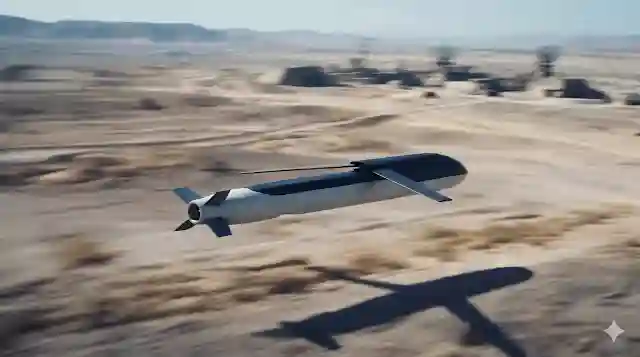
Regional Alerts in Israel, Iraq, and Lebanon
Political and security nerves remain frayed across nearby capitals. In Israel, outgoing Prime Minister Benjamin Netanyahu faces formal written demands from opposition leaders calling for restraint and transparency on security calls during the government transition. Meanwhile, Israeli defense forces stay on high alert while showing off upgraded missile defense gear.
In Iraq, the armed group Kataib Hezbollah warned Baghdad against teaming up with American or Israeli forces. And in Beirut, Lebanese police opened a murder probe after Iraqi parliamentarian Ahmed al-Awani was killed inside a hotel room, showing just how shaky ground security has become. For more details on economic penalties, visit global-sanctions.
Frequently Asked Questions
Why did Iran say it needs to keep its enriched uranium?
Senior IRGC officials said Iran is building nuclear-powered submarines and naval ships, so the uranium is needed for domestic maritime propulsion rather than being sent abroad.
How much money has the conflict cost Gulf states?
According to figures cited by The Cradle, ongoing hostilities and trade disruptions have cost Persian Gulf economies nearly $1 trillion in physical damage and lost growth.
Why did US Treasury Secretary Scott Bessent move to a military base?
Reports show Bessent relocated from his D.C.-area residence to a military installation as a precaution amid heightened security threats linked to Iran.