Fragile Truce: Documenting the Gaza Ceasefire Civilian Toll and Regional Realities
A ceasefire announcement sounds great on television news. Ministers speak at lecterns, emergency graphics vanish from screens, and people assume families can walk down roads without dodging artillery. On street corners across Gaza, things never changed that easily.
Tracking the actual Gaza Ceasefire Civilian Toll over the last twelve months shows a completely different scene. High-level delegations meet in foreign hotels, but neighborhood safety remains elusive on the ground, even as diplomatic ties shift across regional capitals.
Ground Reality Behind the Paper Truce
Look at everyday hospital ledgers. Figures tracked by The Times of Israel alongside Al Jazeera show that during this formal lull in fighting, 1,488 Palestinians were killed. Another 5,281 suffered deep blast cuts and fractures. Since 7 October, the full count of fatalities stands above 74,370.
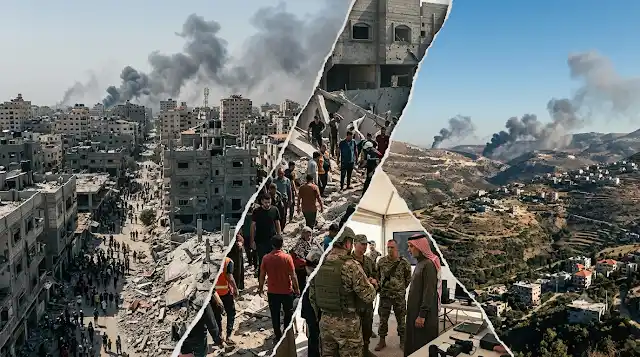
Rounds of fire still hit crowded living quarters without warning. Up north at Jabalia camp, an injured youngster died after reaching Al-Shifa Hospital. The same friction keeps spreading across the West Bank. Reporting from Al Arabiya English noted that army fire killed a 24-year-old local man close to Beit Einun junction near Hebron. Guns never went silent. They just fired without non-stop international press conferences.
Every morning begins with lines for dirty plastic water jugs. Tankers show up late, if at all. Food trucks sit queued up for miles on border asphalt waiting on permits, while shopkeepers sell basic grains at prices normal workers cannot afford. Families living under propped-up sheet metal spend half their daylight hours hunting for firewood, dry bread, or baby medicine.
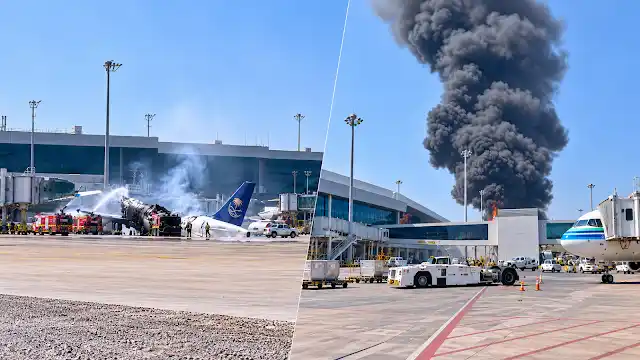
Readers following regional transport alerts can check our report on the Riyadh Airport Strike and Civilian Hubs.
Spillover Across Borders: Lebanon in the Crosshairs
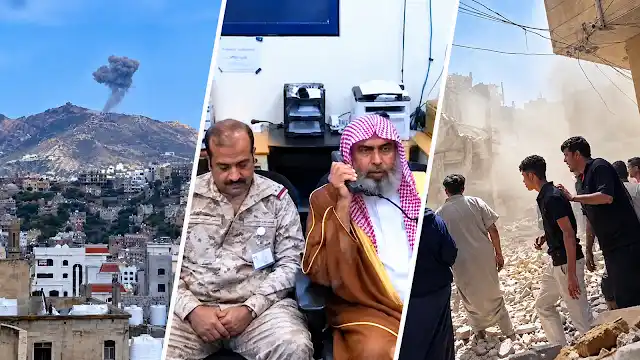
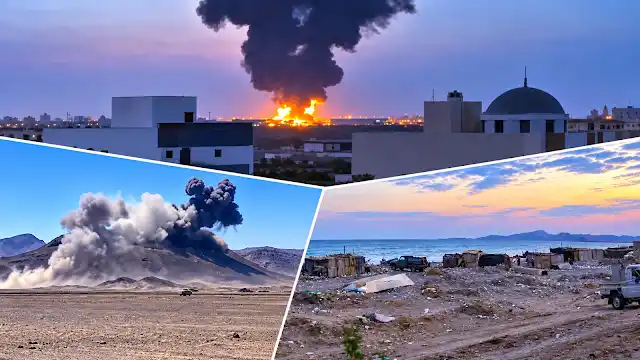
The destruction has not stayed confined to the strip. Cross-border strikes across southern Lebanon continue to level hillside infrastructure and displace residents. With strikes sending heavy plumes of smoke rising over valley communities, observers increasingly worry that northern borders are being pushed into the same prolonged, grinding crisis seen in Gaza.
Classrooms Under AI Scrutiny and Months of Bombardment
Routine family life faces pressure from brand new directions. Memos from the OECD and the Global Partnership on Artificial Intelligence revealed that an outside group looked into putting automated AI listening devices into classroom tents. The plan was to listen to lectures and flag sensitive topics. Putting listening software inside school tents treats young pupils like security risks before they even open a notebook.
Rebuilding broken alleys is a massive hurdle. UN rapporteur Francesca Albanese described the barrage as equal to roughly six atomic bombs landing across the strip. Digging out crushed sewage lines or pulling fresh cables under tons of broken rock takes generations, especially when essential pipe fittings cannot get through security gates.
Clinic workers run out of bandages daily. Doctors clean wounds using battery torches, stretching basic painkillers while generators choke on bad fuel. These slow losses rarely get mentioned in global statements, yet they hollow out entire neighborhoods day after day.
Arab Capitals and Shifting Handshakes
While street-level life falls apart, international relations took a rapid turn.
Take North Africa. Israeli security representatives took part in a Moroccan arms show, establishing booths to display their equipment. Not long ago, an event like that inside an Arab state would have sparked protests. These days, trade deals struck through the Abraham Accords take priority over joint Arab League statements.
Past narratives face harder questions as well. A detailed review by CNN tracked the fate of forty Israeli captives taken on 7 October who did not make it home alive. Journalists showed how heavy shelling and crossfire inside packed districts created severe risks for people hidden underneath.
Ceremonial handshakes do not fix shattered districts. Unless global talks focus on open water valves, clean clinics, and genuine street safety, regular households will keep bearing the damage of fragile political compromises.
Frequently Asked Questions
How many people died during the ceasefire window? Hospital records verify that 1,488 individuals died and 5,281 were treated for wounds during the truce, lifting the total casualty count past 74,000.
What took place at the Moroccan defence expo? Trade agreements linked to the Abraham Accords allowed Israeli aerospace and defence companies to open exhibition booths on Moroccan soil for the first time.
What scale of destruction did the UN rapporteur describe? Francesca Albanese stated that the total volume of explosives dropped across the territory equals the force of roughly six atomic bombs.