Beyond Frontlines: The Immediate Toll of the Riyadh Airport Strike
Nobody steps inside a departure hall thinking about missile drills. You stand in line, drop off suitcases, clear security, and look for coffee before boarding calls start. Over the past three days, that sense of routine vanished across the Gulf.
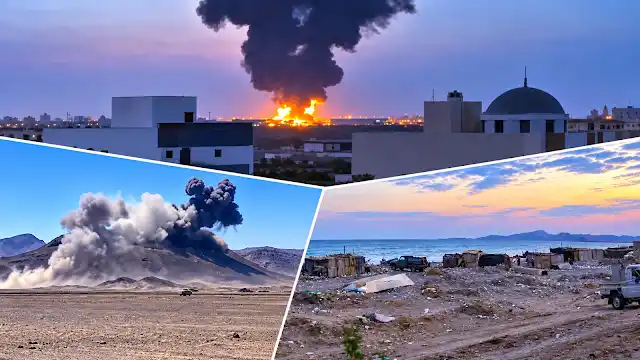
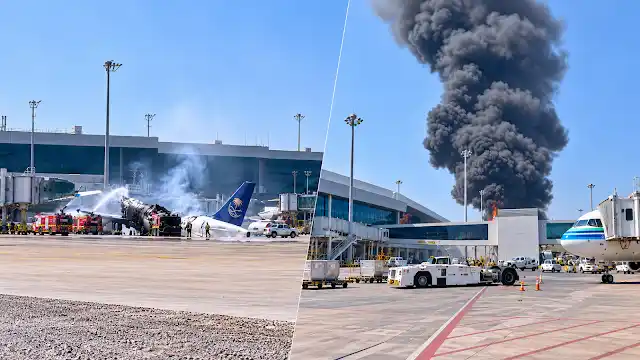
The recent Riyadh airport strike near Terminal 3 at King Khalid International Airport made it obvious: border fighting no longer stays at the borders. Blasts inside civilian lounges have thrown regional flights off schedule and shaken everyday life in the Kingdom.
Casualties Mount as Expat Workers Bear the Brunt
According to Al Arabiya English, the airport attack in Riyadh claimed 13 lives, while hundreds of others were reported injured. Well over 300 individuals suffered blast cuts and shrapnel injuries, leaving emergency rooms scrambling through back-to-back nights.
For families across South Asia, this became personal very fast. The Indian Embassy confirmed that an Indian national passed away in the ICU after sustaining severe trauma during the explosion. Thousands of expats keep the airport running daily—loading cargo, cleaning terminals, and handling check-in counters. None of them signed up for combat duty. Even with the Saudi Health Ministry picking up emergency bills for foreign patients, several regional embassies have stepped in to advise their citizens on the ground.
Airport employees now face nervous passengers asking whether flights home will operate as scheduled. Meanwhile, families thousands of miles away are frantically trying to reach their loved ones working on the tarmac, as a once-routine job abroad becomes a source of constant worry.
Readers keeping an eye on travel warnings across the region can view our guide on Middle East safety updates and expat travel advisories.
Empty Classrooms and Night Alerts in Riyadh
The disruption quickly reached neighborhoods miles away from the tarmac. Within hours of the strike, routine life in the capital shifted.
Reports from Al Jazeera citing Agence France-Presse (AFP) noted that the Saudi Ministry of Education instructed schools across Riyadh to shut their doors and switch straight to online classes for the rest of the week. Parents got WhatsApp and email alerts late at night telling them to keep their kids indoors while city air defences remained on full combat readiness.
Out in the Eastern Province, air sirens woke residents around Dammam. Ground batteries shot down aerial targets out in the open, but the panic stuck. Morning traffic disappeared, shop doors stayed down, and people decided to wait it out inside.
Houthi Threats Leave Airlines Scrambling
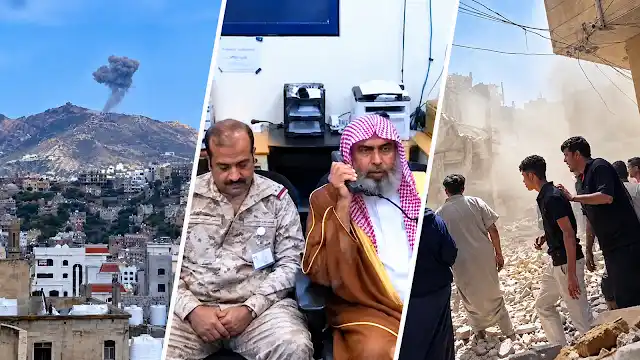
The crisis took another turn after Houthi authorities in Sanaa made direct public statements. Houthi military spokesperson Yahya Saree warned international airlines, ground crews, and passengers to stay clear of Saudi airspace and domestic terminals, claiming these sites are now active operational zones.
The announcement made only two exceptions: Mecca and Medina. That carve-out brings little relief to international aviation planners. Diverting commercial airliners around the Arabian Peninsula burns immense fuel and adds hours to long-haul routes connecting Europe, Asia, and Africa.
Those following how long-range hardware reshapes modern conflict zones can read our piece on Russia-Ukraine War Update: Deep Strikes.
Strikes on Sanaa Settle Nothing
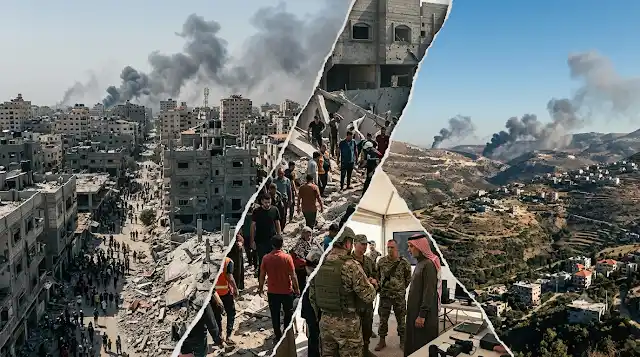
The military response was fast and heavy. Coverage from Al Jazeera showed retaliatory airstrikes slamming sites around Sanaa International Airport and northern points in Harf Sufyan. Yemen’s military claimed major defensive maneuvers on their side, yet the back-and-forth bomb runs prove that deterrence is no longer working.
Flipping the switch on passenger gates does not solve a conflict. When a terminal ceiling caves in or retaliatory sorties roar over capital suburbs, the blast hits regular commuters and working migrants who have zero skin in the game. Without firm diplomatic action to bring military forces back, it is ordinary people whose daily lives will continue to suffer the most.
Frequently Asked Questions
Why did schools in Riyadh switch to online learning?
Authorities moved classrooms online so families could stay home while regional air-defense units dealt with post-strike security alerts.
Are commercial flights still operating across Saudi Arabia?
Airports are running, though carriers have altered select paths while several foreign ministries updated travel guidance for passengers heading to the Gulf.
Which airports were excluded from the Houthi warnings?
Public statements from Sanaa mentioned that airports handling pilgrims in Mecca and Medina are excluded from their operational list.