Riyadh airport attack: What Is Real vs. Online Panic
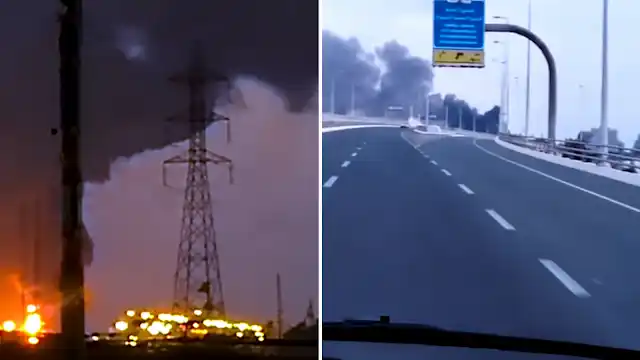
Scrolling through updates on your phone right now is a proper headache. Clips pop up showing smoke and rubble, voices claim major airports are gone, and threads scream that massive armies just landed in Yemen.
Look, real people are suffering out there, and border clashes are happening. Nobody is denying that. But half the stuff you see on video apps is made up just to pull views and push panic. When you verify these viral clips against established news sources like Reuters and the BBC, along with official embassy notices, the picture is often much less dramatic than it first appears.
Let’s sort out what actually happened.
What Really Happened at Riyadh Airport? Understanding India’s Alert
Red Sea Warnings and Naval Rotations
The situation along these waterways is genuinely tense, but it follows a well-established pattern of pressure tactics. Over at CBS News, they reported that Houthi spokesman Yahya Saree warned workers near Saudi oil installations to step back. Familiar posturing aimed at shaking up shipping markets, really.
Maritime risks across southern shipping routes remain a serious concern, as fluctuating insurance costs complicate route planning for cargo operators. In a separate development, Al Mayadeen reported strikes by coalition jets on communication masts in Yemen’s Bani Matar and Raymah districts.
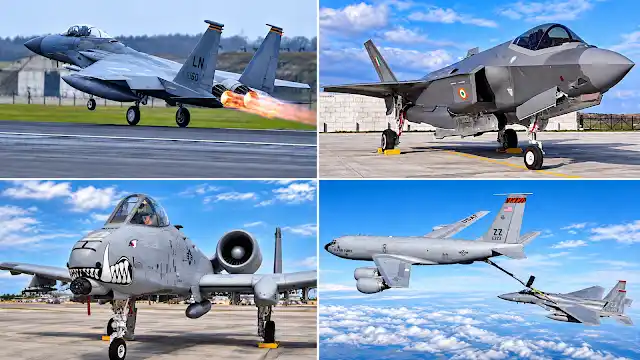
Out on the water, navies rotated ships. Al Jazeera reported that the aircraft carrier USS Abraham Lincoln headed home to San Diego after a massive 265-day run, with crew exhaustion creeping in before another allied carrier took over regional patrol work.
Sanctions, Border Shelling, and Politics
Money and shipping channels are feeling the squeeze. As India Today reported, the US Treasury dropped fresh sanctions on two Mumbai freight firms and five Indian individuals under Operation Economic Outcast, targeting illicit oil trade.
Meanwhile, The New York Times reported that while military planners keep a three-day strike plan ready, American officials stay nervous about stumbling into an open war.
Near the Golan Heights, things stayed small. Turkey’s Anadolu Agency reported Israeli artillery rounds landing in farmland near a southern Syrian village.
Alliances are moving as well. Insider Paper noted Israeli defence firms showed up at an aerospace expo in Morocco for the first time. Back in Tel Aviv, The Times of Israel reported former military secretary Avi Gil saying big gaps still exist between internal intelligence briefings and what was made public before October 7.
What to Keep in Mind
Real problems are serious enough on their own. There’s no need to invent action-movie plots just to get attention online. Always check the upload dates, skip past dramatic thumbnails, and trust established newsrooms to cut through the noise.
Quick Facts
- Did India tell citizens to evacuate Saudi Arabia? No. The Indian Embassy in Riyadh issued a basic safety advisory telling nationals to remain alert and avoid sharing unverified videos.
- Are foreign troops from Syria or Pakistan fighting in Yemen? No. Syrian officials told WION they have no troops there, and Pakistan formally dismissed claims about air strikes.
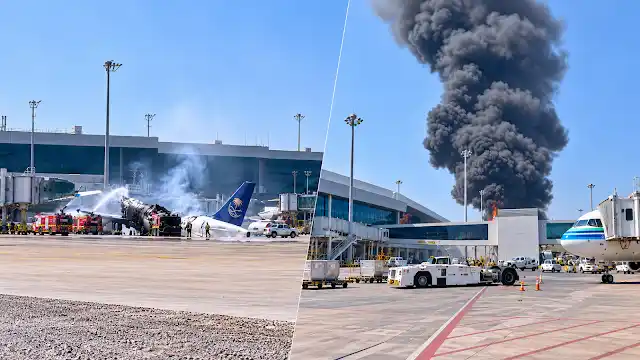
- Was Riyadh airport hit or destroyed? No. Commercial planes are flying normally. The online posts rely on recycled crash videos and fake captions.
- Why did the USS Abraham Lincoln leave? The carrier finished its long 265-day mission and sailed back to San Diego, handing over duties to allied ships.