Russia-Ukraine War Shifts: New Chaos

Russia-Ukraine war shifts took an unexpected turn this week as strategic positions cracked open on multiple fronts. Between heavy drone strikes on central transport hubs, quiet diplomatic concessions from leadership, and mounting friction across allied borders, defense circles are recalibrating their expectations quickly.
Major international newsrooms have laid bare the facts over the past twenty-four hours. Here is the full breakdown of how military, diplomatic, and trade dynamics are playing out across the region.
Tactical Shift on Security Guarantees and Maritime Clashes
Diplomatic positions shifted noticeably following fresh public remarks from Ukrainian leadership. According to reporting published by the Financial Times, President Volodymyr Zelenskyy opened the door to Moscow potentially receiving reciprocal security guarantees as part of any broader negotiated settlement. Defense analysts view this posture as a pragmatic shift toward testing real terms for a sustainable ceasefire after years of total deadlock.
At the same time, regional waterways are turning into active flashpoints. Coverage from Reuters confirmed that Turkish Defence Minister Yasar Guler issued a stern warning to both Russia and Ukraine against targeting commercial vessels navigating the Black Sea. Ankara stressed that it reserves the right to take legal measures and intervene directly to safeguard neutral maritime trade lanes.
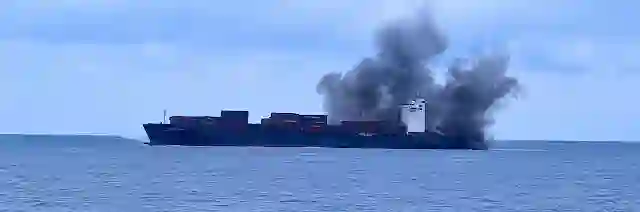
Further complicating channel security, an unconfirmed incident in the Black Sea reportedly led to the sinking of an Israeli-managed commercial cargo carrier following boat drone impacts, raising anxiety among commercial shipping operators.
Tech Infrastructure Friction and Starlink Scrutiny
Battlefield communication networks have come under fresh political scrutiny in Washington. Dispatches from the Associated Press revealed that the Pentagon watchdog formally informed US lawmakers it will not investigate recent Starlink operational slowdowns across Ukraine.
The decision follows quiet pushback from defense officials wary of over-policing private satellite vendors providing frontline communications. European defense planners, however, are reading the signals cautiously. In reporting by Axios, European defense ministries have begun seeking sovereign non-Musk satellite alternatives to ensure frontline connectivity remains free from outside corporate leverage.
Escalating Aerial Attacks and Jet-Powered Geran Munitions
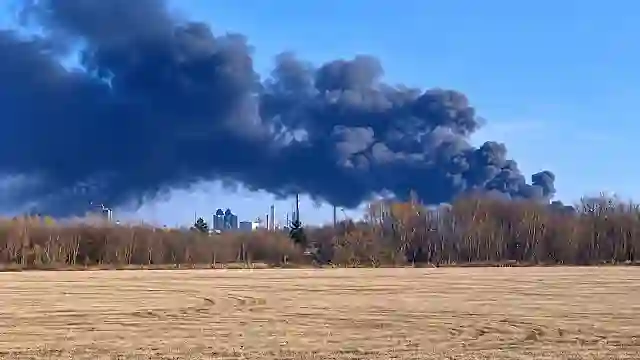
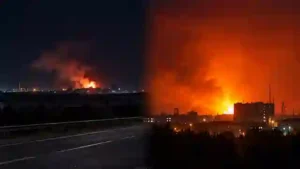
Civilian transit centers and energy hubs took severe punishment over the last forty-eight hours. According to coverage by Firstpost, a Russian drone strike tore through a crowded passenger railway station in Dnipro, killing at least thirteen civilians and prompting urgent calls from Ukrainian leadership for stronger international counter-actions.
Meanwhile, aerial systems deployed across the contact line are growing faster and heavier. Technical specifications confirm the battlefield introduction of Russia’s upgraded Geran-4 and Geran-5 loitering munitions:
- Geran-4: Powered by a Telefly LX-WP-160 turbojet engine, reaching speeds of 500 km/h with an operational range of 960 kilometres and carrying warheads between 50 and 90 kg.
- Geran-5: Equipped with a Telefly TF-TJ2000A turbojet engine, pushing flight speeds to 600 km/h over a 1,000-kilometre range while hauling a full 90-kg explosive payload.
Ukrainian air defense crews report that intercepting these high-speed platforms has become an uphill battle. Compounding these air defense concerns, The Kyiv Independent reported statements from President Zelenskyy noting that Ukraine receives only twelve Patriot interceptor missiles per month from the United States, creating an acute supply deficit against large saturation salvos.
In response, regional allies are attempting to plug frontline gaps. Reports in the Kyiv Post confirmed Poland’s transfer of two MiG-29 fighter jets under a 50-million-euro aid package, while British media confirmed a record 10-billion-pound bilateral support pledge announced by the United Kingdom. Additionally, the Ukrainian Navy claimed its defensive units successfully downed two Russian Su-34 fighter-bombers operating in southern airspace.
(Related Coverage: Check our latest report on Gulf Security Shifts and Middle East defense alerts impacting global trade.)
Border Fortifications and European Civilian Precaution
Frontline tensions are rippling deeply into neighboring European capitals. In an extensive report carried by The Independent, Russian President Vladimir Putin warned leaders in Finland and Norway that Russia is prepared for open confrontation with European forces if escalations persist, cautioning that a wider theater clash would leave no winners.
Baltic defenses are taking concrete steps on the ground. Dispatches from The Moscow Times revealed that Estonia has moved forward with plans to erect 150 concrete defensive bunkers along its eastern border with Russia as part of the regional Baltic defense network.
Civilian readiness guidelines are shifting across Western capitals as well. Firstpost reported that the French government urged citizens to prepare three-day emergency home kits stocked with essential food, clean water, and medical basics, mirroring similar civil defense guidance issued across the United Kingdom.
Economic Pressures and Sanctions Complications
Energy policies continue to show cracks as domestic inflation bites on both sides of the Atlantic. Investigative reporting from The Washington Sun revealed that administration aides in Washington have been quietly encouraging domestic firms to explore accepting Russian diesel shipments to rein in escalating pump prices.
Yet domestic relief remains stubbornly elusive. The Wall Street Journal reported that high-level energy pacts and waivers have done little to soften retail diesel prices in the United States, keeping transport costs steep and landing directly on consumer supply chains.
On the ground, territorial attritional fighting continues to exact an immense human toll. Operational tallies published by United24 Media cited Ukrainian General Staff figures indicating Russian military casualties exceeded 49,000 personnel throughout October alone, setting an all-time monthly high.
With Al Jazeera confirming that the Kremlin ruled out European participation in upcoming direct talks between Washington and Kyiv, the path toward de-escalation rests on whether upcoming bilateral diplomatic tracks can gain traction before winter settles in.
Frequently Asked Questions
What did President Zelenskyy state regarding Russian security guarantees?
According to the Financial Times, President Volodymyr Zelenskyy acknowledged for the first time that Moscow could receive mutual security guarantees within a structured peace agreement.
Why are European nations seeking non-Musk satellite networks?
As Axios reported, operational slowdowns and reliance on Starlink prompted European defense authorities to develop independent, sovereign satellite alternatives for frontline communications.
How do Russia’s upgraded Geran-4 and Geran-5 drones differ from earlier models?
Technical data shows both models use turbojet engines rather than standard propellers, pushing speeds up to 600 km/h with a 1,000-kilometre range and heavier 90-kg warheads.