Russia Ukraine War Oil Refinery Strikes: Trump Deal and Jets
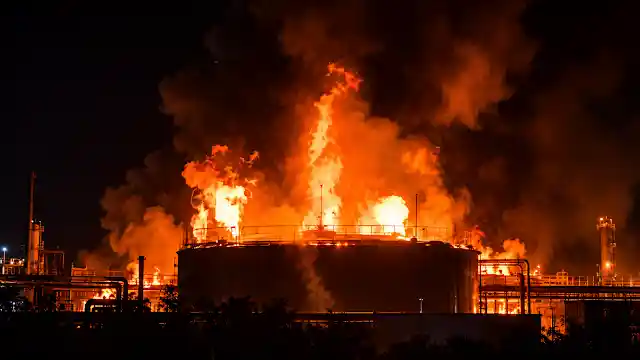
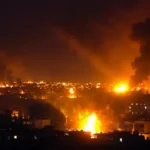
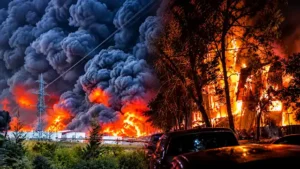
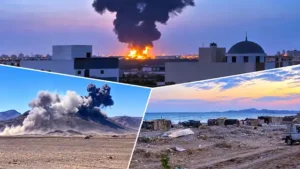
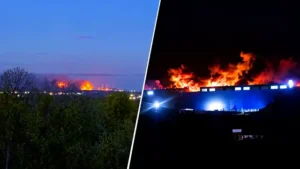
Plumes of black smoke rising above a regional fuel depot following Ukrainian long-range drone runs.
Battlefront Fracture: Inside the New Oil Depot Hits and Missile Shortages
The Russia Ukraine war oil refinery strikes have broken into an unpredictable new chapter, pushing tensions between Kyiv, Washington, and European capitals straight out into the open. For months, Western diplomats tried to convince everyone that backchannel talks and quiet diplomacy would slowly cool down long-range strikes. Right now, on the actual frontline, that neat plan has fallen apart as direct drone runs against fuel infrastructure take centre stage again.
Over the past forty-eight hours, open disagreements over energy targets, empty missile batteries, and fresh deep-strike weapons have pushed the fight into uncharted waters. The moment strategic fuel supplies go up in flames while air-defence stockpiles run dry, frontline troops feel the pinch within days. Much like we tracked in our recent look at the Iran military operation Middle East energy crisis, energy supply networks and transport choke points are once again taking the hardest hits.
The Defiance Over Refinery Strikes and Retaliatory Hits
The biggest shift came right after sharp warnings were sent from Washington. According to reporting by the New York Post, Ukrainian President Volodymyr Zelensky openly pushed back against advice from Donald Trump’s team regarding a ban on hitting Russian domestic energy assets. While American negotiators floated plans to freeze long-range attacks on fuel depots, Kyiv ordered its strike units to keep going after key petrochemical hubs.
The impact was felt almost immediately. Fresh long-range drone waves struck the major Ryazan oil refinery deep inside Russian territory, setting storage tanks alight and disrupting refined product output. Alongside the refinery strikes, fresh satellite imagery confirmed that a precision Ukrainian airfield strike destroyed six Russian MiG-34 fighter-bombers parked along the flight line, giving Moscow a serious operational headache.
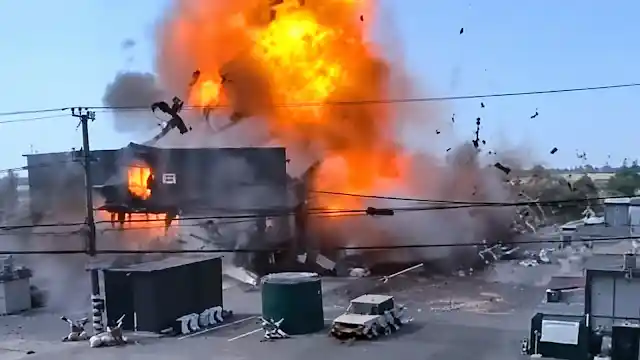
Moscow hit back with strong words and brutal salvos on civilian hubs. As reported by the Associated Press and United24 Media, Russian jet-powered strike drones slammed directly into a commercial supermarket and civilian logistics complex, creating a massive fireball that levelled the building and injured multiple shoppers. Follow-up missile salvos on regional power distribution nodes immediately plunged surrounding urban districts into total nighttime blackouts. Speaking on state media, Russian President Vladimir Putin made an official broadcast stating that Kyiv had chosen this round of escalation by breaking informal understandings and must live with the consequences.
The Patriot Depletion and London’s Storm Shadow Delivery
While deep strikes continue inside Russia, air defence shields across Ukrainian cities are facing a serious crisis. In an exclusive report by CNN World, Western defence sources confirmed that Ukraine has effectively run out of Patriot PAC-3 interceptor missiles. This shortfall leaves urban centres, power stations, and troop assembly areas wide open to Russian ballistic salvos.
This logistical wall mirrors our earlier analysis of the Saudi Arabia Houthi conflict and airport security alerts, where defensive interceptor stockpiles simply could not keep up with prolonged drone and missile barrages. To patch the gap, London stepped forward with new offensive hardware. Formal defence disclosures confirmed that the United Kingdom has authorised and delivered a fresh batch of Storm Shadow cruise missiles to help Ukrainian air units hit hardened forward logistical depots.
Diplomatic tensions also flared around the weapons deliveries. Broadcaster NDTV World reported that tech billionaire Elon Musk publicly called for Zelensky to step down after accusations about Starlink changes and gaps in strike warnings, while European diplomats from Brussels pressed Kyiv to adopt a more restrained tone toward the White House to prevent future supplies from being jeopardised.
Black Sea Sabotage, Frozen Assets, and Intelligence Sharing

Tensions are spilling well beyond the immediate battle lines into commercial waters and diplomatic backrooms. Reporting from Firstpost confirmed that a chemical tanker caught fire under mysterious circumstances off the Romanian Black Sea coast near Sulina, leaving seven crew members missing as rescue teams scrambled to contain the incident. Meanwhile, Reuters reported that Russian security services arrested a Swedish citizen accused of planning targeted sabotage operations against domestic infrastructure.
In Western capitals, financial fights are brewing fast. Coverage from the Financial Times revealed that the Trump administration has proposed moving billions in frozen Russian state assets into a Washington-directed setup to unlock future negotiations. However, German Chancellor Olaf Scholz and European leaders pushed back hard, insisting that sovereign assets frozen within European vaults remain strictly under European authority.
European officials also made it clear that their support does not rely solely on Washington. As reported by United24 Media, French Foreign Minister Jean-Noël Barrot disclosed that European nations currently provide roughly two-thirds of all military intelligence fed to Ukrainian command units. This broad alliance coordination echoes the diplomatic strains documented during the Saudi Yemen War Aramco strikes and cross-border missile scrambles, where regional partners pushed back against centralized foreign policy demands.
At the same time, captured tech is shifting regional alliances. Ukrainian technical teams handed over captured parts from upgraded Russian-operated Geran-2 drones to Israeli specialists for reverse-engineering, giving Tel Aviv an early look at Iranian drone modifications.
Hoping for energy grids and frontline borders to settle down without steady supply lines or realistic diplomacy is getting harder by the week. Until the flow of defensive interceptors is sorted and energy infrastructure rules are agreed, the conflict looks set to drag both sides into an even harsher attritional fight.
Common Queries
What Is Behind Ukraine’s Renewed Strikes on Russian Oil Refineries?
Reporting by the New York Post confirmed that Ukrainian leadership decided to ignore American requests to halt strikes, aiming directly at cutting fuel logistics like the Ryazan refinery to slow Russian frontline operations.
Has Ukraine run out of Patriot air defence missiles?
Yes, an exclusive investigation published by CNN World revealed that Ukrainian air-defence units have exhausted their inventory of Patriot interceptor missiles, leaving key sites vulnerable to incoming ballistic strikes.
What happened to the commercial chemical tanker in the Black Sea?
According to Firstpost, a chemical tanker caught fire near Sulina along the Romanian Black Sea coast, triggering emergency maritime rescue operations for seven missing crew members.